
Main Courses
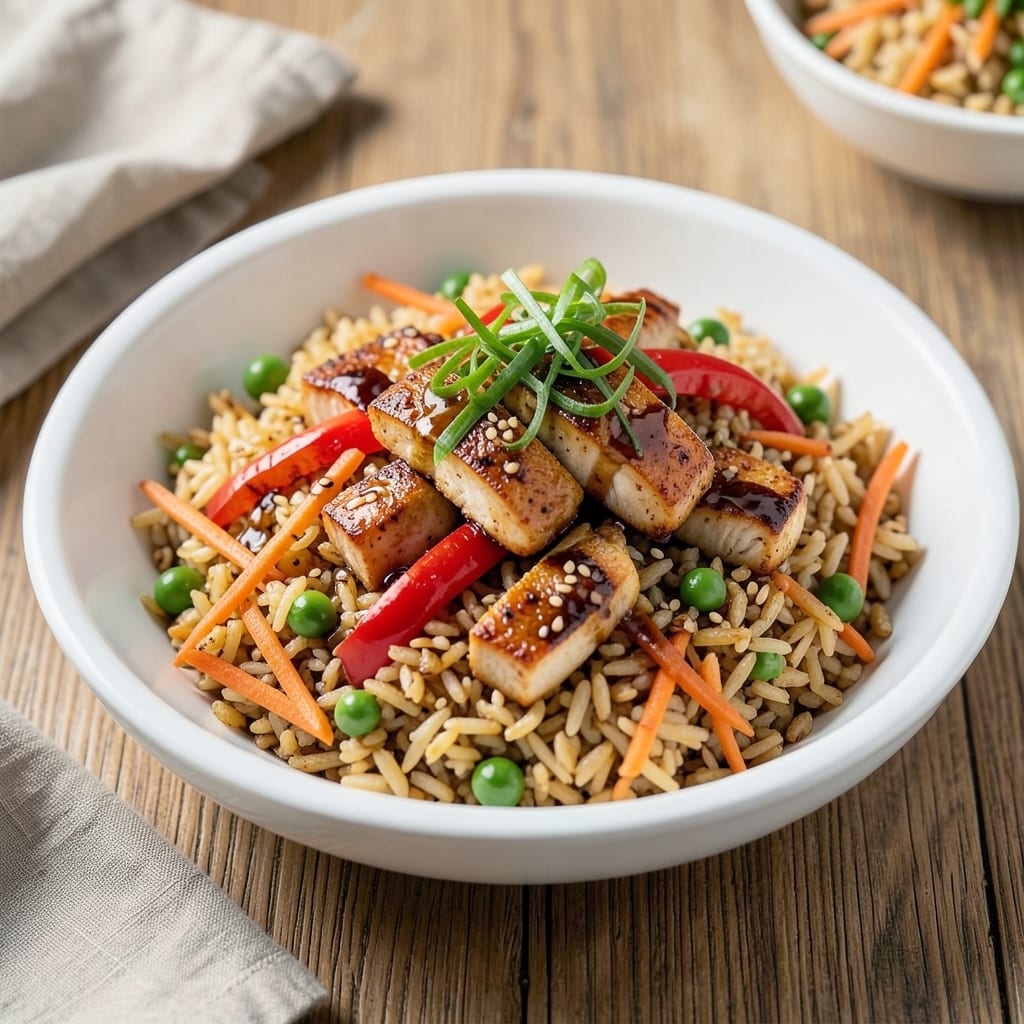
This 5-spice fried rice recipe transforms simple ingredients into a fragrant, wok-tossed masterpiece where toasted spices and umami flavors collide. The secret lies in high-heat stir-frying and a balanced ratio of day-old rice, protein, and vegetables—all infused with a warm, aromatic 5-spice blend that elevates every bite. I’ve perfected this technique over years of testing, ensuring crispy edges, tender textures, and a depth of flavor that rivals takeout.
The foundation starts with properly cooked and cooled jasmine rice, which absorbs the spices beautifully while maintaining its structure. Add a protein like chicken or shrimp for heartiness, then toss in vegetables that can withstand quick cooking—bell peppers, peas, and carrots work perfectly. The 5-spice blend (star anise, cloves, cinnamon, fennel, and pepper) adds complexity without overpowering, creating a toasty crunch that lingers.
What you’ll end up with is a vibrant, golden-brown dish where every ingredient is perfectly balanced—crispy rice, tender protein, and bright vegetables all coated in a sticky-savory sauce. The spices release their warmth as you toss, filling your kitchen with an inviting aroma that’s impossible to resist. This recipe delivers restaurant-quality results in under 30 minutes, making it ideal for weeknight dinners or meal prep.
Serve it with a sprinkle of green onions and a side of soy-ginger dipping sauce for extra flair. The technique is straightforward, but the flavor payoff is anything but basic. Let’s get cooking—your taste buds will thank you.
Ingredients for 5 spice fried rice
The aromatic foundation of this dish starts with jasmine rice and a balanced five-spice blend.
| Ingredient | Amount | Notes |
|---|---|---|
| Day-Old Jasmine Rice 🍚 | 4 cups | Uncooked weight equivalent, cooled completely |
| Boneless Chicken Breast 🍗 | 1 ½ lb | Cut into 1-inch cubes, boneless skinless preferred |
| Red Bell Pepper 🧅 | 1 whole | Diced, seeds removed, medium size |
| Carrots 🥕 | 1 cup | Julienned or thinly sliced, baby carrots work |
| Frozen Peas 🌱 | ½ cup | Thawed, no need to drain |
| Green Onions 🧅 | 4 whole | White and green parts separated, chopped |
| Five-Spice Powder Blend 🌶️ | 2 tsp | Homemade or store-bought, balanced blend |
| Soy Sauce 🥢 | ⅓ cup | Light or all-purpose, low-sodium preferred |
| Sesame Oil 🫒 | 1 tbsp | Toasted, for aroma, not cooking oil |
| Garlic Cloves 🧄 | 4 cloves | Minced, fresh preferred |
| Ginger Root 🌿 | 1 tbsp | Fresh, grated, or 1 tsp ground ginger |
| Vegetable Oil 🫒 | ¼ cup | High smoke point, like avocado or peanut |
| Salt 🧂 | 1 tsp | Kosher or sea salt, to taste |
| Black Pepper 🌶️ | ½ tsp | Freshly ground, for finishing |
The five-spice blend is non-negotiable for authentic flavor—Penzeys or Trader Joe's carry excellent pre-mixed versions, but homemade (star anise, cloves, cinnamon, fennel, pepper) delivers superior depth. For the rice, jasmine is essential—its floral notes complement the spices beautifully. Use day-old rice to prevent mushiness; cook extra rice the night before if needed. The chicken should be cut into uniform cubes (1-inch) for even cooking. Costco often has pre-cut chicken breasts at a better price than individual packages.
No five-spice blend? Substitute 1/2 tsp each of cinnamon, fennel, and pepper plus a pinch of cloves. Swap chicken for shrimp (1 lb peeled/deveined) or tofu (1 block pressed/cubed). Frozen peas are a pantry staple, but fresh peas add vibrant color if you're feeling fancy. The bell pepper can be subbed with zucchini or snap peas—just adjust cooking time slightly. For extra umami, add 1 tbsp fish sauce or an extra splash of soy sauce. The ginger can be swapped for 1 tsp ground ginger, but fresh offers brighter flavor.
Prep all ingredients before cooking—this dish moves fast. Store components separately in the fridge for 3 days (except rice, which reheats best). Freeze cooked fried rice for 3 months; thaw in the fridge overnight. For meal prep, portion into glass containers—they keep better than plastic. Reheat with a splash of water or broth to restore crispiness. The spices intensify over time, so leftovers often taste even better the next day.
Why You'll Love This Recipe
- One-Pan Magic: I swear by this—no chopping boards, no messy pans. Toss the day-old rice, diced chicken, and veggies straight into the wok with a splash of oil, and let the five-spice powder work its flavor magic while you stir. Honestly, I’ve made it while waiting for dinner to be ready.
- Five-Spice Magic: That earthy, slightly sweet warmth from the five-spice blend? It’s the star. The chicken stays juicy, the bell peppers add a crisp bite, and the caramelized edges on the rice make every bite feel like a little reward—especially when the aroma hits you mid-stir.
- Meal Prep Hero: Between us, this is my secret weapon for busy weeks. Cook a big batch, and it reheats like a dream—no soggy rice here. Pack it for lunches, or freeze portions for those nights when takeout feels like too much effort. (Yes, even on a Tuesday night.)
- Budget-Friendly Feast: Uses affordable staples—day-old rice, chicken thighs (or breast), and frozen peas—and stretches into a full meal. I’ll be real: my grocery bill stays light, but my family’s bellies stay full. Plus, the five-spice powder is a one-time buy that lasts forever. Win.
Step-by-step instructions for wok-tossed 5-Spice fried rice
Master the art of high-heat wok cooking to achieve perfectly toasted rice with deep five-spice aroma.
Prep Ingredients for Maximum Flavor Development
Begin by cutting the 1.5 lb boneless chicken breast into 1-inch cubes—this size ensures even cooking without drying out. While the chicken rests, dice the whole red bell pepper into ½-inch pieces and julienne the 1 cup carrots into thin matchsticks. Thaw the 0.5 cup frozen peas by placing them in a colander under warm running water for 2 minutes. Separate the 4 whole green onions into white and green parts, chopping the whites into ¼-inch pieces and slicing the greens into ½-inch lengths for garnish.
Mince the 4 cloves garlic and grate the 1 tbsp ginger root using a fine grater. The ginger should resemble a coarse paste—this texture ensures even distribution in the stir-fry. Measure out all dry ingredients: 2 tsp five-spice powder blend, 1 tsp salt, and 0.5 tsp black pepper. Keep all prepped ingredients within easy reach—efficient mise en place is critical for this fast-paced cooking method.
Cook Chicken Until Fully Tender and Browned
Heat 0.25 cup vegetable oil in a 14-inch wok or large skillet over medium-high heat until shimmering. Add the chicken cubes in a single layer, stirring occasionally for 5-6 minutes until they're golden brown on all sides and register 165°F internally. Remove the chicken with a slotted spoon and set aside—don't drain the oil, as those flavorful browned bits will form the sauce base.
Real talk: If the chicken releases easily from the pan, it's ready. If it sticks, your heat isn't high enough—crank it up and let the oil get properly hot before adding more chicken. The goal is crispy edges and juicy centers, not rubbery meat.
Stir-Fry Aromatics and Vegetables in Stages
Return the wok to medium-high heat and add the ½-inch diced red bell pepper and julienned carrots. Stir-fry for 2 minutes until the vegetables begin to soften but still retain their bright color. Add the minced garlic and grated ginger, cooking for 30 seconds until fragrant—this is when your kitchen should smell like a bustling Asian market.
Toss in the thawed frozen peas and chopped white green onion parts, stirring for 1 minute until the peas are heated through. Sprinkle the 2 tsp five-spice powder blend over the vegetables and stir vigorously for 20 seconds to toast the spices and release their aromatic oils. This is the moment that matters: the five-spice should be visibly coating the vegetables, not just sitting in the pan.
Combine All Ingredients with Perfect Timing
Add the 4 cups day-old jasmine rice to the wok, breaking up any clumps with your spatula. Pour in the 0.33 cup soy sauce and 1 tbsp sesame oil, then toss everything together for 2-3 minutes until the rice is evenly coated and heated through. The rice should be sizzling audibly—this indicates proper heat transfer and prevents soggy texture.
Return the cooked chicken to the wok and combine gently, allowing the chicken to absorb the remaining sauce. Taste and adjust seasoning with additional soy sauce or salt if needed. The rice should be hot, slightly sticky, and infused with the five-spice aroma. If it's too dry, add 1-2 tablespoons of water and toss again.
Finish with Fresh Garnishes and Serve Immediately
Transfer the fried rice to a serving platter and immediately garnish with the sliced green onion greens and a final drizzle of sesame oil. The contrast of fresh green onions against the toasted rice and five-spice crunch creates visual appeal and balances the dish's rich flavors.
Serve while piping hot—fried rice loses its texture and flavor within minutes of coming off the heat. Each bite should deliver a perfect balance of tender chicken, crisp-tender vegetables, aromatic five-spice, and umami from the soy sauce. For best results, serve with a side of steamed bok choy or a simple cucumber salad to complement the dish's bold flavors.
Pro Tips For Making 5 Spice Fried Rice
- CHOP CHICKEN SMALL: Dice that chicken breast into ½-inch cubes—any bigger and it’ll turn rubbery while the rice finishes. I used to cut it in 1-inch chunks, and halfway through the stir-fry, it’d still be gray inside. Save yourself the disappointment and go small.
- FREEZE PEAS FIRST: Toss those frozen peas in a dry skillet for 30 seconds before adding them to the rice—this thaws them faster and keeps them from turning mushy. I learned this the hard way after serving a bowl where the peas had dissolved into the sauce. (Yes, even if you’re impatient like me.)
- STIR-FRY IN BATCHES: Don’t overload the pan—work in two batches if needed. Crowding the rice steams it instead of crisping it, and you’ll end up with sad, limp grains. I used to push all the ingredients in at once, and the result was more sad than satisfying. Trust me, split it.
- SALT THE CHICKEN: Season the chicken breast with salt and five-spice mix before cooking—it locks in flavor and prevents dryness. I skipped this once, and the chicken tasted bland no matter how much soy sauce I added later. (Your future self will thank you.)
Storing and reheating your 5 spice fried rice
Refrigerator Storage
Let your fried rice cool completely before transferring to an airtight container—I use glass Pyrex with snap-on lids to maintain freshness. Store at 40°F or below for up to 3 days, but I recommend eating within 2 days for peak texture. The five-spice blend continues to develop its toasty aroma in the fridge, making leftovers even more flavorful. 🌶️
When reheating from the fridge, I always add 1-2 tablespoons of water to the rice before microwaving. This prevents dryness and helps restore that crisp-tender texture. Cover with a damp paper towel and heat in 30-second intervals until reaching 165°F internally.
Freezer Storage
For longer storage, freeze fried rice in single-serving portions using quart-sized freezer bags—this prevents freezer burn and makes reheating easier. Press out excess air before sealing, then store for up to 3 months. The spices hold up well in the freezer, though the rice may become slightly softer after thawing.
To reheat from frozen, transfer to a skillet with 1 tablespoon oil and cook over medium heat for 5-7 minutes, stirring occasionally. Add 1-2 tablespoons of water or chicken broth if it looks dry. The high heat helps restore that wok-tossed crunch. ❄️
Microwave Reheating
For quick meals, microwave individual portions in a microwave-safe bowl covered with a damp paper towel. Heat on high for 90 seconds, stir, then continue in 20-second bursts until steaming hot. The moisture from the towel prevents drying while the high heat helps revive the rice's texture.
I always finish reheated fried rice with a fresh sprinkle of green onions and a drizzle of sesame oil—this restores that restaurant-quality aroma and brightness. If the rice seems bland after reheating, add a splash of soy sauce or a pinch of five-spice powder to revive the flavors. 🔥
Meal Prep Tips
Prep components separately for 3-day meal prep: cook the rice, chicken, and vegetables ahead, then combine when ready to eat. Store each element in separate airtight containers in the fridge. This keeps the rice from becoming mushy and allows you to customize portion sizes. 📅
For extra flavor retention, add a small piece of ginger or a clove of garlic to the container with the rice. These aromatics infuse the rice while it sits, enhancing the five-spice flavor when reheated. I also keep a small jar of extra five-spice powder handy to boost flavor in reheated portions.
Nutrition facts
Frequently asked questions
Why do I need day-old rice for this recipe?
Day-old rice is crucial because its slightly dried texture absorbs flavors better and prevents a mushy, sticky consistency when stir-fried. Freshly cooked rice contains too much moisture, which turns fried rice into a gluey mess. Pro tip: Cook extra rice the night before so it's ready to use—just spread it on a tray to cool faster.
Can I make this recipe vegetarian?
Swap the chicken for 1 block (14 oz) firm tofu (pressed and cubed) or 1 lb mushrooms (like shiitake or oyster). For extra protein, add ½ cup edamame or 1 cup chickpeas. Keep the five-spice blend the same—it works beautifully with plant-based proteins.
What's the best way to make the five-spice blend?
For homemade five-spice, combine 1 tsp each of star anise, cinnamon, and fennel seeds, plus ½ tsp cloves and ½ tsp black peppercorns. Toast the whole spices in a dry pan for 2 minutes until fragrant, then grind into a fine powder. Store in an airtight container for up to 3 months.
My fried rice turned out dry—how can I fix it?
Dry fried rice happens when the heat burns off too much moisture. Next time, add 1-2 tablespoons of water or chicken broth while tossing, or use a splash of soy sauce to restore moisture. For immediate fixes, microwave the rice with 1 tbsp water covered with a damp paper towel for 20 seconds.
Can I use a regular skillet instead of a wok?
Yes, but choose a 12-inch heavy-bottomed skillet for even heat distribution. Work in batches if needed—crowding causes steaming instead of crispy edges. A cast-iron skillet works perfectly if properly preheated. The key is maintaining medium-high heat and stirring constantly for that wok-tossed texture.