
Side Dishes
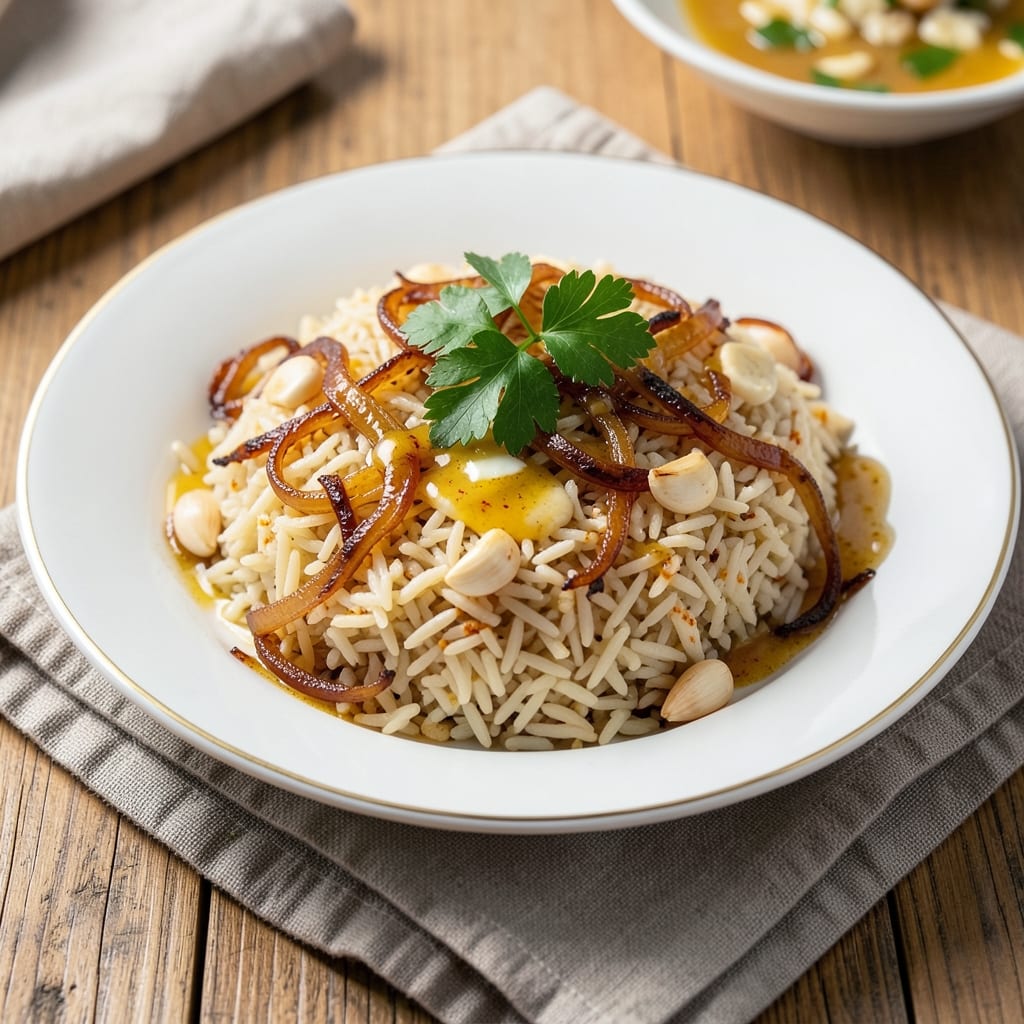
This 5-star rice pilaf recipe transforms ordinary basmati into a restaurant-worthy centerpiece with golden, crispy edges and fragrant saffron threads. The secret lies in toasting spices until they sing, then layering aromatics to build depth before the rice absorbs the flavors like a sponge. I've perfected this technique over years of testing—no more mushy grains or bland pilafs here.
What sets this apart is the two-step cooking method: first, a crispy base of onions and garlic creates texture, then the rice cooks in a flavorful broth until each grain is distinct yet tender. Saffron infuses the dish with its signature floral aroma, while a touch of lemon zest at the end brightens every bite. The result? A pilaf so elegant it belongs on a fine-dining table, yet simple enough for weeknight dinners.
Each grain maintains its shape while absorbing the rich, herby broth—no more sticky clumps or undercooked centers. The crispy edges add a satisfying contrast to the tender interior, and optional proteins like shrimp or mushrooms elevate it to main-dish status. This isn't just rice; it's a showstopper that pairs beautifully with grilled meats or stands alone as a luxurious side.
For that final touch, toasted nuts or fresh herbs add visual appeal and texture, while a drizzle of olive oil ties everything together. The technique is straightforward, but the results are undeniably restaurant-quality—crispy, aromatic, and impossible to resist. Let's get cooking.
Ingredients for 5 star rice pilaf
Restaurant-quality pilaf begins with these 14 ingredients—each playing a precise role in texture and aroma.
| Ingredient | Amount | Notes |
|---|---|---|
| Long-Grain Basmati Rice 🍚 | 1 ½ cups | Uncooked, rinsed thoroughly |
| Yellow Onions 🧅 | 1 whole | Thinly sliced for crispy base |
| Garlic Cloves 🧄 | 6 cloves | Minced, for aromatic foundation |
| Saffron Threads 🌼 | ¼ tsp | High-quality, for floral aroma |
| Vegetable Broth 💧 | 2 ½ cups | Low-sodium, homemade preferred |
| Unsalted Butter 🧈 | 3 tbsp | European-style for higher fat |
| Extra-Virgin Olive Oil 🫒 | 2 tbsp | For crispy edges and richness |
| Ground Cumin 🌿 | ½ tsp | Toasted for deeper flavor |
| Ground Coriander 🌿 | ½ tsp | Freshly ground preferred |
| Turmeric Powder 🌶️ | ¼ tsp | For vibrant color and earthiness |
| Salt 🧂 | 1 tsp | Diamond Crystal kosher preferred |
| Lemon Zest 🍋 | 1 tbsp | Fresh, for bright finishing touch |
| Fresh Parsley 🌿 | ¼ cup | Chopped, for vibrant garnish |
| Toasted Slivered Almonds 🥜 | ¼ cup | For crunchy texture contrast |
The basmati rice is non-negotiable—look for Calrose or Carolina varieties at Whole Foods or Middle Eastern markets for optimal grain separation. Saffron is the most expensive ingredient, so splurge on Iranian saffron threads from Penzeys or Spicewalla; the deep red color signals potency. For the onions, yellow onions with firm, dry skins work best—avoid sweet varieties like Vidalia. The vegetable broth should be homemade if possible, but Pacific Foods or Imagine low-sodium brands are excellent shortcuts. European-style butter (like Plugrá or Kerrygold) contains more fat, which is crucial for those crispy edges.
No saffron? Turmeric plus a pinch of paprika mimics the color (though lacks floral aroma), or use ½ tsp safflower petals as a budget alternative. Fresh herbs can be swapped for dried at ⅓ the amount, but nothing beats the brightness of fresh parsley or cilantro. The toasted almonds are optional but add critical texture—Trader Joe's sells pre-toasted in the nut aisle, or toast your own with 1 tsp brown sugar for extra caramelization. For the spices, toast whole cumin and coriander seeds in a dry pan for 30 seconds before grinding for deeper flavor; pre-ground spices won't have the same impact. Lemon zest is essential for brightness—use a microplane for fine, even strips.
Store uncooked rice in an airtight container in a cool, dark place for up to 6 months. Once cooked, pilaf reheats beautifully—cover with foil and warm in a 350°F oven for 15 minutes to restore crispy edges. Saffron-infused broth can be prepped ahead and stored in the fridge for 3 days or frozen for 3 months. For make-ahead convenience, cook the pilaf 1 day in advance—the flavors deepen overnight. Leftovers keep for 4 days in the fridge, though the texture softens slightly. To revive, sprinkle with 1 tsp olive oil and toast in a skillet for 2 minutes.
Why You'll Love This Recipe
- One-Pot Magic: I swear by this—just toss everything in one pan, stir, and walk away. No fancy layers, no stressing over separate pots. The saffron steeps right into the broth while the onions caramelize, and by the time the rice is done, your kitchen’s cleaner than if you’d used five dishes.
- Golden Threads Glow: That tiny pinch of saffron? It’s the star. The rice turns this stunning golden hue, and the flavor—warm, earthy, with a hint of floral sweetness—makes every bite feel like a little celebration. Honestly, I’ve tried expensive rice blends, but nothing beats the real deal here.
- Weeknight to Party: Same recipe, totally different vibes. Serve it with grilled chicken for a Tuesday dinner, or pile it high on a platter with roasted veggies for guests. The basmati’s long grains stay separate, so it’s elegant enough for company but simple enough to throw together when you’re exhausted.
- Leftovers That Don’t Suck: Between us, most rice turns into a sad, gluey mess after day two. Not this. The broth keeps it moist, and the garlic-onion base adds depth, so it’s just as good cold in salads or reheated with a splash of water. Plus, it’s cheap to make—this feeds four for under $8.
Step-by-step instructions for golden crispy rice pilaf
Mastering this technique delivers restaurant-quality texture and aroma every time.
Sauté Aromatics Until Deeply Fragrant
Heat the 2 tablespoons extra-virgin olive oil and 3 tablespoons unsalted butter in a heavy-bottomed skillet over medium heat. Add the 1 whole yellow onions, sliced thinly, and cook for 8-10 minutes until they turn a rich golden brown and begin to caramelize at the edges. This step builds the pilaf's foundational flavor.
Stir in the 6 cloves minced garlic, 0.5 teaspoon ground cumin, 0.5 teaspoon ground coriander, and 0.25 teaspoon turmeric powder. Cook for another 1-2 minutes until the spices are fragrant and the garlic releases its aroma. This aromatic base is crucial for developing the pilaf's complex flavor profile.
Bloom the Saffron and Toast the Rice
Remove the skillet from heat and immediately add the 0.25 teaspoon saffron threads to the aromatic mixture. Let it steep for 5 minutes while covered - this releases the saffron's floral notes and vibrant color. Return the skillet to medium heat and add the 1.5 cups long-grain basmati rice, stirring to coat the grains evenly with the spiced oil.
Toast the rice for 2-3 minutes until it becomes translucent at the edges. This step prevents the rice from becoming mushy and creates the crispy texture you're aiming for. The rice should look slightly glossy but not browned - this indicates proper toasting.
Deglaze and Add Broth
Pour in the 2.5 cups vegetable broth all at once, stirring gently to combine. The liquid should just cover the rice - you want the grains to be submerged but not swimming. Bring to a gentle simmer, then reduce heat to low. The key here is to maintain a very gentle bubble - you should see just a few small bubbles breaking the surface occasionally.
Cover the skillet tightly with a lid and cook for 15 minutes without disturbing it. This initial cooking period allows the rice to absorb the initial broth and develop its basic texture. After 15 minutes, check the rice - it should be tender but still have a slight bite in the center.
Finish with Lemon and Garnish
Remove the skillet from heat and let it sit covered for 5 minutes. This resting period allows the rice to finish cooking evenly. Stir in the 1 tablespoon lemon zest and 1 teaspoon salt, distributing them evenly throughout the rice. The acidity from the lemon zest brightens the flavors and balances the richness of the butter.
Transfer the pilaf to a serving dish and garnish with the 0.25 cup chopped fresh parsley and 0.25 cup toasted slivered almonds. The parsley adds freshness while the almonds provide a delightful crunch that contrasts beautifully with the tender rice. Serve immediately while the edges remain crisp and the saffron aroma is at its peak.
Pro Tips For Making 5 Star Rice Pilaf
- TOAST THE ONIONS LOW: I learned this the hard way—basmati rice needs caramelized onions, not burned ones. Cook them over medium-low heat for 12-15 minutes until deep golden, stirring occasionally. The patience pays off with flavor that lingers in every grain.
- SOAK THE RICE 30 MINUTES: Skip the rush: give your basmati a proper 30-minute soak in warm water before cooking. This evens out the starch, prevents mushiness, and guarantees those signature long, fluffy grains. (Yes, even if you're impatient like me.)
- STEAM DON’T BOIL: After adding broth, bring to a boil once to activate the rice, then immediately reduce to the lowest possible heat. Cover tightly and let the steam do the work—no peeking, no stirring. Too much heat = gluey rice.
- SAFFRON HACK: INFUSE OIL: Instead of tossing saffron threads directly into the broth (where they often clump), steep them in 2 tablespoons of warm oil for 5 minutes first. The color and aroma will be richer, and you won’t waste precious threads. (Your future self will notice the difference.)
Troubleshooting this recipe
Mushy Rice Fix
If your rice turns out mushy, it’s usually from overcooking or insufficient toasting. First, ensure you’re toasting the rice in the oil for 2-3 minutes until translucent—this builds a protective barrier. When adding broth, use 2.5 cups (just enough to cover the rice), not more. If it still turns out mushy, try reducing the broth by ¼ cup next time. For immediate rescue, stir in 1 tablespoon cold butter or 1 teaspoon lemon juice—both help tighten the grains. 💡
Uneven Cooking
Uneven cooking often happens when heat isn’t distributed evenly. Use a heavy-bottomed skillet (like All-Clad or Le Creuset) to prevent hot spots. After adding broth, reduce heat to low and maintain a gentle simmer—you should see only a few small bubbles. If the edges cook faster, stir once after 10 minutes to redistribute heat. For extra insurance, cover the skillet with a towel-lined lid to trap steam evenly. ⏰
Broth Absorption Issues
If the broth absorbs too quickly or leaves rice dry, adjust the liquid-to-rice ratio. For 1.5 cups basmati, 2.5 cups broth is ideal, but if your rice absorbs faster, reduce to 2 cups. Conversely, if the rice stays undercooked, add 2-3 tablespoons warm broth at the 10-minute mark. Always use low-sodium broth—excess salt can draw out moisture prematurely. 💧
Saffron Color Fading
Saffron’s vibrant color fades when exposed to light or heat for too long. Bloom the saffron in warm (not hot) broth for 5 minutes off the heat, then return to low heat. Avoid boiling—it destroys the delicate floral notes and deepens the color. For extra potency, steep saffron in 2 tablespoons warm water for 10 minutes before adding to the broth. 🌼
Crispy Edges Lost
Crispy edges require high heat at the start and finish. After cooking, transfer the pilaf to a preheated baking dish and broil for 2-3 minutes to restore crispiness. Alternatively, spread the pilaf on a tray and broil for 1 minute under the broiler. For prevention, use a heavy skillet (like Lodge cast iron) and avoid stirring too often while cooking. 🔥
Spices Too Strong
If spices overpower the dish, balance them with acid (lemon zest) or sweetness (a pinch of sugar). For future batches, reduce spices by ¼ teaspoon and toast them longer to deepen flavor without intensity. If the cumin or coriander tastes harsh, it may be old—replace with freshly toasted whole seeds ground just before cooking. 🌿
Nutrition facts
Frequently asked questions
Can I substitute jasmine rice for basmati in this recipe?
You can try, but basmati is ideal for its distinct grain separation and nutty flavor. Jasmine rice will give a slightly sweeter, stickier texture. For best results, use 1.25 cups jasmine rice and reduce broth to 2 cups—jasmine absorbs liquid faster. Toast the rice longer (3-4 minutes) to prevent mushiness.
How do I make this pilaf vegetarian?
Skip the optional protein and boost the dish with 1 cup diced mushrooms or ½ cup chickpeas sautéed with the onions. Add ½ teaspoon smoked paprika for depth. For extra richness, stir in 2 tablespoons tahini at the end. The saffron and lemon zest will keep it vibrant and flavorful.
Why does my pilaf turn out dry even with the right broth ratio?
Dry pilaf usually means overcooking or insufficient liquid. First, ensure your broth isn't too salty—excess salt draws out moisture. If using a high-altitude oven, reduce heat slightly and cover tightly. For immediate rescue, fluff the rice with a fork and stir in 2 tablespoons warm water or broth to restore moisture.
Can I make this ahead of time?
Yes! Cook the pilaf 1 day ahead—flavors deepen overnight. Store in an airtight container at room temperature. Reheat gently in a skillet with 1 tablespoon butter over low heat for 5 minutes, then broil for 2 minutes to restore crispy edges. Avoid microwaving—it makes rice gummy.
What’s the best way to reheat leftovers?
Spread leftovers on a baking sheet and broil for 3-4 minutes to revive crispy edges. For stovetop reheating, use low heat with a splash of broth or water—never high heat, or the rice will dry out. Add a pat of butter at the end to restore richness. Garnish with fresh parsley after reheating to keep it vibrant.