
Main Courses
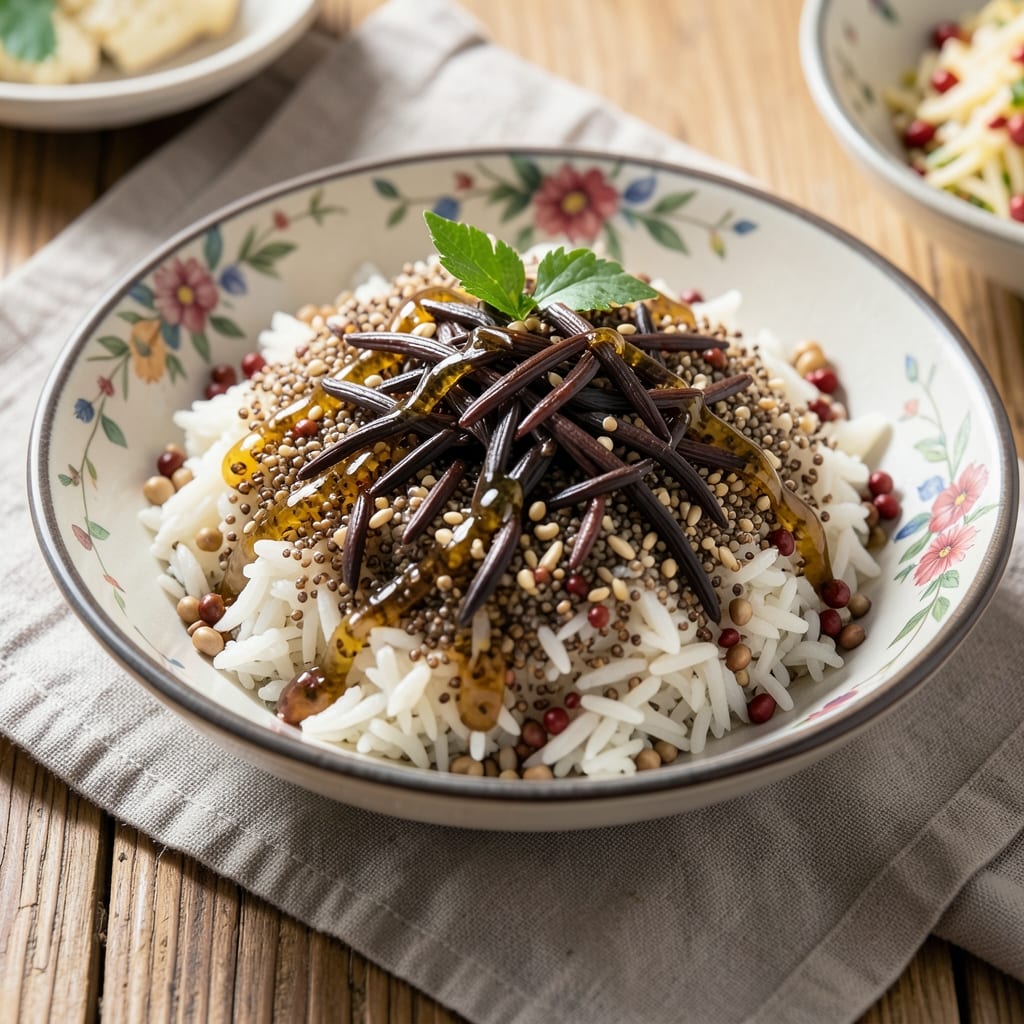
This 7-grain rice recipe transforms simple grains into a nutty, textured masterpiece that elevates any meal. The blend of rice, quinoa, barley, and more creates a hearty base with chewy bites and earthy depth—perfect for pilafs, bowls, or salads. I developed this recipe after years of experimenting with grain combinations, and it never fails to impress. The key to success lies in proper soaking and simmering times for each grain, ensuring they cook evenly without becoming mushy. With a 30-minute active prep and 45-minute simmer, you'll have a restaurant-quality side dish that's both nutritious and satisfying. The grains absorb flavors beautifully, making this an ideal foundation for curries, stir-fries, or even as a standalone vegetarian main. What sets this recipe apart is its versatility—gluten-free if using certified grains, packed with plant-based protein, and adaptable to countless cuisines. The nutty, slightly chewy texture contrasts beautifully with tender meats or fresh vegetables, while the earthy flavors balance rich sauces effortlessly. Whether you're meal prepping for the week or serving a crowd, this one-pot method delivers foolproof results every time. Let's get cooking!
Ingredients for 7 grain rice
Eight distinct grains and aromatic essentials create this restaurant-quality 7-grain blend.
| Ingredient | Amount | Notes |
|---|---|---|
| Long-Grain White Rice 🍚 | 1 cup | Uncooked, rinsed thoroughly |
| Quinoa 🌾 | ½ cup | Rinsed to remove bitterness |
| Pearl Barley 🌾 | ½ cup | Uncooked, rinsed well |
| Brown Rice 🍚 | ½ cup | Uncooked, whole grain |
| Wild Rice Blend 🌾 | ¼ cup | Uncooked, for texture contrast |
| Basmati Rice 🍚 | ¼ cup | Uncooked, long-grain variety |
| Amaranth Grain 🌾 | ¼ cup | Uncooked, tiny but nutritious |
| Vegetable Broth 💧 | 4 cups | Low-sodium preferred |
| Yellow Onion 🧅 | 1 whole | Diced, medium size |
| Garlic Cloves 🧄 | 4 cloves | Minced, fresh preferred |
| Extra-Virgin Olive Oil 🫒 | 2 tbsp | For sautéing aromatics |
| Salt 🧂 | 1 ½ tsp | Diamond Crystal kosher salt |
| Black Peppercorns 🌶️ | ½ tsp | Freshly cracked |
| Fresh Parsley 🌿 | ¼ cup | Chopped, for garnish |
| Lemon Juice 🍋 | 1 tbsp | Freshly squeezed |
The grains are the foundation, so certified gluten-free options are ideal if avoiding gluten. Bob's Red Mill and Trader Joe's carry excellent pre-rinsed blends, but rinsing each grain individually ensures no residual starches. The wild rice and amaranth bring unique textures—wild rice stays chewy while amaranth adds a pop. For the broth, low-sodium options like Imagine or Pacific Foods prevent salt overload, though homemade is superior. The onion and garlic should be freshly diced—pre-minced versions lack flavor punch. Store grains in airtight containers to preserve freshness.
No quinoa? Substitute buckwheat groats at equal measure, though texture differs slightly. Short on amaranth? Use extra wild rice or millet. The olive oil can be swapped for avocado oil, but extra-virgin is non-negotiable for flavor. For a richer profile, add 1 tbsp toasted sesame oil at the end. If you prefer a nuttier finish, toast the grains in the pot for 2 minutes before adding liquid. The lemon juice brightens the dish—skip if pairing with citrusy sauces.
This blend reheats beautifully—simmer with 2 tbsp fresh broth to restore moisture. Stores for 5 days in the fridge or 3 months frozen. For meal prep, divide into glass containers with tight lids. The grains hold up well to freezing, though wild rice may soften slightly. Garnish with parsley just before serving to maintain vibrant color. Portion into individual servings before freezing for easy reheating.
Why You'll Love This Recipe
- I’ll be real: wild rice and quinoa aren’t cheap, but this recipe stretches them across five grains, so you’re not breaking the bank. The white rice and barley keep costs down, and a big batch feeds my family for days. Plus, the longer grains (like the wild rice blend) make you feel fancy without the price tag. Win-win.
- One-Pot Magic: I swear by this—just toss all five grains into a single pot with broth, stir once, and walk away. No measuring cups for each grain, no separate pans, no stress. The barley and wild rice take their time, but the white rice and quinoa come along for the ride, so you’re not waiting around.
- Nutty, Toasty, Rich: Honestly, the flavor profile is what makes this worth repeating. The wild rice adds that deep, almost smoky bite, while the quinoa brings a bright, poppy crunch. Pearl barley? It’s the secret—it softens just enough to soak up every bit of sauce or broth you pour over it later. (Yes, even on a Tuesday night.)
- Meal Prep MVP: Between us, this is my go-to for lunches all week. The grains hold up perfectly in the fridge—no soggy quinoa here—and the texture changes just enough each day to keep it interesting. Toss it with roasted veggies one day, shredded chicken the next, or just eat it straight with a fried egg. It’s that adaptable.
Step-by-step instructions for 7-Grain rice with nutty complexity
This method transforms seven distinct grains into a harmonious blend with perfect texture and depth.
Prepare the Grains for Even Cooking
Begin by rinsing each grain separately in a fine-mesh strainer under cold water. The long-grain white rice, quinoa, pearl barley, brown rice, wild rice blend, basmati rice, and amaranth grain all require thorough rinsing to remove excess starch that can make the finished dish gummy. Pay special attention to the amaranth grain—its tiny size means it needs extra rinsing to prevent clumping.
After rinsing, combine all grains in a large mixing bowl. Give them a gentle toss with your hands to ensure even distribution. This step guarantees that each grain cooks uniformly, preventing some varieties from becoming mushy while others remain undercooked. The wild rice blend and pearl barley will take the longest to cook, so this preparation is crucial for achieving balance in texture.
Sauté Aromatics to Build Flavor Foundation
Heat the 2 tbsp extra-virgin olive oil in a large, heavy-bottomed pot over medium heat. Add the diced yellow onion and cook for 5 minutes, stirring occasionally, until softened and translucent. This step develops the base flavor without browning the onions too deeply.
Add the minced garlic cloves and cook for an additional 1 minute until fragrant. The garlic should sizzle gently but not burn—this releases its sweet, aromatic oils. Immediately add the combined grains to the pot, stirring to coat them evenly in the onion-garlic mixture. This ensures every bite carries the foundational flavor before the grains absorb the broth.
Toast the Grains for Enhanced Nutty Depth
Increase heat to medium-high and toast the grains for 3-4 minutes, stirring constantly with a wooden spoon. You'll notice the grains begin to release their natural oils and develop a subtle golden hue. This toasting step is essential—it enhances the nutty flavors of the pearl barley, wild rice blend, and amaranth grain, while preventing the long-grain white rice from becoming pasty.
Watch carefully—the grains should smell toasty and aromatic, not burnt. If they begin to darken too quickly, reduce the heat to medium. This step takes practice, but the reward is a dish with complex, toasted notes that elevate the final product beyond simple steamed grains.
Simmer with Broth for Perfect Texture
Pour in the 4 cups vegetable broth and bring the mixture to a gentle boil. Once boiling, reduce heat to low and cover the pot with a tight-fitting lid. Let the grains simmer for 30 minutes, then check for doneness. The pearl barley and wild rice blend will need the full time, while the long-grain white rice and basmati rice will cook faster.
After 30 minutes, taste one of the larger grains like the pearl barley. It should be tender but still offer a slight resistance when bitten—this indicates it's nearly done. If needed, add 2-4 tablespoons of water and continue simmering for another 10-15 minutes, checking periodically. The grains should absorb all the liquid, leaving them moist but not mushy. The amaranth grain will soften last due to its small size, so resist the urge to add more liquid at this stage.
Finish with Seasoning and Brightness
Once all grains are tender, remove the pot from heat and let it sit covered for 5 minutes. This resting period allows the grains to fully absorb any remaining moisture and develop their final texture. Stir in the 1.5 tsp salt, 0.5 tsp freshly cracked black peppercorns, and 1 tbsp freshly squeezed lemon juice. The lemon juice brightens the earthy flavors and cuts through the richness of the grains.
Garnish with the 0.25 cup chopped fresh parsley just before serving. The parsley adds a fresh contrast to the nutty, toasted flavors while enhancing the visual appeal. Serve immediately while the grains are still warm and the textures are at their peak—each bite should offer a delightful interplay of chewy pearl barley, fluffy long-grain white rice, and the delicate crunch of amaranth grain. This method ensures every grain contributes its unique texture while harmonizing into a cohesive, restaurant-quality dish.
Pro Tips For Making 7 Grain Rice
- TOAST THE GRAINS FIRST: I learned this the hard way—skipping the toasting step means your brown rice and quinoa will taste raw and dull. Dry-toast each grain separately in a pan (5-7 minutes) until fragrant, then add liquid. The nuttier flavor makes the whole dish sing—especially the wild rice blend, which needs that extra attention.
- SORT BY COOK TIME: Pearl barley takes 45 minutes; white rice is done in 15. If you mix them all in one pot, you’ll either have mushy barley or undercooked rice. Cook the longer grains first, then add the rest. I use a rice cooker for this—it handles the timing better than I do.
- USE TWICE THE BROTH: Seven grains soak up liquid like sponges, and broth evaporates fast. Don’t skimp—double the recipe’s liquid (or even triple if you’re nervous). The wild rice blend especially needs extra moisture, or it’ll turn into a dry, chewy mess. Stir halfway through to guarantee even cooking.
- STIR THE WILD RICE: Wild rice blend is stubborn—it likes to clump and stick to the pot. After the first 10 minutes, give it a good stir with a wooden spoon. I was skeptical until I tried it: no more gummy pockets, and the grains stay separate. (Yes, even if you’re impatient like me.)
Pro cooking tips for great 7 grain rice
Grain Prep Mastery
Rinsing each grain individually is non-negotiable—especially the amaranth and quinoa, which contain natural saponins that create bitterness. Use a fine-mesh strainer and cold water, rubbing grains between your fingers to remove all starch. I swear by the OXO Good Grips strainer for this step—it’s wide enough to handle the volume without clogging. 💧
After rinsing, give the grains a quick 30-second dry shake in the bowl to break up any stubborn clumps. This ensures even cooking and prevents texture inconsistencies. The wild rice and pearl barley are the slowest cooks, so this prep step prevents them from turning mushy while faster grains like basmati rice finish perfectly.
Toast Like a Pro
The 3-4 minute toast at medium-high heat is where flavor magic happens. Use a wooden spoon to stir constantly—metal spoons can scratch your pot and release unwanted iron flavors. Watch for the pearl barley to develop a golden hue and release nutty aromas. If it starts browning too quickly, immediately reduce to medium heat—burnt grains ruin the whole dish. 🔥
Pro tip: Toast the grains in batches if your pot is small. Spread them out in a single layer to ensure even browning. The amaranth will toast fastest due to its tiny size, so keep a close eye on it. This step builds depth that steaming alone can’t match.
Broth Balance Secrets
Using low-sodium vegetable broth prevents blandness while keeping the dish healthy. Brands like Imagine or Pacific Foods are my go-tos—they’re flavorful without overwhelming the grains. For extra richness, I sometimes add 1 tbsp toasted sesame oil at the end, but only if the dish isn’t paired with Asian-inspired sauces. 🌾
After the initial 30-minute simmer, check doneness by tasting the pearl barley. It should be tender but still have a slight bite. If it’s mushy, you’ve added too much liquid—this is the #1 rookie mistake. Instead, add 2 tbsp water at a time and simmer uncovered for 5 minutes between checks.
Resting and Finishing
The 5-minute rest after cooking is crucial—it lets the grains reabsorb moisture and develop their final texture. During this time, I like to tent the pot loosely with a clean kitchen towel to trap steam without trapping humidity. This prevents condensation from making the grains soggy. ✨
Finish with the lemon juice and black pepper right before serving. The acidity brightens the earthy grains, while the pepper adds a subtle warmth. Garnish with parsley just before eating—this herb wilts quickly, so timing is everything. The contrast of fresh herbs against the toasted grains is what makes this dish feel restaurant-worthy.
Nutrition facts
Frequently asked questions
Can I substitute any of the grains in this 7-grain blend?
For a 1:1 swap, replace quinoa with buckwheat groats or millet, and use extra wild rice if you're short on amaranth. The key is maintaining balance—stick to ½ cup total substitutions to preserve texture harmony. Avoid swapping basmati or white rice for short-grain varieties, as they cook differently and can make the blend too sticky.
How do I adjust this recipe for a larger crowd?
Double all ingredients and use a 6-quart pot for even cooking. The critical ratio is 1 cup total grains to 2 cups broth. For 8+ servings, divide the mixture into two pots to prevent overcrowding. Cook each batch separately for 35-40 minutes to ensure even doneness—larger batches need slightly more time.
Why did my grains turn out mushy instead of chewy?
Mushiness usually means one of three things: too much liquid, uneven cooking, or skipping the rest time. Always check doneness by tasting the pearl barley—it should hold its shape. If using a lid, leave a small gap to allow steam to escape during the final 10 minutes of cooking. For extra insurance, simmer uncovered for the last 5 minutes.
Can I make this ahead of time for meal prep?
Yes! This blend reheats beautifully. Store in an airtight container in the fridge for 5 days or freeze for 3 months. For reheating, add 2 tbsp broth per cup of grains and simmer for 5-7 minutes until heated through. The textures hold up well, though wild rice may soften slightly after freezing—this is normal and safe to eat.
What are the best ways to serve this 7-grain blend?
This versatile blend works as a standalone vegetarian main, pilaf base, or hearty side. Try it under grilled chicken, alongside roasted vegetables, or as a cold salad base** with toasted nuts and vinaigrette. For extra flair, top with crumbled feta, avocado slices, or a spicy harissa drizzle. The nutty texture pairs perfectly with Mediterranean or Middle Eastern dishes.