
Sauces & Condiments
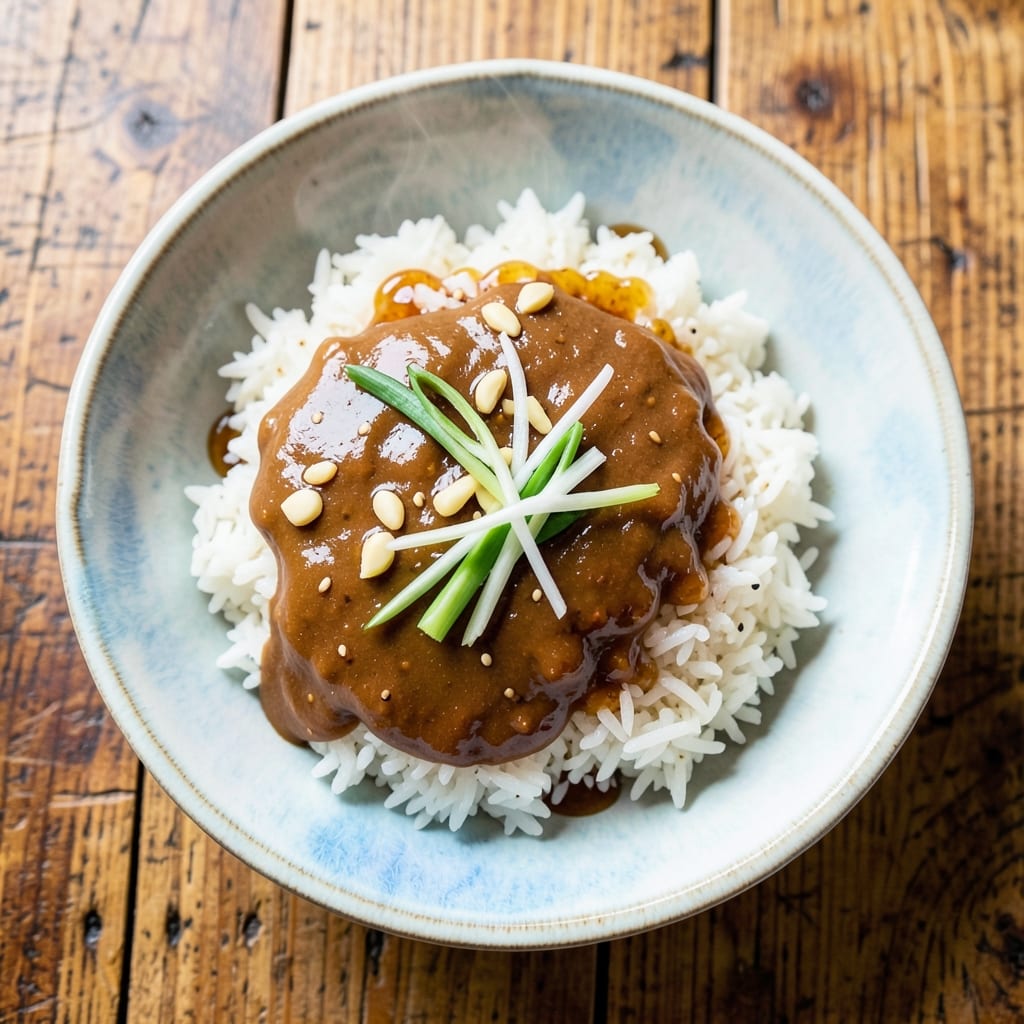
This Asian rice bowl sauce recipe transforms ordinary grains into a symphony of flavors—where umami-rich soy meets bright ginger, aromatic garlic, and a touch of sweetness. The secret lies in balancing these elements precisely, creating a sauce that clings perfectly to rice, proteins, and vegetables while enhancing every bite. With just 10 minutes of prep and 5 simple ingredients, you’ll have a versatile sauce that elevates any bowl, from quick lunches to restaurant-quality dinners.
What sets this sauce apart is its adaptability—use it as a dipping sauce, a rice glaze, or a marinade for proteins. The sauce keeps well in the fridge for up to 5 days, making it ideal for meal prep. Whether you're serving grilled chicken, steamed veggies, or tofu, this umami-packed sauce ties everything together with a perfect harmony of sweet, spicy, and tangy notes. Ready to elevate your rice bowls? Let’s make it.
Ingredients for asian rice bowl sauce
Five ingredients plus a few finishing touches—this sauce is the secret weapon for restaurant-quality rice bowls.
| Ingredient | Amount | Notes |
|---|---|---|
| Low-Sodium Soy Sauce 🍶 | ½ cup | Kikkoman preferred for balance |
| Rice Vinegar 🍶 | ¼ cup | Seasoned or unseasoned works |
| Fresh Ginger 🌿 | 2 tbsp | Finely grated, fresh preferred |
| Garlic Cloves 🧄 | 4 cloves | Minced for even distribution |
| Honey 🍯 | 2 tbsp | Or maple syrup for vegan option |
| Sesame Oil 🫒 | 1 tbsp | Toasted sesame oil for aroma |
| Red Pepper Flakes 🌶️ | ½ tsp | Adjust for spice preference |
| Sesame Seeds 🌰 | 1 tsp | Toasted for garnish and crunch |
| Green Onion 🧅 | 2 whole | Thinly sliced for garnish |
The soy sauce is your umami foundation—Kikkoman is my go-to because it’s balanced and widely available, but any low-sodium brand works. Ginger and garlic need to be fresh here; jarred ginger lacks the punch, and pre-minced garlic can taste dull. Grab a small piece of ginger root and a few cloves at the store—Trader Joe’s usually has great pre-grated ginger if you’re short on time. For the honey, local raw honey adds depth, but store-bought works too. If you’re avoiding sugar, maple syrup is a perfect swap—just reduce the vinegar slightly to balance the sweetness.
No sesame oil? Neutral oil plus a pinch of toasted sesame seeds mimics the aroma, though it won’t have the same depth. Red pepper flakes can be swapped for gochugaru (Korean chili flakes) for a fruitier heat, or skip entirely if you prefer mild. The sesame seeds and green onion are purely for garnish, but tossing them in while the sauce simmers lets their flavors meld slightly—worth the extra minute. For a nutty depth, add 1 tsp of toasted sesame paste (or tahini) to the sauce while heating.
This sauce keeps like a dream—up to 5 days in an airtight jar in the fridge. The flavors actually improve overnight as everything melds. For meal prep, make a double batch and store in small containers; it’s perfect for drizzling over rice, tossing with proteins, or even as a quick marinade. If it thickens too much, just whisk in a splash of water. The sesame oil can separate, so give it a quick stir before using—no need to shake it like salad dressing.
Why You'll Love This Recipe
- Five-Ingredient Magic: I swear by this combo—soy sauce, vinegar, ginger, garlic, and honey—because it’s the bare minimum to get real flavor without fuss. Honestly, I keep these in my pantry just for this: a quick simmer, a splash of water, and boom, sauce ready. No fancy techniques, no stress.
- Umami Sweet Spot: That honey cutting through the salty soy? Chef’s kiss. The ginger adds a little zing, while the garlic keeps it bold but balanced—like a hug for your taste buds. It’s the kind of sauce that makes even plain rice feel like a restaurant dish.
- Meal Prep MVP: I make a big batch on Sundays and toss it in the fridge—drizzle on bowls, stir into noodles, even glaze chicken. It’s my go-to for busy nights because it turns whatever you’ve got into something special. (Yes, even on a Tuesday night.)
- Budget-Friendly Staple: Fresh ginger and garlic might seem like extras, but they stretch this sauce further than store-bought versions. A little goes a long way, and it’s way cheaper than takeout. Plus, it keeps for weeks, so I’m always covered. My wallet thanks me.
Step-by-step instructions for Asian rice bowl sauce
This sauce comes together in minutes but delivers restaurant-quality depth—sweet, tangy, and packed with umami.
Mince Garlic and Grate Ginger
Start by mincing the 4 cloves garlic cloves into tiny, even pieces using a sharp knife or garlic press. The smaller the pieces, the more evenly they'll distribute flavor throughout the sauce. Next, use a microplane or fine grater to create 2 tablespoons finely grated fresh ginger. You want the texture to be smooth—no visible strings or chunks. Fresh ginger adds that bright, zesty kick that freezes up the sauce.
I like to press the grated ginger between my fingers to release any trapped oils—this boosts the flavor. Set both aside in separate bowls. If you're using pre-minced garlic or jarred ginger, drain it well to avoid watery sauce. The goal here is to maximize surface area so these aromatics infuse quickly when we cook them.
Combine Wet Ingredients
In a small saucepan, whisk together the 0.5 cup low-sodium soy sauce and 0.25 cup rice vinegar. The soy sauce provides that deep umami foundation, while the rice vinegar adds the necessary tang. Bring this mixture to a gentle simmer over medium heat, then immediately reduce to the lowest possible heat—just enough to maintain a barely-there bubble.
Watch carefully as the mixture heats. You'll see tiny bubbles breaking the surface, but don't let it boil vigorously—we're not making a reduction here, just gently warming the base. This step takes about 3-4 minutes. The vinegar's acidity will make the sauce smell bright and clean, but we'll round out those flavors with the honey and sesame oil next.
Add Honey and Sesame Oil
Remove the saucepan from heat and stir in the 2 tablespoons honey and 1 tablespoon sesame oil. The honey will dissolve into the warm liquid, creating a glossy sheen and adding that perfect balance of sweetness. The sesame oil, especially toasted sesame oil, carries nutty, toasty aromas that elevate the entire sauce. Give it a quick stir to distribute evenly—you'll notice the sauce immediately thicken slightly.
This is where the magic happens. The combination of sweet, salty, and nutty flavors starts to come together. If you taste it now, you'll get a preview of the finished product—bright, balanced, and complex. The honey also helps mellow out the acidity from the rice vinegar, creating that perfect harmony. Return the pan to low heat if needed to keep it warm while you prepare the remaining ingredients.
Incorporate Aromatics and Spice
Add the minced garlic and grated ginger to the saucepan, then sprinkle in the 0.5 teaspoon red pepper flakes. Stir constantly over low heat for 2-3 minutes—just until the raw garlic smell disappears and the mixture becomes fragrant. You're looking for a gentle aroma that's savory, slightly spicy, and bright from the ginger. If the sauce starts to thicken too much, add 1 teaspoon water to loosen it.
Here's the thing—don't walk away. Garlic burns in seconds, and once it turns bitter, there's no fixing it. Keep your eye on the pan and stir frequently. The red pepper flakes will infuse heat gradually, so you won't get an immediate burn. If you prefer less spice, you can reduce this to 0.25 teaspoon now or adjust to taste at the end.
Finish and Garnish
Remove the sauce from heat and let it cool for 5 minutes. This resting period allows all the flavors to meld together. Once cooled, taste and adjust the seasoning—you might want to add a touch more honey for sweetness, a splash of rice vinegar for tang, or a pinch of salt to balance. The sauce should coat the back of a spoon with a glossy finish and a perfect balance of all the flavors.
Just before serving, stir in 1 teaspoon toasted sesame seeds and 2 whole green onion, thinly sliced. The sesame seeds add texture and a nutty finish, while the green onion brings freshness. Serve immediately over steamed rice with your choice of protein and vegetables. This sauce keeps well in the fridge for up to 5 days, so you can make a big batch for the week ahead.
Pro Tips For Making Asian Rice Bowl Sauce
- SIMMER LOW AND SLOW: This sauce isn’t a race—keep the heat at a bare simmer after combining ingredients. I used to crank it up, and the garlic would burn before the flavors melded. A gentle bubble (you should barely see movement) lets the ginger and garlic infuse properly without bitterness.
- PEEL GINGER THINLY: Skip the thick chunks unless you want a chewy texture. Use a spoon to scrape off just the pale yellow skin, then slice paper-thin (1-2mm). This maximizes surface area for flavor release—no one wants to taste raw ginger in their sauce.
- TASTE AS YOU GO: After adding soy sauce and vinegar, take a sip (yes, really) before adding honey. The balance shifts fast, and you might need less sweetness if your vinegar is tangy. I learned this the hard way—once I ended up with a sauce that tasted like a dessert glaze.
- USE GARLIC OIL: Sauté minced garlic in 1 tsp neutral oil for 30 seconds until fragrant but not brown. Add this to the sauce later—it prevents the garlic from turning bitter during simmering. (Bonus: The oil carries flavor deeper into the rice bowl.)
Pro cooking tips for great asian rice bowl sauce
Heat Control Secrets
Low and slow is your friend here—medium-low heat prevents burning while allowing the ginger and garlic to infuse fully. I use a small saucepan (8-inch diameter) to maximize surface area for even heating. If your burner runs hot, reduce heat to the lowest setting where you can barely see tiny bubbles. The sauce should never boil, or the delicate aromatics will turn bitter. 🌡️
Ginger-Garlic Mastery
Fresh ginger and garlic are non-negotiable for authentic flavor. Use a microplane for ginger to create a smooth paste—no visible fibers. For garlic, mince finely (not chop) to ensure even distribution. Pro tip: Toast the grated ginger in the dry pan for 30 seconds before adding wet ingredients to deepen its flavor. This step transforms ordinary ginger into aromatic magic. ✨
Emulsion Tricks
The sesame oil can separate if stirred too vigorously after adding. Instead, whisk gently in a figure-8 motion while the sauce is warm. For extra stability, add ½ teaspoon cornstarch mixed with 1 teaspoon water at the end and simmer for 1 minute—this creates a silky texture without altering flavor. The sauce should coat the back of a spoon with a glossy sheen. 💫
Spice Balance Hacks
Adjust heat by adding red pepper flakes gradually—start with ¼ teaspoon and taste frequently. For smoky depth, replace ½ teaspoon of the soy sauce with ½ teaspoon miso paste (white or red). If the sauce tastes too sharp, balance with ½ teaspoon sugar or a splash of rice vinegar. Always taste as you go—your bowl deserves perfect harmony. 🌶️
Storage Like a Pro
Transfer cooled sauce to an airtight glass jar (like Le Parfait) and refrigerate immediately. The sauce thickens slightly when cold—just stir in 1 teaspoon water before using. For longer storage, freeze in ice cube trays for portion control. Thaw overnight in the fridge, then reheat gently on the stovetop with 1 teaspoon water to restore consistency. ❄️
Flavor Boost Add-Ons
Want extra umami? Stir in 1 teaspoon fish sauce (like Red Boat) or ½ teaspoon oyster sauce while heating. For a fruity twist, add 1 teaspoon mango puree with the honey. The key is to taste frequently—each addition should enhance, not overpower, the sauce's balanced profile. Trust your palate! 💡
Nutrition facts
Frequently asked questions
Can I make this sauce without sesame oil?
Yes! If you don’t have sesame oil, replace it with 1 tablespoon neutral oil (like vegetable or canola) and add ½ teaspoon toasted sesame seeds at the end for aroma. For extra depth, stir in ½ teaspoon tahini while heating. The flavor won’t be identical, but it’ll still taste delicious. The key is balancing the nutty notes—just skip the sesame oil and focus on the seeds for texture.
How can I adjust the sauce for spicier or milder heat?
Start with ¼ teaspoon red pepper flakes for mild heat, then add more gradually. For extra spice, replace the flakes with ½ teaspoon gochugaru (Korean chili flakes)** or 1 teaspoon sriracha at the end. If it’s too sharp, balance with ½ teaspoon sugar or a splash of rice vinegar. Always taste as you go—this sauce is all about harmony!
Can I use this sauce as a marinade for proteins?
This sauce works perfectly as a marinade for chicken, tofu, or shrimp. Let the protein sit in the sauce for 20-30 minutes (or up to 2 hours in the fridge) before cooking. For extra tenderness, add 1 teaspoon honey to the marinade. Just don’t over-marinate—this sauce is more about flavor than tenderizing.
What’s the best way to store leftover sauce?
Transfer the cooled sauce to an airtight glass jar and refrigerate for up to 5 days. The flavors actually improve over time! If it thickens, whisk in 1 teaspoon water before using. For longer storage, freeze in ice cube trays—thaw overnight in the fridge and reheat gently with 1 teaspoon water to restore consistency.
Can I make this sauce vegan?
Easy! Swap the honey for maple syrup or agave and use coconut aminos instead of soy sauce. For extra umami, add 1 teaspoon nutritional yeast or ½ teaspoon miso paste. The sauce will still taste rich and balanced—just ensure all ingredients are plant-based.