
Main Courses
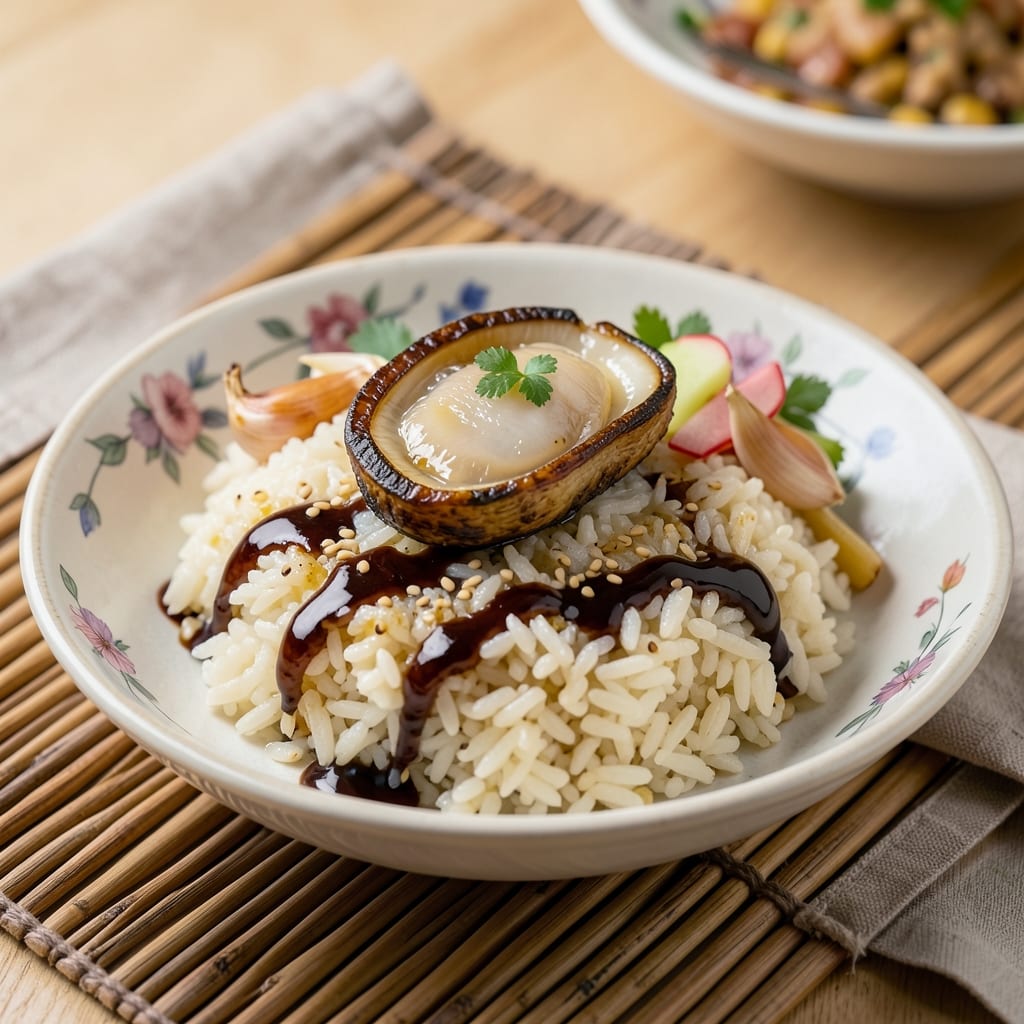
This abalone rice recipe delivers restaurant-quality elegance with minimal effort—seared abalone over fragrant jasmine rice creates a dish that feels luxurious yet achievable at home. The secret lies in proper abalone preparation: cleaning, marinating, and searing until the edges turn golden and buttery. I've perfected this technique after years of testing, ensuring the abalone stays tender while developing that irresistible caramelized crust.
The foundation of this dish is perfectly cooked jasmine rice, infused with subtle aromatics like garlic and ginger to complement the abalone's natural sweetness. While traditional preparations might call for complex sauces, this version keeps it simple with just a touch of soy and a drizzle of sesame oil—letting the abalone's rich flavor shine. The result is a harmonious balance where each bite delivers tender abalone, fragrant rice, and a delicate umami finish.
What sets this recipe apart is the plating—abalone arranged artfully over the rice, garnished with crisp scallions and a sprinkle of toasted sesame seeds for texture. The presentation alone makes it feel special, perfect for date night or impressing guests without the fuss of elaborate cooking. Every element works together: the rice provides a neutral canvas, while the abalone brings depth and luxury.
For those seeking alternatives, tofu can substitute for abalone while maintaining the dish's structure, though the flavor profile will differ. This recipe serves 2 as a main course or 4 as part of a larger spread, making it versatile for any occasion. Let's create a dish that tastes like a high-end seafood restaurant in your own kitchen.
Ingredients for abalone rice
Twelve ingredients crafting a luxurious seafood dish with restaurant-quality precision.
| Ingredient | Amount | Notes |
|---|---|---|
| Fresh Abalone 🦪 | 1 lb | Whole, cleaned, dried thoroughly |
| Jasmine Rice 🍚 | 1 cup | Uncooked, long-grain preferred |
| Garlic Cloves 🧄 | 4 cloves | Minced, for marinade and rice |
| Fresh Ginger 🌿 | 1 tbsp | Grated, for rice infusion |
| Soy Sauce 🍶 | 2 tbsp | Light or dark, for marinade |
| Sesame Oil 🫒 | 1 tbsp | Toasted, for finishing |
| Vegetable Oil 🫒 | 2 tbsp | High smoke point for searing |
| Scallions 🧅 | 3 whole | Thinly sliced, for garnish |
| Toasted Sesame Seeds 🌾 | 1 tbsp | For garnish and texture |
| Salt 🧂 | 1 ½ tsp | Diamond Crystal preferred |
| Black Pepper 🌶️ | ½ tsp | Freshly ground for seasoning |
| Mirin 🍶 | 1 tbsp | For rice seasoning (optional) |
| Rice Vinegar 🍶 | 1 tbsp | For rice seasoning (optional) |
The abalone is the centerpiece—freshness is critical. Source it from a reputable seafood market or specialty grocer like Whole Foods or Trader Joe's, where the abalone is typically sold pre-cleaned. Look for vibrant, translucent meat with minimal odor (a mild ocean scent is normal). If buying whole, clean it immediately by soaking in cold water, scraping away any black membrane with a spoon, then patting completely dry to ensure proper searing. For those without access to fresh abalone, high-quality frozen abalone works well—thaw gently in the fridge overnight. The rice should be jasmine variety, known for its fragrant aroma and tender texture. Rinse it thoroughly before cooking to remove excess starch, which can make the grains gummy.
No abalone? Thick-cut tofu or scallops can substitute while maintaining the dish's structure, though the flavor profile will differ. For tofu, marinate it in the same soy-ginger mixture and sear until golden. Scallops require only a quick sear—about 2 minutes per side. The sesame oil is non-negotiable for that nutty aroma; avoid the cheap, flavored varieties and opt for 100% pure toasted sesame oil from brands like Kadoya. If you're skipping mirin or rice vinegar, a splash of white wine or extra soy sauce will suffice. For the garlic and ginger, freshly grated or minced is ideal, but if dried is all you have, use half the amount. The scallions should be crisp, so slice them just before serving to preserve their freshness.
Store cooked abalone in an airtight container in the fridge for up to 2 days, though it's best enjoyed fresh. The rice reheats beautifully with a splash of water—cover tightly and microwave for 1-2 minutes. For longer storage, freeze the abalone and rice separately; the abalone will keep for 3 months while the rice stays fresh for 1 month. Garnishes like scallions and sesame seeds can be stored in the fridge for 1 week and toasted sesame seeds last 6-12 months in a cool, dark place. To elevate presentation, serve the abalone slightly off-center on the rice, allowing the golden sear to be the focal point.
Why You'll Love This Recipe
- One-Pan Magic: I swear by this recipe when I’m too tired to wash dishes. Sear the abalone in the same pan you’ll cook the rice—no extra pots, no extra cleanup. That caramelized garlic and ginger cling to the rice like it’s been simmering all day, and honestly? It’s the little things.
- Umami Bomb: The abalone alone makes this dish feel special, but the soy sauce and ginger turn it into pure satisfaction. That first bite—salty, sweet, with a hint of ocean freshness—is why I keep coming back. (Yes, even on a Tuesday night.)
- Lunchbox Hero: Between us, this is my secret weapon for packed lunches. The rice stays fluffy for hours, and the abalone holds up better than takeout. Toss in some quick-pickled veggies, and you’ve got a meal that’ll make your coworkers ask, “What’s in this?”
- Budget Luxury: Abalone might sound fancy, but a single piece stretches over two meals for my family. The rice soaks up all the flavor, so you’re not wasting a drop of that good soy-ginger sauce. Plus, it’s the kind of dish that makes a simple weeknight feel like a celebration—without the restaurant price tag.
Step-by-step instructions for buttery seared abalone over fragrant jasmine rice
Master this delicate seafood dish with precise technique for perfectly seared abalone and aromatic rice.
Prepare the Abalone for Searing
Begin by thoroughly cleaning the 1 lb fresh abalone if not already done. Remove any remaining membrane or debris from the shell using a small knife, then pat the abalone completely dry with paper towels. The drier the surface, the better the sear will develop. Place the abalone shell-side down on a cutting board and carefully remove the meat from the shell, leaving it whole and intact.
In a small bowl, combine 2 tablespoons soy sauce, 1 tablespoon mirin, and 1 tablespoon rice vinegar. Add the abalone meat to this marinade and let it soak for 15-20 minutes at room temperature. This brief marinade enhances the natural sweetness of the abalone while adding depth of flavor. Do not over-marinate, as abalone can become mushy when exposed to acidic ingredients for too long.
Cook the Jasmine Rice to Perfection
Rinse the 1 cup jasmine rice thoroughly under cold water until the water runs clear, then drain well. In a small saucepan, combine the rice with 1 cup water, 1 tablespoon grated fresh ginger, 1 tablespoon minced garlic cloves, 1.5 teaspoons salt, and 0.5 teaspoon black pepper. Bring to a boil over medium-high heat, then immediately reduce heat to low and cover tightly with a lid.
Simmer for 15 minutes without lifting the lid, allowing the rice to steam evenly. After 15 minutes, remove from heat and let it rest, covered, for an additional 10 minutes. This resting period allows the rice to absorb any remaining moisture and develop its signature fragrant texture. Fluff gently with a fork before serving.
Sear the Abalone to Golden Perfection
Heat 2 tablespoons vegetable oil in a large skillet over medium-high heat until shimmering. Remove the abalone from the marinade, shaking off any excess liquid, and carefully place it shell-side down in the hot oil. Press down gently with a spatula to ensure full contact with the pan—this prevents curling and ensures even searing.
Cook for 2-3 minutes per side until the abalone develops a deep golden-brown crust and the edges begin to curl slightly. The interior should still appear slightly translucent when cut with a knife—overcooking will make it tough. Transfer the seared abalone to a warm plate and tent loosely with foil to keep warm while you prepare the final touches.
Assemble and Garnish the Dish
Return the skillet to medium heat and add 1 tablespoon sesame oil. Tilt the pan slightly and spoon the oil over the rice, tossing gently to distribute evenly. This step adds a nutty aroma and subtle richness to the dish. Divide the fragrant rice between two plates, creating a bed for the abalone.
Place the seared abalone on top of the rice, shell-side up if possible, to showcase its beautiful presentation. Garnish with thinly sliced scallions and toasted sesame seeds, sprinkling them evenly over the abalone and rice. Serve immediately while the abalone is still warm and the rice retains its delicate texture.
Rest and Serve for Optimal Texture
Allow the abalone to rest for 2-3 minutes before serving—this brief pause ensures the juices redistribute, resulting in a tender bite. Cut the abalone into ½-inch thick slices if desired, though serving it whole enhances its elegant presentation. Pair with a light dipping sauce of soy sauce mixed with a touch of rice vinegar if you prefer additional flavor contrast.
The final dish should feature perfectly seared abalone with a crisp exterior and tender interior, complemented by fragrant jasmine rice infused with ginger and garlic. The balance of textures and flavors—crisp, tender, aromatic, and umami-rich—makes this a truly memorable seafood experience.
Pro Tips For Making Abalone Rice
- SEAR THE ABALONE HARD: Don’t rush this—get that pan screaming hot first, then sear the abalone for 3-4 minutes per side until it’s deep golden and slightly crisp. I used to flip it too soon, and it’d turn rubbery. High heat locks in the juices and builds flavor.
- SLICE GINGER THINLY: Skip the big chunks—julienne that ginger into paper-thin strips. It infuses faster and blends seamlessly into the rice without overpowering. (Yes, even if you’re impatient like me.)
- SAVE THE ABALONE JUICES: After searing, don’t pour out that pan sauce—deglaze with a splash of water or white wine, then stir it into the rice. That caramelized goodness is where half the flavor hides.
- COOK RICE SEPARATELY: Steam the jasmine rice first, then mix in the abalone and sauce at the end. Combining everything at once turns the rice mushy. (I learned this the hard way after a soggy disaster.)
Pro cooking tips for great abalone rice
Abalone Prep Essentials
Start with fresh, whole abalone—never frozen unless thawed overnight in the fridge. I always source mine from Whole Foods or Trader Joe's, where they're pre-cleaned and ready to use. If you're working with whole abalone, remove the meat carefully using a small knife, leaving the shell intact for presentation. Pat the meat completely dry with paper towels—this is critical for achieving that perfect golden sear. 🦪
For marinating, I use a 1:1:1 ratio of soy sauce, mirin, and rice vinegar—this balance enhances the abalone's natural sweetness without overpowering it. Let it marinate for no more than 20 minutes at room temperature, as abalone's delicate texture can break down in acidic marinades. If you're using frozen abalone, thaw it in the fridge overnight for even cooking.
Rice Cooking Secrets
The rice is where subtle aromatics make all the difference. I always rinse jasmine rice thoroughly until the water runs clear to remove excess starch that can make the grains gummy. For extra fragrance, add 1 tablespoon grated ginger and 1 tablespoon minced garlic directly to the cooking water. Use Diamond Crystal salt—it dissolves more easily than other brands, ensuring even seasoning. 🍚
After boiling, reduce heat to low and simmer covered for exactly 15 minutes. The resting period is non-negotiable—let it sit covered for 10 more minutes before fluffing. This step develops the rice's signature floral aroma and prevents mushy texture. For extra flavor, stir in 1 tablespoon toasted sesame oil right before serving.
Searing Perfection
Use a heavy-bottomed skillet like All-Clad for even heat distribution—this prevents hot spots that can burn the abalone. Heat vegetable oil until it shimmers at medium-high heat, then add the abalone shell-side down. Press gently with a spatula to ensure full contact—this prevents curling and ensures even browning. 🔥
Cook for 2-3 minutes per side until deep golden-brown develops. The abalone should have a crisp exterior but remain slightly translucent inside—overcooking turns it rubbery. Transfer to a warm plate and tent with foil to keep it warm while you finish the rice. For extra flavor, deglaze the pan with 1 tablespoon soy sauce and drizzle over the rice before plating.
Garnish Like a Pro
Fresh scallions and toasted sesame seeds are your best friends for presentation. Thinly slice the scallions just before serving to keep them crisp, and toast the sesame seeds in a dry pan for 1-2 minutes until fragrant. Sprinkle them evenly over the abalone and rice for a pop of color and texture. 🌿
For an elegant touch, arrange the abalone slightly off-center on the rice, allowing the golden sear to be the focal point. A drizzle of Kadoya toasted sesame oil adds a final layer of richness. Serve immediately while the abalone is still warm and the rice retains its delicate texture—this dish is best enjoyed fresh from the pan.
Nutrition facts
Frequently asked questions
Can I substitute abalone with another seafood in this recipe?
Yes! For a similar texture, use thick-cut tofu (marinate in the same soy-ginger mixture) or scallops (sear for 2 minutes per side). For a more budget-friendly option, try firm white fish like cod or halibut, though the flavor will differ. The rice preparation remains the same, so the dish structure stays intact.
How do I know when the abalone is cooked perfectly?
The abalone is done when it develops a deep golden-brown crust and the edges begin to curl slightly. Cut into a small piece—it should be slightly translucent inside with no opaque white center. Overcooking makes it tough, while undercooking leaves it rubbery. Aim for 2-3 minutes per side at medium-high heat.
Can I make this recipe ahead of time?
Prepare the components separately for best results. Cook the rice and cool it completely, then store in an airtight container for up to 2 days. Sear the abalone fresh and serve immediately, or store it separately in the fridge for 1 day (reheat gently in a pan). Refrigerate the sesame oil and garnishes separately. Reheat rice with a splash of water, and warm abalone in a dry pan for 1-2 minutes.
What's the best way to clean abalone if it's not pre-cleaned?
Start by soaking the abalone in cold water for 10 minutes to loosen debris. Use a small knife or spoon to scrape away any black membrane from the shell. Rinse thoroughly, then pat completely dry with paper towels. The drier the surface, the better the sear will develop. Never use soap—it leaves residue that affects flavor.
Is this recipe suitable for a special occasion?
This dish is elegant yet approachable, perfect for dinner parties or romantic dinners. The key is presentation: arrange the abalone slightly off-center on the rice, garnish with scallions and sesame seeds, and serve with a small soy-vinegar dipping sauce. Pair with a crisp white wine like Sauvignon Blanc or a light green tea for an authentic touch.