
Main Courses
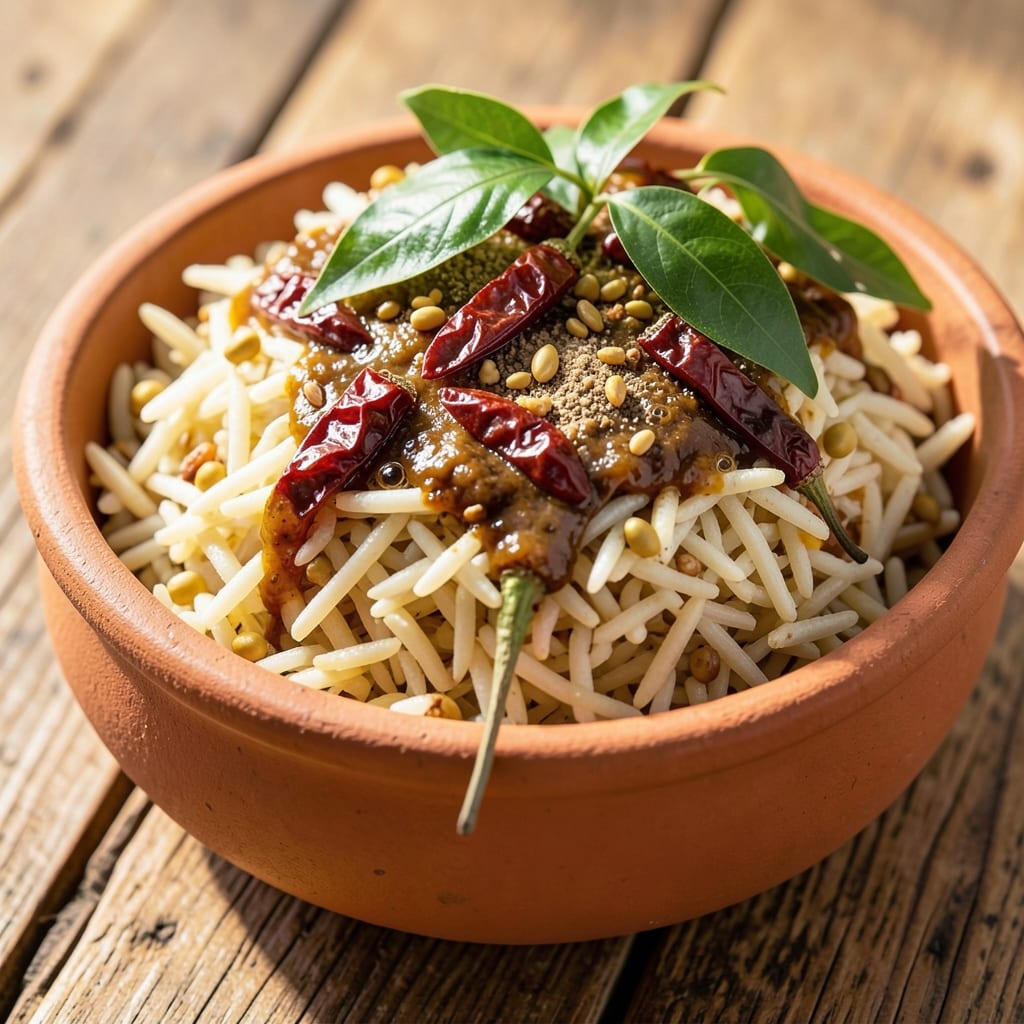
This achari rice recipe transforms simple rice into a fragrant, spice-infused masterpiece with just one pot and 45 minutes of hands-on time. The secret lies in the tempering—sautéing mustard seeds, curry leaves, and dried spices until they release their aromatic oils, then blending them with a tangy tomato-onion-tamarind chutney. Every bite delivers a balance of savory, sweet, and tangy flavors that define South Indian cuisine.
The process starts with perfectly cooked rice—either parboiled or basmati—that soaks up the vibrant achari chutney without turning mushy. What makes this dish special is the layered flavor profile: the chutney’s spiced base, the nutty aroma of tempered spices, and the fresh crunch of garnished cilantro or cashews. It’s a one-pot wonder that requires minimal cleanup but delivers restaurant-quality results.
By the end, you’ll have a dish that’s golden, fragrant, and impossibly flavorful—ready to be served with sambar, raita, or a simple cucumber salad. The key is patience during the tempering step; letting the spices bloom fully ensures they release their full depth of flavor. This recipe is perfect for weeknight dinners or special occasions when you want to impress without spending hours in the kitchen.
Once mastered, achari rice becomes a versatile staple—pair it with grilled fish, curried vegetables, or even as a standalone dish. The tangy, spiced rice keeps well for up to two days, making it ideal for meal prep. Let’s get started on creating this aromatic, one-pot South Indian classic that’s sure to become a family favorite.
Ingredients for achari rice
Just 15 ingredients transform plain rice into fragrant, spice-kissed South Indian magic.
| Ingredient | Amount | Notes |
|---|---|---|
| Long-Grain Basmati Rice 🍚 | 1 ½ cups | Uncooked, rinsed thoroughly |
| Yellow Mustard Seeds 🌶️ | 1 tbsp | Whole, for tempering |
| Curry Leaves 🌿 | ¼ cup | Fresh, packed |
| Dried Red Chilies 🌶️ | 4 whole | Kashmiri or red chili |
| Asafoetida Powder 🌿 | ¼ tsp | Hing powder, for aroma |
| Cumin Seeds 🌶️ | 1 tbsp | Toasted for depth |
| Fenugreek Seeds 🌿 | ½ tsp | Methi dana |
| Onions 🧅 | 1 whole | Medium, finely chopped |
| Tomatoes 🍅 | 2 medium | Ripe, pureed |
| Tamarind Paste 🍈 | 1 ½ tbsp | Concentrated, dissolved |
| Sugar 🍚 | 1 tbsp | White, for balance |
| Salt 🧂 | 1 tsp | Adjust to taste |
| Fresh Cilantro Leaves 🌿 | ¼ cup | Chopped, for garnish |
| Cashews 🥜 | ¼ cup | Toasted, for garnish |
| Vegetable Oil 🫒 | ½ cup | For tempering |
The spices are everything here. Whole mustard seeds and curry leaves from an Indian grocery store (like Patel Brothers or Apna Bazaar) have more punch than supermarket versions. Toast them until they sizzle—this releases their nutty aroma. For dried red chilies, Kashmiri gives a sweeter heat, but regular red works too. Fenugreek seeds add a unique bitterness, so don't skip them. The tamarind paste? Grab the concentrated kind at Asian markets—it dissolves easily and packs more tang. If you can't find it, a mix of lemon juice and brown sugar works in a pinch (but tamarind is worth hunting down).
No mustard seeds? Poppy seeds at double the amount add earthiness, though the flavor won't be identical. Fresh curry leaves? Dried leaves at half the quantity work, but they lack that signature aroma. The tomatoes can be canned if fresh aren't available—just drain well. For the rice, parboiled basmati holds up better than regular basmati when absorbing the chutney. The cashews for garnish? Toast them in the same oil you temper the spices—double duty. And if you're short on time, skip the tempering entirely and stir the spices directly into the chutney (though it won't be as aromatic).
This keeps beautifully—3-4 days in the fridge with the lid sealed tight. The flavors actually deepen overnight, so make extra. For reheating, add a splash of water and cover with a damp towel to prevent drying. Portion into containers with the garnish on top—it stays fresh for 2 days that way. Freezing isn't recommended since the texture changes, but you can freeze just the chutney separately for up to 3 months. Pro tip: Serve with a side of yogurt raita to balance the spice.
Why You'll Love This Recipe
- One-Pot Magic: I swear by this—just rice, tempering spices, and a simmer. No separate pots, no extra bowls. The mustard seeds and curry leaves sizzle in the oil while the rice cooks, filling the whole kitchen with that good smell. Honestly, it’s the kind of dish where you can walk away and still end up with something impressive.
- Flavor Bomb: That first bite? Warm, tangy, and just a little fiery from the dried chilies and asafoetida. The rice soaks up the achar’s boldness—sweet, spicy, and umami all at once—without overpowering. It’s the kind of taste that makes you reach for seconds before you even think about it.
- Office Lunch Hero: Between us, this is my go-to for meal prep. Make a big batch on Sunday, and you’ve got lunch covered all week. The flavors actually improve the next day—yes, really. Pack it in a container, and it’s still restaurant-quality when you’re staring at spreadsheets at noon.
- Pocketbook Friendly: Basmati rice is cheap, the spices last forever, and you only need a handful of pantry staples. I’ve made this for under $2 a serving, and it still feels like a treat. Plus, the leftovers? They’re the reason I don’t stress about grocery bills.
Step-by-step instructions for South Indian spice-toasted one-pot magic
Here's how to transform simple rice into fragrant, tangy achari rice with minimal fuss.
Prepare the Tamarind-Tomato Gravy Base
In a large pressure cooker or heavy-bottomed pot, combine the 2 medium tomatoes and 1.5 tablespoons tamarind paste with 1 tablespoon sugar and 1 teaspoon salt. Cook over medium heat for 8-10 minutes, stirring occasionally, until the mixture softens and forms a thick paste. The color should deepen to a rich red, and you'll notice the tangy aroma of tamarind developing.
Here's the thing—this gravy base is the soul of your achari rice. If it looks too thick, add 2 tablespoons water and simmer for another 2 minutes. The perfect consistency should coat the back of a spoon but still be pourable. Set this aside temporarily while we prepare the tempering spices.
Toast the Spice Blend for Maximum Flavor
Heat 0.5 cup vegetable oil in the same pot over medium heat. Add 1 tablespoon cumin seeds and let them sizzle for 30 seconds until they turn golden brown and release their nutty aroma. Add 1 tablespoon yellow mustard seeds and 4 whole dried red chilies—they'll pop and dance as they toast.
Now add 0.25 cup curry leaves and 0.5 teaspoon fenugreek seeds, stirring constantly. The curry leaves will crisp up beautifully while the fenugreek adds a subtle bitterness that balances the sweetness. Finally, sprinkle in 0.25 teaspoon asafoetida powder—this tiny addition will elevate the entire dish with its umami punch. Cook for another 1 minute until all spices are fragrant and toasted.
Combine Rice and Build the Achari Flavor
Add the 1.5 cups long-grain basmati rice to the spiced oil and stir gently to coat each grain. Pour in 3 cups water (for perfect rice texture) and bring to a boil. Once boiling, reduce heat to low, cover, and let it cook for 10 minutes without disturbing it.
After 10 minutes, carefully add the tamarind-tomato gravy mixture to the rice. Stir gently to distribute the sauce evenly. The rice should be 70% cooked at this point—just firm to the bite. Return to low heat, cover, and cook for another 5 minutes. The rice will absorb the remaining liquid and develop that signature achari aroma.
Finish with Garnishes for Fresh Contrast
Once the rice is tender and the liquid is absorbed, turn off the heat and let it sit covered for 5 minutes. This resting period allows the flavors to meld perfectly. Before serving, stir in 0.25 cup toasted cashews and 0.25 cup chopped fresh cilantro leaves. The cashews add crunch while the cilantro brightens the dish with freshness.
For that restaurant-quality finish, I like to gently press the rice down with a spoon to create a slight crust on top—it's a subtle but impressive touch. Serve immediately while still hot, with a side of raita or a simple cucumber salad to balance the richness.
Pro Tips For Making Achari Rice
- Bloom the Spices Slow: Once you add mustard seeds, curry leaves, and dried chilies to the hot oil, turn the flame down to medium immediately—or they’ll burn before they sing. I learned this the hard way after smelling my kitchen like a charred curry disaster. ---
- Toast the Rice Dry: After draining the rice, spread it out on a tray and let it sit uncovered for 10 minutes. This evens out moisture so every grain absorbs the achari flavors instead of turning mushy. (Yes, even if you’re impatient like me.) ---
- Skip the Crowding: When tempering the mustard seeds, give them space to pop—don’t add all the curry leaves at once. Overloading the pan steams them instead of toasting, and you’ll end up with a sad, damp tempering instead of a fragrant one. ---
- Use Asafoetida Early: Sprinkle the asafoetida powder with the mustard seeds at the very start—it blooms instantly and cuts through the raw onion smell if you’re using raw onions in the achari. (Pro move: crush the dried chilies first so they release heat faster.)
Perfect pairings for this dish
South Indian Staples
Achari rice pairs beautifully with traditional South Indian sides that balance its tangy-spiced profile. Serve it with sambar—a lentil-based vegetable stew with a similar spice base—to create a complete meal. The earthy flavors of sambar complement the achari's brightness, while the coconut milk in sambar adds a creamy contrast. For extra richness, add a side of pongal (rice and lentil porridge) or idli (steamed rice cakes) to soak up any remaining chutney. 🌿
Cool Yogurt Balance
To cut through the heat and richness, a yogurt raita is essential. Mix 1 cup plain yogurt with ½ cup grated cucumber, 1 tbsp chopped mint, and a pinch of roasted cumin powder. The cool, creamy texture refreshes your palate between bites of achari rice. For a vegetarian option, add diced tomatoes and chopped cilantro for extra freshness. This pairing is a staple in South Indian homes.
Crunchy Vegetable Sides
Add a cucumber-tomato salad for a refreshing crunch. Toss 1 cup cucumber slices and 1 cup cherry tomatoes with 1 tbsp lemon juice, 1 tsp chaat masala, and a pinch of black salt (kala namak). The tangy, spiced salad contrasts the rice’s warmth perfectly. For heartier meals, serve with boondi raita (crispy chickpea flour balls in yogurt) or beetroot salad for a vibrant pop of color and texture. ✨
Protein Pairings
Achari rice pairs wonderfully with grilled fish like pomfret or mackerel, which absorb the rice’s flavors beautifully. For vegetarian options, serve with spiced chickpea curry (chana masala) or palak paneer (spinach and cheese dish). The protein-rich sides make this a satisfying, balanced meal. If you’re feeling adventurous, try egg curry—the soft-boiled eggs complement the rice’s tangy notes perfectly.
Beverage Pairings
Cool your palate with filter coffee (South Indian-style) or masala chai—the warm spices in the tea mirror the achari’s flavors. For a non-alcoholic option, coconut water or nimbu pani (lemonade with mint and cumin) refreshes beautifully. If you prefer alcohol, a light lager or mango lassi (yogurt drink) balances the dish’s intensity. Avoid heavy wines or dark beers, as they’ll overpower the delicate spices. 🍺
Garnish Upgrades
Elevate your achari rice with toasted coconut flakes or fried shallots for extra crunch. A sprinkle of sev (crispy chickpea noodles) adds texture, while lemon wedges on the side let diners adjust the tanginess. For a festive touch, garnish with gold leaf or edible flowers—common in South Indian celebrations. These small details make your dish feel restaurant-worthy. 💫
Nutrition facts
Frequently asked questions
Can I make achari rice without tamarind?
Yes! If you don't have tamarind, use 1.5 tablespoons lemon juice mixed with 1 teaspoon brown sugar to mimic the tangy-sweet balance. For a deeper flavor, add ½ teaspoon vinegar (apple cider or white wine vinegar) to enhance the acidity. The dish will still taste delicious, though tamarind's unique depth is hard to replicate.
Why does my achari rice turn out too dry?
This usually happens when the rice absorbs all the liquid too quickly. To fix it, reduce the heat to low during the final cooking step and cover tightly. If it's still dry, add 2-3 tablespoons warm water and let it steam for 2-3 minutes off the heat. The key is patience—don't rush the cooking process, or the rice will lose moisture.
Can I use instant rice for this recipe?
Instant rice works in a pinch, but it won't have the same texture or flavor absorption. For best results, use parboiled basmati rice, which holds up better to the spiced chutney. If you must use instant rice, reduce the water by ¼ cup and cook it for 5 minutes less than directed to avoid mushiness. The spices will still infuse, but the dish won't be as authentic.
How can I make achari rice spicier?
Boost the heat by adding 1 extra dried red chili during tempering or a pinch of cayenne pepper to the chutney. For a smoky kick, toast ½ teaspoon black peppercorns with the mustard seeds. If you love intense heat, stir in ½ teaspoon red chili powder when mixing the rice with the chutney. Always taste as you go—South Indian flavors balance heat with tang and sweetness!
Can I prepare achari rice in an Instant Pot?
Cook the rice in the Instant Pot using 1:1 rice-to-water ratio (1.5 cups rice + 1.5 cups water). Once done, add the tempered spices and chutney, then cook on high pressure for 2 minutes to infuse the flavors. Release pressure naturally, then fluff the rice and stir in the garnishes. The Instant Pot keeps the rice from drying out while ensuring even spice distribution.