
Side Dishes
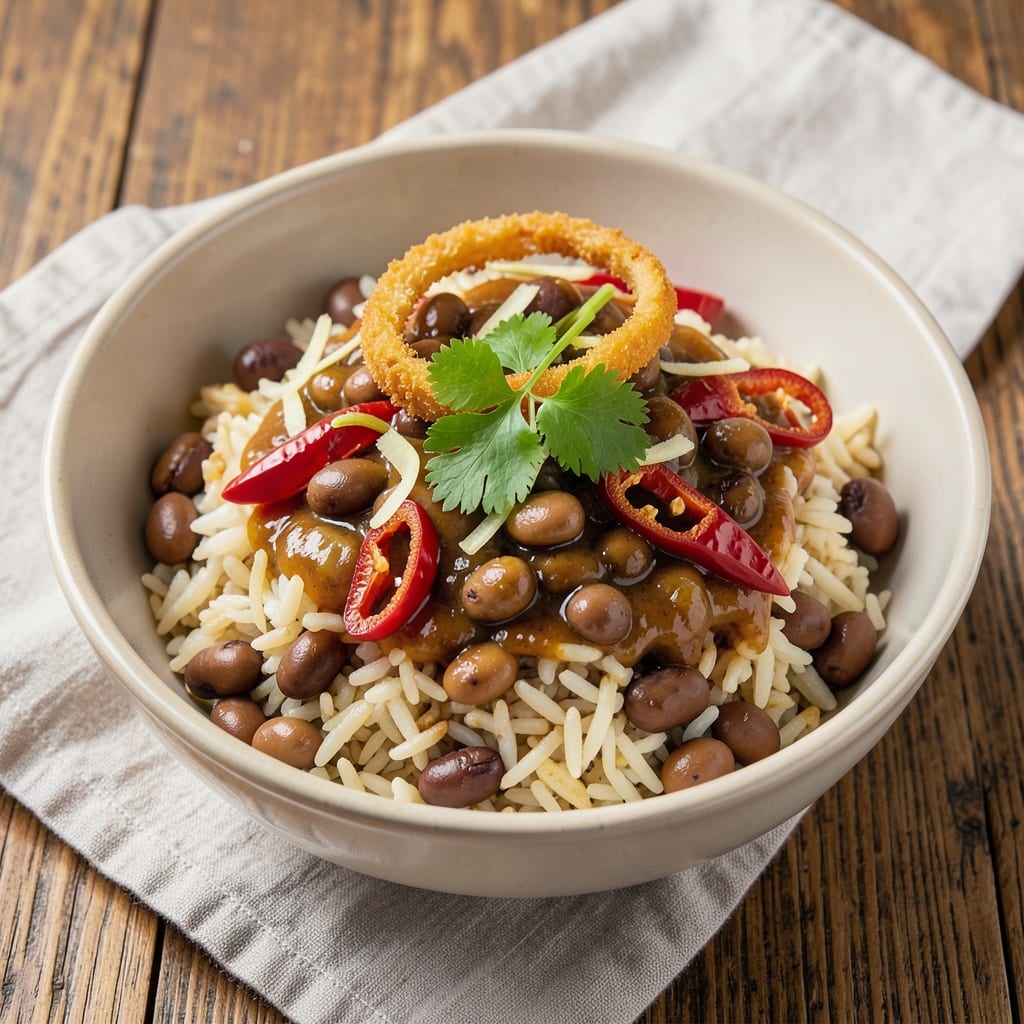
This African beans and rice recipe transforms a simple one-pot meal into a vibrant celebration of West African flavors—where smoky spices, tender beans, and perfectly cooked rice come together in harmony. The secret lies in toasting whole spices until fragrant, then blending them into a rich paste that infuses every bite with depth. I developed this version after years of perfecting the balance between traditional techniques and modern convenience, ensuring bold flavors without hours in the kitchen.
The beauty of this dish is its versatility—whether you're serving it as a hearty main with grilled chicken or plantains, or as a satisfying side alongside collard greens. The beans simmer until tender while absorbing the aromatic spices, and the rice cooks directly in the same pot, creating a fragrant, cohesive dish. No need for multiple pans or complicated steps; this recipe delivers restaurant-quality results with minimal effort.
What makes this recipe truly special is the one-pot method, which not only simplifies cleanup but also allows the flavors to meld together naturally. The toasted spices—garlic, ginger, onions, and a blend of African peppers—create a complex, earthy base that pairs perfectly with the creamy beans and fluffy rice. The result is a dish that’s rich, satisfying, and packed with the kind of warmth that turns a simple meal into a gathering-worthy experience.
Serve this flavorful fusion with a side of fried plantains or a fresh herb garnish to elevate it further. The recipe scales easily for crowds, making it ideal for family dinners or potlucks. Let’s get cooking—your taste buds will thank you.
Ingredients for african beans and rice
Toasted spices, tender beans, and perfectly cooked rice—this one-pot fusion delivers restaurant-quality West African flavors with minimal effort.
| Ingredient | Amount | Notes |
|---|---|---|
| Dried Black-Eyed Peas 🌱 | 1 ½ cups | Rinsed thoroughly before cooking |
| Long-Grain White Rice 🍚 | 1 cup | Uncooked, jasmine or basmati preferred |
| Onions 🧅 | 1 whole | Yellow or red, diced |
| Garlic Cloves 🧄 | 4 cloves | Fresh, minced |
| Fresh Ginger 🌿 | 1 tbsp | Grated, finely |
| Scotch Bonnet Peppers 🌶️ | 2 whole | Seeds removed, finely chopped (or substitute habanero) |
| Dried Thyme 🌿 | 1 tbsp | Or 1 tbsp fresh thyme leaves |
| Ground Cumin 🌶️ | 1 tbsp | Toasted for depth |
| Smoked Paprika 🌶️ | 1 tbsp | For smoky flavor |
| Tomato Paste 🍅 | ½ cup | No-salt-added preferred |
| Vegetable Broth 💧 | 3 cups | Low-sodium for flavor control |
| Olive Oil 🫒 | ¼ cup | Extra-virgin for richness |
| Bay Leaves 🌿 | 2 whole | Removed before serving |
| Salt 🧂 | 1 ½ tsp | Adjust to taste |
| Black Pepper 🌶️ | ½ tsp | Freshly ground |
The spices are where the magic happens. Scotch bonnet peppers (or habanero) bring the heat and complexity—Walmart or Latin markets usually carry them fresh. Toast your whole spices—cumin, paprika, thyme—until fragrant in olive oil before blending. This step transforms ordinary spices into aromatic paste that infuses every bite. For the beans, dried black-eyed peas work best (they hold shape), but substitute kidney beans or chickpeas if needed. The rice cooks directly in the pot, absorbing all those toasted flavors—no separate pot required. Look for jasmine or basmati rice at Whole Foods or any grocery store's international aisle for that authentic texture.
No Scotch bonnet? Habanero or even red pepper flakes (half the amount) will work, though the flavor profile shifts slightly. Fresh ginger is ideal, but substitute ground ginger at one-third the amount. The tomato paste can be the squeeze tube kind from Trader Joe's—it's convenient and keeps well. If you're short on time, pre-chopped onions from the salad bar section save minutes. The vegetable broth matters—low-sodium versions like Pacific Foods give you better flavor control. For extra richness, stir in 1 tbsp peanut butter at the end—it's a West African secret that balances the heat beautifully.
This dish tastes even better the next day as flavors meld. Store leftovers in an airtight container in the fridge for up to 5 days. Freeze portions for 3 months—just thaw overnight in the fridge. The rice will dry out if reheated with extra liquid, so sprinkle a splash of broth when warming. For a crowd, double the spices and broth, then use a larger pot—6-quart Dutch ovens work perfectly. Garnish with fresh cilantro or chopped green onions before serving to brighten the dish.
Why You'll Love This Recipe
- I’ll be real: dried black-eyed peas and rice are my pantry’s secret weapon. They stretch into massive portions without breaking the bank, and the flavor? Ridiculously good. Make a double batch, freeze half, and thank me later when you’re not stressing over grocery bills.
- One-Pot Magic: I swear by this—just toss everything in one pot, simmer, and walk away. No fancy steps, no extra pans, and those black-eyed peas turn tender while the rice soaks up all the savory ginger-garlic broth. That’s how you feed a crowd without losing your mind.
- Ginger-Garlic Bomb: Honestly, the moment that fresh ginger and garlic hit the oil? My kitchen smells like a West African street market, and the dish never lets you down. The onions caramelize just enough to give it that deep, sweet richness, while the garlic lingers like a warm hug in every bite.
- Lunchbox Hero: Between us, this is my go-to for meal prep. The rice stays fluffy for days, and the beans hold their shape—perfect for packing. Toss in some greens or a fried egg the next morning, and suddenly you’ve got a satisfying lunch that feels like a full meal. (Yes, even on a Tuesday night.)
Step-by-step instructions for African beans and rice
This one-pot method builds layers of flavor through careful toasting and slow simmering.
Toast the Spices and Aromatics
Heat the 0.25 cup olive oil in a large Dutch oven or heavy pot over medium heat. Add the 1 whole diced onions and cook for 5 minutes until softened and translucent. This foundational step develops sweetness that carries through the entire dish.
Add the 4 minced garlic cloves, 1 tbsp fresh grated ginger, and 2 finely chopped Scotch bonnet peppers (seeds removed). Stir constantly for 1-2 minutes until fragrant—you'll smell the garlic mellowing and the ginger releasing its bright aroma. This is where the authentic African flavors begin to emerge.
Next, add the 1 tbsp ground cumin, 1 tbsp smoked paprika, and 1 tbsp dried thyme. Toast these spices for 30 seconds while stirring continuously. You'll see them darken slightly and release their aromatic oils—this step is crucial for developing depth of flavor. Immediately add the 0.5 cup tomato paste and stir for 1 minute to cook it down and remove any raw taste.
Build the Base with Rice and Beans
Add the 1 cup long-grain white rice and stir to coat it completely with the spiced oil mixture. Cook for 2 minutes until the grains become slightly translucent at the edges. This initial toasting prevents the rice from becoming mushy during the long simmer.
Pour in the 1.5 cups rinsed dried black-eyed peas and stir to distribute them evenly. Add the 3 cups vegetable broth, 2 whole bay leaves, 1.5 tsp salt, and 0.5 tsp black pepper. Bring to a gentle boil, then immediately reduce heat to low. The mixture should simmer steadily—you'll see small bubbles breaking the surface but no vigorous boiling.
Partially cover the pot with a lid (leave a small gap for steam to escape) and simmer for 30 minutes. Stir occasionally to prevent sticking. The beans will begin to soften and the rice will start absorbing liquid. This initial cooking period allows the beans to partially rehydrate while developing their characteristic creamy texture.
Simmer to Perfect Texture
After 30 minutes, check the mixture. The beans should be tender but still hold their shape when pressed between your fingers, and the rice should be about 75% cooked. If the liquid level appears too low, add ½ cup hot water to maintain proper moisture balance.
Continue simmering on low heat for another 20-25 minutes until the beans are fully tender and the rice is completely cooked. The perfect texture should be creamy beans with firm rice grains that hold their shape. Taste and adjust seasoning—you may need to add more salt if using low-sodium broth.
Remove the 2 bay leaves before serving. The dish should have a rich, complex flavor profile with notes of smoky paprika, earthy cumin, and subtle heat from the Scotch bonnet peppers. The one-pot method ensures all flavors meld together beautifully while maintaining the integrity of both the beans and rice.
Rest and Serve
Let the completed dish rest for 5-10 minutes off the heat. This resting period allows the flavors to continue developing and the beans to absorb any remaining liquid, resulting in a more cohesive texture. The rice will finish cooking slightly from the residual heat.
Serve immediately while hot. The perfect portion should show tender black-eyed peas mixed with fluffy rice, all bathed in a flavorful broth. The dish maintains its one-pot simplicity while delivering restaurant-quality depth of flavor. For best results, serve with a side of steamed greens or crusty bread to soak up the delicious sauce.
Pro Tips For Making African Beans And Rice
- SOAK THE BEANS RIGHT: I learned this the hard way—skipping the soak means gummy, uneven beans. Toss dried black-eyed peas in cold water for at least 4 hours (or overnight if you remember). Drain, then rinse them before cooking to cut down on foam and speed up simmering.
- SWATTER THE ONIONS: High heat. Seriously, crank it up when cooking the onions and garlic for that deep, caramelized flavor. If they’re browning too fast, pull the pan back a second—you want color, not burnt bits. This is where the dish gets its rich base.
- STIR THE RICE GENTLY: After adding water to the rice, stir it once—just to distribute the grains. Then leave it alone. Crowding the pot or stirring constantly turns rice mushy. If you’re nervous, use a wooden spoon to fluff the top layer after 10 minutes instead.
- SAUTÉ THE GINGER FIRST: Sounds weird, but it works: Pulse fresh ginger into a fine paste before sautéing with onions and garlic. It blends smoother and releases flavor faster—no more chewy bits. (Yes, even if you’re impatient like me.)
Essential equipment for perfect results
Dutch Oven Essentials
A 6-quart Dutch oven is my go-to for this recipe—it distributes heat evenly and maintains consistent temperature throughout the long simmer. I recommend the Le Creuset Stoneware for its durability and heat retention, though All-Clad Stainless Steel works beautifully too. The deep sides prevent spills when stirring, and the heavy base ensures even cooking. If you don’t own one, a large stainless steel pot with a tight-fitting lid will work in a pinch. 🔥
Spice Toasting Tools
For toasting spices to perfection, I use a small cast-iron skillet (like a Lodge 10-inch) to warm the spices in olive oil before adding them to the main pot. This extra step develops deeper flavors, but a heavy-bottomed saucepan works just as well. A mortar and pestle is ideal for grinding toasted spices into a fine paste, but a food processor or even a rolling pin in a heavy bag will do. The key is to keep the spices moving constantly to prevent burning.
Measuring Precision
Accurate measurements are critical for balancing flavors. I use a digital kitchen scale for spices like cumin and smoked paprika to ensure consistency—1 tbsp of each is about 5 grams. For liquids, a liquid measuring cup with clear markings is essential, especially for the 3 cups vegetable broth. A fine-mesh strainer helps rinse the black-eyed peas thoroughly, removing debris that could make the dish bitter. Don’t skip this step—clean beans make all the difference. ✨
Heat Control Helpers
Low and slow is the name of the game, so a kitchen thermometer (like the Thermoworks Thermapen) helps monitor the simmering temperature—aim for 190-200°F. If your stove lacks precise heat control, a stovetop diffuser (like the Ozeri Heat Diffuser) evens out hot spots. For electric stoves, reduce heat to medium-low and adjust as needed. A wooden spoon is perfect for stirring without scratching the pot, while a slotted spoon makes it easy to remove bay leaves before serving.
Storage Solutions
Leftovers taste even better the next day, so store them in glass airtight containers—I love Pyrex with snap-on lids for easy stacking. For freezing, quart-sized freezer bags save space and prevent freezer burn. Label portions with dates to track freshness. When reheating, a heavy-bottomed pot on the stovetop is best—add a splash of broth to restore moisture. Avoid microwaving unless absolutely necessary, as it can make the rice gummy. 💫
Nutrition facts
Frequently asked questions
Can I substitute black-eyed peas with another type of bean?
Yes! While black-eyed peas are traditional, you can use kidney beans, chickpeas, or even lentils for a different texture. Kidney beans hold their shape well and absorb flavors beautifully, while lentils will create a creamier consistency. Just adjust cooking time—kidney beans need about 45-50 minutes total, while lentils cook faster (25-30 minutes).
How do I adjust the heat level if Scotch bonnet peppers aren't available?
If you can't find Scotch bonnet peppers, use habanero (half the amount) or red pepper flakes (1/4 tsp) for milder heat. For no heat at all, omit the peppers and add 1 extra tbsp smoked paprika to maintain depth. The dish will still taste rich and aromatic—just less fiery!
Why does my rice turn out mushy instead of fluffy?
Mushy rice usually happens from overcooking or insufficient liquid absorption. Stir the rice once during the 30-minute simmer to prevent sticking, then reduce heat to low for the final 20-25 minutes. If it's still mushy, spread it on a baking sheet and dry it in the oven at 300°F for 10 minutes to revive the texture.
Can I make this recipe in an Instant Pot or pressure cooker?
Sauté the onions, garlic, ginger, and peppers first, then add all remaining ingredients (including rice and beans). Cook on high pressure for 10 minutes, then let pressure release naturally for 10 minutes. Stir in 1 tbsp peanut butter at the end for extra richness. The pressure method cuts cooking time to about 25 minutes total!
What are the best sides to serve with this dish?
This flavorful one-pot pairs perfectly with steamed collard greens, fried plantains, or garlic bread. For a complete meal, add grilled chicken or smoked fish. Garnish with fresh cilantro or scallions to brighten the dish. The smoky, spiced beans and rice stand up well to bold sides!