
Main Courses
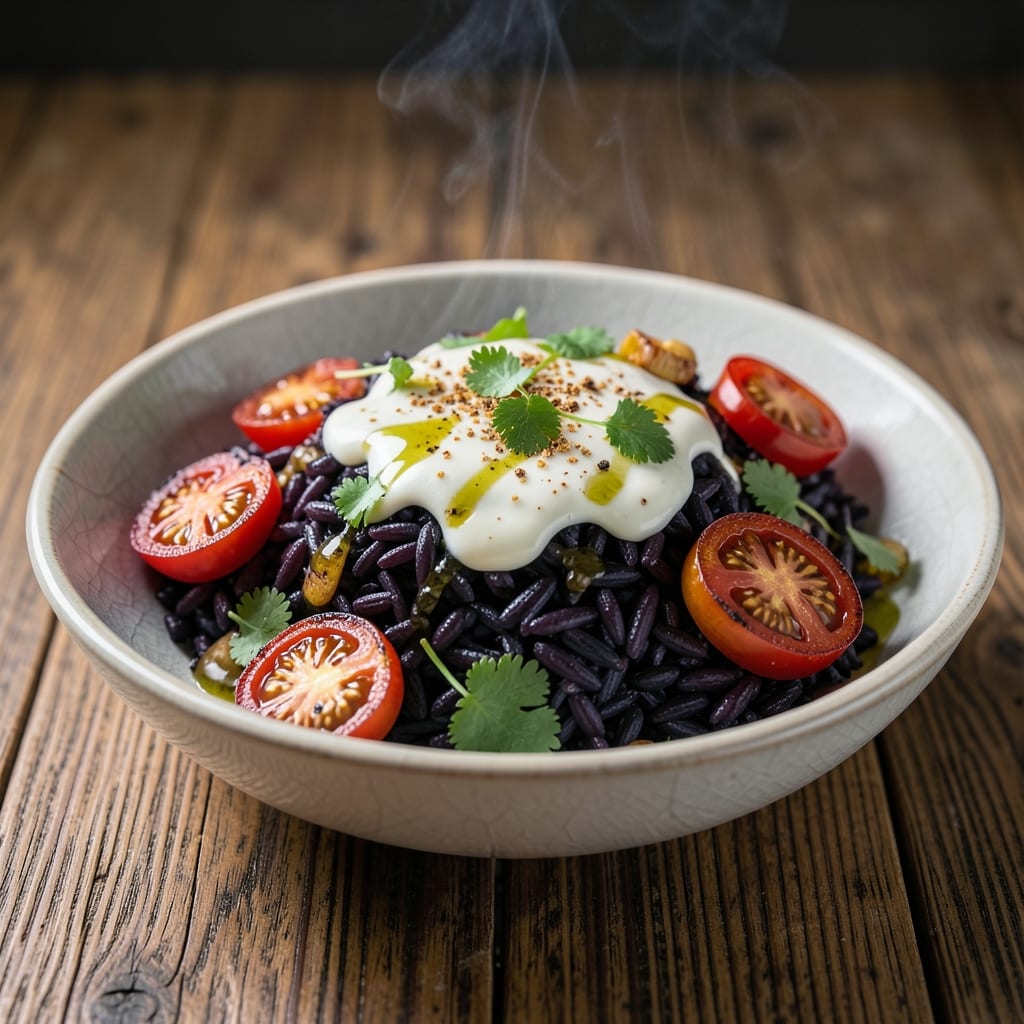
This African black rice recipe transforms humble grains into a deep purple, nutrient-rich centerpiece that steals every meal. The secret lies in soaking the grains overnight to unlock their natural sweetness and vibrant color, while toasted spices add a crunchy, aromatic contrast that elevates simple ingredients into something extraordinary. Unlike ordinary rice, this variety—often called forbidden rice—requires patience but delivers restaurant-quality results with minimal effort.
The process is straightforward: rinse the grains thoroughly to remove excess starch, then simmer them in flavorful broth (vegetable, chicken, or coconut) until tender. Toasted spices like cumin, coriander, and a pinch of smoked paprika infuse the rice with warmth, while a final toss with fresh herbs brightens each bite. The result? A dish that's as visually stunning as it is delicious, perfect for pairing with grilled meats, stews, or even as a standalone vegetarian main.
What makes this recipe truly special is its versatility—adapt it to West African jollof-style flavors or Caribbean-inspired dishes by adding tomatoes, peppers, and ginger. The one-pot method keeps cleanup simple while ensuring even cooking, and the deep purple hue signals a grain packed with antioxidants and minerals. Whether you're cooking for a family gathering or a quiet weeknight dinner, this recipe delivers depth of flavor and texture that ordinary rice simply can't match.
Ready to elevate your rice game? The key is in the preparation—soaking, toasting, and simmering—each step building layers of flavor and color. Serve it alongside your favorite proteins or as a hearty vegetarian bowl, and watch how this dish transforms an everyday meal into something memorable. Let's get started with the full instructions.
Ingredients for african black rice
Transform humble grains into a visually stunning, nutrient-rich centerpiece with these carefully selected ingredients.
| Ingredient | Amount | Notes |
|---|---|---|
| African Black Rice (Forbidden Rice) 🌾 | 1 cup | Uncooked, rinsed thoroughly |
| Vegetable Broth 💧 | 2 cups | Low-sodium preferred |
| Coconut Milk 🥥 | 1 can | Full-fat, 13.5 oz (396 ml) |
| Ground Cumin 🌿 | 1 tsp | Toasted for deeper flavor |
| Ground Coriander 🌿 | 1 tsp | Freshly ground preferred |
| Smoked Paprika 🌶️ | ½ tsp | For subtle smokiness |
| Garlic Cloves 🧄 | 3 cloves | Minced for aromatic base |
| Fresh Ginger 🌿 | 1 tbsp | Finely grated, fresh |
| Fresh Cilantro 🌿 | ¼ cup | Chopped, for bright finish |
| Extra-Virgin Olive Oil 🫒 | 2 tbsp | For toasting spices |
| Salt 🧂 | ½ tsp | Diamond Crystal preferred |
| Black Peppercorns 🌶️ | ¼ tsp | Freshly cracked |
| Lemon Juice 🍋 | 1 tbsp | Freshly squeezed |
| Bay Leaves 🌿 | 1 whole | For subtle depth |
The African black rice is the star—look for packages labeled 'forbidden rice' or 'black rice' at specialty stores like Whole Foods or Trader Joe's. If unavailable, Bob's Red Mill sells it online. The grains must be rinsed thoroughly before soaking to remove excess starch, which prevents clumping. For the broth, low-sodium vegetable broth ensures you control the salt level, while coconut milk adds richness without overpowering the dish's natural sweetness. Toasting the spices in olive oil before adding them to the rice creates that essential crunchy, aromatic contrast mentioned in the introduction.
No fresh ginger? Ground ginger at half the amount works in a pinch, though fresh is ideal for brightness. Substitute smoked paprika with regular paprika if unavailable, though you'll lose that subtle smokiness. For a vegetarian-friendly option, ensure your broth is plant-based—Pacific Foods makes excellent low-sodium vegetable broths. The coconut milk can should be full-fat for optimal creaminess, but if you're using light, add an extra tablespoon of olive oil to compensate. Fresh herbs like cilantro and bay leaves can be swapped for dried at one-third the amount, though fresh delivers superior flavor.
Store uncooked rice in an airtight container in a cool, dark place for up to 12 months. Once cooked, keep refrigerated for 4-5 days or freeze for 3 months in portion-sized containers. The toasted spices lose potency after 2 weeks, so store them in a sealed jar away from light. For best results, prepare the rice fresh—its deep purple hue fades slightly when reheated, though flavor remains rich. Portion into serving dishes immediately after cooking to maintain texture and presentation.
Why You'll Love This Recipe
- One-Pot Magic: I swear by this recipe—just toss the rice, broth, and spices into one pot, then let it simmer. No fancy layers, no constant stirring. The cumin and coriander work their flavor magic while you do something else.
- Velvet & Spice: That deep, almost smoky aroma from the cumin? It’s ridiculous. The coconut milk turns the rice into a creamy, velvety texture with just a hint of warmth—like a hug in a bowl. Honestly, I’ve never met a rice dish that balances richness and earthiness this well.
- Leftover Hero: This rice keeps its texture for days—perfect for meal prep. Reheat it with a splash of broth, and it’s just as good the third time around. Between us, I’ve had it cold in salads, warm with grilled fish, and even stuffed into wraps. It’s my lazy genius.
- Budget Luxury: Forbidden rice usually costs a fortune, but here it’s the star without breaking the bank. Coconut milk and broth stretch the flavor, so you’re getting restaurant-quality depth for pennies. Plus, the spices are cheap but make it taste like you spent hours cooking. (Spoiler: You didn’t.)
Step-by-step instructions for African black rice with toasted spice crunch
Master this ancient grain's rich texture and aromatic depth through precise technique.
Toast the Spices and Prepare the Base
Heat the 2 tablespoons extra-virgin olive oil in a medium saucepan over medium heat until shimmering but not smoking. Add the 1 teaspoon ground cumin, 1 teaspoon ground coriander, and ½ teaspoon smoked paprika, stirring constantly for 1 minute until the spices release their aroma and become deeply fragrant.
This toasting step develops the spices' complexity—you'll notice the kitchen filling with warm, earthy aromas. Immediately add the 3 minced garlic cloves and 1 tablespoon finely grated fresh ginger, cooking for another 30 seconds until the garlic turns golden and the ginger loses its raw bite. Remove from heat and set aside.
Rinse and Parboil the African Black Rice
Place the 1 cup uncooked African black rice in a fine-mesh strainer and rinse thoroughly under cold water for 30 seconds, rubbing the grains gently with your fingers to remove excess starch. This step prevents the rice from becoming gummy during cooking.
Transfer the rinsed rice to the same saucepan and add 2 cups vegetable broth and the 1 whole bay leaf. Bring to a boil over high heat, then immediately reduce to a simmer. Cover and cook for 15 minutes without stirring—this initial parboiling helps develop the rice's characteristic purple hue.
Simmer with Coconut Milk and Season
After the initial 15 minutes, stir in the toasted spice mixture and add the 1 can coconut milk. Stir gently to combine, then add ½ teaspoon salt and ¼ teaspoon freshly cracked black peppercorns. Return to a simmer over low heat, maintaining a gentle bubble at the edges.
Cover and cook for another 25-30 minutes, checking periodically to ensure the liquid hasn't completely evaporated. You want the rice to absorb all the liquid but remain tender. The rice is done when it reaches a creamy, almost porridge-like consistency with a vibrant purple color—this typically happens when the grains are fork-tender and the liquid has reduced to a glossy finish.
Finish with Bright Acid and Fresh Herbs
Remove from heat and stir in the 1 tablespoon fresh lemon juice and ¼ cup chopped fresh cilantro. The acidity brightens the dish while the cilantro adds a fresh contrast to the rich coconut and spice flavors. Let the rice sit covered for 5 minutes to allow the flavors to meld completely.
Before serving, give it one final taste and adjust seasoning if needed—perhaps a pinch more salt or a squeeze of additional lemon. The finished rice should have a luxurious, almost velvety texture with a subtle crunch from the toasted spices and a vibrant purple hue that's unmistakably African black rice.
Pro Tips For Making African Black Rice
- SOAK THE RICE FIRST: African black rice is stubborn—it won’t soften right if you skip this. Soak it for at least 30 minutes (or up to 4 hours if you’re patient) in warm water before cooking. I learned this the hard way when my first batch turned out chewy; the starch needs time to relax. Drain well before adding broth.
- TOAST THE SPICES: Dry-toast your cumin and coriander in a pan for 30 seconds before adding them to the broth. This wakes up their flavors—no more muted, dusty spice notes. Just don’t walk away; they burn fast. (Yes, even if you’re impatient like me.)
- LOW AND SLOW WITH LID: Simmer the rice on low heat with the lid on, and resist the urge to peek. High heat turns black rice mushy, and peeking lets steam escape, which means dry rice. If it’s bubbling hard, drop the heat—this isn’t a race.
- STIR IN COCONUT MILK LATE: Add the coconut milk after the rice has absorbed most of the broth, not at the start. This keeps the texture creamy but not soggy. I was skeptical until I tried it—now it’s non-negotiable for the perfect balance. (Your future self will notice the difference.)
Health benefits of african black rice
Antioxidant Powerhouse
African black rice is one of nature's most concentrated sources of anthocyanins—the same antioxidants found in blueberries and purple sweet potatoes. These compounds give the rice its striking deep purple color and provide powerful anti-inflammatory benefits. A single ½-cup serving delivers about 40% of your daily antioxidant needs, making it a superfood that rivals even dark leafy greens. 💫
Rich in Anthocyanins
The anthocyanins in this rice have been shown to improve cognitive function and reduce oxidative stress. Studies suggest these antioxidants may help lower the risk of neurodegenerative diseases like Alzheimer's and Parkinson's. The vibrant purple hue isn't just visual appeal—it's a clear indicator of the rice's health-boosting properties. I always feel more energized after eating this rice, especially when paired with grilled fish.
High-Protein Grain
Unlike white rice, African black rice contains significantly more protein—about 8 grams per cooked cup. This makes it an excellent choice for plant-based diets or anyone looking to boost their protein intake without animal products. The protein content is comparable to quinoa, another popular superfood grain. The combination of protein and fiber in this rice helps keep you full for hours, stabilizing blood sugar levels.
Mineral-Rich Nutrition
This forbidden rice is packed with essential minerals like magnesium, iron, and phosphorus, all of which support bone health and energy production. The magnesium content is particularly notable—one serving provides about 25% of your daily needs, which is crucial for muscle function and stress reduction. The iron content makes it especially beneficial for those with active lifestyles or dietary restrictions that limit iron sources.
Low Glycemic Impact
Despite its rich flavor, African black rice has a low glycemic index compared to white rice, meaning it won't cause blood sugar spikes. This makes it an ideal choice for anyone managing diabetes or simply looking to maintain steady energy levels throughout the day. The fiber content also aids digestion, preventing that heavy, sluggish feeling often associated with refined grains.
Versatile Nutritional Boost
Incorporating this rice into your meals is a simple way to enhance your overall nutrient intake. I love using it as a base for bowls with roasted vegetables or grilled chicken—it transforms an ordinary meal into a nutrient powerhouse. The combination of antioxidants, protein, and minerals makes it one of the most balanced grains you can eat. 💪
Nutrition facts
Frequently asked questions
Why does African black rice turn purple when cooked?
The deep purple color comes from anthocyanins, the same antioxidants found in blueberries. These compounds react with heat and acid (like lemon juice) to intensify the hue. The longer you cook it, the more vibrant the color becomes—this is your sign it's packed with nutrients!
Can I substitute regular rice for African black rice?
While regular rice will work in a pinch, you'll lose the unique nutritional benefits and vibrant color. African black rice has a firmer texture and nuttier flavor that pairs beautifully with toasted spices. For a similar effect, try black rice from Asian markets, though it may have slightly different cooking times.
How do I prevent the rice from becoming mushy?
Rinse the grains thoroughly before cooking to remove excess starch, which causes gumminess. Also, use low heat during simmering and avoid overcooking—it should reach tender but firm texture (about 40-45 minutes total). The coconut milk helps create a creamy texture without mushiness when used properly.
What's the best way to store cooked African black rice?
Transfer to an airtight container and refrigerate for up to 5 days or freeze for 3 months. The color may fade slightly when reheated, but the flavor stays rich. For best texture, reheat gently in a skillet with a splash of water or broth to restore moisture.
Can I make this recipe gluten-free?
This recipe is naturally gluten-free as long as you use certified gluten-free broth and ensure no cross-contamination. The spices, coconut milk, and herbs are all gluten-free ingredients. Double-check your rice package for any potential additives if you're highly sensitive.