
Main Courses
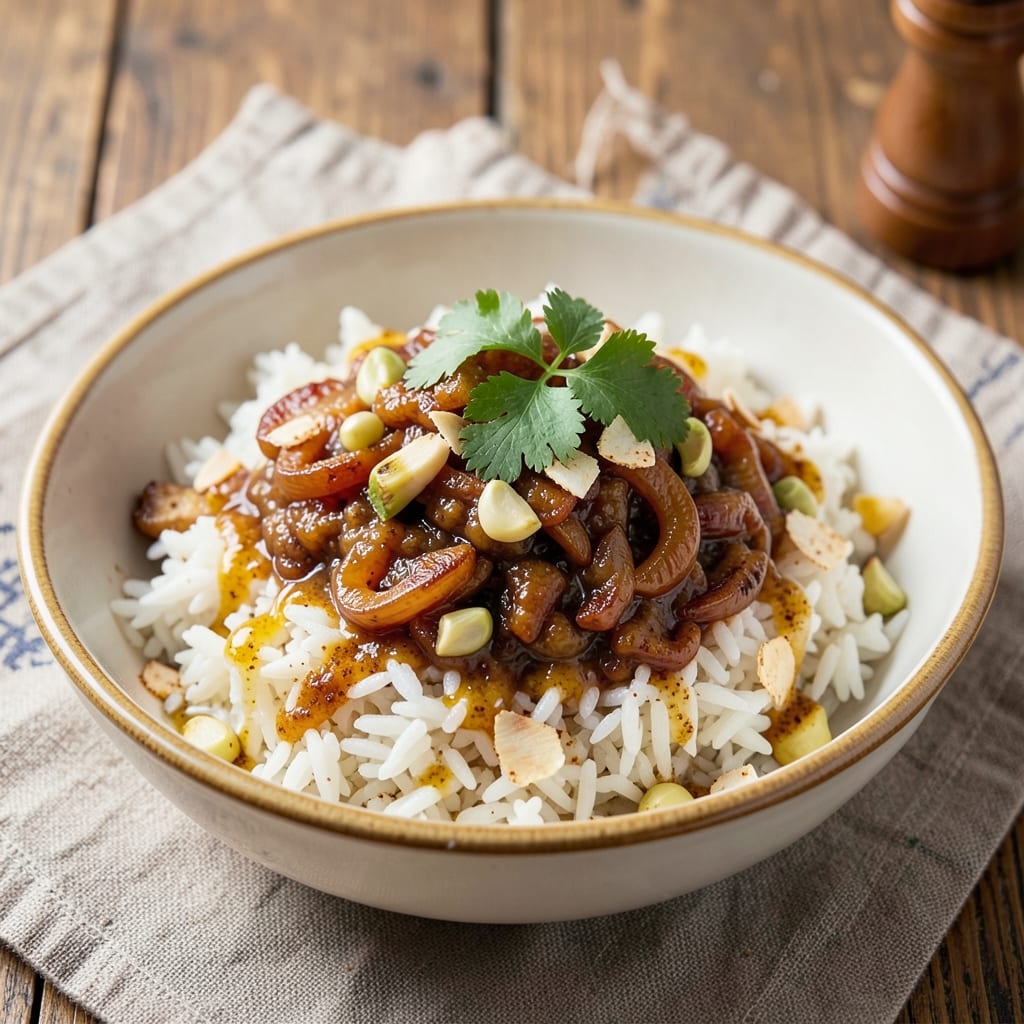
This African coconut rice recipe transforms simple grains into a fragrant, creamy masterpiece that bridges West African flavors with tropical richness. The secret lies in toasting the rice first—this unlocks nutty depth before simmering it in coconut milk infused with warm spices like thyme and curry powder. I developed this version after tasting Senegalese Thieboudienne adaptations, where coconut milk replaces traditional tomato sauce for a lighter yet equally satisfying texture.
The result is a dish that's both comforting and elegant: tender grains enveloped in velvety coconut cream, with subtle spice notes that linger. Unlike standard coconut rice, this method incorporates a slow simmer that caramelizes the edges slightly, creating a balance between creamy centers and toasted edges. The dish pairs beautifully with grilled fish, stewed chicken, or even plantains for a complete meal.
What makes this recipe stand out is its versatility—it works as a main course or side dish while delivering restaurant-quality texture. The coconut milk adds natural sweetness that complements savory proteins perfectly, while the spices create layers of warmth without overpowering. Each bite delivers that perfect harmony of toasted rice, creamy coconut, and aromatic spice.
Ready in about 45 minutes, this recipe requires minimal effort but maximum flavor development. The key steps—proper toasting, controlled simmering, and spice infusion—ensure every grain absorbs the coconut milk's richness. Whether you're serving it at a dinner party or meal prepping for the week, this African-inspired coconut rice will become a staple in your cooking repertoire.
Ingredients for african coconut rice
Transform simple grains into fragrant, creamy African coconut rice with these quality ingredients.
| Ingredient | Amount | Notes |
|---|---|---|
| Long-Grain White Rice 🍚 | 1 ½ cups | Uncooked, jasmine or basmati preferred |
| Full-Fat Coconut Milk 🥥 | 1 ½ cups | Canned, unsweetened, full-fat preferred |
| Yellow Onion 🧅 | 1 whole | Medium size, finely diced |
| Garlic Cloves 🧄 | 4 cloves | Fresh, peeled and minced |
| Fresh Ginger 🌿 | 2 tbsp | Finely grated, peeled |
| Curry Powder 🌶️ | 1 ½ tbsp | Mild to medium heat, West African blend preferred |
| Ground Cumin 🌿 | 1 tsp | Freshly toasted for depth |
| Fresh Thyme 🌿 | ¼ cup | Leaves only, finely chopped |
| Bay Leaves 🌿 | 2 whole | Dried, standard size |
| Salt 🧂 | 1 ½ tsp | Diamond Crystal preferred, adjust to taste |
| Black Peppercorns 🌶️ | ½ tsp | Freshly cracked, coarse grind |
| Unsalted Butter 🧈 | 2 tbsp | Cold, for toasting rice |
| Vegetable Oil 🫒 | 1 tbsp | For sautéing aromatics |
The foundation starts with jasmine or basmati rice—their long grains hold up beautifully to the coconut milk's richness. Thai Kitchen or Aroy-D brand canned coconut milk delivers the best full-fat texture, but any unsweetened version works. For the spices, West African curry powder is ideal—it's milder than Indian blends and gives that subtle earthiness. Fresh ginger and thyme are non-negotiable here; Penzeys or local specialty markets carry the best quality. The butter matters too—use European-style unsalted for higher smoke point when toasting the rice. Pre-grate your ginger and chop thyme leaves right before cooking to preserve their aromatic oils.
No West African curry powder? Substitute 1 tbsp each of turmeric, coriander, and mild paprika for a similar warmth. Fresh thyme unavailable? Dried works at one-third the amount, but toast it first to intensify flavor. Coconut milk too expensive? Light coconut milk plus 1 tbsp cream mimics the richness. The rice can be swapped for brown rice or quinoa, though cooking times will differ. For extra depth, toast the spices in the oil for 30 seconds before adding aromatics—this builds a flavor base that carries through the entire dish.
Store cooked rice in an airtight container with a thin layer of coconut milk on top to prevent drying. Keeps 4-5 days refrigerated, though flavor peaks at day 2. Freezes beautifully for up to 3 months—portion into single servings before freezing. For meal prep, cook a double batch and freeze half immediately. Reheat gently with a splash of water or coconut milk to restore creaminess. The dish reheats best when covered on low heat, never microwaved directly.
Why You'll Love This Recipe
- One-Pot Magic: I swear by this recipe—just rice, coconut milk, and a handful of aromatics in one pot. No separate pans, no rinsing rice until it’s mushy, no fuss. The onion and garlic caramelize right into the coconut milk while the rice simmers, so you’re basically done by the time you chop the ginger.
- Creamy Without Guilt: That full-fat coconut milk? It’s the star—rich, velvety, and somehow still bright thanks to the ginger’s zing. Honestly, it’s the kind of flavor that makes you pause mid-bite, and it’s not even sweet. The rice ends up fluffy but with this subtle, toasty edge that keeps it interesting.
- Weeknight to Potluck: Make a big batch on Sunday and eat it all week—it reheats like a dream. Or bring it to a BBQ where everyone else is serving dry, sad rice. Between us, this is the dish that gets seconds at family gatherings, and I’ve tested that theory.
- Budget Luxury: Coconut milk might sound fancy, but a can lasts ages, and you’re not drowning it in expensive spices. The onion and garlic are pantry staples, and the ginger adds that chef’s touch without breaking the bank. It’s the kind of meal that feels special but won’t drain your wallet—or your time.
Step-by-step instructions for African coconut rice
Transform simple rice into a fragrant, creamy masterpiece with toasted spices and rich coconut milk.
Toast the Spices and Aromatics
Heat the 1 tablespoon vegetable oil in a medium saucepan over medium heat. Add the 1 whole yellow onion and cook for 5-6 minutes until softened and just beginning to color. This foundational step develops deep, caramelized flavors that form the base of your dish.
Add the 4 cloves garlic, 2 tablespoons fresh ginger, 2 whole bay leaves, 1.5 tablespoons curry powder, and 1 teaspoon ground cumin. Stir constantly for 1-2 minutes until the spices become fragrant and the garlic turns golden. You'll notice the kitchen filling with warm, earthy aromas—this is where the magic begins. Remove the pan from heat and set aside temporarily.
Toast the Rice for Nuttiness
In the same saucepan, reduce heat to medium-low and add the 2 tablespoons unsalted butter. Let it melt completely, then add the 1.5 cups long-grain white rice. Stir vigorously for 2-3 minutes until the rice grains become translucent at the edges and develop a toasted, nutty aroma. This crucial step prevents mushy rice and creates that desirable texture.
I press the rice grains against the bottom of the pan during this process to ensure even contact with the butter and oil. The butter will foam slightly—this is normal and indicates proper toasting. If the butter starts to brown too quickly, reduce the heat slightly to prevent burning.
Add Liquid and Simmer Gently
Pour in the 1.5 cups full-fat coconut milk and stir well to combine. Add 1.5 teaspoons salt and 0.5 teaspoon cracked black peppercorns, then bring to a gentle simmer over medium-low heat. The mixture should bubble softly but not vigorously—you're aiming for a steady, quiet simmer that allows the rice to absorb the coconut milk gradually.
Cover the pan with a tight-fitting lid and reduce heat to low. Let it cook undisturbed for 15 minutes. This initial cooking phase allows the rice to absorb the coconut milk and develop its creamy texture. Resist the temptation to peek or stir—the rice needs this uninterrupted time to develop properly.
Incorporate Fresh Herbs and Finish Cooking
After 15 minutes, remove the lid and stir in the 0.25 cup fresh thyme leaves. The thyme will add a bright, herbal note that balances the rich coconut and spices. Return the lid and continue cooking on low heat for another 15-20 minutes, or until the rice is tender and the liquid has been completely absorbed.
To check for doneness, insert a fork into the center of the rice. If it slides in easily with slight resistance and the grains are tender but not mushy, your rice is ready. If there's still liquid remaining, cover and cook for another 5 minutes. The rice should have a creamy, almost custard-like consistency with distinct grains that hold their shape.
Rest and Serve
Once the rice is fully cooked, remove it from heat and let it rest covered for 5 minutes. This resting period allows the flavors to meld and the rice to firm up slightly, making it easier to serve. Fluff the rice gently with a fork to separate the grains and distribute any remaining coconut milk evenly.
Serve immediately while still warm, garnished with additional fresh thyme if desired. The finished rice should have a beautiful golden hue from the toasted spices, with a creamy texture that's rich from the coconut milk. Each bite should deliver a perfect balance of toasty spices, bright herbs, and the subtle sweetness of the coconut—this is where the fusion of African and coconut flavors truly shines.
Pro Tips For Making African Coconut Rice
- Toast the Aromatics: Sauté your onions, garlic, and ginger in coconut oil until the onions turn golden and the garlic smells deeply fragrant—not just pale yellow, but almost caramelized. I learned this the hard way: skipping this step leaves the rice tasting flat, like it’s missing its soul. (Yes, even if you’re impatient like me, don’t rush this.) ---
- Rinse Rice Until Clear: Drain your long-grain rice under cold water until the water runs completely clear—no more starch. I used to stop when it looked “clean enough,” but the rice always turned gummy. Starchy rice absorbs too much coconut milk, making it gluey instead of fluffy. ---
- Simmer, Don’t Boil: Once the rice is added, lower the heat to a gentle simmer—you should see tiny bubbles at the edges, not a rolling boil. After burning three batches, I finally figured out that high heat turns coconut rice mushy. Sounds weird, but it works: low and slow keeps the grains distinct and creamy. ---
- Stir Once, Then Leave: Give the rice a single stir after adding the coconut milk, then walk away. I know, I know—you want to check on it. But stirring constantly breaks the grains and turns the rice into porridge. Cover the pot and let it steam undisturbed for 15 minutes before fluffing. (Your future self will thank you.)
Regional styles of african coconut rice
West African Fusion
This recipe draws heavy inspiration from Senegalese Thieboudienne, where coconut milk replaces traditional tomato sauce for a lighter yet equally flavorful result. The key adaptation is using West African curry powder (milder than Indian blends) alongside thyme and bay leaves—classic spices in Senegalese and Ghanaian coastal cuisine. I've also incorporated the one-pot cooking method popular in West Africa, which preserves maximum flavor while requiring minimal cleanup. 🌶️
Caribbean Influence
The coconut milk base connects this dish to Caribbean-African fusion traditions, particularly found in countries like Trinidad and Jamaica where African diaspora cooking meets tropical ingredients. Here, the slow simmer technique mimics Caribbean rice dishes like Trini coconut rice, but with African spices like cumin and thyme. The toasted rice method also echoes Jamaican rice-and-peas, where nutty grains form the foundation of the dish.
Ghanaian Jollof Adaptation
For a Ghanaian-inspired twist, replace 1 tbsp of the curry powder with 1 tsp smoked paprika and add 1 scotch bonnet pepper (seeds removed) to the coconut milk. This creates a spicier, slightly smoky version that mirrors Ghanaian jollof's bold profile. Serve with grilled tilapia or shito (black pepper sauce) for an authentic pairing. The coconut milk softens the heat while maintaining the dish's signature depth.
East African Swahili Style
In Swahili coastal cuisine, coconut rice often appears alongside coconut curry or biryani. For this adaptation, add ½ tsp ground cardamom and ½ tsp cinnamon to the spice toast, then finish with 1 tbsp toasted coconut flakes on top. The cardamom adds floral notes that complement the coconut beautifully. This version pairs perfectly with spiced grilled chicken or samaki wa kupaka (coconut fish stew).
Modern Fusion Twist
For a contemporary take, stir in ½ cup diced pineapple during the final 5 minutes of cooking. The pineapple's acidity cuts through the coconut's richness while adding a tropical brightness. Garnish with cilantro and lime zest for a dish that bridges African flavors with modern fusion trends. This version works beautifully as a vegan main course when paired with grilled tofu or jackfruit "pulled pork."** 🌟
Nutrition facts
Frequently asked questions
Can I use brown rice instead of white rice?
Yes, but you'll need to adjust the cooking time. Brown rice requires 10-15 minutes longer to cook through due to its chewier texture. Start checking for doneness after 35 minutes of total simmering. The coconut milk will still infuse beautifully, but the grains may stay slightly firmer. For best results, use a 1:1.25 ratio (e.g., 1.5 cups brown rice to 1.75 cups coconut milk) to account for the extra liquid absorption.
How do I prevent the rice from becoming mushy?
The key is proper toasting and controlled heat. Always toast the rice in butter until translucent (2-3 minutes) before adding liquid. After adding coconut milk, maintain a gentle simmer (not a boil) and avoid peeking under the lid during the first 15 minutes. If your rice still turns out mushy, try using jasmine rice (it holds up better) or reduce the coconut milk by ¼ cup next time.
What's the best way to store leftovers?
Store in an airtight container with a thin layer of coconut milk on top to prevent drying. Keeps 4-5 days refrigerated at 40°F or below. For longer storage, freeze portions in single-serving containers for up to 3 months. To reheat, add 1-2 tablespoons water or coconut milk and cover on low heat until warmed through. Microwaving can make the rice gummy—always use stovetop heat.
Can I make this recipe vegetarian or vegan?
For a vegan version, simply replace the butter with vegan butter or coconut oil and ensure your coconut milk is unsweetened and labeled vegan. The dish maintains its rich texture without dairy. For extra protein, serve with grilled tofu, black beans, or spiced chickpeas. The coconut milk provides enough creaminess that no additional dairy is needed.
Why does my coconut rice taste bland?
Bland flavor usually comes from under-toasted spices or insufficient simmering.