
Main Courses
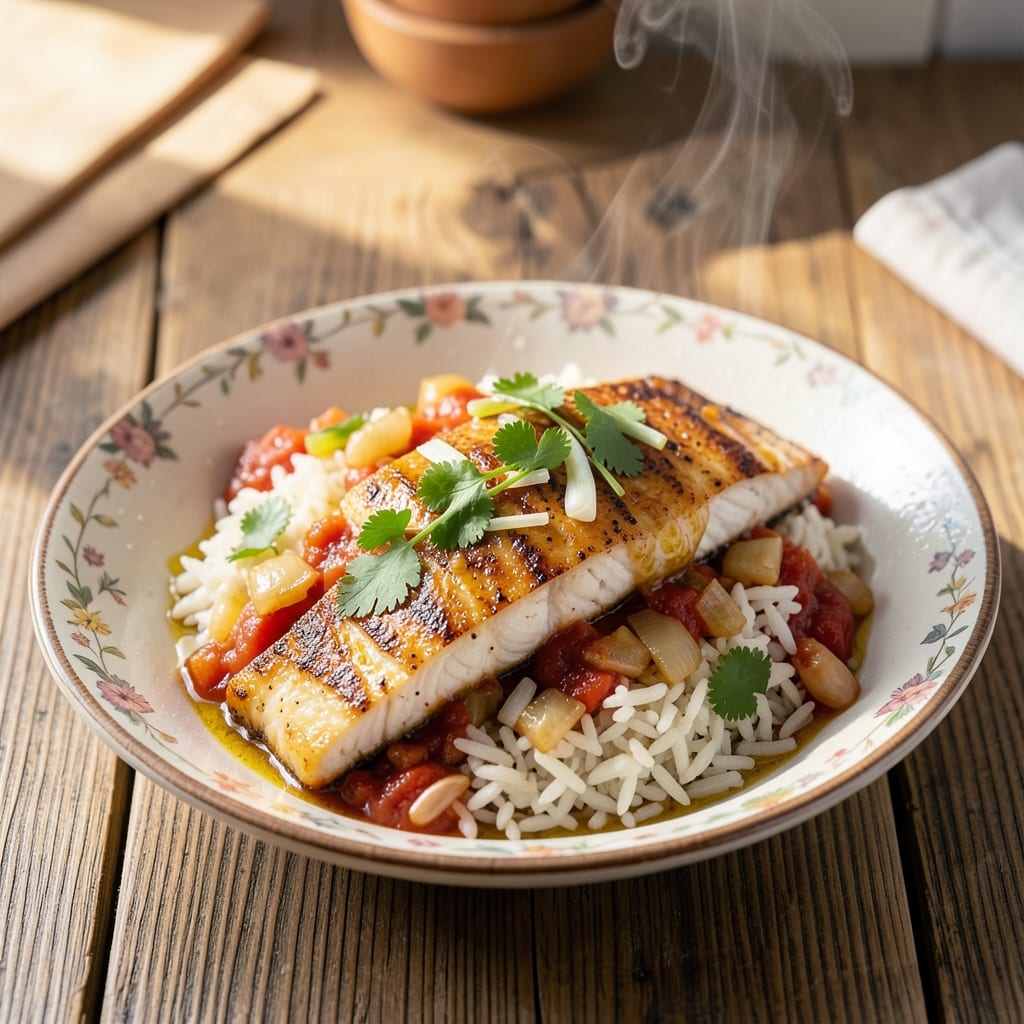
This African fish and rice recipe transforms a simple one-pot meal into a flavor-packed celebration of West African cuisine. The aromatic blend of tomatoes, onions, and spices creates a rich, savory base that perfectly complements tender fish and fluffy rice—all cooked together for maximum flavor infusion. I first discovered this dish during a trip to Ghana, where it became a staple in my meals for its bold flavors and ease of preparation.
The beauty of this recipe lies in its simplicity: just one pot, minimal cleanup, and a 30-minute cooking time that delivers restaurant-quality results. The fish absorbs the spiced tomato sauce while the rice cooks to perfection, creating a dish that's hearty, satisfying, and full of cultural depth. Traditional African fish and rice often include ingredients like ginger, garlic, and Scotch bonnet peppers, which add layers of warmth and complexity.
What you'll end up with is a vibrant, fragrant dish that's perfect for family dinners or special occasions. The rice is infused with the essence of the fish and sauce, while the fish remains tender and flavorful. Serve it with a side of fried plantains or a fresh cucumber salad to balance the richness. This recipe isn't just a meal—it's a taste of Africa brought to your kitchen.
Whether you're cooking for a crowd or treating yourself to a flavorful weeknight dinner, this one-pot African fish and rice is a game-changer. The technique is foolproof, and the results are always impressive. Let's get started on creating this delicious, spice-infused feast!
Ingredients for african fish and rice
West African flavors meet simple one-pot ease with these 17 ingredients.
| Ingredient | Amount | Notes |
|---|---|---|
| White Fish Fillets 🐟 | 1 ½ lb | Firm white fish like cod or tilapia |
| Long-Grain White Rice 🍚 | 1 ½ cups | Uncooked, jasmine or basmati preferred |
| Tomato Paste 🍅 | ½ cup | High-quality, no salt added |
| Yellow Onion 🧅 | 1 whole | Medium size, finely chopped |
| Fresh Ginger 🌿 | 1 tbsp | Grated, freshly grated preferred |
| Garlic Cloves 🧄 | 4 cloves | Minced, fresh preferred |
| Scotch Bonnet Pepper 🌶️ | 1 whole | Seeded and finely chopped (or substitute habanero) |
| Ground Cumin 🌿 | 1 tsp | Freshly toasted for best flavor |
| Ground Coriander 🌿 | 1 tsp | Freshly ground preferred |
| Smoked Paprika 🌶️ | 1 tsp | Sweet or hot variety |
| Dried Thyme 🌿 | ½ tsp | Or 1 tsp fresh thyme leaves |
| Vegetable Oil 🫒 | 2 tbsp | High smoke point like canola |
| Chicken or Vegetable Broth 💧 | 1 ½ cups | Low-sodium preferred |
| Lemon Juice 🍋 | 1 tbsp | Freshly squeezed |
| Salt 🧂 | 1 ½ tsp | Adjust to taste |
| Black Pepper 🌶️ | ½ tsp | Freshly ground preferred |
| Fresh Cilantro 🌿 | ¼ cup | Chopped, for garnish |
The fish is the star, so choose wisely. Cod or tilapia hold up best in the spiced sauce, but any firm white fish works. For the rice, jasmine or basmati grains stay separate and fragrant. The tomato paste is non-negotiable—Mueller's or Hunt's are reliable choices. Fresh ginger and garlic make all the difference, so don't substitute with powdered versions. If you can't find Scotch bonnet, habanero or jalapeño add heat, just adjust the quantity. For the spices, Penzeys or bulk bins offer the freshest options, but regular grocery store brands work fine. Toast your cumin and coriander quickly in a dry pan before adding to the pot—this deepens their flavor instantly.
No Scotch bonnet? Habanero or jalapeño work, but start with half and adjust to taste. Fresh thyme unavailable? Dried works at half the amount. For the broth, low-sodium chicken or vegetable keeps the dish balanced. The rice can be substituted with quinoa or couscous for a different texture. If you prefer milder heat, bell pepper instead of Scotch bonnet works beautifully. The lemon juice brightens everything, but lime juice works too. For extra richness, add a splash of coconut milk at the end. And if you're feeling adventurous, swap half the fish for shrimp or mussels—they cook faster and add texture.
This dish reheats beautifully—just add a splash of broth if it's dried out. Store in an airtight container for 3-4 days in the fridge. The flavors actually improve overnight as everything melds together. For meal prep, cook a double batch and freeze portions for up to 3 months. The rice stays separate and fluffy when reheated gently. Garnish with fresh cilantro right before serving—it adds a bright contrast to the rich, spiced sauce. If you're serving with plantains, cook them separately as they need a crispy exterior that won't hold up in the pot.
Why You'll Love This Recipe
- One-Pot Magic: I swear by this recipe when I’m too tired to wash dishes—just rice, fish, and a few pantry staples all simmering together. That tomato paste and ginger? They melt into a rich, fragrant base without any extra fuss.
- Flavor Bomb: The moment the fish hits that spiced tomato-ginger sauce, it turns into something ridiculously good. Crispy edges, tender center, and that subtle heat from the ginger—it’s the kind of dish that makes you pause mid-bite.
- Lunchbox Hero: Between us, this is my go-to for meal prep. Cook a big batch, and the rice stays fluffy while the fish reheats beautifully. Pack it for work or school, and you’ve got a satisfying, protein-packed lunch that doesn’t taste like leftovers.
- Budget Win: White fish and rice are cheap, but this recipe stretches them into something special. A single can of tomato paste and a small onion make the whole thing sing—no fancy ingredients, just smart flavor. Honestly, it’s my secret weapon for feeding a crowd without breaking the bank.
Step-by-step instructions for African fish and rice
Here's how to create a flavorful one-pot dish with perfectly balanced spices and tender fish.
Sauté the Aromatic Base
Heat the 2 tablespoons vegetable oil in a large, heavy-bottomed pot over medium heat. Add the finely chopped yellow onion and cook for 3-4 minutes until soft and translucent. This foundational step develops the dish's depth of flavor.
Next, add the minced garlic cloves and grated fresh ginger, cooking for 1 minute until fragrant. Immediately stir in the seeded and finely chopped Scotch bonnet pepper—this is where the heat builds. Let it cook for 30 seconds until the raw garlic smell disappears completely. The spices should now perfume the oil beautifully, setting the stage for the rice and fish to absorb these flavors.
Toast the Spices and Add Tomato Paste
Lower the heat to medium-low and add the ground cumin, ground coriander, smoked paprika, and dried thyme. Stir continuously for 1-2 minutes until the spices become aromatic and toast slightly. This step enhances their flavor and prevents bitterness.
Increase heat back to medium and stir in the ½ cup tomato paste. Cook for 2-3 minutes until it darkens slightly and becomes oilier—this indicates the paste has broken down and released its full flavor. The mixture should coat the back of a spoon, creating a rich base for the rice and fish.
Cook the Rice and Add Broth
Add the 1.5 cups long-grain white rice and stir to coat it evenly with the spiced tomato mixture. Cook for 1 minute to toast the rice slightly, which improves texture and prevents mushiness. Pour in the 1.5 cups chicken or vegetable broth and bring to a gentle boil.
Once boiling, reduce heat to low, cover the pot tightly with a lid, and simmer for 10 minutes. Avoid peeking or stirring—this ensures even cooking and prevents the rice from sticking. The rice should absorb most of the liquid, leaving some moisture behind for steam.
Add Fish and Finish Cooking
After the rice has cooked for 10 minutes, gently stir in the 1.5 lb white fish fillets (cod or tilapia work best). The fish should be nestled among the rice grains, not stacked on top. Sprinkle with the 1.5 teaspoons salt, ½ teaspoon black pepper, and 1 tablespoon lemon juice. Cover and simmer for an additional 8-10 minutes until the fish flakes easily with a fork.
Here's the key: The fish is done when it's opaque throughout and separates cleanly at the thickest part. Overcooking will make it dry, so time it carefully. The rice should be tender but still have a slight bite, with any remaining liquid absorbed.
Rest and Garnish
Remove the pot from heat and let the dish rest, covered, for 5 minutes. This allows the fish to retain its juices and the rice to finish absorbing any remaining moisture. The flavors will meld beautifully during this time.
Before serving, fluff the rice gently with a fork and garnish with the ¼ cup chopped fresh cilantro. The bright green color contrasts beautifully with the golden-brown rice and fish, adding a fresh finish. Serve immediately while the fish is still warm and the spices are aromatic.
Pro Tips For Making African Fish And Rice
- Sear the Fish First: Don’t just toss the fish into the sauce—pat the fillets dry, season with salt, and sear them skin-side down in a hot pan with a little oil for 2-3 minutes until golden. I used to skip this, and the fish always ended up dry and flavorless; now it stays juicy while soaking up the rich tomato-ginger base.
- Soak the Rice Overnight: Rinse your long-grain rice thoroughly, then let it soak in water for at least 4 hours (or overnight if you remember). My grandmother swore by this, and she was right: the grains stay separate and fluffy, not mushy, even after simmering in the fish broth.
- Low and Slow for the Sauce: After adding tomato paste and ginger, reduce the heat to medium-low and let the sauce simmer uncovered for 10-15 minutes. Rushing this step makes the dish taste raw—let the flavors meld, and you’ll get that deep, caramelized taste without burning the ginger.
- Use a Blender for Smooth Paste: Instead of scraping tomato paste directly into the pot, blend the cooked onions, ginger, and a splash of broth first for a silky texture. Sounds weird, but it works: the sauce becomes velvety, and the fish absorbs it better—no grainy bits to ruin the dish.
Regional styles of this recipe
Ghanaian Jollof Rice
This West African classic swaps the tomato base for a vibrant blend of tomatoes, peppers, and spices. Use 1 can (14 oz) diced tomatoes instead of tomato paste, and add 1 tbsp tomato paste separately. Stir in 1 tsp thyme, 1 tsp curry powder, and ½ cup coconut milk at the end for richness. The dish becomes slightly sweeter and more aromatic, with a signature red hue that's iconic in Ghanaian cuisine. 🌶️
Nigerian Fried Rice
For a crispier, drier version, cook the rice separately and stir-fry it with the fish and sauce. Use 2 tbsp vegetable oil to sauté 1 cup cooked rice until golden, then mix with the fish and spiced tomato base. Add 1 diced bell pepper and ½ cup peas for extra texture. This version is popular in Nigerian street food and pairs well with fried plantains or coleslaw. 🍚
Senegalese Thiéboudienne
This coastal variation uses fish stock instead of broth and incorporates leafy greens. Replace the broth with 1.5 cups fish stock, then stir in 2 cups chopped collard greens or spinach during the final 5 minutes of cooking. The greens wilt into the dish, adding a subtle earthiness that balances the spice. Serve with a side of yassa sauce (onion-based) for dipping. 🌿
Ivorian Attiéké with Fish
Swap the rice for 1.5 cups attiéké (cassava flour), a staple in Côte d'Ivoire. Cook the cassava flour in the spiced tomato base with 2 cups water instead of broth, stirring constantly until it thickens to a porridge-like consistency. Add the fish in the last 8 minutes, then finish with 1 tbsp palm oil for a rich, nutty flavor. This version is creamier and has a slightly chewy texture. 🥥
Cameroonian Nkui
This version replaces rice with 1.5 cups millet or sorghum, common grains in Central African cuisine. Cook the grains in the spiced tomato base with 1.5 cups water until tender. Add the fish in the final 10 minutes, then finish with 1 tbsp peanut butter for a nutty depth. The grains stay separate and have a slightly chewy bite, contrasting beautifully with the tender fish. 🌾
Modern Fusion Twist
For a contemporary take, blend ½ cup coconut milk into the tomato base before adding rice. Add 1 cup diced pineapple in the final 5 minutes of cooking for a sweet-spicy balance. Garnish with toasted coconut flakes and lime wedges. This fusion version works well for brunch or as a lighter weeknight meal. 🍍
Nutrition facts
Frequently asked questions
What type of fish works best for this African fish and rice dish?
Firm white fish like cod or tilapia are ideal—they hold up well in the spiced tomato sauce without falling apart. Haddock or mahi-mahi also work beautifully. Avoid delicate fish like flounder or sole, as they may disintegrate during the 18-minute cooking time with the rice.
Can I make this recipe without Scotch bonnet peppers?
For milder heat, substitute with habanero (halved quantity) or jalapeño (double quantity). If you prefer no heat at all, use bell pepper instead—just reduce the amount to 1 teaspoon for balance. The dish will still have depth without the spice kick.
Why does my rice turn out mushy?
Overstirring or peeking while cooking releases steam and breaks down the rice grains. The key is to cover the pot tightly and avoid lifting the lid during the 10-minute rice cooking phase. Also, make sure your rice-to-liquid ratio is correct—1.5 cups rice to 1.5 cups broth should yield fluffy, separate grains.
How can I make this dish spicier?
Boost the heat by adding ½ teaspoon cayenne pepper with the other spices, or stir in 1 teaspoon hot sauce during the final 5 minutes of cooking. For extra depth, toast ½ teaspoon crushed red pepper flakes in the oil at the start. Always taste as you go—African cuisine balances heat with acidity, so a splash of extra lemon juice helps too.
Can I prepare this ahead of time for meal prep?
Yes! Cook the dish as directed, then let it cool completely before storing in an airtight container in the fridge for 3-4 days. The flavors actually improve overnight. For reheating, add 1-2 tablespoons broth to prevent drying out, then warm on low heat for 5-7 minutes until everything is steaming. Garnish with fresh cilantro just before serving.