
Main Courses
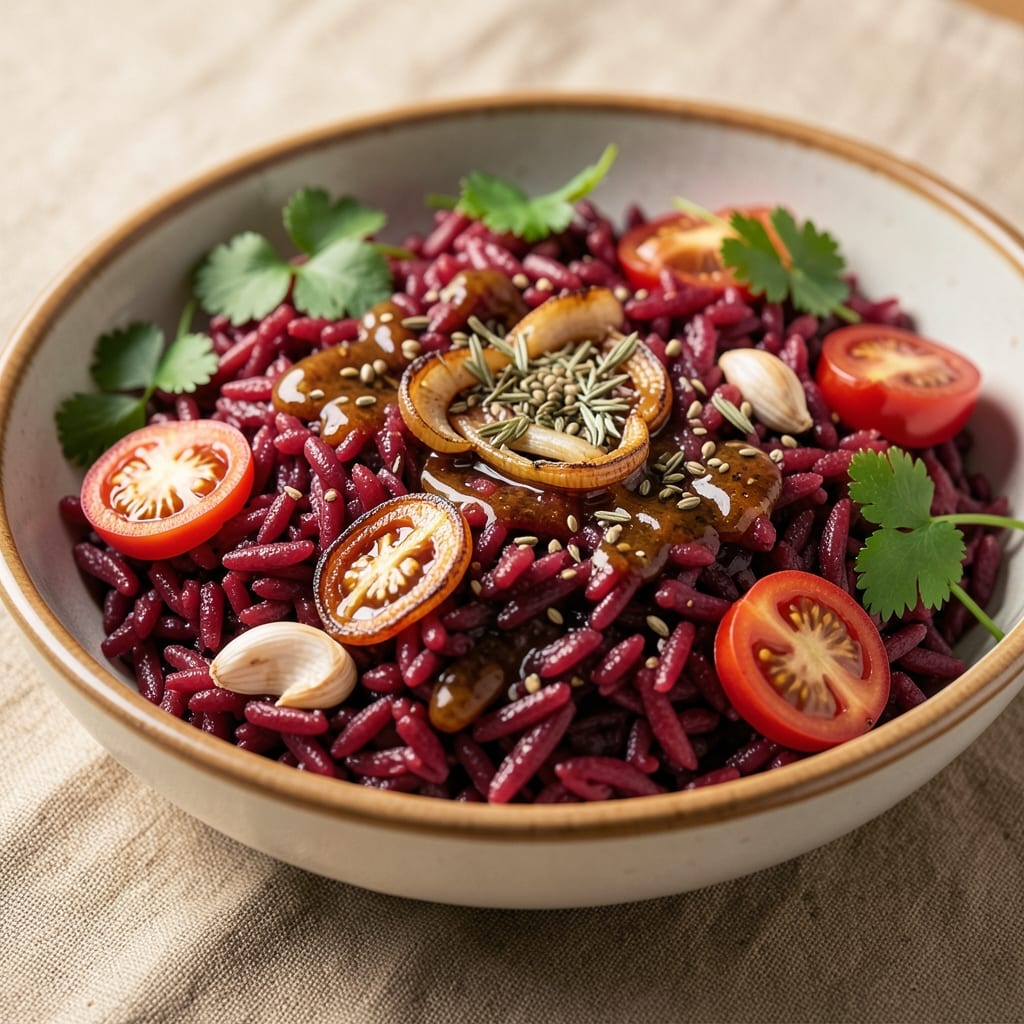
This African red rice recipe transforms humble ingredients into a vibrant, aromatic dish that carries the soul of West African cuisine. The deep red hue comes from soaking the rice in tomato paste and spices, creating a rich, tangy base that builds flavor as it simmers. What starts as a simple one-pot meal becomes something extraordinary—packed with smoky thyme, garlic, and onions that meld into a fragrant, slightly sweet sauce.
The beauty of this recipe lies in its versatility—it works as a standalone vegetarian dish or as the perfect companion to grilled chicken, fish, or shrimp. The rice absorbs all the bold flavors while maintaining its signature texture: tender yet slightly chewy, with each grain infused with the tomato-spice blend. Unlike traditional white rice dishes, this version delivers complexity in every bite, thanks to the slow-braised technique that deepens the flavors.
What makes this dish truly special is how it comes together with minimal effort but maximum reward. No special equipment is needed—just a pot, a few pantry staples, and patience for the rice to soak and simmer. The result? A tomato-braised spice bomb that’s as visually striking as it is delicious, with a vibrant red color that signals a meal worth celebrating. Perfect for family dinners, potlucks, or whenever you crave a dish that’s both comforting and full of character.
Once you try this recipe, you’ll understand why African red rice has become a staple in homes across the continent—and why it deserves a place on your table. The secret isn’t complicated; it’s all about letting the spices and tomatoes work their magic over time. Ready to make this dish your new go-to? Let’s get started.
Ingredients for african red rice
Tomato paste, thyme, and garlic kick off this vibrant West African classic—simple ingredients that pack bold flavor.
| Ingredient | Amount | Notes |
|---|---|---|
| Long-Grain White Rice 🍚 | 1 ½ cups | Uncooked, rinsed well |
| Tomato Paste 🍅 | ½ cup | High-quality, unsweetened |
| Dried Thyme 🌿 | 1 tbsp | Or 1 tbsp fresh thyme |
| Garlic Cloves 🧄 | 4 cloves | Minced or finely chopped |
| Yellow Onion 🧅 | 1 whole | Medium, diced |
| Vegetable Oil 🫒 | ¼ cup | For sautéing |
| Dried Bay Leaves 🌿 | 2 whole | Removed before serving |
| Ground Black Pepper 🌶️ | ½ tsp | Freshly ground preferred |
| Salt 🧂 | 1 ½ tsp | Adjust to taste |
| Ground Cumin 🌿 | ½ tsp | Toasted for depth |
| Ground Ginger 🌿 | ¼ tsp | Freshly ground preferred |
| Water 💧 | 2 ½ cups | Or low-sodium broth |
| Fresh Bell Pepper 🍆 | ½ whole | Red or green, diced (optional) |
| Scotch Bonnet Pepper 🌶️ | ½ whole | Seeds removed for mild heat |
The tomato paste is where the magic happens—San Marzano if you can find it, but any good-quality brand works. Trader Joe's or Whole Foods bulk bins are great for spices like thyme and cumin, but don't stress if you only have basic pantry spices. The garlic and onion are your flavor anchors—sauté them until soft and sweet, not browned. For the rice, jasmine or basmati work perfectly if you've got them, but long-grain white is the classic choice. Rinse it well to remove excess starch, which keeps the grains separate and vibrant.
No fresh thyme? Dried works at half the amount, but trust me, fresh is worth hunting down at the grocery store's produce section. Running low on tomato paste? Crushed tomatoes at double the amount will stretch you through, though the texture won't be quite as rich. The Scotch bonnet can be swapped for jalapeño or habanero if that's what's in your freezer—just adjust the seeds for heat. For a vegetarian version, skip the optional bell pepper if you're watching carbs, or add frozen peas or corn for extra veggies. The rice soaks up all the flavors, so don't skimp on the spices—this is where the depth comes from.
This rice tastes even better the next day—honestly, the flavors meld more overnight. Keeps in the fridge for 4-5 days in an airtight container, and freezes beautifully for up to 3 months. I like to make a double batch and portion it into containers for easy lunches. For reheating, add a splash of water or broth to prevent drying out. The leftovers actually reheat better than day-old rice—trust the process.
Why You'll Love This Recipe
- Pantry Staple Power: I swear by this recipe because it uses things I always have—tomato paste, onions, garlic—no fancy shopping required. The rice soaks up the rich, herby sauce like a sponge, turning basic ingredients into something that tastes like a celebration.
- One-Pot Magic: Honestly, I don’t even own a rice cooker, and this still comes out perfect. Just sauté the onions and garlic, stir in the tomato paste and thyme, add the rice and water, and let it simmer. Minimal chopping, zero fuss, and the rice cooks right in the sauce—no separate pot, no extra cleanup.
- Weeknight to Dinner Party: Between us, this is my go-to for lazy nights and when I actually dress up. The deep, smoky tomato-thyme flavor feels fancy, but it’s still the same easy recipe. Serve it with grilled chicken for a weeknight win or pair it with steak for a weekend showstopper.
- Leftovers That Don’t Suck: I make a big batch on Sundays because the flavor actually improves the next day. The rice gets even more tender, and the sauce clings to every grain—no dry, sad rice here. Reheat it with a splash of water, and it’s just as good as day one. (Yes, even on a Tuesday night.)
Step-by-step instructions for African red rice
Here's how to make this bold, tomato-braised rice dish with deep flavors and perfect texture.
Sauté the Aromatics in Vegetable Oil
Heat the 0.25 cup vegetable oil in a heavy-bottomed pot over medium heat. Add the 1 whole diced yellow onion and cook for 5 minutes until softened and translucent. This is your flavor foundation—don't rush it.
Next, add the 4 cloves minced garlic cloves and cook for 1 minute until fragrant. Here's the thing—garlic burns fast, so keep an eye on it. If it starts to brown too quickly, reduce the heat slightly. You want the aroma to fill your kitchen, not the smoke detector to go off.
Toast the Spices and Add Tomato Paste
Stir in the 1 tbsp dried thyme, 0.5 tsp ground cumin, 0.25 tsp ground ginger, 0.5 tsp ground black pepper, and 1.5 tsp salt. Toast these spices for 30 seconds—you'll smell that earthy, warm aroma developing. This step builds depth of flavor that you can't skip.
Now add the 0.5 cup tomato paste and stir well to combine with the spices. Cook for 2 minutes until the paste darkens slightly and coats the onions. This creates a rich, concentrated base for your rice. If the mixture sticks, add a splash of water to help it release from the pot.
Deglaze and Add Liquid Ingredients
Pour in the 2.5 cups water and scrape up any browned bits from the bottom of the pot—this is where all the flavor hides. Add the 0.5 whole diced fresh bell pepper (if using) and the 0.5 whole Scotch bonnet pepper (seeds removed). Stir everything together and bring to a gentle boil.
Reduce heat to medium-low and add the 2 whole dried bay leaves. Let the mixture simmer for 5 minutes until slightly reduced. You're building a flavorful broth that will infuse the rice. The liquid should smell like a spice market—earthy, slightly sweet, and with a hint of heat.
Cook the Rice to Perfect Texture
Add the 1.5 cups rinsed long-grain white rice and stir once to distribute evenly. Bring to a boil again, then immediately reduce heat to low. Cover the pot tightly with a lid and let it cook undisturbed for 20 minutes. This is where patience pays off—don't peek or stir.
After 20 minutes, check the rice. It should be tender but still have a slight bite. If it's not quite done, cover and cook for another 5-10 minutes on low heat. The rice should absorb all the liquid but still have a slight moisture—this gives that signature African red rice texture.
Rest and Serve with Flavorful Garnish
Turn off the heat and let the rice sit covered for 5 minutes. This resting period allows the flavors to meld and the rice to finish cooking evenly. Remove the 2 whole dried bay leaves before serving—you don't want them in your final dish.
Fluff the rice gently with a fork and serve immediately. The dish should have a rich, tomato-infused flavor with a perfect balance of heat from the Scotch bonnet. If you want extra depth, garnish with fresh cilantro or a squeeze of lime. This one-pot wonder delivers restaurant-quality flavor with minimal effort—exactly what you want from African red rice.
Pro Tips For Making African Red Rice
- Bloom the Onion First: After burning three batches of tomato paste, I finally learned to sweat the onions until they’re translucent and just starting to caramelize—about 8-10 minutes on medium-low. This softens their sharpness and deepens the sauce’s flavor before the tomato paste even hits the pan.
- Toast the Rice Dry: Skip the watery rinse—pat the long-grain rice completely dry, then toast it in the pot with oil over medium-high for 3-4 minutes until it smells nutty. This prevents mushiness and builds that signature toasty base the tomato paste needs to cling to.
- Stir the Tomato Paste: Don’t just dump it in. Spread that paste into a thin layer first, then let it cook undisturbed for 2-3 minutes until it darkens slightly. Only then add the onions and garlic—this stops it from clumping and ensures even color.
- Season the Rice Mid-Cook: Taste the rice halfway through cooking—it’ll need more salt than you expect, especially if you’re using low-sodium tomato paste. A pinch of salt at this stage guarantees it’s perfectly seasoned, not bland or overpowering. (Yes, even if you’re impatient like me.)
Common mistakes when making your african red rice
Skipping the Soak
I’ve seen so many cooks rush this step, but soaking the rice in the tomato-spice mixture for at least 15 minutes (or up to 30 minutes) is what gives African red rice its signature deep flavor. Skipping it means the rice absorbs less of that rich, tangy tomato base, leaving you with bland grains. Pro tip: Use warm water for soaking—it helps the spices infuse faster. 🌶️
Overcrowding the Pot
Using a heavy-bottomed pot is key, but overfilling it with too much rice or liquid can lead to uneven cooking or even boiling over. Stick to the 1.5 cups rice to 2.5 cups liquid ratio—this ensures the rice cooks evenly without steaming out of control. If your pot is wide and shallow, reduce the liquid slightly to 2 cups instead.
Stirring Too Often
Once the rice hits the pot, resist the urge to stir constantly. Frequent stirring releases excess starch, which can make the rice mushy instead of fluffy. Stir just once after adding the rice, then let it cook undisturbed for 20 minutes. Peeking or stirring breaks the steam, which throws off the texture. Trust the process—patience is your friend here. ⏰
Ignoring the Resting Time
Rushing to serve the rice right after cooking is a common mistake. Letting it rest covered for 5 minutes allows the steam to redistribute, ensuring each grain is perfectly tender. Skipping this step often results in dry, unevenly cooked rice. I’ve learned this the hard way—always give it that final rest! 💡
Using Low-Quality Tomato Paste
The tomato paste is the soul of this dish, so don’t cut corners here. Cheap, watery tomato paste won’t give you that rich, concentrated flavor. Invest in a high-quality brand like San Marzano or Whole Foods 365—they’re worth the extra cost. If you’re in a pinch, crushed tomatoes can work in a bind, but the texture won’t be as luxurious.
Burning the Garlic
Garlic burns faster than you think, and once it’s browned, it turns bitter. Keep the heat at medium when sautéing and watch it closely. If it starts to darken too quickly, reduce the heat or pull the pot off the burner for a moment. The goal is fragrant, not crispy—this sets the foundation for all the flavors to come. 🧄
Nutrition facts
Frequently asked questions
Why does African red rice have such a vibrant color?
The deep red hue comes from soaking the rice in a rich tomato-spice mixture before cooking. The tomato paste and spices infuse the grains, creating that signature color while building layers of flavor. The longer you soak the rice (up to 30 minutes), the more intense the color and taste become.
Can I make this recipe without Scotch bonnet pepper?
If you don't have Scotch bonnet, swap it for jalapeño or habanero (remove seeds for less heat) or even a pinch of cayenne. For a milder version, skip the pepper entirely—the dish will still be flavorful, just less spicy. The key is balancing the heat with the tomato's natural sweetness.
How do I adjust this for a larger crowd?
Double or triple the recipe using the same ratios: 1.5 cups rice to 2.5 cups liquid per serving. Use a larger pot (like a Dutch oven) to maintain even cooking. For 8 servings, you'll need 6 cups rice and 10 cups liquid. Just ensure your pot isn't overcrowded—leave about 1 inch of space at the top.
What proteins pair best with this dish?
African red rice is incredibly versatile! Grilled chicken thighs, smoked shrimp, or pan-seared fish fillets are classic pairings. For a vegetarian option, add black-eyed peas or chickpeas during the last 10 minutes of cooking. The rice's bold flavors complement rich, hearty proteins beautifully.
Can I make this in an Instant Pot or rice cooker?
Yes, but with adjustments. For an Instant Pot, sauté the aromatics and spices first, then add all ingredients (including rice) and cook on high pressure for 10 minutes. Let it natural release for 5 minutes before opening. In a rice cooker, follow the same steps but reduce liquid to 2 cups and cook on the "white rice" setting—check for doneness 5 minutes early.