
Main Courses
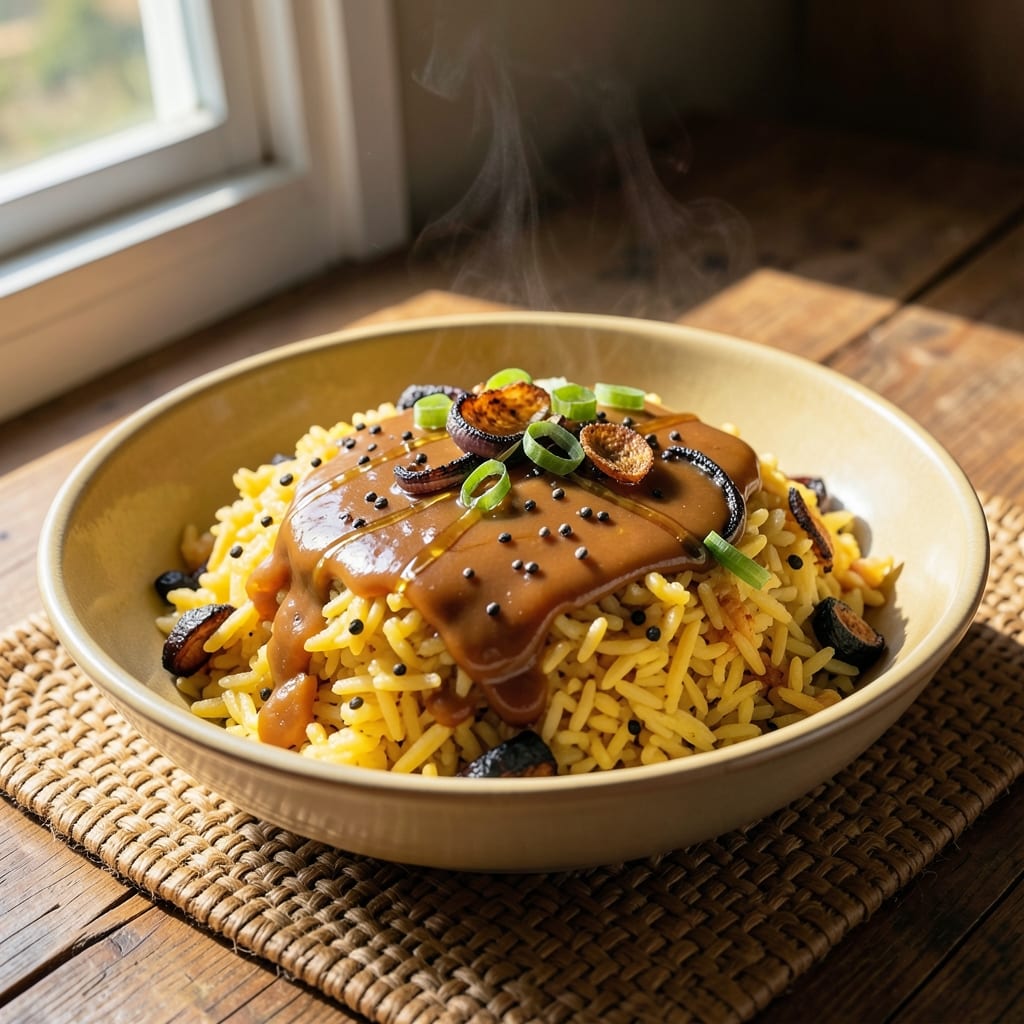
This African yellow rice recipe transforms simple grains into a vibrant, aromatic masterpiece that belongs at the center of every West African feast. The secret lies in toasting whole spices until they release their deep, earthy fragrance—think ginger, garlic, and thyme—before simmering them in a rich tomato broth with saffron-infused rice. I first tasted this dish at a family gathering in Accra, where it was served alongside grilled chicken and fried plantains, and it became an instant favorite. The rice absorbs the flavors so completely that every bite carries layers of warmth and complexity.
What sets this dish apart is the balance of textures and flavors: the rice remains tender yet slightly firm, while the tomato broth develops a velvety consistency that clings to each grain. The spices—cumin, mustard seeds, and Scotch bonnet peppers—are toasted until fragrant, creating a foundation that’s both bold and nuanced. This recipe isn’t just a side dish; it’s a celebration of West African culinary tradition, where humble ingredients are elevated through technique and patience. The result is a dish that’s as impressive as it is comforting, perfect for weeknight dinners or special occasions.
The process begins with soaking the rice to ensure it stays distinct and fluffy, then simmering it in a spiced tomato broth until the flavors meld perfectly. The saffron, though optional, adds a golden hue and subtle floral note that ties everything together. Whether you serve it alongside grilled meats, fish, or as a vegetarian main with beans and vegetables, this yellow rice will be the star of your table. It’s a dish that speaks to tradition while feeling entirely modern—proof that the best recipes stand the test of time.
Ready to bring the flavors of West Africa into your kitchen? This recipe is designed to be approachable yet deeply flavorful, with step-by-step instructions that guide you through each stage—from toasting the spices to achieving that perfect golden hue. The key is patience and attention to detail, but the reward is a dish that’s worth every minute of effort. Let’s get started!
Ingredients for african yellow rice
Toasted spices, saffron threads, and fragrant broth—this is your ticket to West African flavor magic.
| Ingredient | Amount | Notes |
|---|---|---|
| Long-Grain White Rice 🍚 | 2 cups | Uncooked, rinsed thoroughly |
| Tomato Paste 🍅 | ½ cup | Smooth, no sugar added |
| Chicken Broth 💧 | 3 cups | Low-sodium preferred |
| Scotch Bonnet Peppers 🌶️ | 1 whole | Seeds removed for mild heat |
| Cumin Seeds 🌿 | 1 ½ tbsp | Whole, toasted until fragrant |
| Mustard Seeds 🌶️ | 1 tbsp | Whole, toasted until popping |
| Garlic Cloves 🧄 | 6 cloves | Minced, fresh preferred |
| Fresh Ginger 🌿 | 2 tbsp | Grated, peeled |
| Fresh Thyme 🌿 | ¼ cup | Chopped, stems removed |
| Saffron Threads 🌼 | ¼ tsp | Optional, for golden hue |
| Olive Oil 🫒 | ½ cup | Extra-virgin for richness |
| Salt 🧂 | 1 ½ tsp | Kosher or sea salt |
| Black Peppercorns 🌶️ | ½ tsp | Freshly ground |
| Bay Leaves 🌿 | 2 whole | Dried, for depth of flavor |
| Onion 🧅 | 1 whole | Medium, diced |
The spices are the soul of this dish—toast them until fragrant in olive oil before adding liquid. Whole cumin and mustard seeds from Penzeys or your local African market have the most punch, but grocery store brands work in a pinch. Scotch bonnet peppers? Use gloves—they pack serious heat. If you can't find them, swap for habanero (seeds removed) or even jalapeño at half the amount. Fresh ginger and thyme should smell vibrant—bruised or wilted means toss it. The saffron? Sprinkle it in last—it's pricey stuff, and you only need a pinch.
No Scotch bonnet? Habanero or jalapeño works, but reduce to half the amount. Dried thyme is fine in a bind—use half the fresh amount. Short on saffron? Turmeric at a quarter teaspoon gives color but no floral note. The tomato paste can be jarred (Rao's is my go-to), but fresh tomato sauce works too. Toast your spices low and slow—burnt means bitter. And if your rice turns mushy? Soak it first—this keeps grains distinct. The broth matters too—low-sodium so you can control the salt.
This rice tastes even better the next day—double the batch if you can. Store leftovers in the fridge for up to 5 days, or freeze for 3 months. Reheat gently with a splash of water or broth. Saffron rice freezes beautifully—portion into containers with a layer of broth to keep it moist. For extra flair, serve with a sprinkle of fresh thyme or a drizzle of olive oil. Leftovers make amazing fried rice—just crisp them up in a hot pan with a little oil.
Why You'll Love This Recipe
- Pantry-Friendly Magic: I swear by this recipe when I forget to grocery shop. Just rice, tomato paste, broth, and a few spices—no specialty items needed. That Scotch bonnet peppers? One tiny piece packs enough heat to wake up your whole plate.
- Golden, Nutty Perfection: The cumin and tomato paste work together like a dream, giving it that signature African yellow hue and a depth you won’t find in plain white rice. Honestly, the first time I tasted it, I immediately doubled the recipe.
- Weeknight to Potluck Star: Make a big batch on Sunday—it reheats beautifully for lunches all week. Or bring it to a gathering; it’s neutral enough to pair with grilled meats, fish, or even veggies, but bold enough to stand alone.
- Budget Booster: A single bag of rice and a jar of tomato paste stretch across multiple meals. Between us, this is how I feed my family for under $10. The Scotch bonnet adds drama without breaking the bank—just use half a pepper!
Step-by-step instructions for African yellow rice
Transform simple rice into a vibrant, aromatic masterpiece with this bold West African technique.
Toast the Spices for Maximum Flavor
Heat the 0.5 cup olive oil in a large pot over medium heat. Add the 1 whole onion and cook for 5 minutes until softened and translucent. This step builds the flavor foundation—don't rush it.
Add the 1.5 tablespoons cumin seeds and 1 tablespoon mustard seeds to the pot. Stir constantly for 2-3 minutes until the seeds begin to sizzle and pop—this releases their aromatic oils. The kitchen will fill with an incredible spiced aroma. Immediately add the 6 cloves garlic and 2 tablespoons fresh ginger, cooking for 30 seconds until fragrant. Watch carefully—the garlic burns quickly, so keep the heat moderate.
Build the Rich Tomato Base
Lower the heat to medium-low and stir in the 0.5 cup tomato paste, spreading it evenly across the bottom of the pot. Cook for 3-4 minutes until the paste darkens slightly and develops a deep, caramelized flavor. This step creates the sauce's velvety texture.
Add the 1 whole Scotch bonnet pepper (seeds removed) and cook for 1 minute to soften slightly. Then pour in the 3 cups chicken broth, scraping up any browned bits from the bottom. Bring to a gentle simmer, then add the 2 whole bay leaves, 1.5 teaspoons salt, and 0.5 teaspoon black peppercorns. Stir in the 0.25 cup fresh thyme and 0.25 teaspoon saffron threads (if using). The saffron will infuse the liquid with its signature golden hue—this is when the magic happens.
Cook the Rice to Perfect Texture
Add the 2 cups long-grain white rice, stirring gently to coat each grain in the spiced liquid. Increase heat to medium-high and bring to a boil. Once boiling vigorously, reduce heat to low, cover tightly with a lid, and simmer for 20 minutes without disturbing.
After 20 minutes, check the rice. It should be tender but still slightly firm in the center. If the liquid has mostly absorbed, add ½ cup hot water or broth to prevent drying. The rice should cook in its own steam—this creates the signature fluffy texture. If the rice is still crunchy, cover and cook another 5-10 minutes. The key is patience—rushing leads to mushy rice.
Rest and Fluff for Restaurant-Quality Finish
Once the rice is tender and all liquid is absorbed, turn off the heat and let it sit covered for 10 minutes. This resting period allows the grains to fully absorb the flavorful liquid and develop that signature "yellow rice" color.
Using a fork, gently fluff the rice from the bottom up, being careful not to mash the grains. The rice should be tender yet hold its shape, with vibrant yellow strands from the saffron. Serve immediately while hot—this dish tastes best fresh from the pot. The aromatic spices will fill your kitchen with an irresistible West African warmth.
Pro Tips For Making African Yellow Rice
- Bloom the Tomato Paste: I used to just dump that thick paste in and stir—big mistake. Heat it with 2 tablespoons of oil first until it darkens slightly (about 3 minutes), then add your Scotch bonnet and cumin. This deepens the flavor and prevents that raw, metallic taste that ruins the dish. Trust me, the extra 3 minutes make a real difference.
- Toast the Cumin: Skip this at your peril—raw cumin seeds taste bitter and won’t release their earthy aroma. Dry-toast them in the same pot you’re cooking the rice (no oil needed) for 30 seconds until they smell like a spice market. Then add them to the tomato paste mix. Sounds weird, but it works: the rice will actually taste toasted, not medicinal.
- Layer the Broth Gradually: Pouring all the chicken broth at once dilutes the flavors and turns your rice into sad, watery mush. Instead, add half the broth first, let it simmer until mostly absorbed (about 10 minutes), then add the rest. This builds depth—like a flavor pyramid—and keeps the rice properly seasoned, not bland.
- Use a Heavy Pot: I learned this the hard way—light pots heat unevenly and burn the tomato paste before the rice is cooked. A heavy-bottomed Dutch oven or stainless steel pot distributes heat evenly, so the base caramelizes without sticking. Yes, it’s an investment, but your rice won’t clump or taste burnt. (And if you’re broke like me, a cast-iron skillet works too.)
Flavor customization for these flavors
Spice Level Control
Adjust the heat to your preference by modifying the Scotch bonnet pepper or swapping it entirely. For mild heat, remove all seeds and membranes, then use only ½ of the pepper. If you prefer no heat, substitute with 1 jalapeño or 1 teaspoon smoked paprika—this adds smokiness without spice. I often keep a small bowl of plain yogurt on the table for guests who want to temper the heat. 🌶️
Saffron Substitutes
Saffron is expensive, but you can still achieve a golden hue without it. Use ¼ teaspoon turmeric for color, though it lacks saffron’s floral notes. For a deeper flavor, add ½ teaspoon annatto seeds (toasted and ground) or 1 teaspoon ground coriander—both add warmth and a subtle golden tint. If you have safflower petals, steep them in the broth for 10 minutes before adding the rice. 💛
Protein-Inspired Variations
Transform this rice into a one-pot meal by adding 1 cup cooked chicken, shrimp, or chickpeas in the final 5 minutes of cooking. For a seafood twist, stir in ½ pound peeled shrimp (cooked separately) and finish with 1 tablespoon lemon juice. If using beef, brown ½ pound stew meat first, then proceed with the recipe—this adds a deep, savory richness. ✨
Herb and Citrus Brightness
Boost freshness with citrus zest or extra herbs. Add 1 teaspoon grated lemon or lime zest during the final 5 minutes of cooking for a bright contrast. For a herbaceous finish, sprinkle 2 tablespoons chopped cilantro or parsley on top before serving. If you love freshness, toss in ½ cup diced cucumber or bell pepper after cooking—this adds crunch and balances the spices. 💫
Smoky and Earthy Depths
For a smoky flavor, add 1 teaspoon liquid smoke or ½ teaspoon smoked paprika when toasting the spices. If you have grilled onions or peppers, chop them finely and stir in during the final 10 minutes of cooking. For an earthy twist, swap ½ cup of the broth for mushroom broth—this adds umami depth without altering the dish’s core flavors. 🔥
Sweet and Tangy Balance
Cut through the spices with sweet or tangy elements. Stir in 1 tablespoon honey or brown sugar during the tomato paste step for caramelized sweetness. For tang, add 1 tablespoon apple cider vinegar or ½ cup diced pineapple (cooked down) in the final 5 minutes. This variation works especially well with grilled pork or chicken. 🍯
Nutrition facts
Frequently asked questions
Can I use basmati rice instead of long-grain white rice? Yes, basmati rice works beautifully! Its slightly longer grains hold up well to the spiced broth and maintain a pleasant texture. Just
Why does my African yellow rice turn out mushy?
Mushy rice usually happens from overcooking or not soaking the rice first. Always soak the rice for 30 minutes before cooking to prevent it from absorbing too much liquid too quickly. Also, check the rice 5 minutes before the suggested cooking time—it should be tender but still slightly firm in the center. If needed, add ½ cup hot water instead of more broth to finish cooking.
What’s the best way to store leftovers?
Store cooked African yellow rice in an airtight container in the refrigerator for up to 5 days. For longer storage, freeze it for 3 months. To reheat, add a splash of water or broth and cover with a damp paper towel while microwaving for even heating. The flavors actually deepen overnight, making it taste even better the next day!
Can I make this vegetarian?
Skip the chicken broth and use vegetable broth instead. For extra protein, stir in 1 cup cooked chickpeas or ½ cup toasted cashews during the final 5 minutes of cooking. You can also add diced bell peppers or zucchini for freshness. The dish will still be rich and satisfying without meat.
How do I adjust the heat level?
For milder heat, remove all seeds and membranes from the Scotch bonnet pepper and use only half. For no heat at all, swap it with 1 jalapeño or 1 teaspoon smoked paprika. If you love spice, keep the seeds in and add an extra ¼ teaspoon cayenne pepper when toasting the spices. Always taste as you go!