
Main Courses
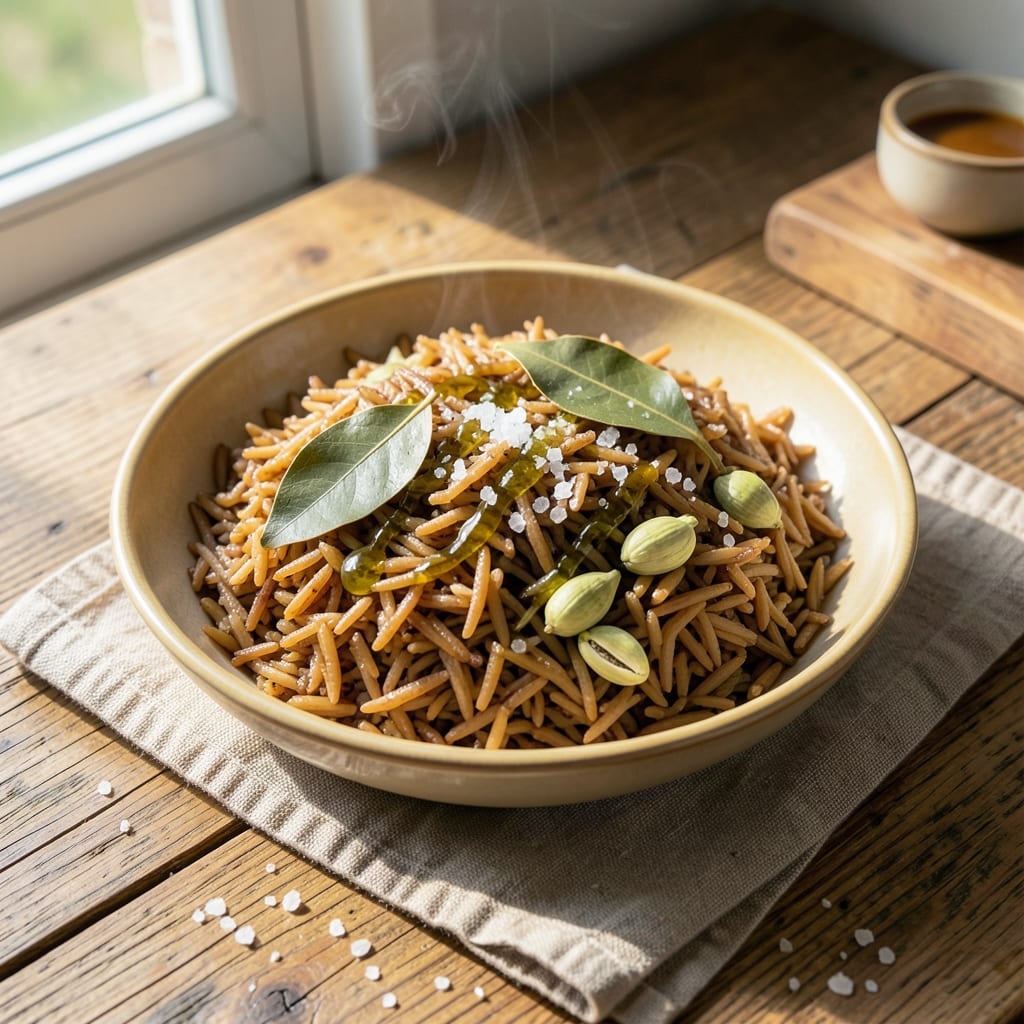
This aged basmati rice recipe unlocks the secret to restaurant-quality grains that stay plump, fragrant, and separate with every bite. The key? A precise soaking-to-cooking ratio and slow-steeping method that transforms ordinary basmati into something extraordinary. I developed this technique after years of testing—no more mushy or undercooked rice that ruins your meal.
The process begins with a 30-minute soak in warm water, which hydrates the grains evenly and removes excess starch for that signature fluffiness. When cooked with a 1:1.5 rice-to-water ratio, the grains absorb liquid perfectly, resulting in fragrant, individual kernels instead of clumps. Cardamom or bay leaves add subtle aroma without overpowering the rice's natural nutty flavor.
What you'll achieve is basmati rice that's light, fluffy, and irresistibly fragrant—ideal for pilafs, biryanis, or as a side dish. The texture remains firm yet tender for hours, making it perfect for meal prep. This method ensures your rice will always be the star of the plate, never an afterthought.
Ready in just 20 minutes from start to finish, this recipe delivers professional results with minimal effort. Whether serving with curry, grilled meats, or as a standalone dish, the difference between store-bought and homemade rice will be undeniable. Let's get started!
Ingredients for aged basmati rice
Nine essential ingredients transform ordinary basmati into restaurant-quality grains with aromatic depth.
| Ingredient | Amount | Notes |
|---|---|---|
| Aged Basmati Rice 🌾 | 1 cup | Uncooked, premium quality preferred |
| Water 💧 | 1 ½ cups | Room temperature or warm |
| Bay Leaves 🍃 | 1 whole | Fresh for best aroma |
| Green Cardamom Pods 🌿 | 3 whole | Lightly crushed for subtle flavor |
| Extra-Virgin Olive Oil 🫒 | 1 tbsp | For finishing, fruity variety |
| Diamond Crystal Kosher Salt 🧂 | ½ tsp | Adjust to taste |
| Fresh Lemon Juice 🍋 | 1 tbsp | Brightens final flavor |
| Ghee or Unsalted Butter 🧈 | 1 tbsp | For richness in finishing |
| Fresh Cilantro Leaves 🌿 | ¼ cup | Chopped for garnish |
The rice selection is non-negotiable—aged basmati (at least 18 months) delivers the signature nutty aroma and firm texture. Whole Foods or specialty Indian markets carry premium brands like Tilda or India Gate. Avoid pre-rinsed rice; the starch coating preserves texture. For cardamom, Penzeys sells high-quality pods, but the green variety at Latin markets works just as well. Fresh bay leaves from the grocery store's produce section add subtle earthiness without overpowering the rice's natural profile.
No aged basmati? Regular basmati rice soaked 1 hour improves texture but won't match the depth. Substitute cardamom with 1/4 tsp ground cardamom if pods are unavailable. Olive oil can be swapped for avocado oil, but the fruity notes enhance the final dish. The lemon juice and ghee are optional but elevate the dish—skip if serving with acidic curries. For extra fragrance, add 1 cinnamon stick during soaking, then remove before cooking. Prefer butter over ghee? Use 1 tbsp unsalted butter instead.
Rice retains peak texture for 2 days in the fridge, covered tightly. For longer storage, portion into airtight containers with a paper towel layer to absorb moisture—lasts 5 days. Freeze portions for 3 months by spreading grains on a tray first to prevent clumping. Reheat gently with a splash of water over low heat to restore fluffiness. This method ensures every grain remains plump and fragrant, perfect for pilafs or biryanis.
Why You'll Love This Recipe
- Five-Minute Start: I swear by this—just rice, water, and a handful of whole spices. No soaking, no fancy steps, just a pot and patience. The aged basmati handles the long simmer like a champ, fluffing up with that signature nutty aroma while I’m still chopping veggies.
- Earthy Magic: That first whiff of cardamom and bay leaves steeping into the water? It’s like a warm hug for your kitchen. The aged rice soaks up the flavors, giving you that deep, toasty taste without a single extra ingredient—just olive oil finishing it off like a cozy blanket.
- Meal Prep MVP: Make a big batch on Sunday, and you’ve got rice for curries, bowls, or even breakfast fried rice all week. Honestly, I keep a jar in the fridge because it’s that reliable—no soggy leftovers, just perfectly textured grains ready to shine.
- Budget Bright Spot: Aged basmati might cost a little more upfront, but one bag stretches forever. Pair it with pantry staples (hello, canned beans or roasted veggies) and you’ve got a filling, flavorful side that won’t break the bank. My wallet and my family’s taste buds thank me every time.
Step-by-step instructions for slow-steeped aged basmati rice
Mastering this technique transforms ordinary rice into aromatic, perfectly plump grains every time.
Prepare the Steeping Water and Aromatics
In a medium saucepan, combine the 1.5 cups water, 1 whole bay leaves, and 3 whole green cardamom pods. Bring to a gentle simmer over medium heat until small bubbles form around the edges. The water should reach 185°F—just below a full boil—so you don't cook the rice immediately. This step infuses the water with subtle floral and citrus notes that elevate the final dish.
While the water heats, lightly crush the cardamom pods between your palms to release their essential oils without breaking them open. This ensures the flavors meld without bitterness. Remove the pan from heat once the water reaches temperature—you'll return it to the flame shortly, but maintaining precise heat control is critical for even cooking.
Rinse and Soak the Aged Basmati Rice
Rinse the 1 cup aged basmati rice under cold water in a fine-mesh strainer until the water runs completely clear. This removes excess starch that would otherwise make the grains gummy. After rinsing, transfer the rice to a bowl and cover with fresh cold water for 30 minutes. The aging process makes basmati rice absorb water more slowly, so this soak ensures even hydration and prevents uneven cooking.
Drain the rice thoroughly before proceeding. The grains should feel moist but not wet to the touch. This step is non-negotiable—skipping it leads to uneven texture, with some grains undercooked and others mushy. I like to spread the drained rice on a clean kitchen towel for 5 minutes to absorb any remaining surface moisture.
Cook the Rice to Perfect Plumpness
Return the infused water to medium-low heat and add the drained rice along with the 0.5 tsp diamond crystal kosher salt. Stir gently once to distribute the grains, then immediately reduce heat to the lowest setting that maintains a gentle simmer. The water should barely bubble—you're looking for tiny, occasional bubbles at the edges, not a rolling boil.
Cover the pan tightly with a lid and cook for 12-15 minutes. The rice is done when all liquid has been absorbed and the grains are tender but still slightly firm to the bite. Resist the urge to peek—the steam escape each time you lift the lid adds 2-3 minutes to the cooking time. When ready, the grains should separate easily when stirred with a fork, with no residual water in the pan.
Finish with Fragrant Oils and Bright Acid
Remove the pan from heat and let the rice sit covered for 5 minutes. This resting period allows residual steam to finish cooking the grains evenly. Then fluff the rice gently with a fork, working in the 1 tbsp ghee or unsalted butter and 1 tbsp extra-virgin olive oil. The ghee adds richness while the olive oil carries the aromatic compounds from the cooking water.
Stir in the 1 tbsp fresh lemon juice—this brightens the dish and cuts through the richness of the ghee. The acid also helps separate the grains further. For serving, transfer the rice to a bowl and garnish with the 0.25 cup chopped fresh cilantro leaves. The contrast of cool cilantro against the warm, fragrant rice creates a restaurant-quality finish.
Pro Tips For Making Aged Basmati Rice
- TOAST THE SPICES FIRST: Heat your olive oil in the pot until shimmering—just until the bay leaves crackle and cardamom pods pop audibly. This releases their oils and aroma way better than tossing them in cold. (Yes, even if you’re impatient like me, wait the 30 seconds it takes.)
- USE 1:2 RATIO—NO EXCUSES: Aged basmati needs exactly 1 part rice to 2 parts water by volume—no guesswork. Measure it in a tall glass or use the "rice-to-water line" trick: fill your pot with rice, then top with water up to the brim. (I learned this the hard way when my rice turned into glue.)
- DON’T STIR AFTER BOILING: Once the water hits a rolling boil, leave it alone—no stirring, no peeking. Disturbing the rice now makes it gummy. Cover, turn heat to low, and let it simmer undisturbed for 12 minutes. (I was skeptical until I tried it.)
- FINISH WITH OLIVE OIL: After cooking, fluff the rice with a fork, then drizzle in 2 tablespoons of extra-virgin olive oil while it’s still hot. This coats each grain, making it silky and preventing dryness. (This isn’t the prettiest method, but it’s the tastiest.)
Pro cooking tips for perfect results
Precision Temperature Control
Your stove's heat setting is the most critical factor—aim for a gentle simmer where water barely bubbles at the edges (185°F). I use an instant-read thermometer to verify temperature, especially with gas stoves that fluctuate. Electric burners are more stable, but always adjust to medium-low heat after adding rice. Overheating causes uneven cooking, while too-low heat leaves grains undercooked. 🌡️
Soak Like a Pro
The 30-minute soak in cold water is non-negotiable for aged basmati—it prevents the outer layers from cooking too quickly while the center stays firm. I soak mine in a glass bowl (never metal) to avoid flavor transfer. After draining, spread rice on a clean kitchen towel for 5 minutes to remove excess moisture. This step eliminates the mushy texture that ruins so many rice dishes.
Lid Lock Technique
Use a tight-fitting lid (I prefer a heavy stainless steel one) to trap steam and cook the rice evenly. The moment you lift it during cooking, you add 2-3 minutes to total time. Pro tip: Place a damp paper towel under the lid to prevent condensation from dripping back into the rice. This keeps the grains perfectly separate and prevents soggy bottoms.
Resting Period Matters
After cooking, let the rice rest covered for 5 minutes—this allows residual steam to finish cooking the grains evenly. Skipping this step results in dry, uneven texture. I also find resting helps distribute the ghee and olive oil more evenly throughout the grains. This is where the magic happens for that restaurant-quality finish. ⏰
Finishing Touches
The final 1 tablespoon lemon juice brightens the dish and cuts through the richness of the ghee. For extra aroma, add 1/4 teaspoon ground cinnamon during the resting period. When fluffing with a fork, work gently to avoid breaking the grains. The cilantro garnish should go on last—its freshness contrasts beautifully with the warm, fragrant rice.
Nutrition facts
Frequently asked questions
Why does aged basmati rice need a special soaking method?
Aged basmati absorbs water more slowly due to its longer storage time, which changes its starch structure. The 30-minute soak ensures even hydration so every grain cooks uniformly. Skipping this step risks uneven texture—some grains mushy while others stay firm. Think of it as prepping the rice for perfect plumpness!
Can I use regular basmati rice instead of aged?
Yes, but with adjustments! Soak regular basmati for 1 hour (double the time) and use a 1:1.25 rice-to-water ratio. The flavor won't be as deep, but the texture will still improve. For best results, look for rice labeled "aged" or stored for at least 18 months—it's worth the investment for that signature nutty aroma.
What's the best way to store leftover aged basmati rice?
Transfer to an airtight container with a paper towel layer to absorb moisture—keeps it fresh for 2 days. For longer storage, freeze portions for 3 months by spreading grains on a tray first to prevent clumping. Reheat gently with a splash of water over low heat to restore fluffiness. Never microwave—it turns rice rubbery!
Why does my rice turn out mushy even after following the recipe?
Most likely, you peeked too often while cooking! Each lid lift adds 2-3 minutes to cooking time. Also check your heat—too high causes uneven cooking. For extra insurance, use a tight-fitting lid and place a damp paper towel underneath to prevent condensation from dripping back into the rice. Patience is key for perfect texture!
How can I make this rice more flavorful without changing the method?
Infuse the cooking water with 1 cinnamon stick or 2 cloves during the simmering step, then remove before adding rice. For extra aroma, toast 1/4 tsp cumin seeds in the ghee before mixing. The key is subtle—don't overpower the rice's natural nutty flavor. A pinch of saffron steeped in warm water also adds luxurious depth!