
Main Courses
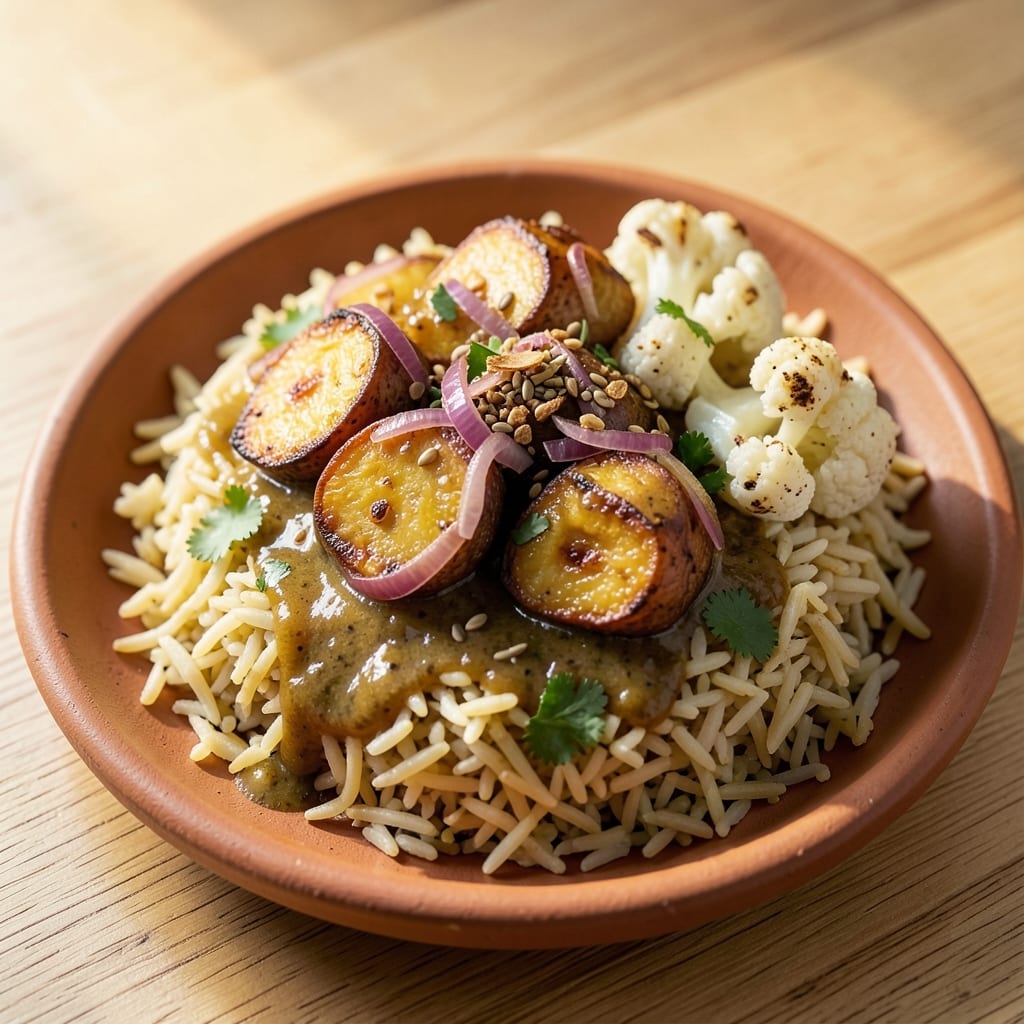
Aloo gobi rice recipe transforms humble potatoes and cauliflower into a fragrant, one-pot North Indian masterpiece that feeds a crowd with minimal cleanup. The secret lies in slow-cooking the vegetables until tender, then tempering them with whole spices that infuse every bite with aromatic warmth. This dish is my go-to for vegetarian weeknights—comforting yet sophisticated enough for dinner guests.
What makes this recipe special is the balance of textures: crispy cauliflower florets, tender potatoes, and perfectly fluffy basmati rice all cooked together in one pot. The spices—cumin, coriander, and garam masala—simmer into the vegetables, creating layers of flavor without overpowering the natural taste. I’ve perfected it to be foolproof, with step-by-step instructions that ensure even beginners achieve restaurant-quality results.
The result is a vibrant, spiced curry that pairs beautifully with the mild, nutty flavor of basmati rice. The dish is hearty enough to satisfy a hungry family but light enough to feel balanced, with optional garnishes like fresh cilantro or a squeeze of lemon to brighten the flavors. It’s the kind of meal that turns a simple dinner into a celebration of North Indian home cooking.
Whether you’re serving it for a family gathering or a quiet night in, this aloo gobi rice recipe delivers warmth, comfort, and a taste of tradition. The one-pot method means less cleanup, and the adaptable spice level ensures everyone at the table can enjoy it. Let’s get cooking!
Ingredients for aloo gobi rice
Sixteen ingredients for a one-pot North Indian masterpiece that delivers restaurant-quality flavor with minimal effort.
| Ingredient | Amount | Notes |
|---|---|---|
| Basmati Rice 🍚 | 1 ½ cups | Uncooked, long-grain preferred |
| Russet Potatoes 🥔 | 2 lbs | Medium size, peeled and cubed |
| Cauliflower 🧄 | 2 lbs | Fresh, cut into florets |
| Yellow Onions 🧅 | 2 whole | Medium size, finely chopped |
| Fresh Ginger 🌿 | 1 ½ tbsp | Grated, organic preferred |
| Garlic Cloves 🧄 | 6 cloves | Peeled, minced for tempering |
| Ground Cumin Seeds 🌶️ | 1 ½ tsp | Freshly ground preferred |
| Ground Coriander 🌿 | 1 ½ tsp | Freshly ground for authenticity |
| Turmeric Powder 🧂 | ½ tsp | Bright yellow, high quality |
| Garam Masala 🌶️ | 1 tsp | Store-bought or homemade blend |
| Red Chili Powder 🌶️ | ½ tsp | Adjust for spice preference |
| Vegetable Oil 🫒 | ½ cup | High smoke point preferred |
| Fresh Cilantro 🌿 | ¼ cup | Chopped, for garnish |
| Lemon Juice 🍋 | 2 tbsp | Freshly squeezed |
| Salt 🧂 | 1 ½ tsp | Diamond Crystal preferred |
The potatoes and cauliflower are the stars of this dish, so choose firm, fresh vegetables with no soft spots. Whole Foods or local Indian markets often carry the best cauliflower—look for vibrant, compact florets. Russet potatoes hold their shape better than red potatoes during cooking. For the spices, Penzeys or Spicewalla offer high-quality whole spices that you can toast and grind yourself for deeper flavor. If you're short on time, pre-ground spices work fine, but toast them in a dry pan for 30 seconds first to awaken their aromas. The basmati rice should be long-grain and unbroken—any reputable grocery store carries it, but specialty Asian markets often have better varieties.
No fresh ginger? Substitute with 1 tbsp of ground ginger, but fresh is ideal for that bright, zesty kick. Running out of garam masala? Mix 0.5 tsp each of cinnamon, cardamom, cloves, and black pepper for a quick homemade version. For extra richness, swap half the vegetable oil for ghee if your dietary preferences allow. The red chili powder can be adjusted—start with less if you're sensitive to heat, and add more later. Fresh cilantro is non-negotiable for garnish, but if you're out, dried cilantro at half the amount works in a pinch. The lemon juice should be freshly squeezed—bottled juice lacks the bright acidity that cuts through the richness of the dish.
This recipe is designed for one-pot convenience, but the vegetables can be prepped ahead and stored in the fridge for up to 2 days before cooking. The spices, once opened, keep their potency for about 6 months if stored in a cool, dark place. For best results, cook the rice and vegetables together in a heavy-bottomed pot—this ensures even cooking and prevents burning. The dish reheats beautifully, making it perfect for meal prep. Portion into containers and store for 4-5 days in the fridge, or freeze for up to 3 months for those lazy weeknights when you crave comfort food.
Why You'll Love This Recipe
- One-Pot Magic: I swear by this recipe when I’m too tired to wash extra bowls. The potatoes and cauliflower cook right alongside the rice—no separate pots, no fuss. Just chop, sauté the onions and ginger until they’re golden, add everything else, and let it simmer. That’s it. The rice absorbs all the flavors without turning mushy, and the veggies stay tender-crisp.
- Creamy Crunch Harmony: Between us, the texture combo here is chef’s kiss. The potatoes stay firm with a slight bite, while the cauliflower gets that perfect creamy softness—almost like it’s been kissed by a little oil and spice. And that ginger? It lingers in every bite, bright and zesty without overpowering. Honestly, it’s the kind of dish that makes you pause mid-bite to appreciate it.
- Lunchbox Hero: This is my go-to for meal prep because it actually reheats well. Pack it in containers for work or school, and it stays flavorful—no sad, dry rice here. The onions add a sharpness that cuts through the richness, and the ginger keeps it from tasting stale. My kids used to complain about school lunches, but now they fight over who gets the extra portion. (Yes, even on a Tuesday night.)
- Pantry Staple Power: I make this when I’m low on cash or ingredients because it’s ridiculously budget-friendly. Russet potatoes and cauliflower are cheap, and basmati rice stretches far. No fancy spices needed—just salt, pepper, and maybe a pinch of turmeric if you’re feeling fancy. And the leftovers? They’re just as good the next day, which means less takeout and more money saved. Not the prettiest, but the taste makes up for it.
Step-by-step instructions for aloo gobi rice
Aromatic, flavorful, and effortlessly balanced—this one-pot wonder delivers restaurant-quality North Indian comfort in your own kitchen.
Prepare the Vegetable Base
Heat the 0.5 cup vegetable oil in a heavy-bottomed pot over medium heat. Add the 2 whole yellow onions and sauté for 5-6 minutes until they turn golden brown and translucent. This foundational step develops deep sweetness that carries through the entire dish.
Reduce heat to medium-low and add the 2 lbs russet potatoes and 2 lbs cauliflower. Stir gently to coat with the onions. Sprinkle with 1.5 tsp salt, 0.5 tsp turmeric powder, and 0.5 tsp red chili powder. Mix well, then cover and cook for 10 minutes, stirring occasionally, until the vegetables soften slightly but retain their shape. The goal is to par-cook them just enough to prevent a long simmer later.
Build the Spice Layer
Increase heat to medium-high and add the 1.5 tbsp fresh ginger and 6 cloves garlic cloves. Sauté for 1-2 minutes until the garlic turns light golden—this prevents bitterness. Immediately add the 1.5 tsp ground cumin seeds and 1.5 tsp ground coriander, stirring constantly for 30 seconds until the spices release their aromatic oils.
Pour in 1 cup water and bring to a gentle boil. Let it simmer uncovered for 5 minutes to allow the spices to bloom fully. This step is critical—it develops the complex, layered flavor profile that defines aloo gobi. If the mixture reduces too quickly, add 2-3 tablespoons water to maintain moisture.
Incorporate the Rice and Simmer
Rinse the 1.5 cups basmati rice under cold water until the water runs clear, then add it to the pot. Stir gently to distribute evenly among the vegetables. Add 1.5 cups water (or enough to cover the rice by about ½ inch), then bring to a boil over high heat. Once boiling, reduce heat to low and cover tightly with a lid.
Simmer for 15 minutes without disturbing. The rice should absorb the liquid gradually, and you'll see steam rising steadily from the lid. After 15 minutes, check the rice—it should be 80% cooked with a slight bite remaining. If it's not, add 2-3 tablespoons water and continue cooking for another 5 minutes. The rice must finish cooking in the pot with the vegetables to achieve that signature one-pot texture.
Finish with Tempering and Garnish
Once the rice is tender, uncover the pot and increase heat to medium-high. Stir in the 1 tsp garam masala and 2 tbsp lemon juice, mixing well to distribute the spices evenly. The lemon juice brightens the dish, cutting through the richness of the vegetables.
Let the mixture cook uncovered for 2-3 minutes to allow excess moisture to evaporate. The final texture should be moist but not soupy, with the rice grains distinct yet clinging to the vegetables. Remove from heat and let it rest for 5 minutes, covered. This resting period allows flavors to meld completely.
Serve with Fresh Herbs
Garnish with the 0.25 cup fresh cilantro, stirring gently to incorporate. The cilantro adds a vibrant freshness that contrasts beautifully with the warm, spiced vegetables. Serve immediately while hot, accompanied by a side of raita or a dollop of yogurt to balance the dish's hearty texture.
Each bite should deliver a harmonious blend of tender potatoes, slightly crisp cauliflower, and fragrant basmati rice, all unified by the aromatic spice base. The one-pot method ensures minimal cleanup while delivering maximum flavor—just as it would in a North Indian home kitchen.
Pro Tips For Making Aloo Gobi Rice
- CUT POTATOES UNIFORM: I learned this the hard way—uneven potato chunks mean some get mushy while others stay raw. Dice them into 1-inch cubes, then soak in cold water for 10 minutes to remove excess starch. Pat dry before cooking, or they’ll steam instead of crisp up in the aloo gobi.
- SAUTÉ ONIONS LOW AND SLOW: Crank the heat to medium-low when frying onions for aloo gobi. High heat burns them before they caramelize, and you’ll end up with bitter bits instead of that sweet, golden base. Stir often—this isn’t a race, and patient onions make the whole dish sing.
- DON’T OVERMIX THE CURRY: After adding tomatoes or spices, resist the urge to stir aggressively. Overmixing breaks down the cauliflower and potatoes into mush. Let the spices bloom in patches, then toss gently—this keeps texture and prevents a gluey mess.
- USE LESS WATER FOR RICE: Basmati rice absorbs fast, so cut the water by 25% (1:1.5 rice-to-water ratio instead of 1:2). Cover and cook on low heat for 12 minutes, then turn off and let it steam for 5 more. This avoids soggy rice that turns your aloo gobi into a mushy bowl.
Health benefits of these flavors
Vegetarian Protein Power
This dish is a complete vegetarian protein source, combining the amino acids from potatoes and cauliflower with the nutritional benefits of basmati rice. A single serving provides about 12 grams of plant-based protein, making it an excellent option for vegetarians and vegans looking to meet their daily protein needs. The combination of these two vegetables creates a balanced amino acid profile, similar to what you'd find in meat-based dishes. 💪
Fiber-Rich Comfort Food
Aloo gobi rice is packed with dietary fiber—about 10 grams per serving—thanks to the potatoes and cauliflower. This fiber supports healthy digestion, helps regulate blood sugar levels, and keeps you feeling full longer. The fiber content also makes this dish heart-friendly, as it helps lower cholesterol levels when part of a balanced diet. I always notice how satisfied I feel after eating this, even when I've had a larger portion.
Antioxidant Boost
The vibrant spices used in this recipe—like turmeric and cumin—are loaded with antioxidants that combat inflammation and oxidative stress. Turmeric contains curcumin, a compound with powerful anti-inflammatory properties, while cumin is rich in iron and manganese. Together, they help support your immune system and overall health. The bright yellow color from turmeric is a visual reminder of these health benefits! 🌿
Low-Fat, High-Flavor
Despite its rich, spiced flavors, aloo gobi rice is surprisingly low in saturated fat—using just 0.5 cup vegetable oil keeps it heart-healthy while delivering maximum flavor. The dish gets its richness from the aromatic spices and vegetables rather than added fats. This makes it a great option for those watching their fat intake but still wanting a flavorful, satisfying meal. The spices do most of the work in creating depth! 🌶️
Digestive Benefits
The combination of ginger, garlic, and cilantro in this dish offers digestive benefits that go beyond just flavor. Ginger aids digestion and can help reduce nausea, while garlic supports gut health with its prebiotic properties. Cilantro adds a fresh, cooling element that helps balance the spice levels. Together, these ingredients make this dish not just delicious but also gentle on the stomach. I often serve it when I know I'll be eating a heavier meal later!
Meal Prep Friendly
This recipe is perfect for meal prepping because it reheats well while retaining its nutritional benefits. The fiber and protein content help stabilize blood sugar levels, making it an ideal option for busy weeknights. Plus, the one-pot method means you can prepare it ahead and enjoy it throughout the week without sacrificing flavor or nutrition. Just store it in an airtight container in the fridge for up to 4-5 days or freeze for up to 3 months. The flavors actually deepen over time, making it even more delicious! ❄️
Nutrition facts
Frequently asked questions
Can I make this aloo gobi rice recipe vegan?
Simply replace the vegetable oil with coconut oil and skip the ghee if you're using it. Ensure your garam masala blend is vegan (some contain honey or dairy). The original recipe is already dairy-free, so no other substitutions are needed beyond the oil. The flavors remain rich and satisfying!
How do I adjust the spice level for kids?
For milder flavor, reduce the red chili powder to ¼ tsp or omit it entirely. You can also skip the garam masala and use ½ tsp mild paprika instead. The natural sweetness of the potatoes and cauliflower will still shine through. Serve with extra yogurt or raita to balance any remaining warmth.
Why does my cauliflower turn mushy?
Overcooking is the most common cause. Start with 10 minutes of par-cooking (as in the recipe) and check the cauliflower frequently after adding rice. The vegetables should be tender but still hold their shape. If using a heavy pot, reduce heat to low once boiling to prevent burning. For extra texture, add ½ cup chopped onions at the end to crisp up.
Can I use frozen cauliflower and potatoes?
Yes, but thaw them completely first and pat dry with a paper towel to remove excess moisture. Frozen veggies work best in this recipe because they're pre-cut and uniform. However, they may release more water, so you might need to reduce the total liquid by ¼ cup. The flavor won't suffer, but the texture will be slightly softer.
What's the best rice to use besides basmati?
For a similar texture, try jasmine rice or long-grain white rice. Avoid short-grain or sticky rice varieties like sushi rice, as they'll make the dish too dense. If you prefer brown rice, increase cooking time by 10-15 minutes and add ½ cup extra water—it absorbs liquid differently. The one-pot method still works beautifully!