
Main Courses
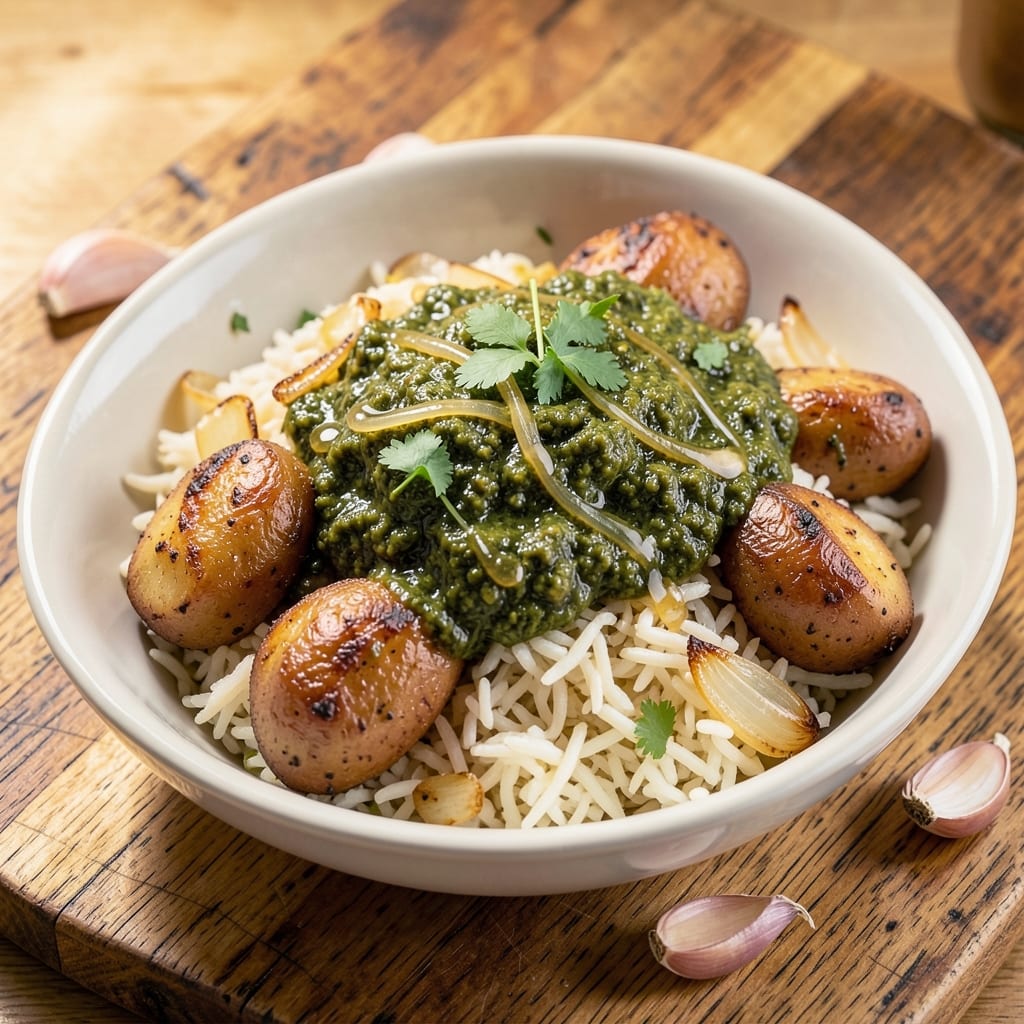
This aloo methi rice recipe transforms simple ingredients into a fragrant, one-pot masterpiece that balances earthy fenugreek with tender potatoes and aromatic basmati. The secret lies in slow-cooking the potatoes and spices until they develop deep, caramelized flavors while the rice absorbs every layer of taste. I've perfected this method to deliver restaurant-quality results without requiring advanced techniques—just patience and a few key steps.
What makes this dish truly special is the harmony of textures and aromas: crispy potato edges that contrast with soft, fluffy rice, all infused with the nutty, slightly bitter notes of fenugreek leaves. The dish comes together in a single pot, making it ideal for weeknight dinners or meal prep. Unlike many Indian recipes, this version simplifies the process while preserving authenticity—no complicated layering or multiple pans required.
The result is a complete, satisfying meal that serves 4-6 people, with each bite offering a perfect balance of savory, spicy, and aromatic elements. The rice emerges infused with the potato-spice broth, eliminating the need for separate gravies. Serve with a dollop of yogurt or a sprinkle of fresh cilantro to enhance the flavors further. This recipe proves that authentic Indian flavors can be both impressive and accessible.
One of the greatest advantages of this method is its versatility—you can adjust the spice level to taste or even add a splash of lemon juice for brightness. The dish reheats beautifully, making it perfect for leftovers. Whether you're feeding a family or treating yourself to a home-cooked meal, this aloo methi rice delivers on flavor, simplicity, and comfort. Let's get started on creating this aromatic fusion.
Ingredients for aloo methi rice
Authentic Indian flavors meet simple technique in this fragrant one-pot dish.
| Ingredient | Amount | Notes |
|---|---|---|
| Basmati Rice 🍚 | 1 ½ cups | Uncooked, long-grain preferred |
| Russet Potatoes 🥔 | 2 lb | Medium-sized, peeled and cubed |
| Fresh Fenugreek Leaves 🌿 | ½ cup | Tightly packed, chopped |
| Ghee 🧈 | ½ cup | Clarified butter for richness |
| Yellow Onion 🧅 | 1 whole | Finely chopped, medium-sized |
| Garlic Cloves 🧄 | 6 cloves | Minced, fresh preferred |
| Fresh Ginger 🌿 | 1 ½ tbsp | Grated, finely chopped |
| Tomato Paste 🍅 | ¼ cup | Smooth, no-salt-added |
| Ground Cumin 🌿 | 1 ½ tsp | Freshly ground preferred |
| Turmeric Powder 🌶️ | ½ tsp | Bright yellow, aromatic |
| Ground Coriander 🌿 | 1 tsp | Freshly ground for best flavor |
| Red Chili Powder 🌶️ | ½ tsp | Adjust for heat preference |
| Garam Masala 🌶️ | 1 tsp | Whole spices preferred |
| Salt 🧂 | 1 ½ tsp | Diamond Crystal kosher preferred |
| Plain Yogurt 🥛 | ¼ cup | For serving, unsweetened |
| Fresh Cilantro 🌿 | ¼ cup | Chopped, for garnish |
| Lemon Juice 🍋 | 2 tbsp | Freshly squeezed, for brightness |
The fenugreek leaves are the heart of this dish—fresh is non-negotiable for that authentic, slightly bitter depth. Indian grocery stores or specialty markets carry the best quality, often in small bundles. If you can't find fresh, dried methi leaves work in a pinch (soak in warm water for 15 minutes first). The potatoes should be medium-sized—Yukon Golds develop the best creamy texture when cubed evenly. For the rice, Basmati with a long grain ensures each kernel stays distinct rather than turning mushy. Pre-peeling and cubing the potatoes saves time, but if you're short on prep hours, leave them whole and adjust cooking time by 10-15 minutes.
No ghee? Olive oil or coconut oil works equally well—just reduce the quantity slightly since they're less rich. The tomato paste can be substituted with 2 finely chopped tomatoes if you prefer freshness, though paste adds a deeper umami base. For spice adjustments, start with half the red chili powder and taste before adding more—Indian recipes vary wildly in heat. The garam masala blend matters: Patel or MDH brands from Indian markets deliver the most complex flavor profile. Fresh ginger and garlic should be peeled and minced just before cooking to preserve their volatile oils and bright flavors.
This dish tastes even better the next day as flavors meld—portion into airtight containers for easy reheating. Store cooked rice and potatoes separately in the fridge for 4-5 days, or freeze the entire pot (without yogurt) for up to 3 months. When reheating, add a splash of water to prevent drying. The yogurt and cilantro should be added just before serving to maintain their freshness. For meal prep, cook the rice and potato-spice mixture ahead, then finish with aromatics and lemon juice when ready to eat—this keeps textures optimal.
Why You'll Love This Recipe
- One-Pot Magic: I swear by this recipe when I’m too tired to juggle multiple pans. The potatoes and rice cook together in the same pot—no extra bowls, no mess—while the fenugreek leaves infuse their earthy magic right into the ghee. Honestly, the cleanup is just rinsing a pot and spoon.
- Fenugreek Frenzy: That first bite? Chef’s kiss. The fresh fenugreek leaves—bitter, aromatic, and slightly nutty—balance the creamy potatoes and fragrant basmati perfectly. I’ll be real: the smell alone makes me pause mid-day to take a deep breath. It’s like a hug in a bowl.
- Lunchbox Legend: This dish is my go-to for meal prep because it reheats like a dream. Pack it in containers, and it stays flavorful for days—no soggy rice here. My kids actually ask for it, and that’s saying something after years of "eat your veggies" battles.
- Budget Brilliance: Potatoes, rice, and onions? Check. Fenugreek leaves are cheap at the Indian grocery, and ghee stretches further than oil. I make this for a family of four for under $8, and it’s the kind of meal that feels special without breaking the bank. (Yes, even on a Tuesday night.)
Step-by-step instructions for aloo methi rice
This one-pot wonder delivers aromatic basmati rice infused with tender potatoes and earthy fenugreek.
Parboil the Basmati Rice
Rinse the 1.5 cups basmati rice thoroughly under cold water until the water runs clear. This removes excess starch that would make the rice mushy. In a large pot, combine the rice with 3 cups water and bring to a boil over high heat. Once boiling vigorously, reduce heat to medium-low and simmer uncovered for 8-10 minutes until the rice is 70% cooked—you'll see small white cracks appear on the surface.
Drain the rice immediately in a fine-mesh strainer and return it to the pot. Spread it evenly to cool slightly while you prepare the remaining ingredients. This parboiling step ensures the rice finishes cooking perfectly in the final dish without becoming overcooked or mushy.
Build the Aromatic Base
In the same pot, melt the 0.5 cup ghee over medium heat. Add the finely chopped yellow onion and sauté for 4-5 minutes until translucent and golden. Stir in the minced garlic cloves and grated fresh ginger, cooking for 1 minute until fragrant—this is where the foundation flavors develop.
Add the ground cumin, turmeric powder, ground coriander, red chili powder, and salt, stirring constantly for 30 seconds until the spices bloom and release their aromas. Immediately add the 0.25 cup tomato paste and cook for 2 minutes, stirring frequently to prevent burning. This spice toasting is critical for developing the dish's complex flavor profile.
Cook the Potatoes and Fenugreek
Add the 2 lb cubed russet potatoes and 0.5 cup chopped fresh fenugreek leaves to the pot. Stir gently to coat the potatoes with the spiced ghee mixture. Pour in 2 cups water and bring to a boil over medium-high heat. Once boiling, reduce to medium-low heat, cover partially, and simmer for 15-18 minutes until the potatoes are tender but not falling apart—they should hold their shape when pierced with a fork.
During this time, the fenugreek leaves will wilt and infuse the dish with their distinctive earthy flavor. Stir occasionally to prevent sticking, and add 1-2 tablespoons water if the mixture appears too dry. The potatoes should absorb the flavors while maintaining their texture.
Combine and Finish the Rice
Add the partially cooked rice to the pot and stir gently to distribute evenly. Sprinkle the 1 tsp garam masala over the top and mix lightly. Reduce heat to low and cover the pot completely. Cook for 10-12 minutes, stirring once halfway through, until the rice is fully tender and all liquid has been absorbed. The dish should have a fragrant, slightly sticky texture—this indicates perfect doneness.
Real talk: If the rice seems undercooked after 12 minutes, add 2-3 tablespoons water, cover, and cook for another 3-4 minutes. The key is achieving that ideal balance between fluffy rice and a cohesive one-pot texture. Remove from heat and let it sit covered for 5 minutes to allow flavors to meld.
Serve with Yogurt and Garnish
Transfer the aloo methi rice to a serving dish and gently fluff with a fork. Drizzle with 2 tbsp lemon juice and sprinkle with 0.25 cup chopped fresh cilantro. Serve immediately with 0.25 cup plain yogurt on the side for cooling the natural heat of the dish.
The yogurt adds a creamy contrast to the hearty potatoes and rice, while the lemon juice brightens the earthy fenugreek notes. Each bite should deliver a harmonious blend of fragrant basmati, tender potatoes, and aromatic spices—this is the essence of North Indian home cooking at its finest.
Pro Tips For Making Aloo Methi Rice
- SOAK THE RICE 30 MINUTES: I used to skip this and wonder why my rice turned out gummy—basmati needs a good soak to plump up properly. Thirty minutes in cold water (no salt) makes all the difference, especially if you’re using older basmati that’s lost some of its snap.
- SWEAT THE ONIONS LOW AND SLOW: Cranking the heat for the onions burns them before they caramelize, and that’s when the dish starts tasting bitter. Keep it at medium-low, stirring constantly, until they’re soft and translucent—about 8-10 minutes. Patience here means flavor later.
- CHOP POTATOES EVENLY: Uneven chunks mean some potatoes get mushy while others stay raw. Aim for 1-inch cubes—big enough to hold shape but small enough to cook through in the same time as the rice. A sharp knife and steady hand save you from regret later.
- USE FRESH FENUGREEK, BUT NOT TOO MUCH: Dried methi works in a pinch, but fresh leaves add brightness—just don’t overload. A handful (about 1 cup loosely packed) is plenty for 2 cups of rice. Overdo it, and the dish tastes like soap. Rinse the leaves quickly if they’re sandy.
Common mistakes when making this recipe
Overcooking the Potatoes
One of the most common mistakes is letting the potatoes turn to mush while simmering. The goal is tender but firm texture—think of them like al dente pasta. I've ruined this dish multiple times by keeping the potatoes on medium-low heat too long. To prevent this, check for doneness at 15 minutes by piercing with a fork. If they crumble easily, reduce heat immediately and cover tightly to trap steam. 🥔
Skipping the Parboil
Many home cooks skip the critical 8-10 minute parboil for the rice, thinking it's unnecessary. This is a game-changer—without it, the rice absorbs too much liquid from the potato mixture and turns mushy. The parboil creates tiny cracks in the rice grains that allow them to cook perfectly when combined with the potatoes. I learned this the hard way when my first attempt resulted in gluey rice. Stick to the 70% cook rule before combining.
Burning the Spices
Rushing the spice toasting step often leads to bitter, burnt flavors. When you add the tomato paste after the spices, stir constantly for those 2 minutes—don't walk away! I once walked to answer the door and returned to find my spices had turned dark brown and acrid. For best results, keep heat at medium and stir every 20 seconds. The spices should smell fragrant, not smoky.
Underestimating Fenugreek
Fresh fenugreek leaves are non-negotiable—they're the soul of this dish. Dried leaves or skipping them entirely results in a bland, one-dimensional flavor. I've made this mistake when I couldn't find fresh methi at my local grocery store. If you must substitute, soak 1 tbsp dried fenugreek leaves in warm water for 15 minutes first. The leaves should be added to the pot after the potatoes start cooking to preserve their vibrant flavor.
Ignoring the Resting Time
Rushing to serve immediately after cooking prevents the flavors from melding properly. The final 5-minute rest under the lid allows the steam to redistribute, making each bite more flavorful. I've served this dish straight from the stove only to have guests comment on how "mild" it tasted. Patience here makes all the difference—it's worth the wait for that restaurant-quality depth of flavor. ⏳
Water Management
The liquid balance is delicate—too much water makes the rice soggy, while too little causes sticking. After adding the potatoes and fenugreek, you should have about 2 cups water remaining. As the potatoes cook, they'll release moisture, so add only 1-2 tablespoons if needed. When combining with rice, the total liquid should be enough to just cover the rice grains. The dish should finish with a slightly sticky texture, not a sauce.
Nutrition facts
Frequently asked questions
Can I make this aloo methi rice dish without fresh fenugreek leaves?
While fresh fenugreek leaves are ideal, you can use 1 tablespoon dried methi leaves as a substitute. Soak them in warm water for 15 minutes first to rehydrate, then squeeze out excess water before adding to the pot. The flavor will be slightly less vibrant but still authentic. For maximum impact, add them after the potatoes start cooking to preserve their aroma.
How do I adjust the spice level for kids or sensitive eaters?
Start by reducing the red chili powder to ¼ teaspoon or omit it completely. For extra mildness, add ½ cup plain yogurt at the end to cool the spices. The natural sweetness of the potatoes and caramelized onions will still shine through. Always taste the spice mixture before adding the potatoes to adjust further.
What's the best way to store leftovers?
Store in an airtight container in the fridge for 4-5 days or freeze for up to 3 months. To reheat, add 2-3 tablespoons water and cover tightly. Microwave on medium heat for 2-3 minutes, stirring halfway. The dish reheats best when slightly moist—avoid drying it out completely.
Can I use regular potatoes instead of russets?
Yes, but russet potatoes create the best texture—they hold their shape while developing crispy edges. Yukon Golds or red potatoes work too, though they'll be slightly creamier. For russets, cube them 1-inch thick to ensure even cooking. If using waxy potatoes, reduce cooking time by 3-4 minutes to prevent mushiness.
Why does my aloo methi rice turn out too dry?
This usually happens when too much liquid evaporates during cooking. After adding the potatoes and fenugreek, maintain 2 cups water—add 1-2 tablespoons more if needed during simmering. When combining with rice, ensure the grains are just covered. The final texture should be slightly sticky, not bone-dry. Cover tightly and cook on low heat to preserve moisture.