
Main Courses
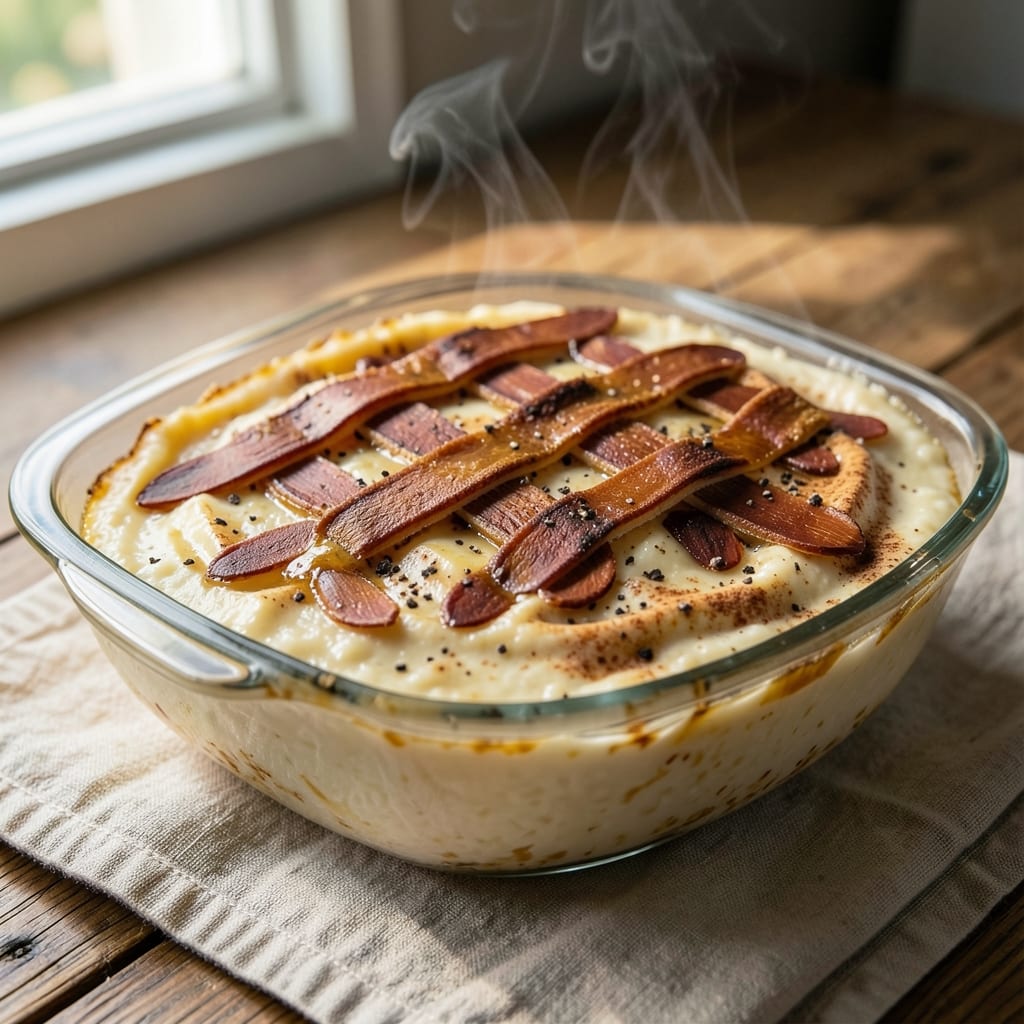
This American rice pudding recipe delivers the creamy, comforting texture and warm vanilla-cinnamon flavor that makes it a classic dessert. The secret lies in simmering rice in milk until tender, then thickening it just enough to create that signature velvety consistency—no lumps, no graininess. I’ve perfected this version with a touch of cornstarch for smoothness and toasted almonds for crunch, balancing traditional warmth with modern texture.
The beauty of this recipe is its versatility—whether you prefer the rich, custard-like texture of a baked version or the lighter, stovetop method, the technique remains simple. A slow simmer transforms plain rice into a dessert with depth, while vanilla and cinnamon infuse every spoonful with nostalgic sweetness. The optional raisins or whipped cream add layers of flavor, but even on their own, the pudding shines as a stand-alone treat.
What sets this apart is the toasted almond crunch on top, which adds a delightful contrast to the creamy base. The almonds caramelize just enough to enhance the vanilla’s natural sweetness, creating a harmony of textures and flavors. It’s the kind of dessert that feels indulgent yet comforting, perfect for family gatherings or a cozy night in.
Ready in about 45 minutes, this recipe is straightforward but yields restaurant-quality results. The key is patience—letting the rice absorb the milk fully and the flavors meld together. Whether you’re serving it warm or chilled, each bite delivers that perfect balance of creaminess, warmth, and crunch.
Ingredients for american rice pudding
Simmered rice, velvety milk, and caramelized almonds create this nostalgic dessert's signature harmony.
| Ingredient | Amount | Notes |
|---|---|---|
| Long-Grain White Rice 🍚 | 1 cup | Uncooked, rinsed thoroughly |
| Whole Milk 🥛 | 4 cups | Full-fat for creaminess |
| Granulated Sugar 🍚 | ¾ cup | Adjust to taste |
| Cornstarch 🌾 | 2 tbsp | For smooth texture |
| Pure Vanilla Extract 🍯 | 1 tbsp | High-quality preferred |
| Ground Cinnamon 🌿 | 1 ½ tsp | Freshly ground for warmth |
| Salt 🧂 | ½ tsp | Diamond Crystal preferred |
| Sliced Almonds 🥜 | ½ cup | Toasted until golden |
| Unsalted Butter 🧈 | 2 tbsp | For toasting almonds |
| Heavy Cream 🥛 | ½ cup | Optional for serving |
| Raisins 🍇 | ¼ cup | Optional for texture |
The rice is the foundation—long-grain white rice absorbs liquid perfectly without turning mushy. Whole milk delivers that classic creamy texture, but half-and-half works for a richer version. For sugar, organic cane sugar enhances caramelization, though regular granulated works fine. Cornstarch is non-negotiable here; it's what transforms the pudding from grainy to silky. I always grab Bob's Red Mill cornstarch from the bulk section at Whole Foods—it's finely ground and reliable. The vanilla should be pure extract, not imitation; Nielsen-Massey is my go-to for consistent quality. Toasting the almonds in unsalted butter until they're golden-brown adds depth that store-bought toppings can't match.
No cornstarch? Arrowroot powder works at the same ratio, though the texture won't be quite as smooth. Almond milk can replace whole milk, but the pudding will be lighter—add an extra tablespoon of cornstarch to compensate. Vanilla bean paste adds flecks of vanilla for visual appeal if you're feeling fancy, though pure extract is more cost-effective. For the almonds, pecans or walnuts toast beautifully too—just reduce the toasting time by half. The raisins? Dried cranberries or chopped dates make great alternatives if you prefer something less sweet. And if you're watching sugar, monk fruit sweetener dissolves well and measures cup-for-cup with granulated sugar.
This pudding tastes even better the next day—reheat gently with a splash of milk if needed. Store any leftovers in an airtight container in the fridge for up to 5 days, though it rarely lasts that long. The toasted almonds keep their crunch for about 3 days if stored separately in a sealed container. For make-ahead prep, assemble everything except the almonds and store in the fridge. Toast the almonds fresh before serving to maintain that perfect crunch. Portion into ramekins before baking if you're making the oven version—it's less messy that way.
Why You'll Love This Recipe
- No-Fuss Stovetop: I swear by this method—just rice, milk, and a whisper of cornstarch to thicken it. No fancy techniques, no watching the pot like a hawk. Toss everything in one pot, simmer, stir occasionally, and boom—done. Even my college-dorm self could’ve handled it.
- Vanilla Kiss Magic: That first spoonful? Pure comfort. The vanilla extract doesn’t just hint—it sings, especially when it caramelizes just a little at the end. Honestly, the sugar and milk create this creamy, dreamy texture that tastes like nostalgia in every bite.
- Leftovers That Beg: This stuff actually improves the next day. Cold rice pudding? Still creamy, still delicious—perfect for lunches or sneaking into smoothies. I make a big batch on Sundays and divide it into jars. My kids fight over who gets the last one.
- Budget Breakthrough: Whole milk and white rice won’t drain your wallet, but it feels like a treat. The cornstarch trick keeps it luscious without needing heavy cream or fancy rice. Between us? This is the dessert that lets me splurge on actual cake for birthdays.
Step-by-step instructions for vanilla-cinnamon rice pudding
Master this classic American dessert with a velvety texture and perfect balance of sweetness.
Toast the Almonds and Prepare the Rice
In a dry skillet over medium heat, toast the ½ cup sliced almonds with the 2 tablespoons unsalted butter for 3-4 minutes until golden brown and fragrant. Watch carefully—they burn quickly. Remove from heat and set aside, reserving the nutty butter mixture.
In a large heavy-bottomed saucepan, combine the 1 cup rinsed long-grain white rice, 4 cups whole milk, ¾ cup granulated sugar, 1½ teaspoons ground cinnamon, and ½ teaspoon salt. Stir gently to dissolve the sugar completely—any undissolved grains will make the pudding gritty. This is your flavor foundation, so take your time here.
Cook the Rice Mixture to Creamy Perfection
Bring the mixture to a gentle boil over medium-high heat, then immediately reduce to low heat. Cover the pan with a tight-fitting lid and simmer for 25-30 minutes, stirring occasionally to prevent sticking. You're looking for the rice to absorb all the liquid and become tender but not mushy.
Here's the thing—if the mixture looks too thick before the rice is fully cooked, add 2-3 tablespoons hot milk to maintain the proper consistency. The pudding should coat the back of a spoon smoothly when ready. I check doneness by pressing a spoonful against the side of the pan—it should hold its shape but still feel slightly loose.
Thicken and Infuse with Vanilla
In a small bowl, whisk together the 2 tablespoons cornstarch with 2 tablespoons cold milk until smooth. Slowly pour this slurry into the simmering rice mixture while stirring constantly. The cornstarch will immediately begin thickening the pudding—keep stirring for 2-3 minutes until it reaches a creamy, custard-like consistency.
Remove from heat and stir in the 1 tablespoon pure vanilla extract and the ½ cup toasted almonds (plus any reserved butter). Fold in the ¼ cup raisins if using—this is where the texture contrast comes together. The almonds should be evenly distributed, and the raisins should be scattered throughout rather than clumped.
Chill and Serve for Optimal Texture
Transfer the pudding to a serving dish and let it cool to room temperature, then refrigerate for at least 4 hours or overnight. Chilling is crucial—it allows the flavors to meld and the texture to set properly. When ready to serve, stir again to redistribute the almonds and raisins evenly.
For an extra-luxurious finish, warm ½ cup heavy cream separately until just hot (not boiling) and stir into the pudding before serving. The contrast between the cool, creamy pudding and warm cream creates the perfect texture experience. Serve in individual bowls with additional toasted almonds sprinkled on top for that classic American rice pudding presentation.
Pro Tips For Making American Rice Pudding
- Rinse the Rice: Skip this and you’ll end up with gummy pudding—trust me, I’ve made that mistake. Give your long-grain rice a quick cold water rinse before cooking to remove excess starch. Pat it dry afterward so it absorbs the milk evenly instead of turning into glue. ---
- Toast the Rice First: After rinsing, dry the rice in a skillet over medium heat for 2-3 minutes until lightly golden. This step adds depth of flavor and prevents that bland, starchy taste. (Yes, it’s an extra step, but your pudding will taste like it came from a Southern kitchen.) ---
- Whisk the Cornstarch: Don’t just sprinkle that cornstarch into the milk and stir—whisk it into a cold slurry first. This guarantees it dissolves smoothly and thickens the pudding evenly. I used to skip this, and half the time, I’d get lumps. (Your future self will notice the difference.) ---
- Simmer Low and Slow: Once everything’s combined, reduce the heat to the lowest setting possible and let it bubble gently for at least 45 minutes. Rushing it leads to grainy texture or undercooked rice. The longer it simmers, the creamier it gets—no shortcut here. (I know, I know, but trust the process.)
Troubleshooting your american rice pudding
Grainy Texture Fix
If your rice pudding turns out grainy, it’s likely because the rice wasn’t fully broken down during cooking. Next time, simmer the mixture uncovered for the last 5-7 minutes to ensure all the rice absorbs the liquid. Stir occasionally to prevent sticking to the pan. For extra smoothness, blend the cooked pudding briefly with an immersion blender—just 10-15 seconds will eliminate any remaining texture issues. 💫
Lumpy or Gluey Pudding
Lumps usually mean the cornstarch wasn’t fully incorporated or the heat wasn’t consistent. Always whisk the cornstarch with cold milk first to create a smooth slurry, then drizzle it into the pudding while stirring constantly over low heat. If lumps still appear, strain the pudding through a fine-mesh sieve before serving. For a gluey texture, reduce the cornstarch by ½ teaspoon next time—it’s easy to over-thicken!
Too Watery or Thin
If your pudding isn’t thick enough, it’s likely because the rice didn’t cook long enough or the cornstarch wasn’t given enough time to work. After adding the cornstarch slurry, simmer the pudding for an additional 3-5 minutes to let it thicken properly. For a quicker fix, mix 1 teaspoon cornstarch with 1 tablespoon cold milk and stir it in while the pudding is still hot. Let it cool completely before tasting—it will thicken further as it sits.
Burnt or Scorched Flavor
Burnt flavors happen when the pudding sticks to the pan or simmers too long. Always use a heavy-bottomed saucepan to prevent hot spots, and stir frequently during the first 10 minutes of cooking. If you notice the bottom starting to brown, immediately reduce the heat to low or even medium-low and add 1-2 tablespoons of milk to deglaze. For extra insurance, line the pan with parchment paper before adding the mixture—just make sure it doesn’t overlap the edges.
Weak Vanilla or Cinnamon Flavor
If the vanilla or cinnamon flavors are underwhelming, it’s likely because they weren’t infused long enough. After adding the vanilla extract, let the pudding sit covered off the heat for 10 minutes to let the flavors meld. For cinnamon, add ½ teaspoon ground cinnamon directly to the milk before combining it with the rice—this ensures even distribution. For an extra boost, simmer a cinnamon stick in the milk for 5 minutes before adding it to the rice mixture.
Almonds Too Soft or Burnt
Toasted almonds should be golden brown but not dark brown—this happens in just 3-4 minutes over medium heat. If they burn easily, reduce the heat to low-medium and watch closely. For extra crunch, spread the toasted almonds on a baking sheet and refrigerate for 10 minutes before adding them to the pudding. If they lose their crunch after mixing, sprinkle fresh toasted almonds on top right before serving for that perfect texture contrast.
Nutrition facts
Frequently asked questions
Can I make this rice pudding without cornstarch?
Yes, but the texture will be different. For a naturally thickened version, use 2 egg yolks whisked with 2 tablespoons milk instead of cornstarch. Stir this into the hot pudding and simmer for 2-3 minutes until thickened. The result will be richer but slightly less smooth than the cornstarch version.
How do I make it less sweet?
Reduce the sugar to ½ cup instead of ¾ cup and add ½ teaspoon lemon zest or 1 teaspoon vanilla bean paste for depth. For extra flavor without sweetness, infuse the milk with 1 cinnamon stick while heating it before adding to the rice.
Can I bake this rice pudding instead of stovetop?
For a baked version, combine all ingredients except the almonds in a 9x13-inch baking dish. Bake at 350°F for 45-50 minutes until set. Stir in the almonds after baking and let cool. The baked version has a custard-like texture—perfect for make-ahead desserts.
Why does my rice pudding separate?
Separation usually happens from sudden temperature changes or overcooking. Always cool the pudding gradually by placing the pan in an ice bath for 10 minutes after cooking. For a quick fix, whisk in 1 tablespoon cold milk and ½ teaspoon cornstarch to restore smoothness.
What's the best way to reheat leftovers?
Reheat gently in a saucepan over low heat with 2 tablespoons milk to restore creaminess. Stir constantly to prevent scorching. For individual portions, microwave for 30 seconds at 50% power, then stir well. The texture will be slightly softer than fresh, but the flavors remain rich.