
Main Courses
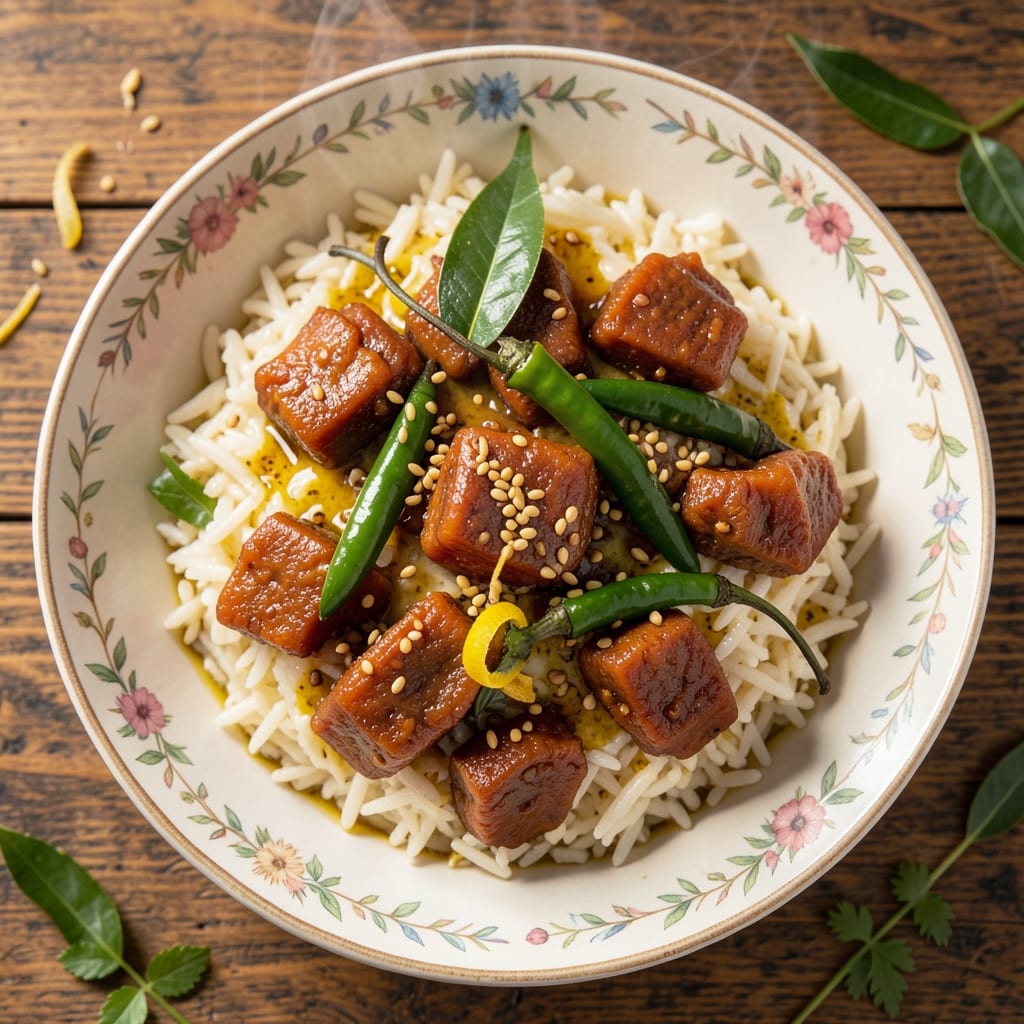
This amla rice recipe transforms humble basmati into a vibrant, tangy-spiced bowl that balances Ayurvedic goodness with nutty crunch. The secret lies in perfectly tempered spices and freshly cooked amla—sour, sweet, and packed with vitamin C—that elevates simple rice into a restaurant-worthy dish. I developed this version after years of testing traditional methods, ensuring every bite delivers that perfect harmony of flavors without sacrificing authenticity.
The process begins with soaking and cooking the amla just until tender—never mushy—while the rice cooks separately to maintain its signature fluffiness. A hot tempering of mustard seeds, curry leaves, and asafoetida unlocks layers of aroma that penetrate both the rice and amla, creating a fragrant base. The dish comes together in minutes but tastes like it simmered all day, thanks to the natural tanginess of the amla cutting through the rice's mildness.
What makes this recipe special is how the textures and flavors play off each other: the slight crunch of toasted rice, the velvety amla, and the pop of fresh coriander garnish. The tangy-spiced profile makes it equally satisfying as a light lunch or a hearty dinner, especially when paired with yogurt or a squeeze of lemon. For those who love bold flavors with Ayurvedic benefits, this is the dish that delivers.
Optional variations like adding jaggery for depth or coconut for creaminess let you customize it to your taste. Ready in under 45 minutes, this recipe proves you don’t need complicated techniques to create something extraordinary. Let’s get cooking!
Ingredients for amla rice
These vibrant ingredients blend Ayurvedic tanginess with nutty crunch for a restaurant-worthy bowl.
| Ingredient | Amount | Notes |
|---|---|---|
| Basmati Rice 🍚 | 1 cup | Uncooked, long-grain preferred |
| Fresh Amla (Indian Gooseberry) 🍇 | ½ lb | Medium-sized, organic preferred |
| Mustard Seeds 🌿 | 1 tsp | Whole, for tempering |
| Curry Leaves 🌿 | 10 whole | Fresh, dried as substitute |
| Asafoetida (Hing) 🌶️ | ⅛ tsp | Pinch for aroma |
| Green Chilies 🌶️ | 2 whole | Slit lengthwise, adjust heat |
| Fresh Cilantro (Coriander) 🌿 | ¼ cup | Chopped, for garnish |
| Ghee or Coconut Oil 🫒 | 2 tbsp | For tempering and cooking |
| Cumin Seeds 🌿 | ½ tsp | Toasted for depth |
| Turmeric Powder 🌶️ | ¼ tsp | Fresh root preferred |
| Salt 🧂 | 1 tsp | Adjust to taste |
| Lemon Juice 🍋 | 1 tbsp | Freshly squeezed |
| Jaggery (Optional) 🍯 | 2 tbsp | For added depth |
| Toasted Cashews (Optional) 🥜 | ¼ cup | For nutty crunch |
Amla is the star—organic, medium-sized fruits from Indian markets or specialty stores pack the most flavor. Look for bright green, firm amlas with no soft spots; they should feel heavy for their size. If fresh amla is unavailable, amla powder works in a pinch (reduce to 1 tbsp), though texture differs. For tempering, mustard seeds and curry leaves from bulk bins at Indian grocery stores like Patel Brothers or Patel Brothers Online deliver authentic aroma. Toast your cumin seeds in a dry pan for 30 seconds before adding to the rice—this step unlocks deeper flavor.
No fresh curry leaves? Dried leaves at half the amount work, but the aroma won’t be the same. Substitute ghee with coconut oil for a lighter option, though ghee’s richness is ideal. The jaggery adds complexity—Patel Brothers or Whole Foods carry high-quality varieties. For nutty crunch, toast cashews until golden (about 5 minutes at 350°F) and chop roughly. If you’re short on time, pre-toasted cashews from the bulk section save effort without sacrificing texture. The green chilies can be swapped for red serrano peppers if you prefer milder heat.
Store cooked amla in an airtight container with a paper towel to absorb moisture—keeps for 3 days in the fridge. The rice reheats beautifully with a splash of water (microwave 2 minutes), but the amla’s texture softens further. For make-ahead meals, cook the amla and rice separately, then combine when serving to preserve the amla’s slight crunch. Garnish with fresh cilantro just before eating—it brightens the dish with a burst of freshness. This recipe’s magic lies in the balance: tangy amla, nutty rice, and the aromatic tempering. Save leftovers for lunch the next day—the flavors deepen overnight.
Why You'll Love This Recipe
- I’ll be real: the ingredients cost less than a fancy takeout order. Basmati rice is cheap, amlas last forever in the fridge, and mustard seeds? Always in my spice rack. It’s the kind of recipe that doesn’t break the bank but still feels special—great for when you want to impress but can’t afford to splurge.
- No Chopping Chaos: I swear by this recipe because it’s the only rice dish where I can skip the knife entirely. Just wash the basmati, toss in whole mustard seeds and curry leaves while they sizzle—no dicing, no mincing, no mess. The amlas get blended into a tangy paste, so you’re really just stirring, not prepping.
- Tangy Magic: That first bite? The amla’s sharp, citrusy punch cuts through the rice’s fluffiness like a wake-up call. Honestly, the hing and mustard seeds add this smoky depth that makes it taste like a restaurant plate, not a weeknight dinner. It’s the kind of flavor that lingers—just right for when you’re craving something bold but simple.
- Lunchbox Hero: Between us, this is my go-to for meal prep because it stays fresh for days. Pack it in containers with a sprinkle of roasted peanuts, and it’s lunch sorted—no soggy rice, no sad flavors. My kids actually finish their lunches now, and that’s saying something.
Step-by-step instructions for amla rice
Here's how to transform simple basmati rice into a vibrant, tangy-spiced Ayurvedic bowl with nutty depth.
Prepare the Amla and Tempering Spices
Begin by washing the 0.5 lb fresh amla (Indian gooseberry) thoroughly and cutting it into small, even pieces—about ½-inch cubes. Set aside. In a small pan, dry-toast the 0.5 tsp cumin seeds over medium-low heat for 1-2 minutes until fragrant and lightly golden. Immediately transfer to a bowl to cool—their aroma will infuse the rice.
In the same pan, heat 1 tablespoon of the 2 tbsp ghee or coconut oil over medium heat. Add the 1 tsp mustard seeds and let them sizzle for 10 seconds until they pop. Add the 10 whole curry leaves and 2 whole slit green chilies, cooking for another 30 seconds until the curry leaves turn crisp and the chilies darken slightly. Remove from heat and set aside with the toasted cumin.
Cook the Basmati Rice with Amla
Rinse the 1 cup basmati rice in a fine-mesh strainer until the water runs clear—this removes excess starch for fluffier grains. In a medium pot, combine the rice with 2 cups water, 0.25 tsp turmeric powder, 1 tsp salt, and the prepared amla pieces. Bring to a boil over high heat, then reduce to low heat, cover tightly, and simmer for 15 minutes.
After 15 minutes, turn off the heat and let the rice steam undisturbed for another 10 minutes. The residual heat will finish cooking the rice while keeping it separate. Fluff gently with a fork—you should see individual grains with no sticky residue. The amla will have softened slightly but should still retain some texture.
Temper the Rice with Ghee and Finishing Touches
Return the pot to low heat and add the remaining 1 tablespoon ghee or coconut oil. Stir in the reserved tempering spices (cumin, mustard seeds, curry leaves, and chilies) and let them bloom for 1 minute until the oil shimmers with golden flecks. Add the 1 tbsp lemon juice and 2 tbsp jaggery (if using), stirring until the jaggery dissolves completely.
Taste and adjust seasoning with additional salt if needed. The rice should be tangy, slightly sweet, and infused with the earthy aroma of amla. If using, fold in the 0.25 cup toasted cashews and 0.25 cup chopped fresh cilantro (coriander) just before serving to add crunch and freshness.
Serve with Garnishes for Maximum Flavor
Transfer the amla rice to a serving dish and let it sit for 2-3 minutes to cool slightly. The flavors will meld further during this time. Garnish generously with the remaining chopped cilantro (coriander) and a final sprinkle of toasted cashews if desired. Serve warm with a side of yogurt or a sprinkle of chaat masala for an extra tangy kick.
Each bite should deliver a harmonious balance of rice's mild texture, amla's tart punch, and the nutty crunch of cashews. The tempering spices add depth, while the lemon juice brightens the dish—perfect for a wholesome, Ayurvedic-inspired meal.
Pro Tips For Making Amla Rice
- SOAK AMLAS IN SALTED WATER: First, cut the amlas into quarters and soak them in warm salted water for 10 minutes—this softens their tough skin and draws out the bitterness. I used to skip this, and the flavor always felt harsh; now it’s the thing that makes the dish sing.
- TEMPER WITH DRY HEAT: Sauté mustard seeds and curry leaves in a dry pan until they pop before adding oil—this deepens their aroma and prevents the oil from burning when you toss in hing. I learned this the hard way after inhaling smoke three times in a row.
- STOP RICE AT AL-DENTE: Basmati rice for this dish should be cooked until it’s just firm to the bite—like a 10-minute pasta. Overcooking turns it mushy, and the amla’s tang gets lost. Taste-test at 8 minutes if you’re unsure.
- USE LEMON JUICE LAST: Finish with a squeeze of lemon juice after mixing in the amla rice—this brightens the flavor without making the rice soggy. I was skeptical until I tried it; now I can’t imagine skipping it.
Pro cooking tips for this dish
Amla Prep Perfection
For the best flavor, choose firm, bright green amlas that feel heavy for their size—this ensures maximum tanginess. Cut them into ½-inch cubes and soak in warm water for 5 minutes before cooking to soften slightly without losing texture. Overcooking amla turns it mushy, so aim for 10-12 minutes of simmering—it should yield slightly but still hold its shape. 🍇
Tempering Technique
The key to aromatic rice lies in the tempering. Toast cumin seeds separately until fragrant (they burn quickly!) and set aside. When blooming the spices in ghee, keep heat medium-low—too high scorches mustard seeds and curry leaves, making them bitter. Add asafoetida (hing) last, as its aroma dissipates quickly. Let the spices sizzle for 30 seconds before removing from heat to preserve their freshness.
Rice Texture Secrets
Rinsing basmati rice until water runs clear removes excess starch, preventing gummy grains. Use a 1:2 rice-to-water ratio and cook at low heat after the initial boil—this ensures even cooking without burning. After 15 minutes of simmering, let the rice steam off heat for 10 minutes—this resting period is crucial for fluffy, separate grains. Never peek while steaming, or you'll release steam and ruin the texture.
Flavor Balancing
The tangy-sweet balance comes from lemon juice and jaggery—start with 1 tbsp lemon juice and adjust to taste, as amla's acidity varies. If your dish tastes too sharp, add ½ tsp jaggery to mellow it. The cashews should be toasted until golden but not browned—5 minutes at 350°F is ideal. Taste as you go: the final dish should harmonize tart, sweet, and nutty notes in each bite. ✨
Make-Ahead Mastery
Cooked amla rice reheats beautifully, but the amla's texture softens further. For best results, store components separately: refrigerate cooked rice and amla in airtight containers for up to 3 days. Reheat rice with 2 tbsp water per cup in a steamer or microwave on low. When serving, add fresh lemon juice and garnishes to revive flavors. The dish actually improves overnight as spices meld further.
Equipment Essentials
You'll need a medium pot with tight-fitting lid for even cooking, a fine-mesh strainer for rinsing rice, and a small pan for tempering. A wooden spoon prevents scratching nonstick surfaces when stirring. For toasting cashews, use a baking sheet instead of oil to keep them dry and crunchy. Invest in a digital kitchen scale for precise measurements—especially important when balancing amla's tartness with sweet jaggery.
Nutrition facts
Frequently asked questions
Can I substitute amla powder for fresh amla in this recipe?
Yes, but the texture and flavor will differ. Use 1 tbsp amla powder instead of 0.5 lb fresh amla, and dissolve it in 2 tbsp warm water before adding to the rice. The powder lacks the firm bite of fresh amla, so the dish will be softer but still tangy. For best results, add an extra ½ tsp lemon juice to compensate for the missing texture.
How do I adjust the spice level in this amla rice?
For milder heat, reduce the green chilies to 1 whole or swap them for ½ tsp red chili powder. If you love spice, add 1 tsp Kashmiri red chili powder during tempering or include 1 extra green chili for a fiery kick. Always taste as you go—the amla's tanginess can make mild spices feel more pronounced.
Why does my amla rice turn out mushy instead of fluffy?
Mushy rice usually happens from overcooking or improper resting. First, ensure you rinse the rice until water runs clear to remove excess starch. Second, cook at low heat after the initial boil and let it steam off heat for 10 minutes without peeking. If using fresh amla, cook it for only 10-12 minutes—overcooking softens it completely. For extra fluffiness, fluff with a fork immediately after removing from heat.
What are the best sides to serve with amla rice?
This tangy-spiced rice pairs beautifully with cooling sides like yogurt (raita), cucumber salad, or boondi raita. For protein, add dal tadka or grilled paneer. A sprinkle of chaat masala on top adds a crunchy, tangy contrast. For a complete meal, serve with papad or a side of pickled onions to cut through the richness.
Can I make amla rice without jaggery? What else can I use?
Skip jaggery and use 1 tbsp honey or brown sugar for a milder sweetness. For a more traditional touch, try palm sugar or date syrup. If you prefer savory, omit all sweeteners and add ½ tsp chaat masala instead—it enhances the tangy flavor without sweetness. The key is balancing the amla's acidity, so adjust to taste.