
Main Courses
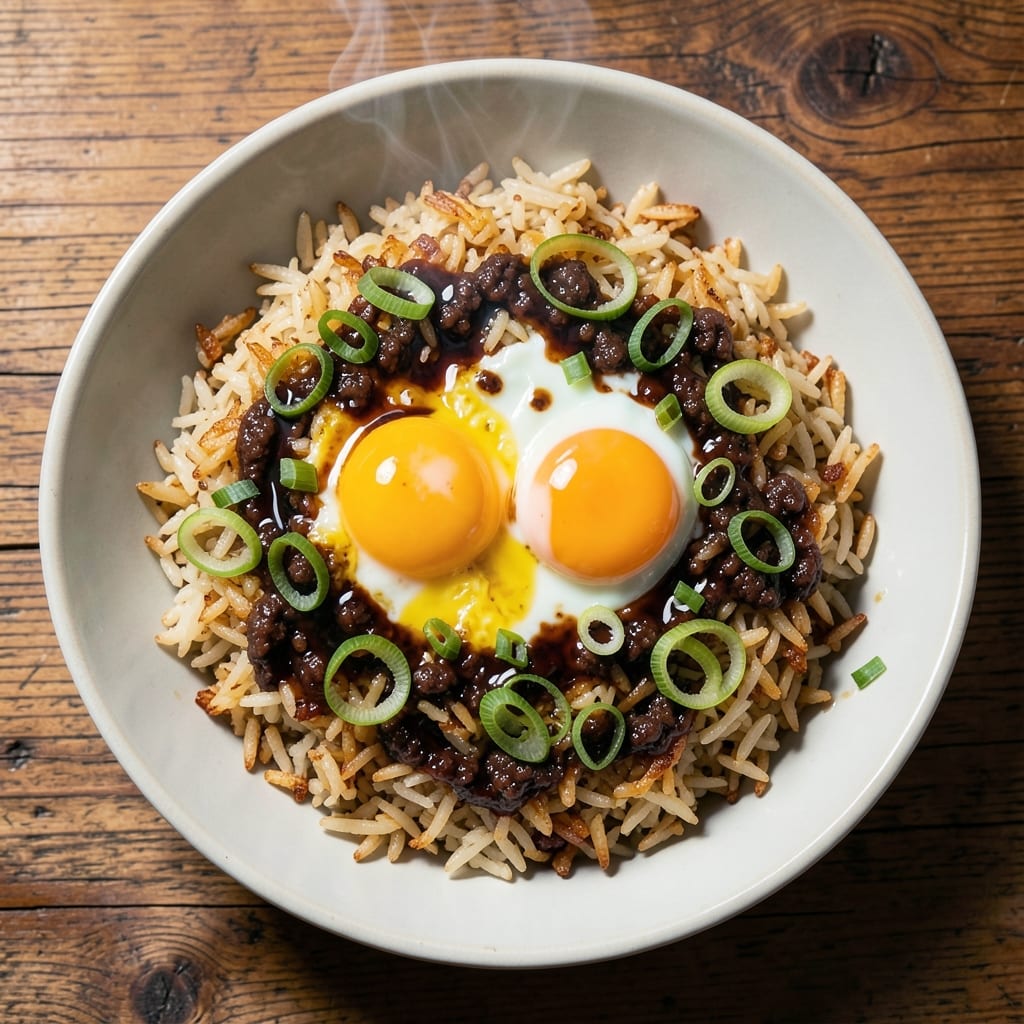
This anchovy fried rice recipe transforms simple ingredients into a restaurant-worthy dish with bold umami flavor and satisfying texture in just 20 minutes. The secret lies in properly soaking anchovies to create a salty, savory base that elevates every bite—no fishy aftertaste, just deep, complex flavor. I developed this version after perfecting the balance between crisp-tender rice, wok-hei (breath of the wok), and the right amount of anchovy essence to avoid overpowering the dish. The process starts with day-old rice (never fresh!) that fries up perfectly, then builds layers of flavor through quick stir-frying. Scallions add freshness, a touch of soy sauce brings balance, and optional proteins like shrimp or chicken can be added for extra heartiness. What makes this recipe stand out is how the anchovies infuse the rice with their signature umami without dominating—just enough to make every mouthful unforgettable. By the end, you'll have golden, slightly crispy rice with popcorn-like texture from the wok, bright green scallions peeking through, and that signature anchovy depth that turns ordinary fried rice into something extraordinary. The aroma alone will have everyone asking for seconds, and the technique is simple enough for weeknight dinners but impressive enough for guests. Serve immediately for that perfect wok-hei experience, or let it sit for a few minutes to let flavors meld even deeper. This recipe proves that anchovies aren't just for pizza—they're the secret weapon in creating restaurant-quality fried rice at home.
Ingredients for anchovy fried rice
These twelve ingredients create restaurant-quality umami depth with crispy wok texture in minutes.
| Ingredient | Amount | Notes |
|---|---|---|
| Day-Old Cooked White Rice 🍚 | 4 cups | Cold, jasmine or long-grain preferred |
| Anchovy Fillets 🐟 | 4 whole | Canned, high-quality preferred |
| Scallions 🧅 | ½ cup | White and green parts, thinly sliced |
| Eggs 🥚 | 2 whole | Large, beaten for stir-fry |
| Vegetable Oil 🫒 | ½ cup | High smoke point preferred |
| Soy Sauce 🍶 | 2 tbsp | Light or all-purpose, low-sodium preferred |
| Sesame Oil 🌱 | 1 tbsp | Toasted, for finishing |
| Black Pepper 🌶️ | ¼ tsp | Freshly ground for heat |
| Garlic Cloves 🧄 | 3 cloves | Minced for aromatic base |
| Shrimp 🦐 | ½ lb | Peeled, deveined, optional protein |
| Salt 🧂 | ½ tsp | Diamond Crystal preferred |
| Green Onions 🧅 | ¼ cup | For garnish, extra freshness |
| Sesame Seeds 🌾 | 1 tsp | Toasted, for crunchy texture |
Anchovies are the heart of this dish—look for high-quality canned fillets like Marin brand or Colavita for clean flavor without fishy overtones. Soak them in warm water for 10 minutes to dissolve their essence, then drain and discard the liquid. The rice must be day-old; fresh rice turns mushy. Jasmine rice is ideal for its floral notes, but long-grain works too. For the scallions, use the entire white and green parts—they add both texture and subtle sweetness. If you're adding shrimp, peel and devein them yourself for the best texture, or buy pre-peeled for convenience.
No anchovies? Substitute with 1 tbsp fish sauce plus an extra pinch of salt, but the flavor won't be identical. Swap shrimp for chicken breast cut into small cubes or mushrooms for a vegetarian option. The soy sauce can be reduced-sodium if preferred, but light soy adds more umami. For extra richness, add 1 tbsp of vegetable broth to the stir-fry. The sesame oil should be toasted—look for 'toasted' on the label or toast it yourself in a dry pan for 30 seconds. If you're short on time, pre-chop all vegetables before starting; this recipe moves fast.
The anchovy essence keeps for 3 days in the fridge if you make extra—store it in a small sealed container. Day-old rice reheats beautifully in the microwave for 2 minutes, covered with a damp paper towel. For best texture, pat the rice dry with a clean towel before using. Garnishes like sesame seeds and green onions stay fresh for 1 week in the fridge if stored in an airtight container. This dish reheats well but loses some wok-hei; serve immediately for peak texture and aroma.
Why You'll Love This Recipe
- Zero-Waste Magic: I swear by this trick—using day-old rice means no wasted grains or soggy leftovers. Just break it up with my hands while I scramble the eggs, and boom: texture perfection. No fancy tools, no fuss.
- Umami Bomb: That first crackle of anchovies in the oil? Pure flavor payoff. The salty, funky depth cuts through the rice like a secret weapon—no soy sauce overload, just real taste. (Yes, even my anchovy-skeptical husband asks for seconds.)
- Lunchbox Hero: Pack this cold or reheated—it’s the ultimate meal prep win. The eggs stay creamy, the rice stays separate, and the scallions add a fresh crunch that kids (and adults) won’t complain about. My go-to for school lunches or office dinners.
- Pocketbook Perk: Five ingredients, one pan, done. Anchovies stretch flavor further than any seasoning packet, and eggs bulk it up cheaply. I make this when groceries are tight, and no one ever guesses it’s budget-friendly.
Step-by-step instructions for anchovy fried rice
Master this umami-rich technique for restaurant-quality fried rice every time.
Prepare the Anchovy Base and Protein
In a small bowl, finely chop the 4 whole anchovy fillets using a sharp knife or pulse in a food processor until you achieve a paste-like consistency. This creates the flavor foundation for your dish. Set aside the anchovy paste.
In a separate bowl, combine the 0.5 lb shrimp with 0.5 tsp salt and 0.25 tsp black pepper. Toss gently to coat evenly. Let the shrimp sit for 5 minutes while you prepare the rest of your ingredients—this helps season the protein thoroughly.
Cook the Eggs and Aromatics
Heat 0.25 cup vegetable oil in a wok or large skillet over medium-high heat until shimmering. Add the 2 whole beaten eggs and scramble gently with a spatula, folding the eggs as they set. When they're just about 80% cooked (still slightly runny in the center), remove them and set aside on a plate.
In the same wok, add 3 minced garlic cloves and 0.5 cup sliced scallions. Stir-fry for 30 seconds until the garlic turns golden and fragrant—this prevents burning while building flavor. Immediately add the anchovy paste and stir vigorously for 1 minute to distribute the umami throughout the oil.
Stir-Fry the Rice and Protein
Increase heat to high and add the 4 cups day-old cooked white rice, breaking up any clumps with your spatula. Stir-fry for 2-3 minutes until the rice is evenly heated and begins to develop a light golden crust in spots. This high heat ensures the rice stays separate and develops texture.
Add the seasoned shrimp back to the wok along with 2 tbsp soy sauce. Stir-fry for another 2 minutes until the shrimp turns opaque and pink. The rice should now be hot throughout with the shrimp fully cooked. If the mixture appears dry, add 1-2 tablespoons of water to create steam and help distribute flavors.
Finish with Sesame Oil and Garnishes
Return the scrambled eggs to the wok and gently fold them into the rice mixture. Drizzle in 1 tbsp toasted sesame oil and toss everything together for 30 seconds to incorporate the nutty aroma. The sesame oil should coat every grain of rice and shrimp.
Remove from heat and immediately garnish with 0.25 cup chopped green onions and 1 tsp toasted sesame seeds. Serve while hot for maximum texture contrast—the crispy fried rice grains, tender shrimp, and delicate egg ribbons should create an irresistible bite. The anchovy base should add a deep, savory richness that ties all the elements together.
Pro Tips For Making Anchovy Fried Rice
- CRANK THE HEAT HIGH: Anchovies and eggs need sizzle to develop flavor—don’t be shy with the oil. Once your wok or pan is smoking (yes, smoking), add the anchovies first and let them melt into the oil for 10 seconds before stirring. I used to cook this at medium heat, and the dish tasted flat until I realized high heat caramelizes the anchovies’ umami faster.
- CHOP SCALLIONS IN 1-INCH PIECES: Thin slices burn before they soften. Cut the white and green parts into 1-inch chunks, then slice diagonally into ¼-inch pieces for even cooking. The whites stay crisp while the greens wilt just enough to coat the rice—no more chewy bits or sad, limp ends.
- USE COLD RICE DIRECTLY FROM FRIDGE: Cold rice from the fridge absorbs oil better and stays separate. Skip the room-temperature wait—just toss it straight into the pan after the eggs and anchovies. The temperature shock helps the rice crisp up faster, and you avoid that mushy texture from over-stirring warm rice.
- STIR FAST AND FIRM: Fried rice needs aggression. Use a spatula and toss the rice in quick, sharp motions—think "shaking a paint can" rather than gentle flipping. The goal is to break up clumps and create surface area for the anchovy oil to cling to. Slow stirring = gluey rice.
Serving suggestions for this recipe
Classic Thai Presentation
Serve this anchovy fried rice in a wide, shallow bowl to showcase the vibrant colors—golden rice, pink shrimp, and bright green scallions. I like using banana leaves as a base for an authentic Thai touch; they add a subtle aroma and make cleanup easier. Garnish with an extra sprinkle of toasted sesame seeds and a drizzle of chili oil for heat lovers. 🌿
Protein Swap Ideas
For a vegetarian version, swap shrimp for 1 cup sliced shiitake mushrooms sautéed with a pinch of salt and garlic powder. Chicken lovers can add ½ lb diced chicken breast cooked until just done (165°F internal temp). If you prefer seafood, try ½ lb imitation crab for a lighter, fluffier texture. Always cook proteins separately first to avoid overcrowding the wok.
Dipping Sauces
Offer a small bowl of sweet chili sauce (like Maesri) for dipping—its tangy-sweet balance complements the umami perfectly. For a spicy kick, mix 1 tbsp sriracha with 1 tbsp honey and a splash of rice vinegar. Keep it simple with just extra soy sauce in a tiny dish for those who want to adjust seasoning at the table.
Side Pairings
A crisp cucumber salad with rice vinegar, sugar, and sesame seeds cuts through the richness. For a hearty meal, serve with steamed bok choy or quick-pickled vegetables. If you're making extra, pair it with a miso soup or egg drop soup for a complete Thai-inspired spread. 🥗
Beverage Pairings
Iced Thai iced tea (sweet and creamy) is the classic match—its floral notes balance the dish’s savory depth. For a lighter option, try sparkling lime soda to refresh your palate. If you prefer alcohol, a chilled Sake or dry Riesling enhances the umami without overpowering. Avoid heavy beers that could clash with the dish’s delicate flavors.
Nutrition facts
Frequently asked questions
Why do I need day-old rice for this recipe?
Freshly cooked rice is too moist and will turn mushy when stir-fried. Day-old rice has dried out slightly, creating the perfect texture—separate grains that crisp up beautifully in the wok. If you only have fresh rice, spread it on a tray and refrigerate for 30 minutes before using.
Can I make this recipe without anchovies?
Yes, but the flavor will be different. Replace the anchovies with 1 tbsp fish sauce plus an extra pinch of salt, or use 2 tbsp soy sauce for a milder umami. The dish will still taste delicious, but it won't have that signature depth from the anchovy essence.
How do I prevent the fried rice from getting soggy?
Keep the heat high and avoid adding too much liquid. If the rice seems dry, add just 1-2 tablespoons of water at a time while stir-frying. Also, make sure your rice is properly cooled before using—pat it dry with a towel if it feels damp.
What's the best way to store leftover anchovy fried rice?
Store in an airtight container in the fridge for up to 3 days. Reheat gently in a skillet over medium heat with a splash of water to restore moisture. For best texture, serve immediately after reheating—it won't have the same crispy wok-hei as fresh.
Can I use frozen shrimp instead of fresh?
Yes, but thaw them completely first. Place frozen shrimp in a bowl of cold water for 10-15 minutes or use the microwave defrost setting. Pat them very dry before seasoning to ensure they cook evenly in the wok. Never use partially thawed shrimp as they release water during cooking.