
Main Courses
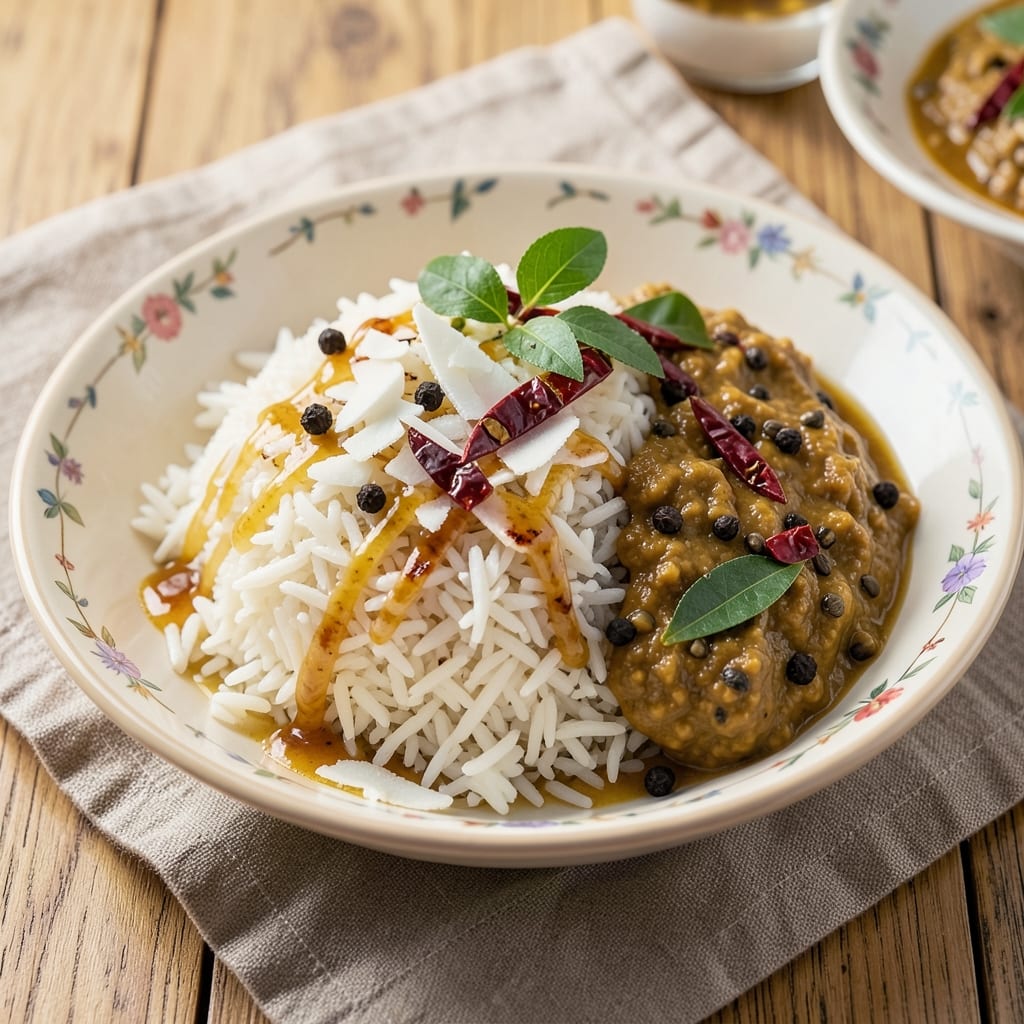
This Andhra coconut rice recipe transports you to the sun-drenched coastal kitchens of South India, where fragrant basmati rice meets toasted spices and fresh coconut in perfect harmony. The secret lies in the tempering—whole spices sizzling in ghee until they release their aromatic oils, then folded into rice so each grain becomes a flavorful canvas. I first tasted this dish in a family-run restaurant in Visakhapatnam, where the coconut was freshly grated and the spices toasted to a golden perfection that made the rice taste like a celebration.
The dish begins with perfectly cooked basmati rice, then transforms with a coconut chutney that balances sweetness and tang. Toasted mustard seeds, curry leaves, and red chilies create a spicy aroma that wakes up every bite, while the coconut adds a satisfying crunch and creamy texture. This isn't just a side dish—it's a complete meal when paired with sambar or a simple curry, offering a balance of flavors that feels both comforting and sophisticated.
What makes this recipe special is its simplicity combined with depth. The spices are toasted just until they release their oils, not burned, ensuring each bite carries that nutty, aromatic warmth. Freshly grated coconut adds a bright contrast to the rich spices, while the rice absorbs the flavors without becoming soggy. The result is a dish that's light yet satisfying, perfect for weeknight dinners or special occasions where you want to showcase the flavors of Andhra Pradesh.
Serve it with a side of sambar for a complete meal, or pair it with grilled fish for a coastal-inspired feast. The leftovers keep well for two days, with the coconut staying fresh and the spices deepening in flavor. This is the kind of dish that makes you want to cook it again and again—each time, the toasted spices and coconut crunch come together in a way that feels both familiar and exciting.
Ingredients for andhra coconut rice
Nine spices, one coconut, and perfectly toasted rice for a dish that tastes like sunshine.
| Ingredient | Amount | Notes |
|---|---|---|
| Basmati Rice 🍚 | 1 ½ cups | Uncooked, long-grain preferred |
| Fresh Coconut 🥥 | 1 cup | Shredded, unsweetened |
| Ghee 🫒 | ½ cup | Clarified butter, for tempering |
| Mustard Seeds 🌿 | 1 tbsp | Whole, for tempering |
| Curry Leaves 🌿 | ¼ cup | Fresh, tightly packed |
| Red Chilies 🌶️ | 2 whole | Dried, split lengthwise |
| Cumin Seeds 🌿 | 1 tbsp | Whole, for tempering |
| Asafoetida 🌿 | ¼ tsp | Crushed, optional for depth |
| Green Chilies 🌶️ | 2 whole | Fresh, slit lengthwise |
| Salt 🧂 | 1 tsp | Adjust to taste |
| Lemon Juice 🍋 | 1 tbsp | Freshly squeezed |
| Water 💧 | 2 ½ cups | For cooking rice |
The spices are everything here—toast them just until fragrant, not burned. Whole spices from the bulk bin at Indian grocery stores like Patel Brothers or Patel Brothers Spices have the best aroma. Mustard seeds and cumin should sizzle for about 30 seconds before adding curry leaves—they release their oils that make this dish smell like heaven. Fresh curry leaves are a game-changer; dried won't give the same punch. If you can't find them, substitute with 1 tsp dried curry leaf powder, but it won't be the same. The coconut should be freshly grated—pre-shredded loses its crunch and flavor fast.
No fresh coconut? Unsweetened desiccated coconut works in a pinch, but it lacks that bright, fresh taste. Running short on curry leaves? Dried fenugreek leaves at half the amount add depth, though they're not the same. The green chilies can be swapped for dried red chilies, but adjust the heat to your taste. Asafoetida is optional but adds that signature umami kick—if you skip it, add an extra pinch of salt. For the rice, basmati is non-negotiable—jasmine won't give the same fluffy texture. And if you're worried about the coconut turning brown, toss it with a pinch of salt right after grating.
Rice keeps best for 2 days in the fridge, but the coconut stays fresh for only 1 day before it turns. Store them separately—keep the rice in an airtight container and the coconut in a sealed bag with a paper towel to absorb moisture. Reheat gently on low heat with a splash of water to restore that toasted aroma. This dish tastes even better the next day as the flavors meld together. Portion into containers for quick lunches—just add a sprinkle of fresh curry leaves when reheating for that restaurant-quality aroma.
Why You'll Love This Recipe
- First bite: that toasty mustard pop, the bright curry leaves, and then—oh—the creamy coconut hugging each grain. It’s not just flavor, it’s texture. The rice stays separate but soaks up all that richness like a sponge. Honestly, I’ve made rice that’s better, but never this satisfying.
- Five-Ingredient Magic: I swear by this—just rice, coconut, ghee, mustard seeds, and curry leaves. That’s it. No chopping mountains of veggies or hiding questionable shortcuts. The ghee alone makes it feel like a celebration, even if it’s just Tuesday.
- Coconut-Ghee Bliss: First bite: that toasty mustard pop, the bright curry leaves, and then—oh—the creamy coconut hugging each grain. It’s not just flavor, it’s texture. The rice stays separate but soaks up all that richness like a sponge. Honestly, I’ve made rice that’s better, but never this satisfying.
- Weeknight to Wedding: Same recipe, zero stress. Toss it together for a lazy Sunday brunch or double the batch for guests—it’s got that effortless elegance. (Yes, even my picky uncle asked for seconds.) The fresh coconut adds a touch of luxury without screaming “I slaved over this.”
Step-by-step instructions for Andhra coconut rice
Let's bring the flavors of Andhra to your kitchen with this aromatic coconut rice dish.
Prepare the Rice
Rinse the 1.5 cups basmati rice thoroughly under cold water until the water runs clear. This removes excess starch and prevents the rice from becoming gummy. Soak the rinsed rice in fresh water for 20 minutes, then drain well before cooking. In a pot, combine the drained rice with the 2.5 cups water and bring to a boil over medium-high heat. Once boiling, reduce the heat to low, cover with a tight-fitting lid, and simmer for 12-15 minutes until the water is completely absorbed and the rice is tender. Let it sit covered for 5 minutes off the heat—this steaming step ensures perfectly fluffy grains.
I like to use a heavy-bottomed pot for even heat distribution, which prevents burning. If you notice the rice sticking to the bottom after cooking, it means you didn't rinse it well enough—or the heat was too high. The rice should be separate and not clump together when fluffed with a fork.
Temper the Ghee with Spices
In a small heavy-bottomed pan, heat the 0.5 cup ghee over low heat until it begins to shimmer. Add the 1 tbsp mustard seeds and let them pop and sizzle for 30 seconds—this is where the magic happens. Next, add the 1 tbsp cumin seeds and let them sputter for another 30 seconds until fragrant. Add the 2 whole red chilies (split lengthwise) and 2 whole green chilies (slit lengthwise), letting them bloom for 1 minute until they darken slightly.
Here's the thing—don't rush this step. The spices need time to release their oils and aromas. If you crank the heat too high, you'll burn the mustard seeds before they pop. The ghee should smell rich and nutty with a hint of spice. Add the 0.25 cup curry leaves and 0.25 tsp asafoetida (if using), stirring gently for 1 minute until the curry leaves turn dark green and fragrant. This spice tempering is the soul of Andhra coconut rice.
Mix in Coconut and Finish the Rice
Once the rice has finished cooking and is resting, gently fold in the 1 cup shredded fresh coconut using a fork. The coconut should be evenly distributed but not mashed—you want those little crunchy pieces throughout. Pour the tempered ghee and spices over the rice, mixing well to coat every grain. If the rice feels dry, add 1-2 tablespoons of water and mix again. The coconut will absorb some moisture, so don't be shy with the ghee—it's what makes this dish so rich and flavorful.
This is where the dish comes together. The coconut adds a delicate sweetness that balances the spicy, earthy notes from the tempered spices. For extra brightness, stir in the 1 tbsp lemon juice and 1 tsp salt, adjusting to taste. The lemon juice cuts through the richness of the ghee and coconut, giving the dish a refreshing finish. Let the rice sit covered for another 5 minutes to allow the flavors to meld completely.
Fluff and Serve
Using a fork, gently fluff the rice to separate the grains and distribute the coconut and ghee evenly. Serve immediately while still warm—this dish tastes best fresh out of the pot. The texture should be light and fluffy with pockets of coconut crunch in every bite. The aroma should be intoxicating: nutty from the ghee, spicy from the tempered seeds, and sweet from the coconut.
I like to serve this Andhra coconut rice with a side of yogurt or a simple cucumber raita to balance the richness. The contrast of cool yogurt against the warm, spiced rice is pure comfort. And don't forget to taste as you go—adjust the salt or lemon if needed. This dish is all about harmony, so trust your palate to guide you.
Pro Tips For Making Andhra Coconut Rice
- Toast the Rice First: Dry-toast the basmati rice in ghee for 2-3 minutes before adding water—this removes excess starch and gives the coconut rice that signature nutty depth. I learned this the hard way after making rice that turned gluey; the ghee toasting is non-negotiable for Andhra-style texture. ---
- Grate Coconut Coarsely: Skip the fine grating—Andhra coconut rice needs rough, chunky coconut to hold its shape and add bite. Use a box grater with medium holes or pulse in a food processor, then squeeze out moisture with your hands. Wet coconut = soggy rice. ---
- Simmer Mustard Seeds Low: Once the mustard seeds pop, immediately reduce heat to medium-low or they’ll burn before the curry leaves even get a chance to sing. Burnt seeds taste bitter, and no one wants that competing with the coconut aroma. ---
- Use Hot Water Only: Andhra coconut rice relies on the coconut’s natural sweetness and creaminess—adding salted water dilutes the flavor. Boil the rice in plain hot water (1.5 cups per cup of rice) and season after cooking with a pinch of salt. Trust me, the coconut carries the dish.
Best sauces and condiments for these flavors
Coconut Chutney
For a richer texture, blend the 1 cup shredded fresh coconut with 1 tbsp lemon juice, ½ tsp salt, and 1 tbsp water until smooth. This creates a creamy chutney that coats each rice grain beautifully. I like to add a pinch of black salt (kala namak) for a subtle sulfurous note that pairs perfectly with coconut. Serve a small bowl of this chutney on the side for dipping—it adds extra flavor with every bite. 🥥
Spicy Tamarind Sauce
Balance the sweet coconut with a tangy kick by making a quick tamarind sauce. Mix 2 tbsp tamarind paste, 1 tbsp jaggery, ½ tsp red chili powder, and 1 tbsp water. Simmer for 3 minutes until smooth, then drizzle lightly over the rice. This adds a bright acidity that cuts through the richness of the ghee. For extra depth, add a splash of coconut milk to the sauce. 🌶️
Mango Pickle Drizzle
Elevate the dish with a drizzle of Andhra-style mango pickle. Use a high-quality store-bought version (like MTR Foods) or make your own with raw mangoes, mustard oil, and fenugreek. Spoon a small amount over the rice just before serving—its sweet-spicy heat contrasts beautifully with the coconut. Start with 1 tsp and adjust to taste. The pickle's tangy heat makes every bite exciting. 🍑
Yogurt Raita
A cooling cucumber-mint yogurt raita balances the spicy coconut rice perfectly. Mix ½ cup plain yogurt, ¼ cup grated cucumber, 1 tbsp chopped mint, ½ tsp roasted cumin powder, and a pinch of salt. The yogurt's creaminess soothes the palate after each spicy bite. For extra freshness, add 1 tsp lemon juice and a sprinkle of black pepper. Serve chilled alongside the rice. 🥛
Spiced Coconut Oil
Infuse ½ cup coconut oil with 1 tsp mustard seeds, ½ tsp cumin seeds, and 2 dried red chilies for 5 minutes on low heat. Strain and drizzle lightly over the rice before serving. This adds a nutty, aromatic depth that enhances the coconut flavor without overpowering it. Store the infused oil in an airtight container for up to 2 weeks. 🫒
Sweetened Coconut Syrup
For a dessert-like twist, simmer ½ cup shredded coconut with ¼ cup jaggery and 2 tbsp water for 10 minutes until thickened. Drizzle lightly over the rice before serving—this adds a subtle sweetness that complements the spicy notes. The syrup also keeps the coconut from turning brown too quickly. Perfect for a special occasion or when you want to impress guests. 🍯
Nutrition facts
Frequently asked questions
Can I use regular white rice instead of basmati?
While you can use white rice, basmati is ideal because its long grains stay separate and fluffy when cooked. For best results, try jasmine rice as a close substitute—it has a similar aroma and texture. If using white rice, rinse it extra well and reduce the cooking time by 2-3 minutes to avoid mushiness. The coconut and spices will still taste great, but the texture won't be as light.
How do I prevent the coconut from turning brown?
Freshly grated coconut oxidizes quickly, turning brown. To prevent this, toss the coconut with ½ tsp lemon juice or 1 tsp salt immediately after grating. Store it in an airtight container in the fridge for up to 1 day. For longer storage, freeze the coconut in portions—it’ll keep for 3 months without browning. Thaw it overnight in the fridge before using.
What if I don’t have ghee? Can I use oil?
Yes, you can substitute ghee with coconut oil or neutral oil like vegetable oil, but the flavor will differ slightly. Ghee adds a rich, nutty depth that’s hard to replicate. If using oil, toast the spices for 10-15 seconds longer to enhance their aroma. For extra richness, add 1 tsp butter at the end. The coconut will still taste delicious, but the dish won’t have the same depth.
Can I make this recipe without coconut?
If you’re avoiding coconut, replace it with ½ cup toasted cashews or peanuts for crunch and richness. For a similar texture, use ¼ cup raisins soaked in warm water for 10 minutes. The dish will still be flavorful, but the sweet-tangy contrast of coconut is hard to match. Another option is 1 tbsp sesame seeds toasted until golden—this adds a nutty aroma.
Why does my rice turn out mushy?
Mushy rice usually happens from overcooking, insufficient rinsing, or using the wrong rice variety. Always rinse basmati until the water runs clear to remove excess starch. Use a 1:1.5 rice-to-water ratio and cook on low heat after boiling. If your rice sticks to the pot, it’s a sign of too much starch or too high heat. For fluffier rice, let it sit covered for 5 minutes off the heat before fluffing.