
Main Courses
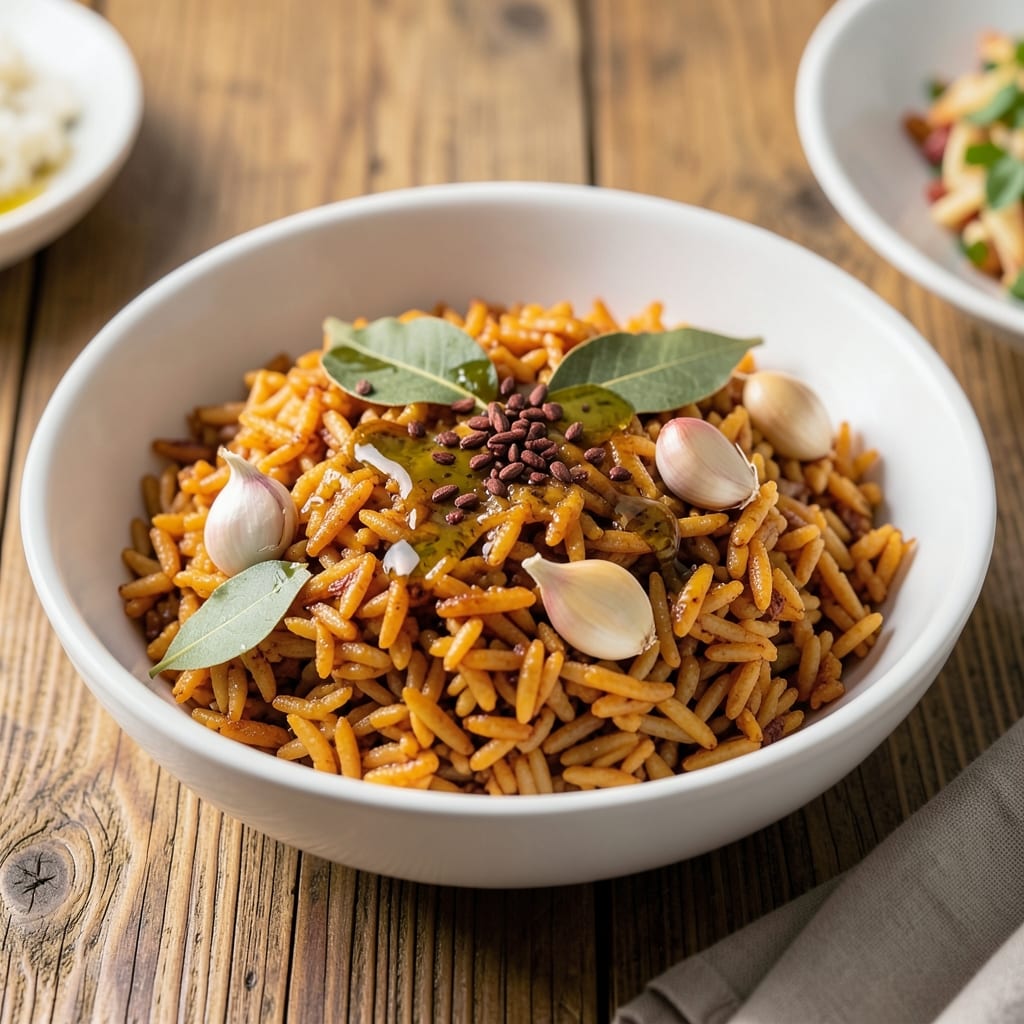
This annatto rice recipe transforms ordinary grains into a vibrant golden side dish with deep, earthy flavor—perfect for Latin-inspired meals. The secret lies in infusing rice with annatto seeds or paste, creating a dish that’s as visually striking as it is delicious. I’ve perfected this technique over years of cooking Brazilian and Caribbean dishes, where annatto isn’t just a dye but a flavor enhancer.
The process is straightforward but requires patience: soaking annatto seeds in warm water to extract their color and aroma before cooking the rice. This method ensures every grain absorbs the rich, slightly peppery notes of annatto without overpowering the rice’s natural taste. Whether you use white, brown, or mixed rice, the result is a golden, fragrant side that pairs beautifully with grilled meats, black beans, or tropical fish.
What makes this recipe stand out is its versatility—it elevates simple meals into something special. The annatto-infused rice adds a subtle warmth and depth, making it a staple in dishes like feijoada or moqueca. Plus, the natural dye means no artificial colors, just pure, vibrant flavor. Ready to bring a taste of the tropics to your table? Let’s get started.
For those new to annatto, don’t worry—it’s easier than it sounds. A little goes a long way, and the instructions will guide you through every step, from soaking the seeds to achieving that perfect golden hue. Trust me, once you try this, you’ll never go back to plain rice again.
Ingredients for annatto rice
Nine ingredients, one vibrant side dish that transforms any meal into a tropical feast.
| Ingredient | Amount | Notes |
|---|---|---|
| Long-Grain White Rice 🍚 | 2 cups | Uncooked, rinsed thoroughly |
| Annatto Seeds 🌶️ | 1 tbsp | Whole, organic preferred |
| Water 💧 | 3 ½ cups | Filtered or spring water |
| Olive Oil 🫒 | 2 tbsp | Extra-virgin for richness |
| Garlic Cloves 🧄 | 2 cloves | Minced, fresh preferred |
| Bay Leaves 🌿 | 2 whole | Dried, standard size |
| Salt 🧂 | 1 ½ tsp | Diamond Crystal preferred |
| Ground Black Pepper 🌶️ | ½ tsp | Freshly ground preferred |
| White Vinegar 🍶 | 1 tsp | For color fixation |
| Fresh Cilantro 🌿 | ¼ cup | Chopped, for garnish |
| Lime Wedges 🍋 | 2 whole | For serving |
Annatto seeds are the star here—look for organic seeds at Latin markets or specialty stores like Whole Foods or Gourmet Garage. The seeds should be bright orange, not dull or crumbly. If you can't find seeds, annatto paste works too (use 1 tsp instead of 1 tbsp seeds). For the rice, long-grain white rice is ideal—it absorbs the annatto beautifully without turning mushy. Rinse it well before cooking to remove excess starch, which can make the rice gummy. I always use Diamond Crystal kosher salt because it dissolves perfectly and doesn't leave grainy bits.
No annatto seeds? Annatto paste or powder is your next best bet—just halve the amount. Running short on bay leaves? Dried thyme or oregano at half the quantity adds depth without overpowering. The vinegar is crucial—it helps set the color, so don't skip it. For the garlic, fresh is non-negotiable—jarred minced garlic lacks the brightness. If you're serving this at a party, make a double batch. The rice reheats beautifully, and the color stays vibrant for days in the fridge.
This rice keeps for 4-5 days in an airtight container, but the color fades slightly over time. For best results, store it covered with a damp paper towel to retain moisture. The annatto-infused water from soaking the seeds? Don't pour it down the drain—save it for marinades or soups. Garnish with fresh cilantro and lime wedges right before serving. The lime brightens the dish and cuts through the richness of the annatto. Freezes well for up to 3 months, though texture might change slightly after thawing.
Why You'll Love This Recipe
- Golden Glow Magic: I’ll be real—just toasting those annatto seeds in olive oil until they smell like sunshine transforms plain rice into something ridiculously photogenic. That warm yellow hue isn’t just pretty; it’s the first clue this rice tastes like a vacation.
- No-Fuss Weeknight Win: Between us, this recipe lives in my rotation because it’s unfussy. Toss rice, seeds, and water in one pot, simmer, and walk away. The garlic gets crispy at the edges while the center stays fluffy—no fancy skills required.
- Leftovers That Shine: Honestly, I make double batches because reheated annatto rice is solid. The flavor deepens overnight, and it’s perfect for lunches or fried rice the next day. Plus, the seeds keep their color, so it looks as good cold as it does fresh.
- Budget Brightener: Long-grain rice and annatto seeds? Two of the cheapest ingredients that still feel special. This is my go-to for feeding a crowd without breaking the bank—everyone thinks it’s restaurant-quality, but it’s just me being clever with pantry staples.
Step-by-step instructions for perfectly colored annatto rice
Let's transform simple rice into a stunning golden dish using natural annatto seeds.
Toast the Annatto Seeds for Maximum Color
Heat a small dry skillet over medium heat. Add the 1 tablespoon annatto seeds and toast them for 1-2 minutes until they begin to sizzle and release their aroma. You'll see the seeds darken slightly and smell a nutty, earthy fragrance—this is when they release their vibrant yellow-orange pigments.
Watch closely—they toast quickly! Remove from heat immediately when they're fragrant but not burnt. Let them cool for 1 minute before grinding. I like to use a mortar and pestle for this step, but a clean coffee grinder works too. The goal is to create a fine powder that will evenly distribute throughout the rice.
Infuse the Oil with Annatto Color
In a medium saucepan, combine the 2 tablespoons olive oil, 2 cloves minced garlic, and the ground annatto powder. Heat over low heat for 3-4 minutes until the garlic becomes fragrant but doesn't brown. You'll notice the oil turning a beautiful golden yellow—this is your color base.
Here's the thing—don't walk away. If the garlic browns, it'll add bitterness to your rice. The oil should be warm but not hot enough to burn. Once properly infused, remove from heat and set aside. This aromatic oil will carry the annatto color into every grain of rice.
Cook the Rice with Annatto Infusion
In the same saucepan, add the 2 cups long-grain white rice and stir to coat each grain with the annatto oil. This ensures even color distribution. Add the 3.5 cups water, 2 whole bay leaves, 1.5 teaspoons salt, and 0.5 teaspoon ground black pepper.
Bring to a boil over high heat, then immediately reduce to low heat, cover tightly with a lid, and simmer for 15 minutes. Don't peek! Every time you lift the lid, you release steam and potentially dry out the rice. After 15 minutes, remove from heat and let it steam undisturbed for another 10 minutes.
Fix the Color with Vinegar
After the rice has rested, stir in the 1 teaspoon white vinegar. This step is crucial—it helps set the annatto color so it doesn't fade when mixed with other foods. The vinegar also brightens the yellow hue and adds a subtle tang that complements the rice.
Gently fluff the rice with a fork, being careful not to mash the grains. Let it sit covered for another 5 minutes to redistribute any steam. The final result should be perfectly cooked rice with a vibrant golden-yellow color that's consistent throughout—not just on the surface.
Serve with Fresh Garnishes
Transfer the rice to a serving bowl and let it cool for 2-3 minutes before garnishing. Sprinkle with the 0.25 cup chopped fresh cilantro and serve with the 2 whole lime wedges on the side. The acidity from the lime will enhance the annatto flavor and prevent any potential metallic taste from the vinegar.
For the best presentation, serve immediately while the rice is warm. The vibrant color will make any dish look more appetizing, and the annatto-infused rice will add a subtle earthy depth to your meal. This technique works beautifully with Mexican-inspired dishes, seafood, or even as a colorful side for grilled meats.
Pro Tips For Making Annatto Rice
- Toast the Annatto: Crush the seeds in a dry pan first—just 30 seconds over medium heat—before adding water. This releases the color and flavor faster, so you don’t end up with a muddy, weak tint that looks like someone dripped food coloring in.
- Rinse Rice Twice: Annatto stains everything, including rice grains. Give that long-grain white rice a quick rinse in cold water, then drain well. Skipping this means your rice will clump like glue and turn a weird, uneven yellow.
- Use Garlic Oil: Sauté those minced garlic cloves in olive oil until they’re golden, not burnt—about 2 minutes. Pour that fragrant oil over the cooked rice before mixing in the annatto water. The garlic’s depth carries through, and you avoid that raw, bitter bite.
- Simmer, Don’t Boil: Once the annatto-infused water hits the rice, reduce to a bare simmer. I learned this the hard way: boiling turns the rice mushy and washes out the annatto’s bright color. A gentle roll every 5 minutes keeps it fluffy and vibrant.
Regional styles of these flavors
Brazilian Feijoada Style
In Brazil, annatto rice is often served alongside feijoada—a hearty black bean stew with pork. The vibrant yellow rice contrasts beautifully with the dark beans, creating a visually stunning plate. I like to add ½ cup diced smoked bacon to the rice during cooking for extra depth. Serve with collard greens and farofa (toasted cassava flour) for the full Brazilian experience. 🌶️
Caribbean Jerk-Inspired
Jamaican and Trinidadian cuisines use annatto to enhance jerk seasoning. For a Caribbean twist, add 1 tsp jerk seasoning (like Epices du Monde) to the annatto oil before cooking. Top with grilled jerk chicken or shrimp for a bold flavor combination. The annatto's warmth pairs perfectly with the smoky, spicy jerk marinade. 🔥
Mexican Pozole Side
In Mexico, annatto rice is a classic accompaniment to pozole—a hominy and pork stew. The yellow hue complements the red broth beautifully. For an authentic touch, add 1 tsp ground cumin and ½ tsp dried oregano to the rice while cooking. Garnish with radish slices and lime wedges for the full Mexican street-food experience. ✨
Peruvian Lomo Saltado
Peruvian cuisine uses annatto rice as a base for lomo saltado—a stir-fry with beef, tomatoes, and fries. The annatto adds a subtle earthiness that balances the dish's sweet and savory notes. For this variation, cook the rice with ½ cup diced tomatoes and 1 tsp soy sauce along with the annatto. The tomatoes deepen the flavor while maintaining the vibrant color. 💛
Modern Fusion Twist
For a contemporary approach, try cooking the rice with ½ cup coconut milk instead of water. The coconut enhances the annatto's natural sweetness, creating a tropical fusion perfect for seafood dishes. Garnish with toasted coconut flakes and fresh mint leaves for an elegant presentation. This works beautifully with grilled mahi-mahi or shrimp skewers. 🌟
Nutrition facts
Frequently asked questions
Can I use annatto paste instead of seeds?
Yes! Annatto paste works perfectly—just use 1 teaspoon instead of 1 tablespoon seeds. Mix it directly into the olive oil before cooking. The paste dissolves easily and gives the same vibrant color, though the flavor may be slightly less intense than whole seeds.
Why does my annatto rice turn orange instead of yellow?
The color depends on the annatto concentration and cooking time. For a lighter yellow, reduce the seeds to ½ tablespoon or cook the rice for 10 minutes less. Overcooking deepens the hue. If you prefer a golden yellow, use 1 teaspoon seeds and simmer for 15 minutes total.
How do I store leftover annatto rice?
Store in an airtight container for 4-5 days in the fridge. For longer storage, freeze for up to 3 months. To reheat, sprinkle with 1 teaspoon water per cup of rice, cover, and microwave on medium heat for 2-3 minutes. The color stays vibrant but may darken slightly.
Can I make this rice without vinegar?
Technically yes, but the vinegar is key for color fixation. Without it, the annatto may fade when mixed with other foods. If you omit it, add ½ teaspoon lemon juice instead—it helps stabilize the color while adding brightness. The flavor difference is subtle but noticeable.
What’s the best rice type for annatto infusion?
Long-grain white rice is ideal—it absorbs the annatto evenly without turning mushy. For a nuttier flavor, try jasmine rice. Avoid short-grain or sticky rice; they absorb too much moisture and dilute the color. Brown rice works but requires 20% more water and longer cooking time.