
Main Courses
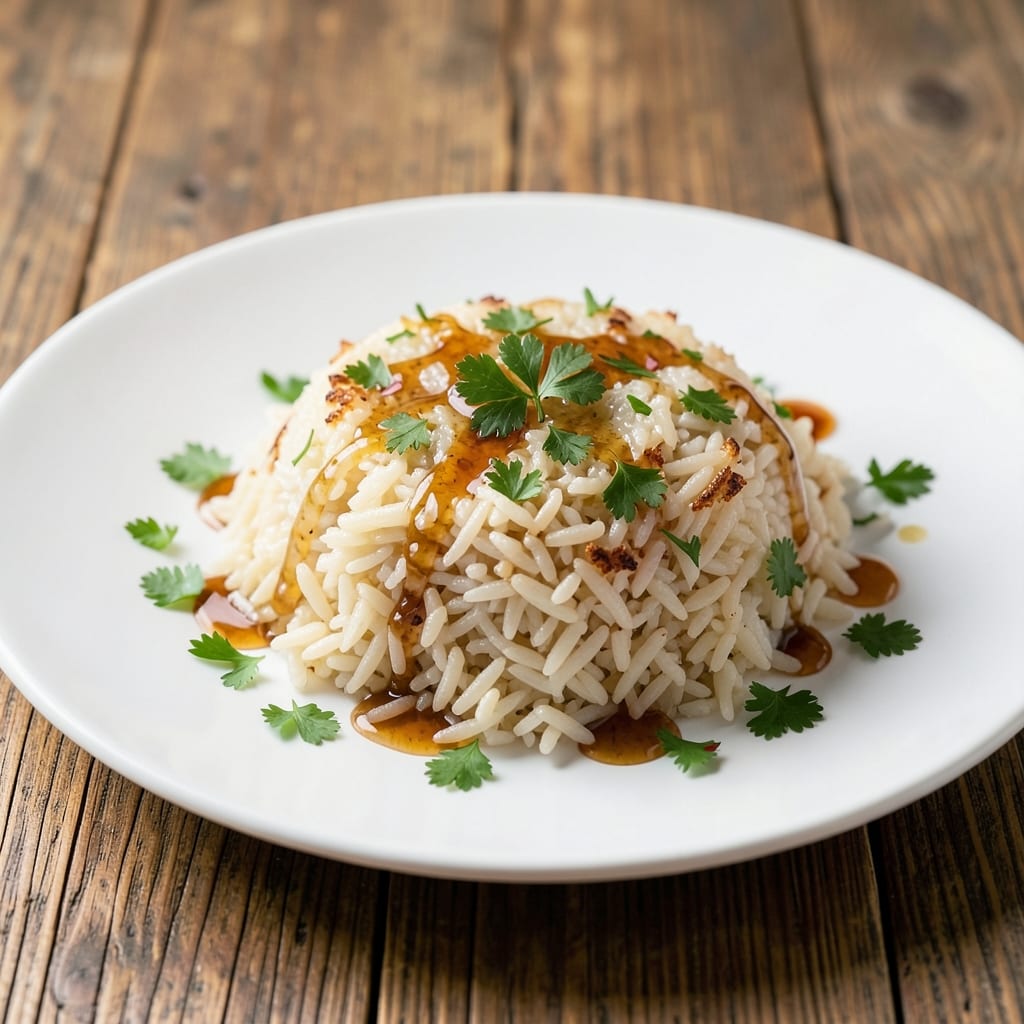
This apple cider vinegar rice recipe transforms ordinary white rice into something extraordinary—brightly tangy, fluffy grains with a subtle depth that elevates any meal. The secret lies in a simple yet game-changing technique that infuses the rice with apple cider vinegar during cooking, creating a delicate balance of sweetness and acidity that lingers on the palate. It’s a method I perfected after years of experimenting with rice variations, and the results are consistently foolproof.
The beauty of this recipe is its versatility—it works as a side for grilled meats, a base for stir-fries, or even as a standalone dish with a sprinkle of herbs and a drizzle of olive oil. The apple cider vinegar not only enhances flavor but also helps tenderize the grains, ensuring they stay light and separate. With just 20 minutes of active time, you’ll have restaurant-quality rice that’s far more interesting than the standard white variety.
What sets this recipe apart is the texture: each grain remains distinct yet tender, with a subtle tang that cuts through rich or heavy dishes. The vinegar also adds a subtle brightness that pairs beautifully with roasted vegetables, fried chicken, or even a simple salad. It’s the kind of side dish that turns a basic meal into something memorable, all while keeping the process effortless.
Ready to elevate your rice game? This method is simple enough for weeknights but impressive enough for special occasions. The key is patience—letting the vinegar infuse the rice while cooking ensures every bite is packed with flavor. Let’s get started on creating rice that’s anything but ordinary.
Ingredients for apple cider vinegar rice
Brightly tangy rice starts with these simple yet transformative ingredients—each playing its part.
| Ingredient | Amount | Notes |
|---|---|---|
| Long-Grain White Rice 🍚 | 1 ½ cups | Uncooked, rinsed thoroughly |
| Apple Cider Vinegar 🍏 | ½ cup | Raw, unfiltered preferred |
| Water 💧 | 2 ½ cups | Filtered or distilled preferred |
| Salt 🧂 | 1 ½ tsp | Diamond Crystal kosher salt |
| Extra-Virgin Olive Oil 🫒 | 1 tbsp | For finishing drizzle |
| Fresh Parsley 🌿 | ¼ cup | Chopped, for garnish |
| Garlic Cloves 🧄 | 2 cloves | Minced, optional for depth |
| Unsalted Butter 🧈 | 1 tbsp | For finishing richness |
| Black Pepper 🌶️ | ½ tsp | Freshly ground preferred |
| Honey 🍯 | 1 tsp | Optional, for subtle sweetness |
The apple cider vinegar is non-negotiable here—Bragg or local craft varieties work best for that authentic tang. Whole Foods or Trader Joe's stock quality options, but even the basic store brand delivers. Look for labels that say 'raw' or 'unfiltered'—these have more flavor complexity. The rice? Jasmine or basmati holds up beautifully to the acidity, but long-grain white is foolproof. Rinse it well before cooking to remove excess starch, which keeps the grains distinct. For the vinegar, you can use white vinegar in a pinch, but it lacks the depth—trust me on this one.
No apple cider vinegar? White wine vinegar at half the amount gets you close, though the flavor profile shifts slightly. Swapping rice? Brown rice works but needs 25% more liquid and 15 extra minutes. The honey is truly optional—skip it if you're avoiding sweetness, but it rounds out the tang beautifully. Fresh parsley is ideal, but dried works at one-third the amount. The garlic adds depth, but if you're short on time, garlic powder at half a teaspoon is a decent shortcut. For extra richness, swap the olive oil for toasted sesame oil—just use half the amount.
This rice reheats beautifully—just add a splash of water and cover for 5 minutes. Store leftovers in an airtight container for 4-5 days in the fridge, or freeze for up to 3 months. For meal prep, cook a double batch and portion into containers. The vinegar flavor actually intensifies slightly after refrigeration, making it perfect for lunches. To keep the rice fluffy, never stir it after cooking—just fluff with a fork. The butter and honey finishing touches can wait until serving, so you can adjust sweetness and richness to taste.
Why You'll Love This Recipe
- Tangy Twist in Minutes: I swear by this for lazy nights—the rice cooks in the same pot as the vinegar, so no extra steps. Just rinse the rice, add water and vinegar, and let it simmer. Honestly, it’s the kind of dish that makes you question why you ever boiled rice any other way.
- Secretly Flavorful: That splash of apple cider vinegar? It’s the MVP—bright, slightly sweet, with a depth that plain rice just can’t match. Drizzle in olive oil at the end, and suddenly, every bite has this unexpected richness that makes it feel fancy (without the effort).
- Lunchbox Hero: Between us, this rice is my go-to for meal prep. Cold or reheated, it stays light and doesn’t turn mushy. Pack it with grilled chicken or roasted veggies, and you’ve got a lunch that’s actually exciting—not sad desk food.
- Pantry Staple Power: Five ingredients, all of which you probably already have. No specialty items, no last-minute grocery runs. And because the vinegar keeps it fresh longer, leftovers? Still delicious days later. My wallet and my taste buds thank me every time.
Step-by-step instructions for apple cider vinegar rice
This tangy, fluffy rice comes together faster than traditional methods—no soaking required.
Rinse and Toast the Long-Grain White Rice
Place the 1.5 cups long-grain white rice in a fine-mesh strainer and rinse under cold water until the water runs clear. This removes excess starch that would make the rice gummy. Once rinsed, spread the rice in a single layer on a clean kitchen towel and let it air-dry for 2-3 minutes—this prevents clumping during cooking.
Heat a medium saucepan over medium-high heat and add the dry rice. Toast for 2-3 minutes, stirring constantly, until the grains become translucent at the edges and you can smell a nutty aroma. This step develops flavor and prevents mushiness. Transfer the toasted rice to a bowl and set aside.
Cook the Vinegar-Infused Rice
In the same saucepan, add 2.5 cups water and bring to a boil over high heat. Once boiling, reduce heat to medium-low and stir in the 0.5 cup apple cider vinegar and 1.5 tsp salt. The vinegar will create a bright tang that cuts through the richness of the finished rice.
Add the toasted rice to the simmering liquid and stir gently to combine. Bring back to a gentle boil, then immediately reduce heat to low. Cover tightly with a lid and cook for 15 minutes without disturbing. The rice should absorb all the liquid and steam evenly—this is where the vinegar works its magic, keeping the grains distinct and fluffy.
Finish with Aromatics and Butter
After 15 minutes, turn off the heat and let the rice sit covered for 5 minutes. This resting period allows the steam to redistribute, ensuring perfectly fluffy grains. Remove the lid and stir in the 1 tbsp unsalted butter and 0.5 tsp black pepper. The butter adds richness while the pepper enhances the vinegar's brightness.
For extra depth, add the 2 minced garlic cloves and 1 tsp honey (if using) and stir gently. The honey subtly balances the acidity, while the garlic adds a savory note. If the rice appears dry, add 1-2 tablespoons water and fold in lightly—this restores moisture without making the grains soggy.
Garnish and Serve Immediately
Transfer the rice to a serving dish and drizzle with 1 tbsp extra-virgin olive oil. The oil adds a silky finish and helps distribute the flavors evenly. Sprinkle the 0.25 cup chopped fresh parsley over the top for a pop of color and freshness.
Serve immediately while still warm. The vinegar rice pairs beautifully with grilled meats, roasted vegetables, or as a standalone side. The bright tang and fluffy texture make it a standout—far more interesting than plain white rice.
Pro Tips For Making Apple Cider Vinegar Rice
- Bloom the Vinegar First: Pour the apple cider vinegar into your pot before adding water and rice—let it sit for 2-3 minutes. This gives the acid time to mellow out that sharp tang (yes, even unfiltered vinegar) so your rice doesn’t taste like a salad dressing accident. I used to skip this and always wondered why my rice had that weird bite. ---
- Oil the Pot Hot: Heat the olive oil in your pot until it shimmers—then add the rice. Cold oil won’t coat the grains properly, and you’ll end up with dry, unevenly seasoned rice. A quick flick test (toss a grain—if it sizzles, you’re good) saves you from gummy texture later. ---
- Don’t Stir After Boiling: Once the water hits a rolling boil, walk away. Stirring breaks the rice grains and turns them mushy—this isn’t risotto. Let it cook undisturbed for 5 minutes after the initial boil, then reduce to a simmer. Your rice will stay fluffy, not gluey. ---
- Rinse Rice Twice: Give that white rice a good rinse—two cold-water washes, swirling vigorously each time. The starch clinging to the grains is what makes vinegar rice gummy when mixed with acid. I learned this after a batch turned into a sad, sticky puddle. Drain well before cooking.
Best sauces and condiments for apple cider vinegar rice
Tangy Garlic Sauce
For an extra layer of flavor, blend ¼ cup apple cider vinegar, 2 tbsp extra-virgin olive oil, 1 tbsp minced garlic, ½ tsp black pepper, and 1 tsp honey into a silky sauce. Drizzle over the cooked rice just before serving—this creates a glossy finish that highlights the vinegar’s brightness. I like to add a pinch of smoked paprika for depth. 🌶️
Creamy Lemon-Herb Dressing
Mix ¼ cup sour cream, 2 tbsp fresh lemon juice, 1 tbsp chopped dill, ½ tsp salt, and 1 tbsp chopped chives for a cooling contrast. Fold this into the warm rice or serve it on the side for dipping. The lemon’s acidity mirrors the vinegar while adding a fresh, herbaceous note. Perfect for summer meals!
Spicy Chili-Lime Vinaigrette
Combine 2 tbsp apple cider vinegar, 2 tbsp lime juice, 1 tbsp olive oil, ½ tsp chili powder, and 1 tsp honey for a zesty kick. Toss this with the rice after cooking to add heat and citrus. I love adding ½ tsp cumin for an earthy twist. This works especially well with grilled chicken or fish. 🌶️
Sesame-Ginger Glaze
For an Asian-inspired twist, simmer 2 tbsp apple cider vinegar, 1 tbsp soy sauce, 1 tbsp honey, 1 tsp grated ginger, and 1 tsp toasted sesame oil until thickened. Drizzle over the rice and top with 1 tbsp toasted sesame seeds. The ginger and sesame complement the vinegar’s tang beautifully. 🌟
Herbed Yogurt Dip
Whisk ½ cup Greek yogurt, 1 tbsp apple cider vinegar, 1 tbsp chopped mint, ½ tsp salt, and 1 tsp lemon zest for a creamy, tangy dip. Serve alongside the rice for scooping or drizzle lightly over the top. This adds a refreshing contrast to the warm, buttery grains. 🥄
Nutrition facts
Frequently asked questions
Why does apple cider vinegar make rice taste better?
The vinegar's acidity brightens the rice's flavor while tenderizing the grains, preventing mushiness. It also helps break down starches, resulting in fluffier texture. The tang cuts through rich dishes, like grilled meats, making every bite more vibrant.
Can I use white vinegar instead of apple cider vinegar?
Yes, but the flavor will be sharper and less complex. Use half the amount (¼ cup) for a milder tang. Apple cider vinegar adds subtle sweetness and depth—worth the extra effort for the best results.
How do I fix rice that's too dry or crunchy?
If the rice is dry, sprinkle 1-2 tablespoons water over it, cover, and let steam for 2-3 minutes. For crunchiness, stir in 1 teaspoon butter or olive oil to restore moisture. Never add liquid directly to the pot after cooking—it can make the rice gummy.
What's the best way to store leftover apple cider vinegar rice?
Store in an airtight container in the fridge for 4-5 days. The vinegar flavor actually intensifies slightly when refrigerated, making it perfect for lunches. For longer storage, freeze for up to 3 months—just reheat with a splash of water.
Can I make this recipe with brown rice?
Yes, but adjust the liquid and time: use 2 cups water and cook for 25-30 minutes (or until tender). Brown rice absorbs more liquid and takes longer, but the vinegar still enhances flavor. For best texture, rinse thoroughly before cooking.