
Main Courses
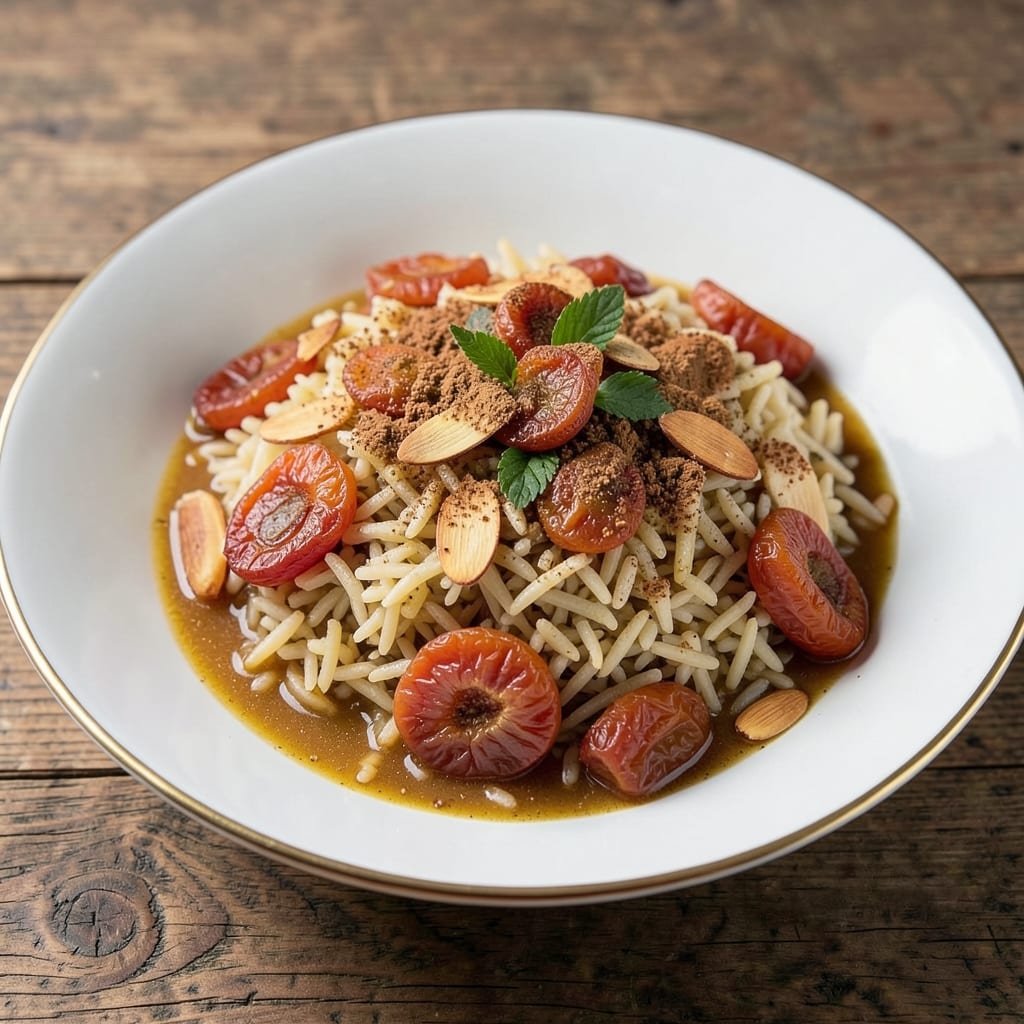
This apricot rice recipe transforms simple basmati into a fragrant, jewel-toned pilaf where tender rice cradles bursts of caramelized apricot. The secret lies in toasting the rice first—this unlocks nutty depth that balances the fruit's natural sweetness, while a touch of cinnamon and cardamom ties everything together. I developed this dish after years of experimenting with Middle Eastern-inspired rice bowls, and it's become my go-to for both weeknight dinners and special occasions.
The technique is straightforward but precise: toast the rice until golden, then simmer it in aromatic broth until perfectly tender. Dried apricots caramelize beautifully in the final stages, releasing their juices to moisten the rice without making it soggy. A squeeze of lemon at the end brightens the dish, cutting through the richness while enhancing the apricot's tartness. What you'll end up with is a visually stunning pilaf—golden rice speckled with ruby-red fruit—that tastes even better the next day.
This recipe works equally well as a main dish or side, pairing beautifully with grilled chicken, lamb, or even as a vegetarian centerpiece. The flavors are complex enough to stand alone but versatile enough to complement richer proteins. For extra texture, I often finish with toasted almonds or a sprinkle of fresh parsley, adding both crunch and freshness. The dish is naturally sweet but not cloying, making it approachable for those who prefer savory flavors with just a hint of sweetness.
One of the best things about this apricot rice is how well it reheats—unlike many pilafs that dry out, this version stays moist and flavorful. It also freezes beautifully, making it perfect for meal prep. Whether you're serving it at a holiday gathering or simply treating yourself to a special dinner, this recipe delivers restaurant-quality results with minimal effort. Let's get cooking—your taste buds will thank you.
Ingredients for apricot rice
Simple ingredients that transform into a fragrant, jewel-toned apricot rice pilaf with perfect sweet-tart balance.
| Ingredient | Amount | Notes |
|---|---|---|
| Basmati Rice 🍚 | 1 cup | Uncooked, long-grain preferred |
| Dried Apricots 🍑 | ½ cup | Chopped, unsulfured preferred |
| Vegetable Broth 💧 | 2 cups | Low-sodium preferred |
| Extra-Virgin Olive Oil 🫒 | 2 tbsp | For toasting rice |
| Ground Cinnamon 🌿 | ½ tsp | Freshly ground for warmth |
| Ground Cardamom 🌿 | ¼ tsp | Lightly toasted seeds preferred |
| Salt 🧂 | ½ tsp | Diamond Crystal kosher preferred |
| Fresh Lemon Juice 🍋 | 1 tbsp | Freshly squeezed |
| Sliced Almonds 🥜 | ¼ cup | Toasted for garnish |
| Fresh Parsley 🌿 | ¼ cup | Chopped, for garnish |
| Honey 🍯 | 1 tbsp | For caramelizing apricots |
| Unsalted Butter 🧈 | 1 tbsp | For richness |
The rice is the foundation, so grab basmati—it stays fluffy and holds its shape. Whole Foods or Middle Eastern markets often carry the best quality, but any reputable grocery store will have it. For the apricots, unsulfured is the way to go if you can find it—they're plumper and taste fresher. If you're using dried apricots from a jar, give them a quick rinse to remove any excess sugar. The cinnamon and cardamom are non-negotiable for that authentic Middle Eastern warmth, but if you can't find cardamom, allspice at half the amount works in a pinch. Trust me on the toasted almonds—they add a delightful crunch that makes this dish feel extra special.
No fresh parsley? Dried parsley at one-third the amount will do, though it won't be as vibrant. Running low on honey? Maple syrup is a perfect swap—just use the same amount. The vegetable broth can be homemade or store-bought, but if you're using bouillon cubes, low-sodium is key so you don't over-salt the dish. For extra richness, you can add a splash of orange blossom water (find it in Middle Eastern markets), but it's not required. The butter is worth the upgrade—European-style butter melts beautifully and adds a deeper flavor. If you're making this ahead, the lemon juice can be added right before serving to keep the dish bright.
This pilaf reheats beautifully—just add a splash of water and cover it while warming. Keeps for 4-5 days in the fridge, though it tastes even better the next day as the flavors meld. For freezing, portion into airtight containers and it'll stay fresh for up to 3 months. I always make a double batch because it's perfect for meal prep—just reheat and serve. The toasted almonds and parsley can be added fresh after reheating, so they stay crisp. If you're serving this at a gathering, garnish everything right before bringing it to the table for maximum freshness.
Why You'll Love This Recipe
- One-Pot Wonder: I swear by this recipe when I’m too tired to wash pots—just toss the rice, apricots, and broth in one pot, let it simmer, and boom. The cinnamon and olive oil do all the flavor work while I’m scrolling through my phone.
- Sweet-Savory Magic: That caramelized dried apricot? It bursts with jammy sweetness while the cinnamon adds this warm, cozy depth. The olive oil keeps it rich but never greasy—like a hug in a bowl.
- Meal Prep MVP: Between us, this is my go-to for lunches all week. The rice stays fluffy, the apricots keep their chew, and I just reheat with a splash of water. Honestly, it’s the only side dish I don’t dread eating cold.
- Budget Bright Spot: Dried apricots and basmati rice stretch my grocery budget without sacrificing flavor. A single batch feeds four, and leftovers taste just as good the next day—no sad, dry rice here.
Step-by-step instructions for sweet-tart apricot rice pilaf
Here's how to create a fragrant, juicy rice dish where tender apricots and warm spices blend perfectly.
Toast the Rice and Spices for Deep Flavor
Heat the 2 tablespoons extra-virgin olive oil in a medium saucepan over medium heat. Add the 1 cup basmati rice and stir constantly for 2-3 minutes until the rice grains become translucent at the edges and slightly golden. This toasting step builds flavor and prevents the rice from becoming mushy.
Next, add the 0.5 teaspoon ground cinnamon, 0.25 teaspoon ground cardamom, and 0.5 teaspoon salt. Stir for another 30 seconds until the spices are fragrant and the oil smells warmly aromatic. The cardamom will release its citrusy notes, while the cinnamon adds subtle warmth—this is where the magic begins. Watch carefully to avoid burning the spices, which can make the dish taste bitter.
Caramelize the Apricots for Sweet-Tart Balance
Increase the heat to medium-high and add the 0.5 cup chopped dried apricots and 1 tablespoon honey. Stir for 1-2 minutes until the apricots soften slightly and the mixture becomes glossy. You're looking for a gentle caramelization that enhances the fruit's natural sweetness without burning it.
Pour in the 2 cups vegetable broth all at once and bring to a gentle boil. Once boiling, reduce heat to low, cover the pan with a tight-fitting lid, and simmer for 15 minutes. Don't peek or stir during this time—it's crucial for even cooking. The rice should absorb the liquid gradually, and the apricots will plump up beautifully, releasing their juices into the dish.
Finish with Butter and Lemon for Juicy Perfection
After 15 minutes, remove the pan from heat and let it sit covered for 5 minutes. This resting period allows the rice to finish steaming and the flavors to meld. Stir in the 1 tablespoon unsalted butter and 1 tablespoon fresh lemon juice, mixing gently to distribute the richness and brightness throughout.
The butter adds a velvety texture, while the lemon juice cuts through the sweetness, creating that perfect sweet-tart balance. If the rice feels dry, add 1-2 tablespoons water and stir gently. The dish should be moist but not saucy—think of it as a fragrant, juicy pilaf where each grain is tender and flavorful.
Garnish and Serve Warm
Transfer the apricot rice to a serving dish and sprinkle with the 0.25 cup toasted sliced almonds and 0.25 cup chopped fresh parsley. The almonds add a delightful crunch, while the parsley brightens the dish with freshness. Serve immediately while still warm, as the flavors continue to develop and the textures contrast beautifully.
This dish pairs wonderfully with grilled chicken, roasted vegetables, or even on its own as a light yet satisfying meal. The juicy apricots and fragrant spices make every bite feel special, and the lemon finish keeps it from being too heavy. Enjoy the perfect balance of sweet, tart, and savory in every mouthful!
Pro Tips For Making Apricot Rice
- SOAK THE APRICOTS FIRST: Dried apricots are tough little devils when raw—toss them in warm broth for 10 minutes before adding to the rice. This softens them just enough to melt into the dish instead of sitting like chewy raisins. (Yes, even if you’re impatient like me.)
- TOAST THE CINNAMON: Skip the ground cinnamon straight from the jar—lightly toast whole cinnamon sticks in the olive oil for 30 seconds until aromatic. Grind them fresh right into the pot; it adds depth the pre-ground stuff can’t match. (Your nose will thank you.)
- USE LESS BROTH AT FIRST: Start with half the broth called for, let the rice absorb it completely, then add the rest. This keeps the grains separate and prevents a mushy, gluey mess—especially with basmati, which can turn into porridge if overloaded. (I learned this the hard way.)
- SIMMER COVERED, THEN UNCOVER: Keep the lid on for the first 12 minutes, then crack it open for the last 5. This lets the apricots caramelize slightly at the edges while the rice finishes cooking. The contrast in texture makes the dish way more interesting. (Does it look weird? Yes. Does it work? Every single time.)
Essential equipment for apricot rice
Medium Saucepan
You'll need a medium (3-quart) saucepan with a tight-fitting lid—this size gives you enough room to toast the rice and caramelize the apricots without overcrowding. I recommend a stainless steel pan like All-Clad or Calphalon because they distribute heat evenly and prevent hot spots that can burn your spices. If you're on a budget, a heavy-bottomed enamel pan works too—just avoid non-stick if you want that authentic caramelized flavor. 🔥
Wooden Spoon
A wooden spoon is essential for stirring the rice and apricots without scratching your pan. I prefer a silicon-coated wooden spoon because it's gentle on both the pan and your hands. Avoid metal utensils—they can react with the spices and alter the flavor. The spoon should be at least 10 inches long to reach all corners of your saucepan. Pro tip: Soak it in warm, soapy water for 10 minutes before use to prevent it from absorbing flavors from previous meals.
Fine-Mesh Strainer
If you're using unsulfured dried apricots that need rinsing, a fine-mesh strainer (like the OXO Good Grips) is perfect for removing excess sugar or preservatives. This step is especially important if your apricots taste overly sweet or have a syrupy coating. Place the strainer in the sink and rinse the apricots under cool water for 10 seconds—just enough to remove surface sugars without soaking them. Pat them dry with a paper towel before chopping to prevent excess moisture in your pilaf.
Kitchen Timer
Timing is everything with this recipe—15 minutes of simmering is critical for perfectly cooked rice. I use a digital kitchen timer (like the TimerTyme) because it's loud and unmistakable. Set it for 15 minutes from the moment the broth comes to a boil, and don’t peek during that time! The steam needs to build evenly. If you don’t have a timer, your phone’s alarm works, but place it far enough away that the sound doesn’t distract you while cooking. 💡
Toasting Pan
For the toasted sliced almonds, a small skillet or even your saucepan works, but I love using a dedicated toasting pan (like the Norpro Nut & Seed Dryer). Heat it over medium-low heat and add the almonds, stirring constantly for 3-4 minutes until they turn a light golden brown and smell nutty. Keep a close eye—they burn quickly! If you don’t have a toasting pan, a light-colored metal bowl placed over a pot of simmering water (bain-marie) works too. Just be patient and stir often.
Measuring Spoons
Precision matters with spices—ground cinnamon and cardamom are potent, so use measuring spoons (like the OXO Good Grips set) for accuracy. A ½ teaspoon of cinnamon and ¼ teaspoon of cardamom might seem small, but too much can make the dish taste bitter. For the honey and lemon juice, a 1-tablespoon measure ensures the perfect sweet-tart balance. Pro tip: Store your spices in airtight containers (like Mason jars) to preserve their freshness and flavor. 🌿
Nutrition facts
Frequently asked questions
Can I use fresh apricots instead of dried?
Fresh apricots work beautifully but require adjustment! Use 1 cup pitted and chopped fresh apricots instead of dried, and reduce the honey to ½ tablespoon since fresh fruit is less concentrated. Add them during the final 5 minutes of simmering to prevent mushiness. For extra flavor, lightly grill or sauté the fresh apricots first to concentrate their juices.
How do I make this recipe vegetarian?
This dish is already vegetarian-friendly! The base uses vegetable broth, and the ingredients are plant-based. For extra protein, serve with chickpeas, lentils, or roasted tofu. The sweet-tart balance works perfectly with hearty plant-based proteins, making it a complete vegetarian meal.
Why does my apricot rice turn out dry?
Dry rice usually means the liquid evaporated too quickly. Use a tight-fitting lid and reduce heat to low during simmering. If it's still dry after cooking, stir in 1-2 tablespoons warm broth or water and let it sit covered for 5 minutes. For future batches, try 1½ cups broth instead of 2 cups to account for apricot juices.
Can I make this ahead of time?
This pilaf tastes even better the next day. Store in an airtight container in the fridge for 4-5 days or freeze for 3 months. Reheat gently with a splash of water or broth—never microwave dry. Add fresh parsley and toasted almonds just before serving to keep them crisp.
What's the best rice for this recipe?
Basmati rice is ideal because it stays fluffy and separates beautifully, but jasmine or long-grain white rice work too. Avoid short-grain or sticky rice varieties—they'll make the pilaf too dense. For extra aroma, rinse the rice before toasting to remove excess starch.