
Main Courses
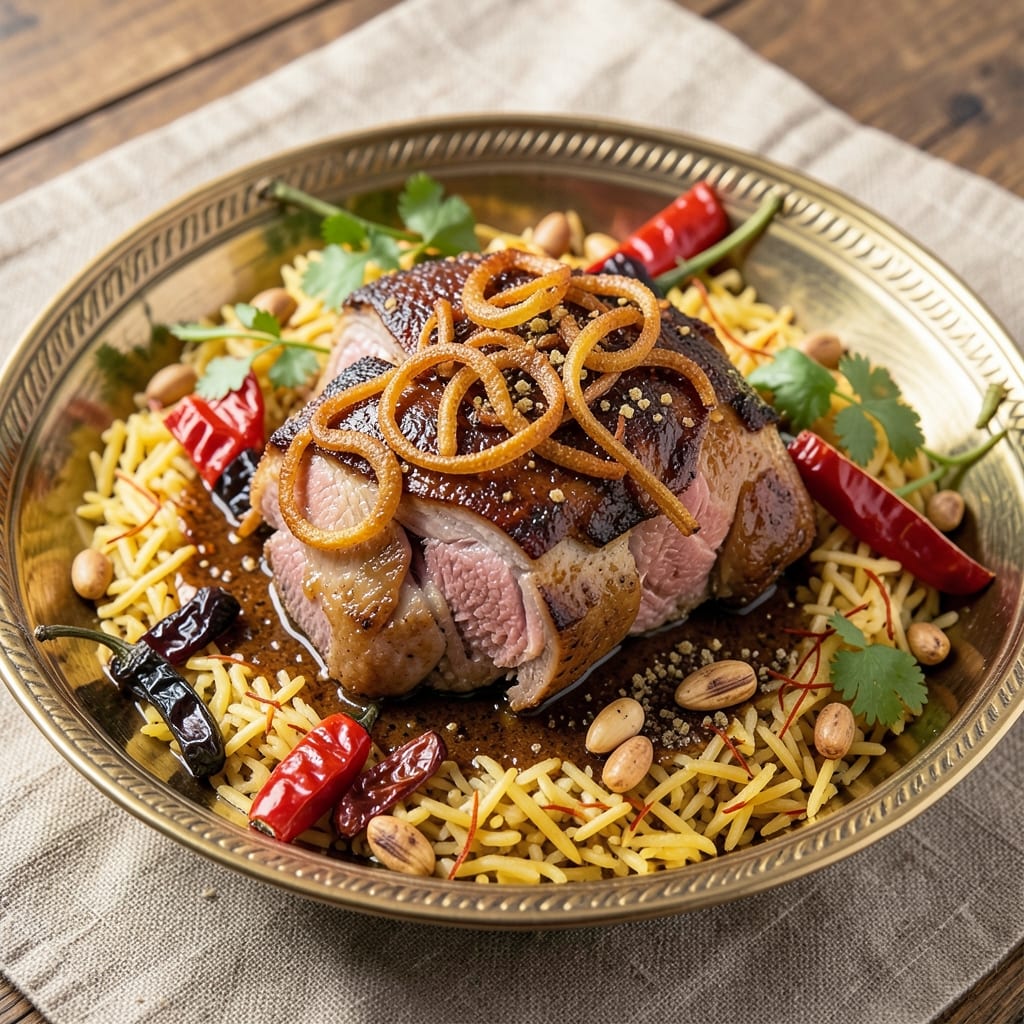
This Arabian kabsa rice recipe transforms a simple meal into a fragrant, slow-cooked masterpiece that transports you to the heart of the Arabian Peninsula. 🌟 The secret lies in the layered spices—baharat, cumin, and cardamom—that infuse tender lamb with deep, aromatic warmth while the saffron-infused rice absorbs every flavorful note. What makes this dish truly special is the slow-cooking technique, which ensures the meat becomes melt-in-your-mouth tender while the rice develops a delicate, fragrant texture.
The foundation of kabsa begins with a rich spice blend that forms the soul of the dish. Each spice plays a crucial role: cumin adds earthiness, cardamom brings floral sweetness, and baharat delivers a complex, warming depth. The lamb is marinated in these spices before slow-cooking, allowing the flavors to penetrate deeply. Meanwhile, the rice simmers in saffron-infused broth, absorbing the vibrant color and subtle aroma that defines authentic kabsa.
By the time you serve this dish, you’ll have a plate that’s as visually stunning as it is delicious—golden, fragrant rice piled high with tender lamb, garnished with toasted nuts and fresh herbs. The slow-cooked lamb falls apart effortlessly, releasing juices that mingle with the fragrant rice, creating a harmonious blend of textures and flavors. This is the kind of meal that feels like a celebration, even on a weeknight.
Perfect for gatherings or a special family dinner, kabsa is a dish that impresses without requiring advanced techniques. The key is patience—letting the spices and flavors meld over time. Once you master this recipe, you’ll find yourself reaching for the kabsa spices again and again. Let’s get started on creating this aromatic centerpiece for your table.
Ingredients for arabian kabsa rice
Sixteen ingredients that bring the Arabian Peninsula to your kitchen—fragrant, tender, and packed with layered flavors.
| Ingredient | Amount | Notes |
|---|---|---|
| Bone-In Lamb Shoulder 🍖 | 3 lb | Cut into 2-inch chunks |
| Long-Grain Basmati Rice 🍚 | 2 cups | Uncooked, rinsed well |
| Saffron Threads 🌼 | ¼ tsp | High-quality, soaked in 2 tbsp warm water |
| Ground Cumin 🌿 | 2 tbsp | Toasted for deeper flavor |
| Baharat Spice Blend 🌶️ | 2 tbsp | Authentic Middle Eastern blend |
| Ground Cardamom 🌿 | 1 tbsp | Freshly ground preferred |
| Fresh Ginger 🌿 | ½ cup | Finely grated, peel removed |
| Yellow Onion 🧅 | 1 whole | Large, finely chopped |
| Garlic Cloves 🧄 | 6 cloves | Minced, skin removed |
| Tomato Paste 🍅 | ½ cup | Smooth, no sugar added |
| Chicken or Vegetable Broth 💧 | 4 cups | Low-sodium preferred |
| Fresh Cilantro 🌿 | ¼ cup | Chopped, for garnish |
| Toasted Almonds 🥜 | ¼ cup | Sliced, for garnish |
| Extra-Virgin Olive Oil 🫒 | ½ cup | For cooking and drizzling |
| Salt 🧂 | 1 ½ tsp | Diamond Crystal kosher salt |
The lamb shoulder is non-negotiable for authentic kabsa—its bone-in richness and connective tissue create melt-in-your-mouth tenderness during slow cooking. Look for well-marbled cuts from your butcher or Costco's bulk lamb section. If you can't find bone-in, substitute with lamb chops or leg of lamb, but increase cooking time by 30 minutes. The basmati rice? Jasmine works too, but basmati's distinct aroma is traditional. Soak your saffron threads in warm water for 10 minutes before adding to the rice—this releases their vibrant color and subtle floral notes. For the spices, Penzeys or Middle Eastern markets carry authentic baharat blends, but a mix of cinnamon, allspice, and black pepper works in a pinch.
No baharat blend? Mix 1 tsp each of cinnamon, allspice, black pepper, and cloves—it's not identical, but close. Fresh ginger loses potency quickly, so grate it just before using. The tomato paste can be the squeeze-tube kind from Trader Joe's if you're short on time—just measure carefully. For the broth, homemade chicken stock elevates the dish, but low-sodium store-bought works fine. The almonds should be toasted until golden—5 minutes in a dry pan over medium heat—to bring out their nutty aroma. Garnish with cilantro if you love its brightness, but skip it if you prefer a more traditional presentation.
This dish tastes even better the next day as flavors meld. Store leftovers in an airtight container in the fridge for up to 5 days, or freeze portions for 3 months. The rice reheats beautifully—just add a splash of broth and cover tightly. For a shortcut, par-cook the rice before adding to the lamb mixture, cutting total cooking time by 20 minutes. Double the recipe for gatherings—it's always a crowd-pleaser.
Why You'll Love This Recipe
- One-Pot Magic: I swear by this—just brown the lamb, dump in the rice, spices, and broth, then let it simmer. No chopping, no fuss, and one pot to wash. The bone-in lamb practically melts into the rice, so you’re left with tender meat and fragrant grains without extra cleanup.
- Golden Saffron Luxe: That first pinch of saffron threads? It turns the rice a stunning golden hue and adds a floral, honeyed depth you won’t find in basic rice dishes. Honestly, it’s the kind of flavor that makes you feel like you’re serving something special—even if it’s just a weeknight dinner.
- Crowd-Pleaser Every Time: Between us, this is the dish that gets my in-laws asking for seconds. The baharat blend (a mix of cumin, coriander, and more) gives it that warm, slightly smoky kick, while the lamb’s richness balances the rice’s lightness. It’s equally at home for a Sunday feast or a lazy Friday night.
- Budget-Friendly Feast: A bone-in lamb shoulder is cheaper than pre-cut cuts, and the spices stretch across multiple meals. I’ve made this stretch for four days of lunches—reheats beautifully, and the flavors only get better as the spices meld. Plus, basmati rice is a pantry staple that won’t break the bank.
Step-by-step instructions for Arabian kabsa rice
Here's how to craft this aromatic Middle Eastern masterpiece with tender lamb and fragrant saffron rice.
🔥 Step 1: Sear and Spice the Lamb Shoulder
Heat 0.25 cup of the extra-virgin olive oil in a heavy Dutch oven over medium-high heat. Add the 3 lb bone-in lamb shoulder cut into 2-inch chunks, working in batches if needed to avoid crowding. Sear until deeply browned on all sides, about 8-10 minutes total, which creates that essential Maillard reaction for deep flavor.
Remove the lamb and set aside. In the same pot, add 0.5 cup fresh ginger and 1 whole yellow onion (finely chopped), cooking for 3-4 minutes until softened. Add 6 cloves garlic cloves (minced) and cook for 30 seconds until fragrant. Here's the thing—don't rush this step. The aromatics should meld completely before moving forward.
🍳 Step 2: Build the Spiced Tomato Base
Lower heat to medium and stir in 0.5 cup tomato paste, 2 tbsp ground cumin, 2 tbsp baharat spice blend, 1 tbsp ground cardamom, and 1.5 tsp salt. Cook for 2 minutes until the spices are toasted and fragrant. Add 4 cups chicken or vegetable broth and bring to a gentle simmer, scraping up any browned bits from the bottom.
Return the lamb to the pot, along with any accumulated juices. The broth should come about halfway up the lamb pieces. Here's where the magic happens: cover and simmer gently for 1.5 hours until the lamb is fork-tender. You'll know it's ready when the meat pulls apart easily and the bone separates with minimal resistance.
👨🍳 Step 3: Infuse the Saffron Rice
While the lamb cooks, prepare the saffron rice. Soak the 0.25 tsp saffron threads in 2 tbsp warm water for 10 minutes to release their vibrant color and aroma. In a separate bowl, combine the 2 cups long-grain basmati rice with the saffron infusion, gently stirring to coat each grain.
When the lamb is nearly tender, drain most of the cooking liquid (about 3 cups) into a measuring cup, leaving just enough to cover the lamb in the pot. In a clean pot, heat 0.25 cup of the reserved lamb broth with 0.25 cup extra-virgin olive oil over medium-high heat. Add the saffron rice and stir gently for 2 minutes until the grains are translucent at the edges.
🥘 Step 4: Layer and Braise the Kabsa
Carefully transfer the lamb and any remaining cooking liquid to a serving platter. In the same pot, add the saffron rice and spread it evenly. Pour the remaining 1 cup reserved lamb broth over the rice. Cover tightly with a lid or foil, reducing heat to low, and simmer for 15 minutes until the rice is tender and the liquid is absorbed.
Here's the crucial part: don't peek! Every time you lift the lid, you release steam and potentially dry out the rice. After 15 minutes, turn off the heat and let the kabsa sit covered for 5 minutes. The residual heat will finish cooking the rice perfectly while keeping it moist and fragrant.
🍽️ Step 5: Garnish and Serve with Confidence
Fluff the rice gently with a fork, then arrange the lamb shoulder pieces on top. Drizzle with any remaining cooking juices from the platter. Garnish with 0.25 cup chopped fresh cilantro and 0.25 cup toasted almonds, scattering them evenly over the top for texture and presentation.
Serve immediately with warm flatbread or crusty pita. The aroma alone will transport you to a bustling Middle Eastern marketplace. Each bite should deliver tender, spice-rubbed lamb with fragrant saffron rice that clings together perfectly—this is the essence of authentic Arabian kabsa.
Pro Tips For Making Arabian Kabsa Rice
- CRANK THE HEAT FIRST: I learned this the hard way—starting lamb shoulder on medium heat means hours of waiting for that deep, caramelized crust. Get your pan screaming hot, then sear the meat cut-side down for 8-10 minutes until it’s dark golden. This isn’t just about looks; it locks in flavor and makes the slow cook ahead of time worth it.
- TOAST THE BAHARAT: Skip the raw baharat straight into the pot—it’ll just muddle the flavor. Dry-toast the spice blend in the same pot where you seared the lamb for 30 seconds until it smells like a spice market. The aroma alone changes the game, and it prevents that bitter aftertaste that sneaks in when you mix it wet.
- DON’T RINSE THE RICE: I used to rinse basmati like pasta, thinking it’d remove starch. Wrong. Arabian kabsa needs that starch to cling to the lamb and absorb the saffron-infused broth. Just fluff it dry in the pot after cooking—no water, no scrubbing. The grains will separate naturally, and the dish stays rich.
- SAFFRON HACK: INFUSE THE BROTH: Tossing saffron threads into boiling water? You’re wasting half the flavor. Instead, crush the threads with a pinch of salt in a mortar (or zip-top bag with a rolling pin), then steep them in ¼ cup warm broth for 10 minutes. Strain and add to the pot—this extracts every drop of golden magic without bitterness.
Serving suggestions for this arabian kabsa rice
Flatbread Pairings
Serve your kabsa with warm, freshly baked markook or khobz flatbreads—their soft, pillowy texture contrasts beautifully with the tender lamb and fragrant rice. I love using Store-bought naan from the Middle Eastern aisle for convenience, but for authenticity, try making your own with 2 cups all-purpose flour, 1 tsp yeast, and 2 tbsp yogurt. Brush with melted butter and toast in a skillet until golden. 🥖
Fresh Salad Balance
A crisp cucumber-tomato salad with lemon and mint cuts through the richness of kabsa. Toss 2 cups diced cucumbers, 1 cup cherry tomatoes, ¼ cup chopped mint, 2 tbsp olive oil, and 1 tbsp lemon juice. Add a pinch of salt and black pepper for balance. The cool, refreshing flavors complement the warm spices perfectly.
Yogurt Sauce Dip
Prepare a simple tahini-yogurt sauce by mixing ½ cup plain yogurt, 1 tbsp tahini, 1 tsp lemon juice, and a pinch of salt. Drizzle lightly over kabsa or serve on the side for dipping. This creamy sauce adds a cooling contrast to the spiced lamb and rice, making each bite more enjoyable. 🥄
Pickled Vegetable Accents
Add tangy contrast with quick-pickled red onions or turnips. Thinly slice 1 red onion and soak in ¼ cup vinegar, 1 tbsp sugar, and ½ tsp salt for 30 minutes. The bright acidity brightens the dish, especially when sprinkled over the top. For extra crunch, try pickled jalapeños for heat lovers.
Garnish Upgrade
Elevate your kabsa with extra garnishes like toasted pomegranate seeds or crispy fried onions. The seeds add a sweet-tart crunch, while fried onions bring a caramelized depth. For a touch of luxury, drizzle with a few drops of rose water**—just ½ tsp enhances the floral notes without overpowering. The presentation becomes as stunning as the flavors. ✨
Nutrition facts
Frequently asked questions
Can I substitute chicken for lamb in Arabian kabsa?
Chicken works beautifully, especially boneless thighs or drumsticks. Use 2.5 lbs of chicken instead of lamb, and reduce the cooking time to 45-50 minutes for thighs or 30 minutes for drumsticks. The spices will still infuse perfectly, though lamb's richness gives kabsa its signature depth.
What's the secret to perfect saffron rice in kabsa?
Soak the saffron threads in 2 tbsp warm water for 10 minutes before adding to the rice—this releases maximum color and aroma. Use long-grain basmati rice (not jasmine) and cook it separately in lamb broth for 15 minutes after the meat is tender. Never rinse the rice after soaking—it washes away the saffron infusion!
How do I make kabsa less spicy?
Adjust the baharat blend—reduce it to 1 tbsp instead of 2 tbsp and skip the cardamom if you prefer mild heat. For extra cooling, serve with yogurt sauce (½ cup yogurt + 1 tbsp tahini) or pickled vegetables. The saffron and cumin will still give authentic flavor without overwhelming spice.
Can I make kabsa in an Instant Pot?
Yes! Brown the lamb first, then add all spices and broth. Cook on high pressure for 25 minutes (chicken: 15 minutes), then quick-release. For rice, add 2 cups basmati with saffron and 1 cup broth, cook on high pressure for 4 minutes, then let sit 10 minutes. The Instant Pot speeds up cooking but keeps flavors intact!
Why did my kabsa turn out dry?
Most likely, you lifted the lid too early or didn't reserve enough cooking liquid. Always keep the rice covered until fully cooked, and use 3 cups broth total (1 cup for initial cooking, 2 cups for braising). For extra moisture, add 2 tbsp olive oil** to the rice before cooking—it helps steam the grains.