
Main Courses
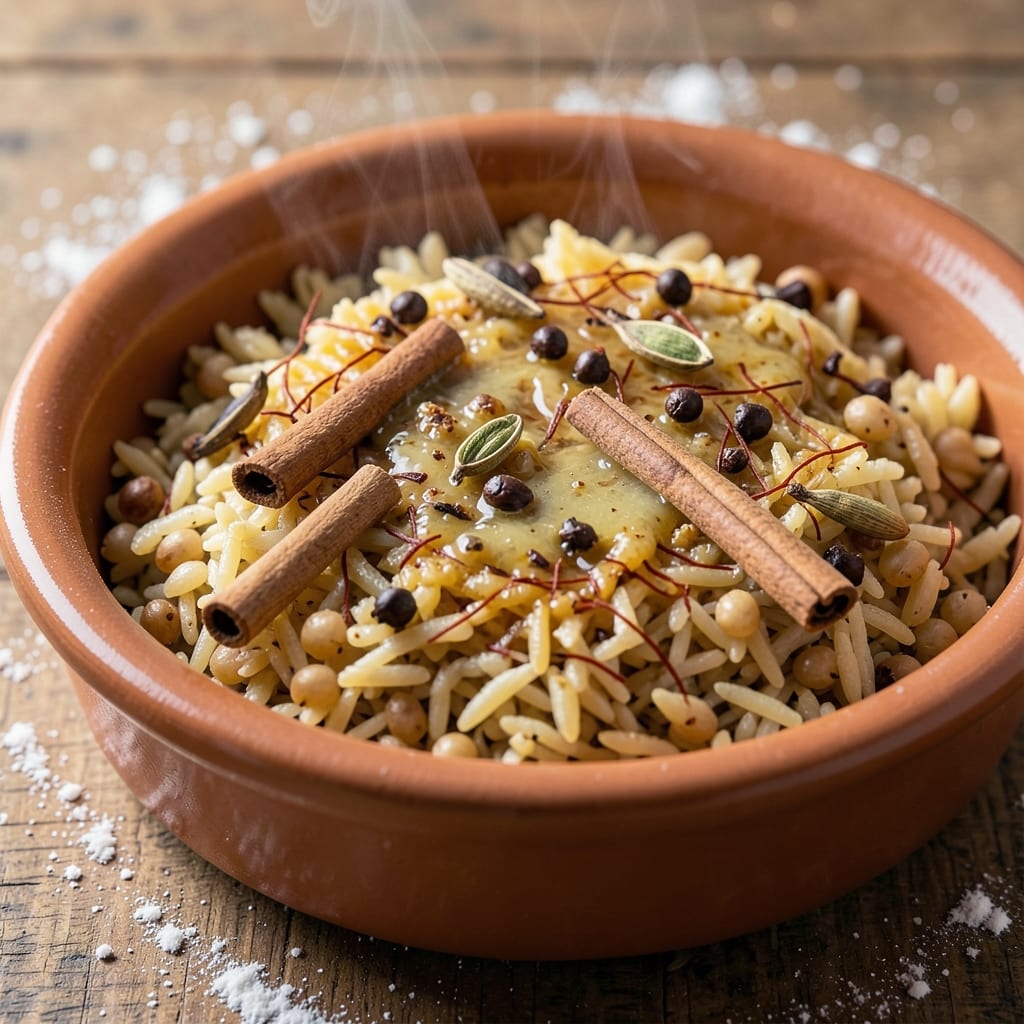
This Arabian rice recipe transforms simple basmati into a fragrant, golden dish with saffron and toasted barley—perfect for special occasions or weeknight meals. The secret lies in slow-cooking the rice with aromatic spices like cinnamon and cardamom, creating layers of warmth that pair beautifully with grilled meats or stews. Every grain absorbs the flavors deeply, making it a centerpiece worth savoring.
The result is a dish that balances tender rice with a subtle crunch from toasted barley, offering both texture and depth. This method stays true to traditional Arabian techniques while keeping prep straightforward—ideal for home cooks who want restaurant-quality results. Serve it alongside lamb, chicken, or even as a standalone dish for a flavorful, satisfying meal.
Ingredients for arabian rice
These carefully selected ingredients create a fragrant, golden Arabian rice dish with saffron's luxurious depth and barley's nutty crunch.
| Ingredient | Amount | Notes |
|---|---|---|
| Long-Grain Basmati Rice 🌾 | 1 ½ cups | Uncooked, rinsed thoroughly |
| Pearl Barley 🌾 | ½ cup | Toasted until nutty aroma |
| Saffron Threads 🧡 | ¼ tsp | High-quality, crushed lightly |
| Ground Cinnamon 🌿 | ½ tsp | Freshly ground preferred |
| Ground Cardamom 🌿 | ¼ tsp | True cardamom, not substitute |
| Ground Cloves 🌿 | ⅛ tsp | Freshly ground for potency |
| Extra-Virgin Olive Oil 🫒 | ¼ cup | High-quality, fruity variety |
| Chicken Broth 💧 | 2 cups | Low-sodium, homemade preferred |
| Water 💧 | 1 ½ cups | Filtered or spring water |
| Salt 🧂 | 1 ½ tsp | Diamond Crystal kosher salt |
| Fresh Lemon Juice 🍋 | 1 tbsp | Freshly squeezed, strained |
| Fresh Parsley 🌿 | ¼ cup | Chopped, for garnish |
| Toasted Almond Slices 🥜 | ¼ cup | For garnish and crunch |
The saffron is non-negotiable here—look for Spanish or Iranian threads in small jars at specialty markets like Whole Foods or Middle Eastern grocers. The basmati should be long-grain and plump, not broken or pre-cooked. For the barley, toast it in olive oil until golden—this adds the signature crunch. Cardamom and cinnamon should be freshly ground; pre-ground loses potency quickly. The olive oil should be extra-virgin and fruity, not refined. If using store-bought broth, Rao's or Pacific Foods brands offer the best flavor without excess sodium.
No saffron? Turmeric at one-third the amount adds color but lacks saffron's floral notes. Substitute barley with toasted quinoa or bulgur wheat for a similar texture. Fresh cardamom pods can be crushed and steeped in the broth for 30 minutes before straining—this extracts more flavor. For a dairy-free option, omit the ghee and use extra olive oil. The lemon juice brightens the dish, but lime juice works equally well if preferred. Fresh parsley should be bright green and sturdy; wilted leaves indicate age. If almonds are unavailable, toasted pistachios or walnuts provide a similar crunch.
Store cooked rice in an airtight container with a damp paper towel to retain moisture for up to 5 days in the refrigerator. For longer storage, freeze portions in single-serving containers for up to 3 months. Reheat gently with a splash of water or broth to restore moisture. The barley's texture improves after resting, so let the dish sit 10 minutes before serving—this allows flavors to meld fully. Garnish just before serving to preserve the parsley's vibrant color and almonds' crispness.
Why You'll Love This Recipe
- One-Pot Magic: I swear by this—just toast the spices, add the rice and barley, pour in the broth, and walk away. No measuring cups, no straining, no stress. The saffron steeps right in, so you don’t even need to fuss with soaking threads.
- Golden, Nutty Luxe: That first bite of pearl barley? Chewy, toasty, with a whisper of cinnamon and cardamom that lingers like a hug. Honestly, the saffron turns the whole thing the color of sunset, and it tastes like you spent hours simmering it (even though you didn’t).
- Weeknight or Weekend: Make a big batch on Sunday—it reheats like a dream for lunches all week. Or serve it at a dinner party with grilled lamb chops; the spices play so well with rich meats, it’ll feel fancy without the effort.
- Pantry Staple Savior: I keep basmati and spices on hand just for this. A cup of rice and barley costs pennies, stretches into four servings, and still feels special. Leftovers? Even better—each day tastes slightly different as the flavors meld.
Step-by-step instructions for Arabian rice with toasted barley
Master this aromatic blend where fragrant saffron-infused basmati meets nutty barley for a textural masterpiece.
Bloom the Spices and Infuse the Saffron
Heat the 0.25 cup extra-virgin olive oil in a heavy-bottomed pot over medium-low heat. Add the 0.5 tsp ground cinnamon, 0.25 tsp ground cardamom, and 0.125 tsp ground cloves, stirring constantly for 30 seconds until the spices release their aroma—you'll smell warm, earthy notes with a hint of sweetness. This is where the foundation of flavor begins.
While the spices toast, crush the 0.25 tsp saffron threads between your palms to release the vibrant red stigmas. Add them to 1 tablespoon of warm water from the ingredients list and let steep for 5 minutes—this ensures maximum color and aroma extraction. The liquid will turn a striking golden hue, signaling the saffron is ready to infuse the rice with its signature floral depth.
Toast the Barley and Prepare the Grains
Remove the pot from heat and add the 0.5 cup toasted pearl barley (pre-toasted as noted in ingredients). Return to medium heat and toast for 2-3 minutes, stirring frequently, until the barley develops a nutty aroma and takes on a deeper golden color. This step enhances its natural sweetness and prevents a mushy texture later.
Add the 1.5 cups long-grain basmati rice and stir to coat evenly in the spiced oil. The rice should glisten slightly from the oil, which will prevent sticking during cooking. Here's the thing—don't wash the rice after toasting. The residual starch helps create that signature Arabian texture while allowing the grains to remain distinct rather than clumping together.
Parboil the Rice Mixture
Pour in the 2 cups chicken broth and 1.5 cups water, then bring to a gentle boil over medium-high heat. Once boiling vigorously, reduce heat to medium-low and simmer uncovered for 5 minutes, stirring occasionally. You'll notice the liquid starts to absorb and small bubbles form around the edges—this indicates the rice is beginning to soften.
After 5 minutes, add the 1.5 tsp salt and the saffron infusion. Stir gently once to distribute the color and flavor evenly. The rice should be tender but still firm to the bite—if you press a grain between your fingers, it should yield slightly but not collapse. This is the critical window before the final resting phase.
Rest and Finish with Lemon Brightness
Remove the pot from heat and cover tightly with a lid. Let the rice steam undisturbed for 10 minutes—this resting period allows the grains to absorb remaining moisture and develop that signature fluffy yet distinct texture. Resist the urge to peek; each time you lift the lid, you release steam that could make the rice dry out.
After resting, fluff the rice gently with a fork, then stir in the 1 tbsp fresh lemon juice. This final step brightens the dish, cutting through the richness of the spices and adding a refreshing acidity. The lemon juice also helps separate the grains further, ensuring each bite delivers that perfect balance of texture and flavor.
Garnish and Serve with Crunch
Transfer the rice to a serving platter and arrange the 0.25 cup toasted almond slices and 0.25 cup fresh parsley on top. The almonds add a delightful crunch that contrasts beautifully with the tender rice, while the parsley provides a fresh visual finish. Serve immediately while the rice is still warm, as the texture and aroma are at their peak.
The final dish should showcase distinct grains of basmati with a golden hue from the saffron, interspersed with nutty barley and topped with vibrant green parsley. Each bite should deliver layers of flavor—warm spices, floral saffron, bright lemon, and the satisfying crunch of almonds. This is the essence of Arabian rice, where technique transforms simple ingredients into something extraordinary.
Pro Tips For Making Arabian Rice
- TOAST THE BARLEY: The pearl barley in this dish needs a quick head start—sauté it in the same pot with the cinnamon and cardamom for 2-3 minutes before adding liquids. I learned this the hard way when my barley stayed bland and undercooked, no matter how long I simmered it later.
- SWEAT THE SPICES: Don’t just dump the cinnamon and cardamom in raw—bloom them in the oil for 30 seconds until the air smells like a spice market. This stops them from tasting bitter and lets their flavors meld with the rice right from the start.
- SALT THE WATER LATE: Add salt after the water comes to a boil, not before—otherwise, the barley will absorb it too fast and turn mushy. Wait until the liquid is steaming, then season generously (about 1.5 tsp for 2 cups water).
- STEAM THE SAFFRON: Crush the saffron threads with the back of a spoon before adding them to hot water—this releases more color and aroma. Let it steep for 10 minutes in the warm liquid (not boiling) before pouring it over the rice; this makes a richer, more fragrant infusion than just tossing it in dry.
Essential equipment for great arabian rice
Heavy-Bottomed Pot
A 5-6 quart heavy-bottomed pot with a tight-fitting lid is essential for even heat distribution and preventing scorching. I recommend a Le Creuset Dutch oven or All-Clad stainless steel—both handle temperature changes gracefully. The pot should have sloped sides to prevent rice from sticking to the edges during simmering. If you're on a budget, a Calphalon stainless steel pot works well too. 🌡️
Fine-Mesh Strainer
Use a stainless steel fine-mesh strainer to rinse the basmati rice thoroughly before cooking. This removes excess starch that can make the rice gummy. I prefer a 3-inch mesh strainer from OXO Good Grips—it's durable and easy to clean. For the barley, a strainer helps drain any excess oil after toasting. Avoid plastic strainers, as they can degrade with high heat.
Saffron Infuser
While you can steep saffron in warm water, a saffron infuser (like the Saffron Queen Infuser) ensures maximum extraction without clumping. These small, mesh pods hold the threads while steeping, making them easy to remove. If you don’t have one, crush the threads between your palms and steep in 1 tablespoon warm water for 5 minutes—this mimics the infuser’s effect. 🧡
Wooden Rice Spoon
A wooden spoon (preferably bamboo or olive wood) is ideal for stirring the rice without scratching the pot. I use a long-handled spoon to avoid burning my hands during the simmering phase. Wood distributes heat evenly and won’t react with acidic ingredients like metal might. Avoid plastic spoons, as they can melt under high heat.
Kitchen Scale
For precise measurements, especially with spices like saffron and cardamom, a digital kitchen scale (like the OXO Good Grips) ensures accuracy. Weighing 0.25 tsp saffron or 0.125 tsp cloves by volume can be tricky—scales eliminate guesswork. If you don’t have one, use a spice scoop or measuring spoon for small quantities. Consistency is key for balanced flavors.
Timer and Thermometer
A dual-function timer/thermometer (like the Thermoworks Smoke) helps track the 10-minute resting phase and monitor broth temperature. Keep the broth at a gentle simmer (around 205°F) to avoid overcooking the rice. Set a timer for the 5-minute parboil and 10-minute rest—this prevents burning or undercooking. Precision here makes all the difference in texture. ⏱️
Nutrition facts
Frequently asked questions
Can I substitute basmati rice with another type?
For best results, stick with long-grain basmati—its distinct aroma and separate grains are key to traditional Arabian rice. If unavailable, jasmine rice works in a pinch, though it may absorb more liquid. Avoid short-grain varieties like sushi rice, as they'll turn mushy. For extra texture, mix 1/4 cup of toasted quinoa instead of barley.
How do I make this dish vegetarian?
Swap the chicken broth for vegetable broth and add 1 cup of chickpeas or roasted vegetables (like bell peppers or zucchini) to the pot during the 5-minute simmer. Garnish with toasted pine nuts or pumpkin seeds instead of almonds for a nutty crunch. The saffron and spices will still shine through beautifully.
Why does my Arabian rice turn out mushy?
Mushy rice usually means overcooking or insufficient resting time. Always simmer uncovered for exactly 5 minutes after boiling, then rest covered for 10 minutes—this steaming phase is non-negotiable. Use a heavy-bottomed pot to prevent scorching, and never stir the rice after adding salt/saffron. If it's still too soft, spread it on a tray to dry slightly.
Can I make this recipe in a rice cooker?
Yes, but with adjustments! Toast the spices and barley in a separate pan first, then transfer everything to the rice cooker. Use the white rice setting and add 1/4 cup extra liquid since rice cookers often undercook. Skip the final resting time—the cooker's steam cycle mimics it. For saffron, steep it in the broth before adding to the cooker for even distribution.
What's the best way to reheat leftover Arabian rice?
Reheat gently with 2 tablespoons water or broth per cup of rice in a saucepan over low heat for 3-4 minutes, stirring occasionally. Microwaving dries it out—cover with a damp paper towel and heat in 30-second bursts. For extra flavor, add a pinch of saffron or cinnamon while reheating. Store leftovers in an airtight container for up to 5 days.