
Side Dishes
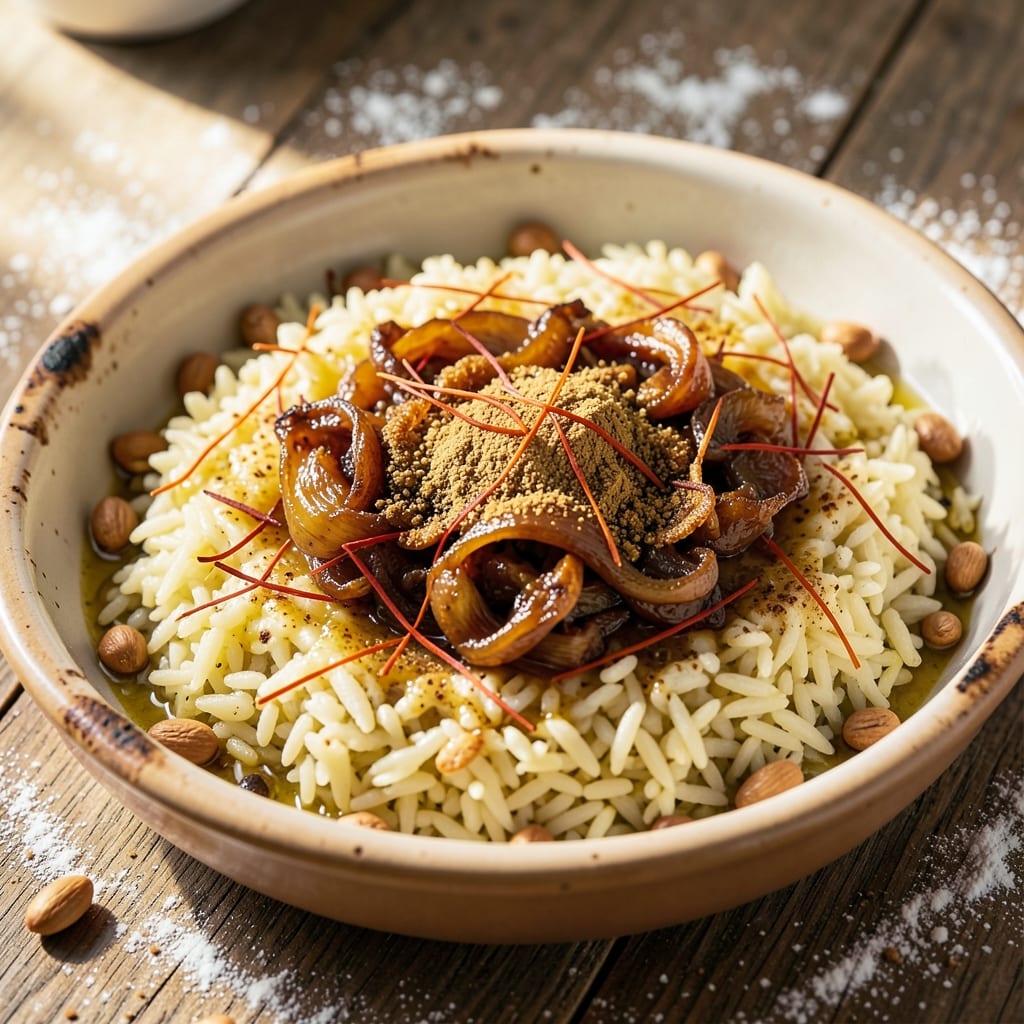
This Arabic rice pilaf recipe transforms simple grains into fragrant, golden perfection with toasted cumin and saffron. The secret lies in slow-cooking layers of spice and rice until each grain is tender yet distinct, infused with warm, earthy flavors. Unlike quick rice dishes, this method builds depth through patience—spices toasted until aromatic, broth reduced to concentrate flavor, and rice simmered just long enough to achieve that signature Arabic texture: firm yet fluffy, with edges slightly crisp. What sets this pilaf apart is its balance of traditional technique and modern convenience. While a tajine pot delivers authentic results, a simple stovetop pot works just as well with the same layering method. The spices—cumin, cinnamon, and saffron—aren’t just sprinkled in; they’re toasted to unlock their full potential, creating a base that’s rich and complex. This isn’t just rice; it’s a flavor foundation that elevates any meal, from grilled lamb to simple roasted vegetables. The result is a dish that’s as visually striking as it is delicious: golden grains speckled with saffron threads, crowned with toasted cumin seeds that add both texture and aroma. Each bite delivers that perfect contrast—tender rice with a hint of crispness at the edges, all wrapped in layers of spice. This pilaf doesn’t just accompany a meal; it becomes the star, turning ordinary dinners into something special. Whether you’re serving it alongside a festive spread or using it as a base for grain bowls, this recipe delivers restaurant-quality results with minimal effort. The method is straightforward, but the payoff—aromatic, perfectly textured rice—is worth every minute. Let’s get started on creating this flavorful centerpiece for your table.
Ingredients for arabic rice pilaf
Toasted spices, fragrant saffron, and tender rice create this aromatic centerpiece.
| Ingredient | Amount | Notes |
|---|---|---|
| Long-Grain White Rice 🍚 | 1 ½ cups | Uncooked, rinsed thoroughly |
| Ground Cumin Seeds 🌿 | 2 tbsp | Toasted until fragrant |
| Ground Cinnamon 🌿 | 1 tsp | Freshly ground preferred |
| Saffron Threads 🧡 | ¼ tsp | High-quality, culinary grade |
| Chicken Broth 💧 | 2 cups | Low-sodium preferred |
| Olive Oil 🫒 | ¼ cup | Extra-virgin for richness |
| Yellow Onion 🧅 | 1 whole | Medium size, finely chopped |
| Garlic Cloves 🧄 | 4 cloves | Peeled, minced finely |
| Salt 🧂 | 1 ½ tsp | Kosher or sea salt |
| Black Pepper 🌶️ | ½ tsp | Freshly ground preferred |
| Fresh Parsley 🌿 | ¼ cup | Chopped, for garnish |
| Lemon Zest 🍋 | 1 tsp | Bright yellow lemon |
The spices are non-negotiable here—toasting cumin and cinnamon until aromatic unlocks their full potential. Penzeys or bulk bins at specialty stores deliver the best quality, but don't stress if you only have ground spices (just skip the toasting step). Saffron is the star, so buy culinary-grade threads—those tiny packets from Middle Eastern markets are worth the investment. The rice? Jasmine or basmati both work, but basmati holds its shape better for pilaf. Rinse it thoroughly to remove excess starch, which prevents clumping.
No saffron? Turmeric at half the amount adds color, though it lacks saffron's floral notes. Fresh cumin seeds can be ground in a spice grinder for deeper flavor, but pre-ground is fine. For the broth, low-sodium is key—you'll be reducing it, and salt builds up fast. The onion and garlic should be cooked low and slow until translucent, not browned. That's where the sweetness develops, forming the flavor base. If you're short on time, minced shallots work too—they caramelize faster.
This pilaf tastes even better the next day as flavors meld. Store in an airtight container in the fridge for 4-5 days or freeze portions for 3 months. The saffron threads can be steeped in warm water for 10 minutes before adding to the broth to maximize their flavor. For extra crispness at the edges, spread the rice on a baking sheet after cooking and broil for 2-3 minutes. Garnish with parsley and lemon zest right before serving—that bright pop of color makes all the difference.
Why You'll Love This Recipe
- One-Pot Magic: I swear by this recipe—just rice, spices, and broth in one pot, no extra bowls or mess. The cumin and cinnamon bloom right in the broth while the rice cooks, so you’re not standing there stirring or checking timers.
- Golden Threads Glow: That pinch of saffron? It turns the rice a stunning golden yellow—like sunshine in a bowl. Honestly, it’s the little things: the earthy cumin, the warm cinnamon, and the saffron’s floral kick that make this taste alive.
- Weeknight & Potluck Star: I make this for lazy Tuesdays when I’m too tired to fuss, and it’s also my go-to for gatherings. Serve it with grilled chicken, roasted veggies, or even just yogurt and cucumbers—it’s that adaptable.
- Leftovers That Don’t Suck: Between us, most rice dries out by day two. Not this one. The chicken broth keeps it moist, and the spices actually deepened overnight. I reheat portions all week—no sad, rubbery grains here.
Step-by-step instructions for toasted cumin and saffron-scented grains
Here's how to achieve perfectly aromatic, fragrant rice with deep spice notes and tender texture.
Toast the Spices in Olive Oil
Heat the 0.25 cup olive oil in a large, heavy-bottomed pot over medium heat. Add the 2 tbsp ground cumin seeds and 1 tsp ground cinnamon, stirring constantly for 1-2 minutes until the spices begin to sizzle and release their aroma.
The key here is to watch for the moment when the oil shimmers around the spices—this indicates they're properly toasted. If the spices darken too quickly, reduce the heat slightly. Once fragrant, remove the pot from heat and stir in the 0.25 tsp saffron threads, letting them steep in the warm oil for 5 minutes to release their vibrant color and floral notes.
Sauté Onion and Garlic
Return the pot to medium heat and add the finely chopped yellow onion. Cook for 5-6 minutes, stirring occasionally, until the onions soften and turn translucent. Add the minced garlic cloves and cook for another 1 minute until fragrant—this prevents the garlic from burning while developing its full flavor.
Here's where attention matters: the onions should be tender but not browned. If they darken too quickly, reduce the heat slightly. The garlic should smell pungent but not bitter, which means it's cooked just enough to release its aroma without burning.
Add Rice and Toast Briefly
Stir in the 1.5 cups long-grain white rice and cook for 2-3 minutes, stirring constantly, until the grains become translucent at the edges and the oil is absorbed. This step, called "toasting," enhances the nutty flavor of the rice and prevents it from becoming mushy.
I press the rice grains against the bottom of the pot with a wooden spoon during this step to ensure even contact with the hot oil. You'll see the edges turn slightly opaque—that's your signal the rice is ready for the next stage. Don't walk away; this happens quickly.
Deglaze and Simmer
Pour in the 2 cups chicken broth and add the 1.5 tsp salt and 0.5 tsp black pepper. Bring to a gentle boil, then immediately reduce heat to low. Cover the pot with a tight-fitting lid, leaving a small gap for steam to escape.
Simmer for 15 minutes without lifting the lid. This allows the rice to absorb the liquid evenly and develop its signature texture. If you notice steam escaping too vigorously, adjust the gap in the lid slightly to maintain a gentle simmer. The rice should cook through without sticking to the bottom.
Rest and Finish
Once the liquid is absorbed and the rice is tender, remove the pot from heat and let it rest, covered, for 10 minutes. This resting period allows the steam to redistribute and the grains to plump fully. Fluff the rice gently with a fork, then stir in the 1 tsp lemon zest and 0.25 cup chopped fresh parsley.
The final result should be rice with distinct grains that hold their shape, infused with warm cumin, cinnamon, and saffron notes. The lemon zest adds a bright finish that cuts through the richness of the spices. Serve immediately while still warm for the best texture and flavor.
Pro Tips For Making Arabic Rice Pilaf
- TOAST THE SPICES: Heat your cumin and cinnamon in the pot for 30 seconds before adding broth—this wakes up their flavor instead of letting them taste like dust. I used to skip this, and the rice always felt flat until I tried it.
- SOAK THE SAFFRON: Crush the threads with a pinch of salt, then steep in 2 tablespoons of warm broth for 10 minutes. This extracts the color and aroma fully—no more wondering why your rice looks pale.
- USE EXTRA BROTH: Start with 1.5 times the rice measurement (e.g., 2 cups broth for 1 cup rice) and let it evaporate naturally. I learned this the hard way—undercooking the broth leaves the rice dry and gummy.
- STIR ONCE: After adding rice, stir just once to distribute spices, then leave it alone. Poking it turns the bottom into mush—let the heat do the work and let the rice steam evenly.
Pro cooking tips for perfect results
Spice Toasting Mastery
Toast your spices low and slow—medium heat is key—to avoid burning. I use a heavy-bottomed pot like Le Creuset to distribute heat evenly. Stir constantly for 1-2 minutes until cumin seeds sizzle and cinnamon releases its warm aroma. Over-toasting darkens spices and creates bitterness, so watch closely. 🌶️
For deeper flavor, use whole cumin seeds instead of ground—lightly toast them in a dry pan first until fragrant, then grind with a mortar and pestle. Freshly toasted spices make all the difference in this dish. Store toasted spices in an airtight container for up to 2 weeks to preserve their potency.
Layering Technique
The secret to perfect texture is layering ingredients in this order: oil, spices, onion, garlic, then rice. Each layer builds flavor progressively. I press rice grains against the pot with a wooden spoon during toasting to ensure even contact with the hot oil—this prevents clumping later. 🍚
For extra crispy edges, spread cooked rice on a baking sheet and broil for 2-3 minutes after cooking. This adds a delightful contrast to the tender center. If using a tajine, cook the rice uncovered for the final 5 minutes to develop those signature crispy bits.
Broth Reduction
Always reduce your broth by 25% before adding it to the rice. Simmer 2 cups of broth uncovered for 5 minutes to concentrate flavors. This step intensifies the savory depth of your pilaf. I use a low-sodium broth to control seasoning—adding salt later lets you adjust to taste.
For extra richness, deglaze the pot with 1 tbsp white wine after sautéing onions. The alcohol evaporates quickly but adds complexity to the base. Never skip this step—it transforms a good pilaf into an exceptional one.
Steam Control
Cover your pot with a tight lid but leave a ¼-inch gap for steam to escape. This prevents soggy rice while allowing even cooking. If your lid doesn't have vents, prop it slightly open with a wooden spoon handle. The rice should cook in 15 minutes without lifting the lid.
For electric stovetops, reduce heat to low during simmering. Gas stovetops may need medium-low to maintain consistent temperature. The goal is gentle heat—too high causes uneven cooking and mushy grains.
Resting Period
Never skip the 10-minute rest after cooking. This allows steam to redistribute, resulting in perfectly fluffy grains. I cover the pot with a clean kitchen towel during resting to maintain moisture. The towel also helps prevent condensation from dripping back onto the rice.
For make-ahead meals, let the pilaf cool completely before storing in an airtight container. Reheat gently with 2 tbsp water** per cup of rice to restore moisture. The flavors actually improve overnight as spices meld together.
Nutrition facts
Frequently asked questions
Can I substitute basmati rice for the long-grain white rice?
Basmati rice is actually ideal for this dish—its slender grains hold their shape perfectly and have a natural aroma that complements the spices. Use the same 1.5 cups uncooked measurement and rinse thoroughly before cooking. The texture will be slightly lighter but equally delicious.
What if I don't have saffron? Can I use something else?
Yes, but the flavor won't be identical. For color, use ½ tsp turmeric (it won't have saffron's floral notes). For depth, try ½ tsp cardamom along with the cinnamon—it adds warmth. If you're short on time, skip it entirely, but the dish will lack that signature golden hue.
How do I prevent my pilaf from turning out mushy?
Mushy rice usually happens from too much liquid or lifting the lid too soon. Always use 2 cups broth for 1.5 cups rice and maintain a gentle simmer. Leave the lid slightly ajar (about ¼-inch gap) to let steam escape—this keeps the rice firm while cooking. Never peek during the 15-minute simmer!
Can I make this ahead of time for a gathering?
This pilaf tastes even better the next day! Let it cool completely, then store in an airtight container in the fridge for 4-5 days. Reheat gently with 2 tbsp water per cup of rice over low heat, stirring occasionally. The flavors meld beautifully overnight, making it perfect for meal prep.
What's the best way to serve this aromatic rice?
This pilaf pairs beautifully with grilled meats like lamb or chicken, but it's also fantastic as a standalone dish. For extra flair, garnish with toasted pine nuts or slivered almonds. Serve with a simple cucumber-yogurt salad or roasted vegetables to balance the rich spices.