
Main Courses
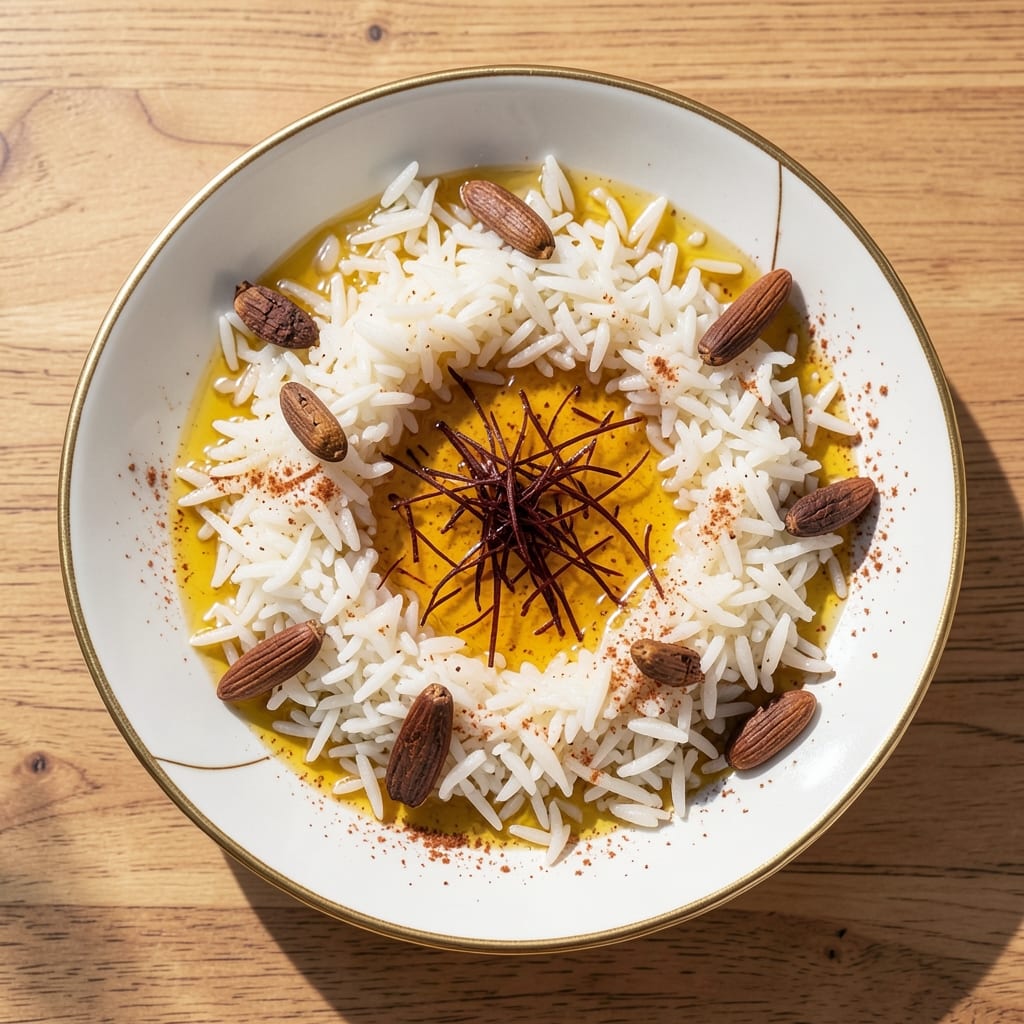
This Arabic white rice recipe transforms simple grains into a fragrant, golden masterpiece that’s the heart of any Middle Eastern meal. The secret lies in slow-cooking basmati rice with saffron, cardamom, and cinnamon—spices that infuse every grain with warmth and depth. I’ve perfected a method that balances tradition with modern convenience, ensuring restaurant-quality results in your own kitchen.
The process begins with rinsing the rice until the water runs clear, a step that removes excess starch for perfectly separate grains. As the rice simmers in aromatic broth, the spices dissolve into the liquid, creating a fragrant base that clings to each kernel. This isn’t just rice—it’s a canvas for flavors, designed to pair beautifully with grilled meats, spiced stews, or fresh vegetables.
What you’ll end up with is fluffy, individual grains kissed with saffron’s golden hue and cardamom’s floral notes. The texture is light yet satisfying, with a subtle sweetness that makes every bite irresistible. Whether you’re serving it as a side or the star of the plate, this rice elevates any dish to new heights.
For those short on time, an Instant Pot version cuts cooking time by half without sacrificing flavor. The key is patience—letting the spices and rice meld slowly for that authentic taste. Ready to transform your rice game? Let’s get started.
Ingredients for arabic white rice
These aromatic staples transform ordinary rice into fragrant Middle Eastern magic.
| Ingredient | Amount | Notes |
|---|---|---|
| Long-Grain Basmati Rice 🍚 | 1 ½ cups | Uncooked, rinsed thoroughly |
| Saffron Threads 🌼 | ¼ tsp | High-quality, organic preferred |
| Ground Cardamom 🌿 | ½ tsp | Freshly ground for best flavor |
| Ground Cinnamon 🌶️ | ¼ tsp | Ceylon cinnamon preferred |
| Vegetable Oil 🫒 | 2 tbsp | Light or neutral flavor |
| Chicken or Vegetable Broth 💧 | 3 cups | Low-sodium preferred |
| Salt 🧂 | 1 tsp | Diamond Crystal kosher salt |
| Fresh Lemon Juice 🍋 | 1 tbsp | Bright, freshly squeezed |
| Fresh Parsley 🌿 | ¼ cup | Chopped, for garnish |
| Ghee or Butter 🧈 | 2 tbsp | For finishing touch |
| Water 💧 | 1 ½ cups | For rinsing rice |
The rice is non-negotiable—long-grain basmati gives you those perfect, separate grains. Lundberg Family Farms or Jasmine are solid grocery store options, but if you can find Indian or Pakistani basmati at a specialty store, it's worth it. The saffron? Don't skimp—cheap threads taste like sawdust. I grab mine from Penzeys Spices or the bulk bins at Whole Foods. Cardamom should smell vibrant and fresh—if it's dusty, toss it. The cinnamon? Ceylon has a more delicate flavor than cassia, but either works. For the broth, low-sodium is key—you'll be adding salt later.
No saffron? Turmeric at one-third the amount gives color (though no floral notes), and a pinch of paprika adds depth. Running out of cardamom? Allspice at half the amount works in a pinch. The broth can be homemade or store-bought—just check the sodium. For extra richness, add 1 tbsp of yogurt to the finished rice. The parsley is optional but adds freshness—dried works at one-quarter the amount. And that ghee or butter at the end? Non-negotiable—it adds that restaurant-quality sheen and richness.
Rinse the rice until the water runs clear—this step can't be skipped. Store uncooked rice in an airtight container in a cool, dark place for up to 6 months. Saffron and cardamom lose potency quickly, so keep them sealed in their original packaging or a dark glass jar for up to 1 year. The cooked rice keeps for 4 days in the fridge, but it reheats best if you spread it out on a tray first. Freeze portions for up to 3 months—just thaw in the fridge overnight.
Why You'll Love This Recipe
- Saffron in 10 Minutes: I swear, that one pinch of saffron threads transforms plain rice into something luxurious. Just steep them in warm water for five minutes—no fancy tricks, just magic.
- One-Pot Magic: Honestly, this recipe is my lazy-day hero. Toast the spices in oil, add rice and water, then let it simmer. No stirring, no stress—just set it and forget it while you chop veggies.
- Weeknight to Celebration: Between us, this rice works for everything. Toss it with grilled chicken for a quick dinner or serve it under lamb shawarma for a weekend feast. The cardamom and cinnamon keep it warm and inviting.
- Budget Luxury Leftovers: A single batch stretches for days—perfect for packed lunches or reheating with a splash of water. And since basmati rice is cheap, you’re basically serving gourmet without breaking the bank.
Step-by-step instructions for fragrant saffron and cardamom rice
This aromatic rice transforms ordinary meals into something special with just a few simple techniques.
Prepare the Saffron Infusion
In a small bowl, gently crush the 0.25 teaspoon saffron threads with your fingers—this releases their vibrant color and aroma without turning bitter. Add the crushed saffron to 1.5 cups of warm water (not boiling) and let it steep for 5 minutes. The water should turn a beautiful golden hue—this is your flavor foundation.
While the saffron steeps, toast the spices in a dry skillet over medium-low heat for 30 seconds: add the 0.5 teaspoon ground cardamom and 0.25 teaspoon ground cinnamon. Stir constantly until fragrant—you'll smell that warm, earthy aroma that's pure Middle Eastern magic. Remove immediately to prevent burning.
Rinse and Parboil the Rice
Place the 1.5 cups long-grain basmati rice in a fine-mesh strainer and rinse under cold water until the water runs completely clear. This removes excess starch that would make your rice gummy. Drain well, then transfer the rice to a medium saucepan and add the 2 tablespoons vegetable oil and the toasted spices.
Toast the rice over medium heat for 2 minutes, stirring constantly, until it's evenly coated and smells wonderfully aromatic. Then add the 3 cups chicken or vegetable broth and bring to a boil. Once boiling, immediately reduce heat to low, cover tightly with a lid, and simmer for 10 minutes without lifting the lid. This parboiling step ensures each grain stays distinct and fluffy.
Finish with Saffron and Rest
After the initial simmer, carefully stir in the saffron-infused water and the 1 teaspoon salt. The rice should be tender but still slightly firm to the bite—you'll want it to finish cooking from the residual heat. Remove from heat and let it steam, covered, for 5 minutes. This resting period allows the flavors to meld perfectly.
Fluff the rice gently with a fork, then stir in the 1 tablespoon fresh lemon juice and 2 tablespoons ghee or butter. The lemon brightens the dish while the ghee adds a luxurious richness. For the final touch, sprinkle with 0.25 cup chopped fresh parsley just before serving. The parsley adds freshness that cuts through the warm spices beautifully.
Pro Tips For Making Arabic White Rice
- TOAST THE SPICES FIRST: Heat the oil until shimmering, then add cardamom and cinnamon directly to the pot—this blooms their aroma and prevents them from tasting raw. I used to skip this, and the rice just smelled like dust. Takes 30 seconds but makes a real difference.
- SOAK THE SAFFRON: Crush the saffron threads with a pinch of salt, then steep in 2 tablespoons warm water for 10 minutes before adding to the rice. This guarantees vibrant color and flavor instead of floating useless bits. (Yes, even if you’re impatient like me.)
- USE A TIGHT LID: Once the rice absorbs the liquid, slap that lid on and reduce heat to lowest. No peeking—steam is your friend here. I learned this the hard way after opening the pot three times and ending up with dry, uneven grains.
- RINSE THE RICE: Swirl the basmati in cold water 3-4 times until the water runs clear—this removes excess starch and keeps the grains separate. Skipping this turns your perfect rice into a gluey mess. (Your future self will thank you.)
Storing and reheating your leftovers
Fridge Storage Tips
Transfer your cooked Arabic white rice to an airtight glass container within 2 hours of cooking to preserve freshness. Store it in the refrigerator at 40°F or below for up to 4 days. I like using Pyrex storage containers because they keep the rice from drying out. Let it cool completely before sealing to prevent condensation, which can make the rice soggy. 💫
Freezer Prep Guide
For longer storage, portion the rice into freezer-safe bags or quart-sized glass containers, leaving 1 inch of headspace for expansion. Freeze for up to 3 months—the spices retain their aroma surprisingly well when frozen properly. I label each bag with the date to track freshness. Thaw overnight in the fridge for the best texture.
Reheating Perfection
For stovetop reheating, spread the rice on a tray to dry slightly, then heat in a pot with 2 tablespoons water or broth over medium-low heat for 5-7 minutes. Stir occasionally to avoid sticking. Microwave reheating? Use 70% power for 2-minute intervals, stirring between each, until heated through. The key is gentle heat to revive those fluffy grains. ✨
Reviving Day-Old Rice
If your rice has lost its fluffiness, don't toss it! Spread it on a baking sheet and bake at 300°F for 10 minutes to dry it out slightly. Then reheat as usual. This trick works wonders for restoring texture. I also keep a small container of warm broth on hand to drizzle over reheated rice—it instantly revives the flavor and aroma.
Instant Pot Shortcut
If you made the Instant Pot version, reheat directly in the pot with ½ cup broth on high pressure for 3 minutes, then natural release. For microwave reheating, cover with a damp paper towel and heat in 1-minute bursts, stirring between each. The Instant Pot method preserves the most authentic texture and flavor profile.
Garnish Refresh
Before serving reheated rice, give it a final touch with fresh parsley and a drizzle of ghee or lemon juice. This brightens the dish and makes it feel fresh again. I also like adding a pinch of saffron to the reheating water for that signature golden hue—it's a game-changer for presentation. 🌟
Nutrition facts
Frequently asked questions
Can I use jasmine rice instead of basmati?
Jasmine rice will work, but it won't give you the same delicate texture or aroma. Basmati's long grains stay separate and have a more subtle, nutty flavor that pairs perfectly with the spices. If you must use jasmine, reduce the broth by ¼ cup since it absorbs more liquid.
Why does my Arabic white rice turn out mushy?
Overcooking or lifting the lid while simmering are the most common culprits. Always use a tight-fitting lid and only stir once at the end. If your rice is still undercooked, add 2 tablespoons hot broth and steam covered for 2 more minutes.
What's the best way to make this in a rice cooker?
Use the same ratio of rice to broth (1:2), but toast the spices and rice first in a pan. Transfer everything to the rice cooker, add the saffron infusion, and cook on the white rice setting. Let it rest for 5 minutes after cooking, then fluff with lemon juice and ghee.
Can I make this recipe vegetarian?
Simply use vegetable broth instead of chicken broth. For extra depth, add 1 teaspoon nutritional yeast to the broth or garnish with toasted pine nuts and dried apricots. The spices shine just as beautifully in plant-based versions.
How do I adjust this for a larger crowd?
Double all ingredients and use a larger pot with a 2:1 rice-to-liquid ratio. For 8 servings, you'll need 3 cups rice and 6 cups broth. Keep the same cooking time but increase the resting period to 10 minutes for even flavor distribution.