
Side Dishes
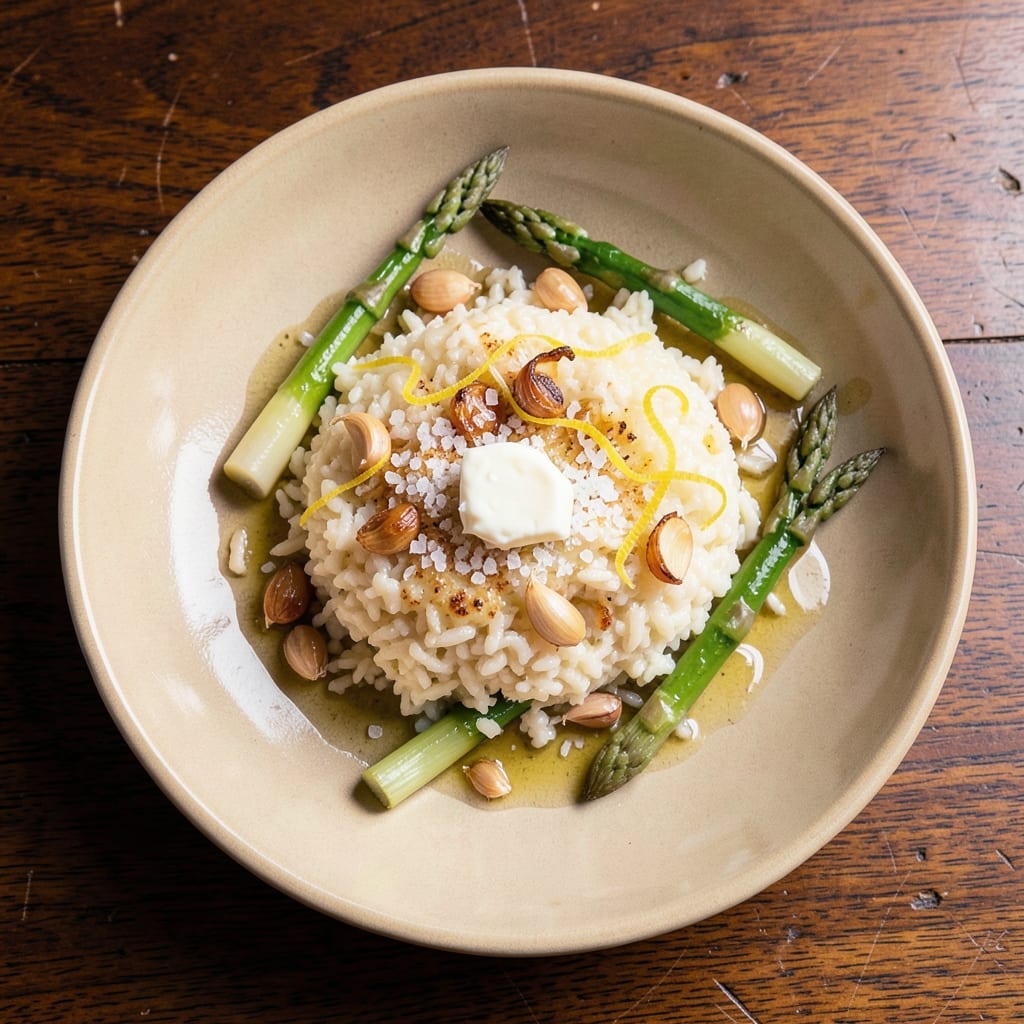
This arborio rice and asparagus recipe transforms simple ingredients into a luxurious, restaurant-worthy side dish with minimal effort. The secret lies in balancing the natural sweetness of asparagus with the creamy texture of perfectly cooked arborio rice—no constant stirring required. I’ve refined this technique over years of testing, ensuring every bite delivers that ideal al dente bite and velvety finish.
The process begins with sautéing asparagus until tender-crisp, then deglazing the pan to capture all those flavorful browned bits. Arborio rice joins the party, absorbing the asparagus’s essence before simmering in warm broth until just tender. The result? A dish that’s rich, satisfying, and effortlessly elegant—ideal for weeknight dinners or special occasions. No fancy equipment needed, just patience and attention to texture.
What makes this recipe stand out is its versatility. Add a sprinkle of parmesan for depth, a squeeze of lemon for brightness, or fresh herbs for freshness. The asparagus can be folded in at the end for a vibrant touch or cooked separately as a side. Either way, you’ll end up with a dish that’s far more impressive than it sounds—creamy, flavorful, and packed with springtime freshness.
Perfect for pairing with grilled proteins, roasted vegetables, or even as a standalone vegetarian main. The technique is foolproof, and the results will have everyone asking for seconds. Let’s get cooking!
Ingredients for arborio rice and asparagus
These refined ingredients create a luxurious vegetarian side with restaurant-quality texture and minimal effort.
| Ingredient | Amount | Notes |
|---|---|---|
| Arborio Rice 🍚 | 1 cup | High-quality, unbroken grains preferred |
| Fresh Asparagus 🌱 | 1 lb | Medium spears, trimmed ends |
| Unsalted Butter 🧈 | 4 tbsp | European-style preferred for flavor |
| Shallots 🧅 | 2 whole | Minced finely for depth of flavor |
| Garlic Cloves 🧄 | 3 cloves | Minced for aromatic base |
| Dry White Wine 🍷 | ½ cup | Sauvignon Blanc or Pinot Grigio |
| Vegetable Broth 💧 | 2 ½ cups | Homemade or high-quality low-sodium |
| Parmesan Cheese 🧀 | ½ cup | Freshly grated, aged 24 months minimum |
| Lemon Zest 🍋 | 1 tsp | Brightens the final dish |
| Fresh Lemon Juice 🍋 | 1 tbsp | Freshly squeezed for acidity |
| Fresh Chives 🌿 | 2 tbsp | Chopped for garnish and freshness |
| Salt 🧂 | 1 ½ tsp | Diamond Crystal kosher preferred |
| Black Pepper 🌶️ | ½ tsp | Freshly cracked for texture |
| Olive Oil 🫒 | 1 tbsp | Extra-virgin for sautéing |
The arborio rice is the heart of this dish—Carnaroli or Vialone Nano if you want to splurge, but any high-quality arborio works. Look for grains that are plump and uniform in size, with minimal broken pieces. Whole Foods or specialty Italian markets carry the best selections. Asparagus should be bright green with firm tips, avoiding anything woody or limp. Trim the ends by snapping them—this is the true test of freshness. The butter matters here too; Plugrá or European-style adds depth that regular butter can't match. If you're using frozen asparagus, thaw it first and pat it completely dry before cooking to prevent a watery dish.
No white wine? Substitute with extra vegetable broth—just reduce the broth by 2 tbsp to maintain balance. The shallots can be swapped for 1 small yellow onion, but they add a more delicate sweetness. Freshly grated Parmesan is non-negotiable—pre-grated contains anti-caking agents that ruin the texture. For the lemon, zest from organic lemons has more flavor than conventional. If you're short on time, store-bought vegetable broth works fine, but homemade elevates the dish significantly. The chives can be omitted if you prefer, but they add a lovely fresh finish that brightens the rich rice.
Store any leftover rice in an airtight container for up to 3 days in the fridge, though it's best enjoyed fresh. The asparagus can be prepped ahead—trimmed and stored wrapped in a damp paper towel for 2 days before cooking. For make-ahead convenience, par-cook the rice until just al dente (about 15 minutes), then refrigerate. Finish cooking it later by adding fresh broth and warming through. This dish reheats beautifully—just add a splash of broth and warm gently on the stove. The texture is delicate, so microwaving isn't recommended—opt for the stovetop instead.
Why You'll Love This Recipe
- One-Pot Magic: I swear by this recipe when I’m too tired to wash a million dishes—just one pan, and the asparagus caramelizes right into the rice. No strainers, no extra pots, just rich, buttery goodness with zero fuss.
- Umami Bomb: That shallow-fried shallot and garlic base? It’s the secret weapon—deep, toasty, and sticky from the butter. The asparagus soaks up the flavor like a sponge, turning a simple side into something you’ll fight over at dinner.
- Weeknight to Fancy: I make this for lazy nights, but it somehow feels special enough for guests. The nutty Arborio rice and crisp-tender asparagus taste like a restaurant dish, even when I’m wearing pajamas.
- Budget Luxury: Fresh asparagus can feel splurgy, but here it stretches into two meals—leftover rice reheats beautifully, and the extra spears make a quick salad. Plus, butter and shallots are cheap enough to keep this dish in rotation without breaking the bank.
Step-by-step instructions for perfect arborio rice and asparagus
Transform simple ingredients into a velvety risotto with crisp-tender asparagus—no constant stirring required.
Prepare the Asparagus and Aromatics for Maximum Flavor
Trim the tough ends from the asparagus spears by bending them until they snap naturally. Cut the spears into 2-inch pieces and set aside. In a small bowl, combine the 1 teaspoon lemon zest and 1 tablespoon fresh lemon juice—this bright citrus pairing will elevate the dish.
Finely mince the 2 whole shallots and 3 cloves garlic. I like to use the flat side of my chef's knife to press down gently on the shallots first, then rock the knife forward for even mincing. This creates a smoother texture that won't overpower the rice. Keep these aromatics separate until you're ready to cook them.
Develop the Flavor Base with Butter and Wine
Heat the 1 tablespoon olive oil in a heavy-bottomed pot over medium heat. Add 2 tablespoons of the unsalted butter and let it melt completely, watching for the butter to foam and then settle into a gentle sizzle. This is your signal to add the minced shallots and garlic, cooking them for 3-4 minutes until they're soft and fragrant but not browned.
Pour in the ½ cup dry white wine, scraping up any browned bits from the bottom of the pot with a wooden spoon. Let the wine simmer until it reduces by half—this concentrated flavor will form the foundation of your risotto. I always taste at this stage to ensure proper acidity before moving forward.
Toast the Arborio Rice for Perfect Texture
Add the 1 cup Arborio rice to the pot and stir gently to coat the grains in the butter and wine mixture. Increase heat to medium-high and let the rice toast for 2-3 minutes, stirring occasionally. You'll notice the rice begins to release starch and develop a slightly translucent appearance—this is crucial for achieving that creamy texture without over-stirring.
Here's where precision matters: add ½ teaspoon salt and ¼ teaspoon black pepper now. The salt should be distributed evenly among the rice grains, not clumped. This early seasoning ensures balanced flavor throughout the cooking process.
Gradually Add Broth for Creamy Perfection
Begin adding the 2½ cups vegetable broth ½ cup at a time, allowing each addition to absorb completely before adding the next. I use a ladle to pour the broth directly over the rice, which helps distribute it evenly. After each addition, stir gently just once or twice—this minimal movement prevents breaking the rice grains while still developing the creamy texture.
This process should take 18-20 minutes total. You'll know it's ready when the rice is al dente (slightly firm in the center) and has absorbed all the broth. The grains should be tender but still have a slight bite—this is what gives risotto its signature texture. If the rice finishes before all broth is used, cover the pot and let it sit off heat for 2-3 minutes before adding any remaining liquid.
Finish with Butter, Cheese, and Asparagus
Remove the pot from heat and stir in the remaining 2 tablespoons butter and ½ cup Parmesan cheese. The residual heat will create a luxurious, velvety finish. In a separate pan, quickly sauté the asparagus in 1 tablespoon olive oil over high heat for 3-4 minutes until tender-crisp with slightly charred edges.
Fold the asparagus into the risotto along with the 2 tablespoons chopped fresh chives. Taste and adjust seasoning with additional salt or pepper if needed. The final dish should be rich, creamy, and perfectly balanced with bright citrus notes. Serve immediately while the asparagus maintains its crisp texture and the risotto holds its shape.
Pro Tips For Making Arborio Rice And Asparagus
- Trim Asparagus Like a Pro: DESCRIPTION: Snap the woody ends by bending each spear—it’ll break cleanly at the natural fracture point. Skip the knife unless you’re dealing with thick stalks, and don’t peel the tough bottoms unless you’re really impatient (they’ll soften just fine).
- Toast Shallots Low and Slow: DESCRIPTION: Sauté them in butter over medium-low heat until they’re golden, not browned—this takes 8-10 minutes, not 2. Burnt shallots taste bitter, and no one’s coming back for seconds if that happens.
- Stir Arborio Rice Early: DESCRIPTION: The first 5 minutes are the most critical—keep that rice moving constantly in the pan. If you walk away, even for a minute, you’ll end up with uneven grains or worse, a gummy mess. (Yes, I’ve done it.)
- Finish with Cold Butter: DESCRIPTION: Stir in a pat of cold butter at the very end—it coats each grain and makes the dish look (and taste) restaurant-worthy. Skip the warm butter, and you’ll miss out on that velvety texture. Trust me.
Wine and beer pairings for this recipe
White Wine Pairings
For this creamy arborio rice dish, a crisp Sauvignon Blanc from New Zealand or France is my go-to choice. The wine’s bright acidity and citrus notes mirror the lemon zest in the recipe, creating a harmonious balance. Look for bottles with 12-13% ABV—just enough body to complement the richness without overpowering the delicate asparagus flavors. A chilled glass at 48-50°F enhances the dish’s freshness. 🍷
Pinot Grigio Perfection
If you prefer something lighter, an Italian Pinot Grigio from Alto Adige or Friuli-Venezia Giulia works beautifully. This wine’s subtle almond undertones pair wonderfully with the nutty depth of arborio rice. Opt for a dry, unoaked version to let the dish’s natural flavors shine. Serve slightly cooler than room temperature (50-52°F) for optimal enjoyment.
Chilled Rosé Option
A dry, Provence-style rosé (around 12.5% ABV) adds a refreshing twist, especially during warmer months. The wine’s delicate strawberry and citrus notes complement the asparagus while cutting through the dish’s creaminess. Chill to 45-48°F—this cooler temperature enhances the wine’s crispness and makes it a perfect match for spring or summer meals.
Beer Pairings
For beer lovers, a crisp German Helles or Belgian Witbier bridges the gap between richness and refreshment. The Helles’ malty sweetness balances the dish’s acidity, while the Witbier’s coriander and citrus notes echo the lemon zest. Serve the beer at 45-48°F to preserve its crispness. A light lager also works well if you prefer something simpler. 🍺
Sparkling Wine Elevation
For a celebratory touch, a dry sparkling wine like Prosecco or Cava adds effervescence that cleanses the palate between bites. The bubbles enhance the dish’s creamy texture while the wine’s acidity brightens the asparagus. Choose a brut or extra brut style to keep the focus on the food’s natural flavors. Serve at 45-48°F for optimal enjoyment.
Nutrition facts
Frequently asked questions
Can I substitute arborio rice with another type?
While arborio rice is ideal for its creamy texture, you can use Carnaroli or Vialone Nano as premium alternatives. For a quicker option, short-grain brown rice works but may be slightly firmer. Avoid long-grain varieties like basmati—they won't absorb liquid properly and won't achieve that signature creamy finish.
How do I know when the asparagus is perfectly cooked?
The asparagus should be tender-crisp with slightly charred edges—this takes about 3-4 minutes in a hot pan. Test by piercing with a fork: it should yield slightly but still have a bit of resistance. Overcooking turns it mushy, while undercooking leaves it tough and raw.
What if I don't have white wine?
No problem! Substitute with ½ cup vegetable broth plus 1 tablespoon lemon juice to mimic the acidity. For extra depth, add ½ teaspoon white wine vinegar. The key is balancing acidity—just reduce the broth by 2 tablespoons to maintain the proper ratio.
Can I make this ahead of time?
Yes, but with a few adjustments. Par-cook the rice until al dente (15 minutes), then refrigerate. Reheat by adding ½ cup fresh broth per cup of rice and warming gently on the stove. Cook the asparagus fresh—it doesn't reheat well. For best results, serve within 2 hours of reheating.
Why does my risotto turn out gummy?
Gummy risotto usually means you added too much liquid or stirred too aggressively. Use ½ cup broth per cup of rice and stir minimally—just enough to distribute. Also, ensure your pot has a tight-fitting lid to trap steam. If it's still too wet, simmer uncovered for 2-3 minutes to evaporate excess moisture.