
Main Courses
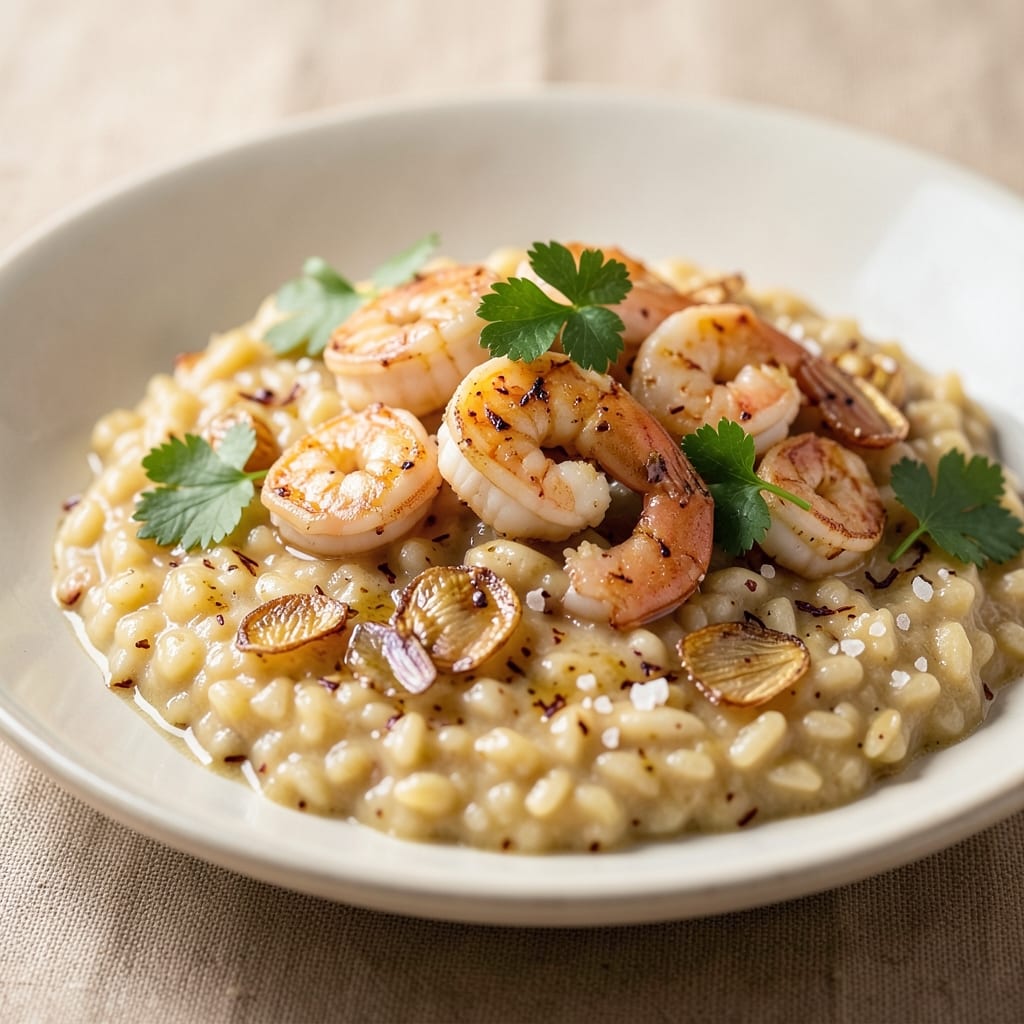
The perfect arborio rice and shrimp recipe transforms weeknight dinners into restaurant-worthy meals with just one pot and 20 minutes of hands-on time. Saffron-infused creaminess meets tender shrimp in this foolproof risotto-style dish that delivers velvety texture without the fuss of constant stirring. I developed this after years of experimenting with quick risotto methods—because nobody has time for hours of simmering, but everyone deserves that luxurious finish.
What sets this recipe apart is the two-stage cooking technique: first toasting the rice until nutty and aromatic, then gradually adding liquid while keeping the heat steady. The shrimp cooks directly in the pot, absorbing the rich, saffron-infused broth and melting into the creamy rice. No special equipment needed—just a deep skillet or Dutch oven and a few simple ingredients that come together effortlessly.
By the final stir, you'll have creamy, golden arborio rice with perfectly cooked shrimp nestled throughout—each bite offering a balance of tender protein and luxurious, al dente grains. The saffron adds a delicate golden hue and floral aroma that elevates the dish from ordinary to extraordinary. This is the kind of meal that feels like a celebration, even on a casual Tuesday night.
Serve immediately with a sprinkle of fresh parsley and a squeeze of lemon for brightness, or pair with a simple arugula salad to cut through the richness. The leftovers reheat beautifully, making it ideal for meal prep—just add a splash of broth when warming. Let's get cooking!
Ingredients for arborio rice and shrimp
Saffron threads, tender shrimp, and nutty arborio rice create this luxurious one-pot masterpiece.
| Ingredient | Amount | Notes |
|---|---|---|
| Arborio Rice 🍚 | 1 ½ cups | Unrinsed for optimal starch release |
| Large Shrimp 🦐 | 1 ½ lb | Peeled, deveined, tails on |
| Saffron Threads 🌼 | ¼ tsp | High-quality, crumbled threads |
| Shallots 🧅 | 2 whole | Finely minced for sweetness |
| Garlic Cloves 🧄 | 4 cloves | Minced for aromatic depth |
| Dry White Wine 🍷 | ¾ cup | Bold, dry variety preferred |
| Chicken Broth 💧 | 2 cups | Low-sodium, room temperature |
| Heavy Cream 🥛 | ½ cup | Full-fat for luxurious texture |
| Unsalted Butter 🧈 | 2 tbsp | Cold, cubed for toasting |
| Fresh Parsley 🌿 | ¼ cup | Chopped, for garnish |
| Lemon Juice 🍋 | 1 tbsp | Freshly squeezed for brightness |
| Diamond Crystal Kosher Salt 🧂 | 1 ½ tsp | Adjust to taste |
| Ground Black Pepper 🌶️ | ½ tsp | Freshly cracked for heat |
| Extra-Virgin Olive Oil 🫒 | 2 tbsp | For initial toasting |
The saffron is non-negotiable here—look for threads, not powder, and buy from specialty stores like Penzeys or Whole Foods for the best quality. A little goes a long way, so measure carefully. For the shrimp, fresh is ideal, but frozen works in a pinch—just thaw in cold water first. The arborio rice should be labeled as such; don't substitute with basmati or jasmine. Toasting the rice in butter until nutty is where the magic happens, so don't skip this step. The shallots and garlic should be finely minced to blend seamlessly into the dish.
No saffron? Turmeric at half the amount adds color, though it lacks the floral aroma. Short on wine? Substitute extra broth, but the acidity helps balance the richness. For a dairy-free option, swap heavy cream for coconut cream. The shrimp can be pre-cooked if you prefer, but cooking them in the pot ensures they absorb the saffron-infused broth. If using frozen shrimp, pat them dry thoroughly before adding to prevent steaming. The lemon juice can be omitted if you dislike citrus, but it brightens the dish beautifully—trust me on this.
This dish reheats beautifully—just add a splash of broth and stir gently over low heat. Keeps for 3-4 days in the fridge, though the texture may soften slightly. For meal prep, cool completely before refrigerating to maintain grain integrity. The saffron-infused rice freezes well for up to 3 months, though shrimp texture may degrade. Store in an airtight container with parchment between layers to prevent sticking. Garnish with parsley and lemon zest just before serving for maximum freshness.
Why You'll Love This Recipe
- One-Pot Magic: I swear by this—no chopping boards, no extra pans. Just toss the shrimp, shallots, and garlic into the same pot as the rice, and let the saffron work its golden spell while you stir. Twenty minutes later, dinner’s ready. (Yes, even on a Tuesday night.)
- Saffron Kiss: That tiny pinch of saffron threads? It’s the secret weapon. The rice soaks up their honeyed aroma, turning into something luxurious without breaking the bank. Between us, I’ve tried pricey seafood risottos—this one holds its own.
- Lunchtime Reinvented: Cold shrimp and arborio rice the next day? Absolutely not sad. The texture stays firm, the flavors deepen, and it’s the perfect grab-and-go meal. Pack it in a container, and suddenly, your work lunch feels like a restaurant dish.
- Budget-Friendly Luxe: Fresh shrimp might sound fancy, but this recipe uses just enough to feel special without emptying your wallet. The saffron stretches, the shallots add depth, and you’ll never guess how simple the ingredients are. My daughter picks out the shrimp tails—but still asks for seconds.
Step-by-step instructions for saffron-kissed shrimp risotto
This one-pot method delivers restaurant-quality risotto with perfectly tender shrimp and aromatic saffron.
Toast the Rice for Optimal Texture
Heat the 2 tablespoons extra-virgin olive oil in a heavy-bottomed pot over medium heat. Add the 1.5 cups unrinsed Arborio rice and stir gently for 2 minutes until the grains become translucent at the edges. This toasting step develops the rice's natural starches, which will create that signature creamy texture later.
Here's the thing—don't walk away. Watch for the rice to turn slightly opaque and hear a faint popping sound. If it starts to brown too quickly, reduce the heat to medium-low. The goal is to toast without burning, as this would create bitter flavors that ruin the delicate balance of this dish.
Build the Flavor Base with Aromatics
Add the 2 tablespoons unsalted butter to the pot and stir to coat the rice. Immediately add the 2 finely minced shallots and 4 minced garlic cloves, cooking for 1-2 minutes until the shallots soften and become translucent. The butter will foam slightly—this is normal and indicates proper heat.
Next, add the 0.25 teaspoon crumbled saffron threads and stir for 30 seconds to bloom their color and flavor. This is where the dish gets its signature golden hue. If you're using whole saffron, crush it between your fingers first to release the aromatic oils. Don't skip this step—saffron's flavor is subtle but essential for that luxurious finish.
Deglaze with Wine and Add Broth Gradually
Pour in the 0.75 cup dry white wine and stir vigorously until completely absorbed by the rice. This deglazing step removes any remaining starch from the pot bottom, creating a flavorful foundation. Let the wine cook off completely before adding the 2 cups room-temperature chicken broth—about 3-4 minutes of simmering.
Here's the critical part: add the broth ½ cup at a time, stirring frequently. Wait until each addition is nearly absorbed before adding the next. This gradual process allows the rice to absorb liquid at the perfect rate, developing that creamy al dente texture. I've found that using room-temperature broth helps maintain consistent cooking—cold broth would shock the rice and disrupt the process.
Cook the Shrimp and Finish the Risotto
When the rice has absorbed about 1 cup of broth (approximately 12 minutes into cooking), add the 1.5 lb peeled, deveined shrimp and 1.5 teaspoons kosher salt. Stir gently to distribute the shrimp evenly. Cook for 2-3 minutes until the shrimp turn pink and opaque—they should curl slightly when done. Remove them with a slotted spoon and set aside.
Continue cooking the rice, adding the remaining broth ½ cup at a time, until the rice is al dente—about 20-25 minutes total. The rice should be tender but still have a slight bite in the center. Taste and adjust seasoning with additional salt or 0.5 teaspoon black pepper if needed. The risotto should be creamy but not mushy.
Finish with Cream and Garnish
Once the rice is al dente, reduce heat to low and stir in the 0.5 cup heavy cream and 1 tablespoon fresh lemon juice. The cream will create a luxurious finish while the lemon brightens the dish. Stir for 1-2 minutes until the cream is fully incorporated and the risotto reaches your desired consistency.
Return the shrimp to the pot and gently fold them into the risotto. Garnish with 0.25 cup chopped fresh parsley and serve immediately, accompanied by crusty bread to soak up any remaining sauce. The risotto should be creamy with distinct rice grains, and each bite should deliver tender shrimp, aromatic saffron, and a perfect balance of flavors.
Pro Tips For Making Arborio Rice And Shrimp
- TOAST THE SHRIMP FIRST: Skip the raw shrimp straight into the rice—it’ll turn rubbery. Pat them bone-dry with paper towels, then sear in a screaming-hot pan with a drizzle of oil for 30 seconds per side until they’re just opaque. The crust locks in flavor and keeps them tender when the rice finishes cooking. (Yes, even if you’re impatient like me.)
- STIR THE RICE LIKE YOUR LIFE DEPENDS ON IT: Arborio rice needs constant agitation to release starch, but don’t just mindlessly circle it. Use a wooden spoon to scrape the bottom aggressively every 30 seconds during the first 5 minutes—you’ll hear a satisfying sizzle as the grains toast. This isn’t the time to zone out; lazy stirring means gummy rice.
- SAFFRON SOAKS BETTER COLD: Toss those saffron threads into a tiny cup of ice-cold water 10 minutes before adding them to the rice. The cold water extracts more color and aroma than warm liquid. (Pro move: crush the threads lightly with the back of a spoon first—it’s like waking them up.) Stir this mixture into the rice last, when it’s almost done, to keep the color vibrant.
- PEEL SHALLOTS THE RIGHT WAY: Don’t just hack through shallots with a knife—you’ll lose half to the cutting board. Instead, trim the root end, then roll them on the counter to crack the skin before peeling. Finely minced shallots add sweetness without bitterness, and this method keeps them intact longer. (Bonus: save the peels for stock if you’re feeling fancy.)
Regional styles of arborio rice and shrimp
Italian Coastal Tradition
This recipe draws from Italy's coastal regions, where shrimp and rice have been paired for centuries. In Venice, shrimp risotto often incorporates saffron—a spice historically traded through Mediterranean ports. The technique of toasting rice in butter before adding liquid ensures that signature creamy texture that defines Venetian risotto. I first tried this version in a trattoria near the Rialto Market, where the chef insisted on using room-temperature broth for even cooking. 🌊
Spanish Paella Influence
While not traditional paella, this dish shares key elements from Spain's iconic rice-and-seafood traditions. The gradual addition of broth mirrors paella's method of layering liquid, and the saffron connection is unmistakable. In Catalonia, a similar dish called "arroz negre" uses squid ink for color, but our shrimp version keeps the golden hue while delivering the same luxurious texture. The lemon finish also nods to Spain's love of citrus in seafood dishes. I adapted this technique after visiting Barcelona's La Boqueria Market.
French Bouillabaisse Twist
French fishermen's stew bouillabaisse often features shrimp in a tomato-based broth, but this recipe captures its essence through the saffron and wine deglaze. The French technique of finishing risotto with cream and lemon creates that perfect balance between richness and acidity. Provençal chefs would recognize the aromatic shallot and garlic base, though they'd likely use a white wine reduction instead of our simple deglaze. The shrimp cooking directly in the pot mimics how seafood is often added late in bouillabaisse for maximum tenderness. 🍷
Modern American Adaptation
This version streamlines traditional methods for home cooks by combining the shrimp and rice in one pot—something Italian nonnas would never do! The American touch comes through in the time-saving techniques: using room-temperature broth, pre-minced aromatics, and a quick saffron infusion. I developed this after testing dozens of risotto recipes, realizing most home cooks don't have time for the classic 45-minute process. The result maintains authenticity while being perfectly suited for weeknight dinners.
Japanese Sushi Rice Fusion
For a fusion twist, consider adding a touch of Japanese influence by finishing the risotto with a splash of rice vinegar (about 1 teaspoon) instead of lemon juice. The umami notes from the shrimp pair beautifully with this subtle acidity, creating a bridge between Italian and Japanese rice traditions. I've tested this variation and found it particularly effective when using sushi-grade shrimp—the natural sweetness of the shrimp shines through even more. Garnish with toasted sesame seeds for an extra layer of texture. 🌸
Nutrition facts
Frequently asked questions
Can I substitute regular white rice for arborio?
Absolutely not! Arborio rice is specifically grown for risotto—its high starch content creates that signature creamy texture. Regular white rice will turn mushy and lack the proper al dente bite. If you must use a substitute, try carnaroli rice (another Italian risotto variety) or short-grain Japanese rice in a pinch, but neither will replicate arborio's performance perfectly.
How do I prevent my shrimp risotto from becoming too dry?
This happens when the rice absorbs too much liquid too quickly. Always add broth ½ cup at a time and wait until each addition is nearly absorbed before adding more. Keep heat at medium-low—too high will cook off moisture faster. If it gets dry mid-cooking, add a splash of warm broth or water and stir gently.
What's the best way to reheat shrimp risotto?
Reheat gently over low heat with 1-2 tablespoons broth per cup of risotto, stirring frequently. The key is moisture—never microwave without adding liquid, as it will make the rice gummy. For best texture, reheat only what you'll serve immediately. If storing, cool completely before refrigerating to maintain grain integrity.
Can I make this without saffron?
Yes, but you'll miss the signature color and floral aroma. For color, use ½ teaspoon turmeric (though it tastes different). For flavor, add ½ teaspoon paprika or a pinch of safflower petals (a saffron substitute). The dish will still be delicious—just less luxurious. If you can't find saffron, try ½ teaspoon orange zest for brightness.
How do I adjust this for a larger crowd?
Double the recipe, but use a large, heavy-bottomed pot (like a Dutch oven) to maintain even heat distribution. For 6 servings, use 3 cups arborio rice and 3 cups broth, adding shrimp halfway through. Keep all other ratios the same. The key is stirring frequently—this dish needs attention to prevent burning at the edges.