
Main Courses
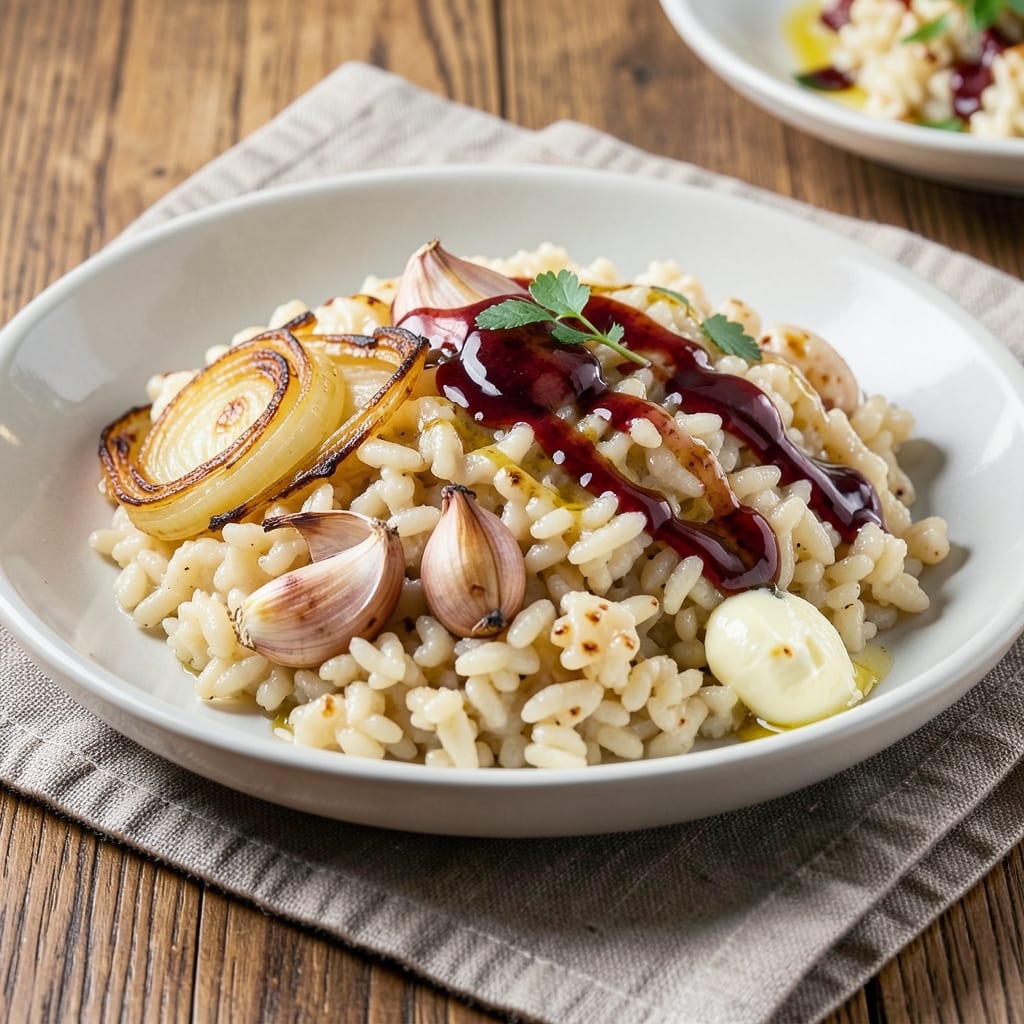
This arborio rice in rice cooker recipe delivers the luxurious creaminess of risotto without constant stirring—perfect for busy weeknights. The secret lies in precise water ratios and gentle heat control, transforming simple ingredients into a velvety, buttery texture that rivals restaurant-quality dishes. What makes this method work is the rice cooker's ability to maintain even, low heat throughout the cooking process, allowing the starches to release naturally and create that signature creamy consistency.
Unlike traditional risotto that requires constant attention, this approach lets you set it and forget it while achieving the same luxurious results. The rice cooker handles the gradual absorption of liquid and heat, producing perfectly cooked grains with a tender bite and rich, creamy sauce. This technique is especially valuable for those who want restaurant-quality Italian dishes without the fuss of constant stirring or monitoring.
What you'll end up with is creamy, tender arborio rice that's ideal for serving as a side dish or as the base for a hearty main course. The texture is unmistakably risotto-like, with each grain coated in a luscious, buttery sauce that clings perfectly. This method also allows for easy customization—add sautéed onions, garlic, or herbs for extra flavor depth.
Whether you're preparing a simple weeknight dinner or hosting a dinner party, this rice cooker method ensures consistent, foolproof results every time. The beauty of this approach is its simplicity—just a few ingredients, minimal effort, and a rice cooker do the heavy lifting. Let's get started on creating that perfect creamy texture with minimal fuss.
Ingredients for arborio rice in rice cooker
Simple ingredients transform into luxurious risotto texture with minimal effort in your rice cooker.
| Ingredient | Amount | Notes |
|---|---|---|
| Arborio Rice 🍚 | 1 cup | Unrinsed for maximum starch release |
| Vegetable Broth 💧 | 2 cups | Low-sodium preferred for flavor control |
| Butter 🧈 | 2 tbsp | Unsalted, cold for initial toasting |
| Yellow Onion 🧅 | 1 whole | Finely diced for even distribution |
| Garlic Cloves 🧄 | 3 cloves | Minced for aromatic depth |
| Dry White Wine 🍷 | ½ cup | Subititute with extra broth if unavailable |
| Parmesan Cheese 🧀 | ½ cup | Freshly grated for authentic flavor |
| Extra-Virgin Olive Oil 🫒 | 1 tbsp | For finishing and richness |
| Salt 🧂 | 1 ½ tsp | Kosher salt for even seasoning |
| Black Pepper 🌶️ | ½ tsp | Freshly cracked for texture |
| Fresh Parsley 🌿 | ¼ cup | Chopped for garnish and freshness |
The Arborio rice is the heart of this recipe—its high starch content is what creates that signature creamy texture when cooked properly. Look for short-grain varieties labeled specifically for risotto at specialty stores like Whole Foods or Eataly if you want premium results. Regular supermarket Arborio works fine for weeknight cooking. Unrinsed rice is critical—those surface starches are what absorb liquid and create the velvety sauce. If you're using a rice cooker with a sauté function, use that first to toast the rice in butter before adding liquid. No sauté function? Toast in a small pan first, then transfer to the rice cooker.
No white wine? Substitute with extra vegetable broth—just reduce the total liquid by the same amount to maintain proper ratios. The Parmesan cheese should be freshly grated from a block—pre-grated varieties contain anti-caking agents that disrupt texture. For the onion and garlic, you can use powdered versions in a pinch (reduce to half the amount), but fresh is always better. The butter matters here—use European-style unsalted like Plugrá or Kerrygold for superior flavor. If you're making this ahead, the rice cooker method actually improves overnight—just stir in a splash of broth or olive oil before serving to revive the texture.
This rice keeps beautifully in the fridge for 3-4 days if stored in an airtight container with a thin layer of olive oil on top to preserve moisture. For longer storage, freeze portions in single-serving containers for up to 3 months. The flavor actually develops more overnight, so this reheats perfectly—just add a splash of broth or water and let it steam through. For serving, finish with a drizzle of extra-virgin olive oil and a sprinkle of fresh parsley right before eating to maintain vibrant flavor. The rice cooker's even heat distribution means you won't get the dry spots common with stovetop risotto.
Why You'll Love This Recipe
- Creamy Without the Drama: That butter-to-broth ratio? It turns out ridiculously creamy—like risotto but with half the effort. The onions caramelize just enough to add depth, and the garlic? Oh, it’s there, but not overpowering. Honestly, it’s the kind of rice that makes you pause mid-bite.
- Leftover Goldmine: Cold arborio rice is my go-to for fried rice the next day—just toss in an egg and frozen veggies. Or reheat it with a splash of broth for a quick lunch. Between us, I’ve had this for breakfast, dinner, and everything in between. It’s my secret weapon for lazy days.
- Budget Risotto, Luxe Feel: Arborio rice is the star, but the rest? Pantry staples. Butter and onion make it taste fancy, while broth keeps it affordable. I’ve made this for date nights, family dinners, and even potlucks—no one ever guesses it’s not homemade risotto. (Not the prettiest, but the taste makes up for it.)
Step-by-step instructions for creamy risotto texture in a rice cooker
Transform simple Arborio rice into velvety risotto without constant stirring—just follow this precise method.
Sauté Aromatics Until Golden
Set your rice cooker to the sauté function and add the 1 whole Yellow Onion and 2 tbsp Butter. Cook over medium heat for 5-6 minutes until the onion becomes translucent and begins to caramelize at the edges. This foundational step develops deep flavor before the rice even enters the pot.
Add the 3 cloves Garlic Cloves and cook for another 30 seconds until fragrant. The garlic should sizzle gently but not brown—this prevents bitterness. If your rice cooker lacks a sauté function, use a separate skillet to develop these aromatics before transferring to the cooker's pot. This step ensures your risotto has rich, complex flavor from the start.
Toast the Rice and Deglaze
Add the 1 cup Arborio Rice to the pot and stir to coat it evenly in the butter and onion mixture. Toast the rice for 2 minutes until the grains become translucent at the edges and release a nutty aroma. This initial toasting is crucial—it breaks down the rice's outer layer, allowing it to absorb liquid gradually and develop that signature creamy texture.
Pour in the 0.5 cup Dry White Wine and stir until completely absorbed. The wine will deglaze the pot, lifting all those flavorful browned bits from the bottom. If you don't have wine, substitute with an equal amount of the 2 cups Vegetable Broth—just note the flavor will be slightly less complex. Let the mixture simmer until the wine fully evaporates before proceeding.
Layer Broth for Creamy Texture
Add the 2 cups Vegetable Broth to the rice cooker's water reservoir. Set the cooker to the "white rice" setting and close the lid. Unlike traditional risotto, we're not stirring constantly—this method relies on the rice cooker's precise temperature control to create creamy texture through gradual absorption.
During cooking, the rice will absorb the broth in layers, releasing starch that naturally emulsifies with the fat. This creates that luxurious, velvety consistency without requiring constant attention. The rice is done when the cooker automatically switches to "keep warm" mode, typically after 20-25 minutes. The grains should be tender but still slightly firm to the bite.
Finish with Fat and Cheese
Once cooking is complete, open the lid and stir in the 1 tbsp Extra-Virgin Olive Oil and 0.5 cup Parmesan Cheese. The olive oil adds richness while the cheese contributes umami depth. Let the mixture sit for 2 minutes to allow the cheese to melt completely into the rice. This finishing step elevates the dish from simple rice to restaurant-quality risotto.
Season generously with 1.5 tsp Salt and 0.5 tsp Black Pepper, then stir in the 0.25 cup Fresh Parsley. The parsley adds freshness and visual contrast to the creamy rice. For serving, divide among plates immediately—the risotto continues to thicken as it cools. This method delivers authentic risotto texture with minimal effort, proving great results don't require constant stirring.
Pro Tips For Making Arborio Rice In Rice Cooker
- Toast the Rice First: Before adding broth, melt the butter in the rice cooker on high heat and stir the dry Arborio rice for 2-3 minutes until it smells nutty and the grains turn slightly translucent. I learned this the hard way—skipping it leads to bland, pasty rice that tastes like it’s missing something. ---
- Use Cold Broth: Add cold vegetable broth to the rice cooker instead of hot—it keeps the grains from absorbing liquid too fast and gives you that perfect creamy texture. Sounds weird, but it works: the rice cooks evenly without turning mushy. ---
- Don’t Stir After Starting: Once the broth is added, resist the urge to check or stir the rice until it’s fully cooked. Every time I peek, I disrupt the surface crust, which is where the flavor develops. Let it sit undisturbed after the initial toasting. ---
- Finish with Butter Fat: After cooking, let the rice rest for 5 minutes, then stir in a pat of cold butter (about 1 tablespoon) until it melts into the grains. This adds richness and prevents the rice from drying out—my grandmother swore by this, and she was right.
Make-ahead tips for this recipe
Prep Ahead Strategy
Prepare the aromatics and broth mixture the night before to save 10 minutes of active cooking time. Finely dice the 1 whole Yellow Onion and mince the 3 cloves Garlic Cloves, then store them in a sealed container in the fridge. Measure out the 2 cups Vegetable Broth and keep it chilled—this prevents overcrowding in your ice bin and keeps it fresh. The rice itself doesn't need pre-prep, but having these components ready means you can start cooking immediately when you're ready. 📅
Storage Secrets
Store cooked rice in an airtight container with a thin layer of Extra-Virgin Olive Oil on top to prevent drying. The oil creates a protective barrier that keeps the rice moist for 3-4 days in the fridge. For longer storage, freeze portions in single-serving containers for up to 3 months. The rice cooker's even heat ensures consistent texture even after freezing—just thaw overnight in the fridge before reheating. ❄️
Reheating Like a Pro
For fridge-stored rice, reheat by adding 2 tbsp Vegetable Broth per cup of rice to a skillet over medium-low heat. Cover and simmer for 5-7 minutes, stirring occasionally, until heated through. For frozen rice, transfer to a pot and cook over low heat with 3 tbsp Broth, covered, for 10-12 minutes. The gentle heat prevents the rice from becoming gummy or dry, restoring its creamy texture perfectly. 🔥
Batch Cooking Tips
Double the recipe for meal prep—just use a larger rice cooker model (like the Zojirushi NP-HAC51) that handles 2 cups of rice at once. Store in quart-sized airtight containers and label with dates. This method works perfectly for lunches or as a base for quick pasta dishes later in the week. The rice cooker's precision ensures even cooking in larger batches, maintaining that signature creamy consistency. 💡
Freezing for Later
For best results when freezing, spread the rice on a tray to chill for 1 hour before transferring to containers. This prevents clumping. When ready to eat, thaw in the fridge overnight, then reheat as directed. The texture remains creamy but may be slightly firmer—just add an extra splash of broth during reheating. This technique works especially well for planning ahead for busy weeks when you need quick, satisfying meals. 🧊
Customizing Make-Ahead
Add flavor variations before storing: mix in 1 tsp Italian seasoning for herb-infused rice, or ½ tsp smoked paprika for a smoky twist. For a protein boost, fold in cooked chicken breast or sautéed mushrooms before freezing. These additions enhance flavor while maintaining the rice's creamy texture when reheated. The rice cooker's gentle cooking preserves these delicate flavors beautifully. 🌶️
Nutrition facts
Frequently asked questions
Why does this recipe use unrinsed Arborio rice?
The surface starches on unrinsed Arborio rice are essential for creating that signature creamy texture. When cooked, these starches release gradually and emulsify with the fat, forming the velvety sauce. Rinsing removes these starches, leaving you with dry, separate grains instead of the luxurious risotto consistency. This is why professional chefs never rinse Arborio rice for risotto!
Can I use a different type of rice in my rice cooker?
While you can try other short-grain rices like Carnaroli or Vialone Nano, Arborio is specifically bred for risotto due to its high starch content. Long-grain rices like basmati or jasmine won't achieve the same creamy texture—they'll stay firm and separate. For best results, stick with Arborio or its premium cousins. The rice cooker's even heat helps maximize the starch release that makes this recipe work.
What if my rice cooker doesn't have a sauté function? No problem! Sauté the onions and garlic in a separate skillet until soft and fragrant, then transfer everything to the rice cooker. The key is getting those aromatics cooked before adding the rice and liquid. Just
How do I know when the rice is perfectly cooked?
The rice is done when your cooker switches to "keep warm" mode, typically after 20-25 minutes. The grains should be tender but still have a slight bite in the center—they'll finish cooking from residual heat. For perfect texture, test one grain by pressing it between your fingers: it should be soft but not mushy. If it's still firm, let it sit covered for another 2-3 minutes.
Can I make this ahead of time for a dinner party?
This rice actually improves overnight. Cook it as directed, then store in an airtight container with a thin layer of olive oil on top. Reheat by adding 1-2 tbsp broth per cup of rice and warming gently over low heat. The texture remains creamy, and the flavors develop more depth. Just be sure to stir in fresh parsley and a drizzle of olive oil right before serving to maintain vibrant presentation.