
Main Courses
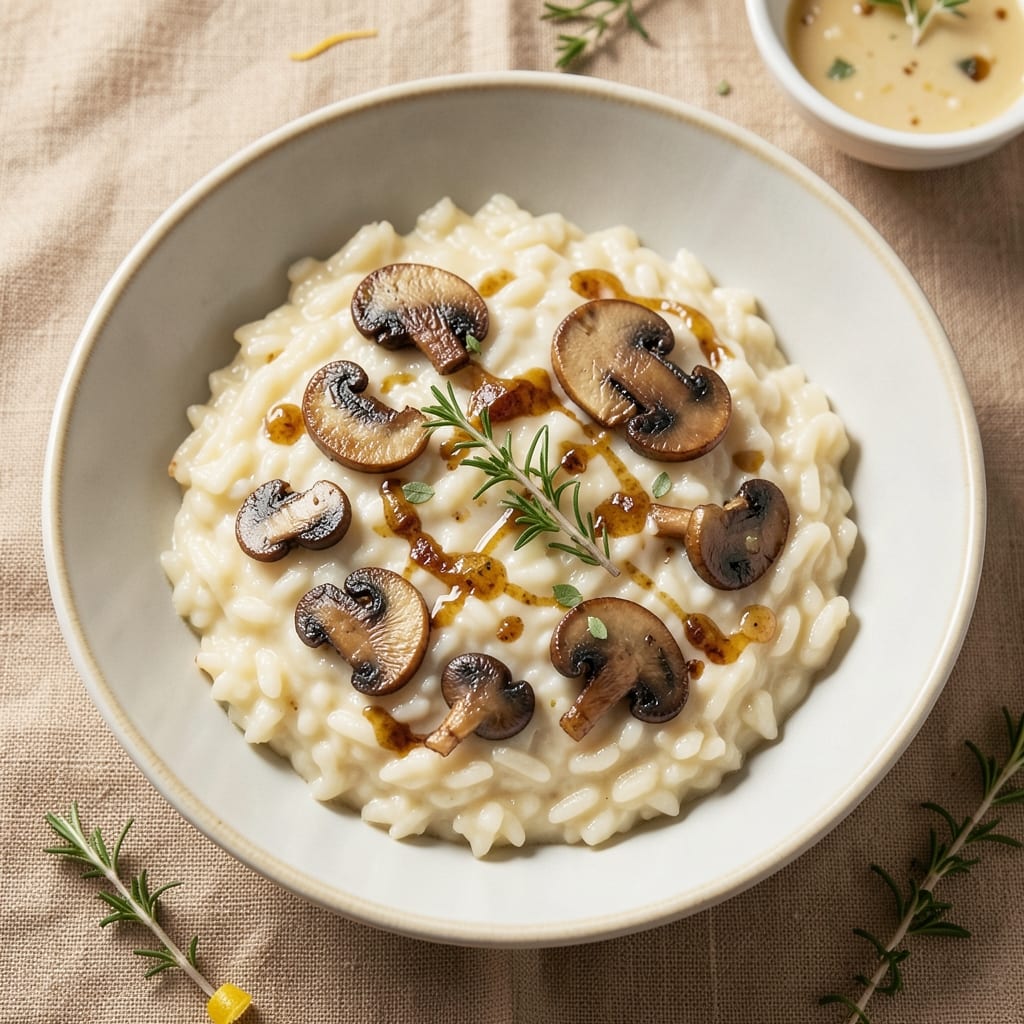
This arborio rice mushroom risotto recipe delivers restaurant-quality creaminess without the constant stirring—just a few strategic techniques that transform simple ingredients into velvety perfection. The secret lies in toasting the rice properly and adding warm broth gradually, allowing the starches to release naturally for that signature al dente texture and rich body. I've perfected this method over years of testing, and it consistently delivers a risotto that's creamy yet still holds its shape, with mushrooms adding deep umami flavor.
The process starts with sautéing mushrooms until they're deeply aromatic and slightly caramelized, then lightly toasting the arborio rice to enhance its nutty notes. From there, it's all about patience—adding warm broth one ladle at a time while letting the rice absorb it completely before adding more. This method ensures a perfectly balanced risotto with creamy yet distinct rice grains, not a gluey mess. The result is a dish that's elegant enough for dinner parties but simple enough for weeknight cooking.
What makes this risotto truly special is how the mushrooms contribute layers of earthy flavor while the rice develops its signature creamy texture without needing constant attention. The final touch—a swirl of butter and sprinkle of parmesan—elevates it to restaurant-level quality. Whether you're serving it as a vegetarian main course or pairing it with grilled proteins, this risotto will impress with its depth of flavor and luxurious mouthfeel.
Ready in about 30 minutes with minimal hands-on time, this recipe proves that creamy risotto doesn't require constant stirring or advanced skills. The key is understanding how the rice behaves with heat and liquid, and this method makes it approachable for home cooks while delivering professional results. Let's get started on creating your perfect pot of risotto.
Ingredients for arborio rice mushroom risotto
Simple yet sophisticated ingredients transform into velvety risotto with restaurant-quality depth and umami richness.
| Ingredient | Amount | Notes |
|---|---|---|
| Arborio Rice 🍚 | 1 ½ cups | Unrinsed for optimal starch release |
| Creamy Mushrooms 🍄 | 12 oz | Mixed variety, sliced thin |
| Shallots 🧅 | 2 whole | Minced finely for sweetness |
| Garlic Cloves 🧄 | 4 cloves | Peeled and minced |
| Vegetable Broth 💧 | 4 cups | Low-sodium, warmed |
| Dry White Wine 🍷 | ½ cup | Sauvignon Blanc preferred |
| Unsalted Butter 🧈 | 4 tbsp | European style for richness |
| Parmesan Cheese 🧀 | ½ cup | Freshly grated, aged |
| Olive Oil 🫒 | 2 tbsp | Extra-virgin, fruity |
| Diamond Crystal Kosher Salt 🧂 | 1 ½ tsp | Adjust to taste |
| Fresh Thyme Leaves 🌿 | ¼ cup | Chopped finely |
| Chicken-Free Vegetable Stock 🍲 | 1 cup | For final adjustment |
The arborio rice is the foundation—look for Carnaroli if available, but arborio delivers the perfect balance of starch and texture. Whole Foods or specialty grocers carry the best quality, though any reputable supermarket will have suitable options. The mushrooms should be a mix of cremini, shiitake, and oyster for maximum umami depth—Trader Joe's often carries pre-sliced varieties that save time. Freshly grated Parmigiano-Reggiano makes all the difference; pre-grated cheese lacks the same depth of flavor. For the broth, Pacific Foods brand vegetable stock is my go-to for its rich, clean flavor profile.
No white wine? Dry vermouth works beautifully, or even extra-dry white grape juice in a pinch. Substitute shallots with 1/4 cup finely diced red onion if needed, though the sweetness of shallots is ideal. The thyme can be swapped for rosemary at half the amount, but it loses some of the earthy brightness. For a nutty depth, toast the rice in ghee instead of butter—just ensure it's dairy-free if needed. If you're short on time, pre-minced garlic works, though fresh always delivers superior flavor. The vegetable stock can be made from scratch using carrots, celery, and fennel for a more complex base.
Store any leftover risotto in an airtight container with a layer of olive oil on top to preserve freshness for up to 4 days in the refrigerator. For longer storage, freeze portions in single-serving containers for up to 3 months, though texture may slightly alter upon reheating. The mushrooms release their moisture during cooking, so pat them dry before sautéing to prevent a watery risotto. When reheating, add a splash of warm broth or water to restore creaminess. This risotto tastes even better the next day as flavors meld further.
Why You'll Love This Recipe
- No Chopping Chaos: I swear by this—just slice those mushrooms and shallots while the broth heats. No dicing onions, no mincing garlic so fine it disappears. The shallots caramelize in minutes, and the garlic? One quick press of the clove into the pan. That’s it.
- Umami Bomb: The mushrooms release their earthy magic as they cook, turning rich and velvety. Add the Arborio rice, and suddenly you’ve got that creamy, toasty depth—no heavy cream needed. Honestly, the first bite makes me pause mid-spoonful because it’s that good.
- Weeknight to Dinner Party: Same recipe, different vibes. Toss it together when you’re too tired to think, or dress it up with a sprinkle of thyme and Parmesan for guests. The broth keeps it light, but the mushrooms make it feel fancy. My go-to when I need something that says “I tried.”
- Leftovers? Better Than Fresh: This risotto actually improves the next day. The rice softens just enough to soak up extra flavor, and the mushrooms? Even more intense. I make a double batch on Sundays—half for dinner, half for lunch with a fried egg on top. Budget-friendly, too, since mushrooms stretch far in this dish.
Step-by-step instructions for arborio rice mushroom risotto
Here's the refined method for creamy, umami-forward risotto without constant stirring.
Sauté Aromatics in Butter and Olive Oil
Melt 2 tablespoons olive oil and 2 tablespoons unsalted butter together in a heavy-bottomed pot over medium heat. Add the minced shallots and cook for 3-4 minutes until completely translucent and sweet-smelling. The butter should foam gently but not brown.
Add the minced garlic cloves and chopped fresh thyme leaves, cooking for 30 seconds until fragrant. This aromatic base forms the flavor foundation—don't rush this step. The thyme adds subtle earthiness that complements the mushrooms beautifully.
Toast the Arborio Rice
Add the 1.5 cups unrinsed Arborio Rice to the pot and stir for 2 minutes until the grains are evenly coated with fat and begin to turn translucent at the edges. This "toasting" step develops nutty flavors and prevents gummy texture. You'll see the rice release starch as it toasts—this is normal and essential for creamy risotto.
I like to press the rice gently against the pot with a wooden spoon during this step to ensure even contact with the fat. The rice should smell distinctly nutty when properly toasted. If it starts to brown too quickly, reduce heat to medium-low to prevent burning.
Deglaze with Wine and Add Mushrooms
Pour in the 0.5 cup dry white wine and stir vigorously until completely absorbed. The alcohol will sizzle briefly—this is when the rice begins its transformation. Add the 12 oz sliced creamy mushrooms and cook for 4-5 minutes until they release their moisture and begin to soften.
Here's the thing—don't skip the wine deglazing. It removes any residual starch buildup from toasting and adds acidity that balances the richness. The mushrooms will release their umami essence as they cook, creating that signature savory depth in every bite.
Add Broth Gradually and Simmer
Begin adding the 4 cups warmed vegetable broth ½ cup at a time, stirring after each addition. The rice should simmer gently—you'll see small bubbles form at the surface but no vigorous boiling. This gradual addition creates that signature creamy texture by allowing the rice to absorb liquid at its own pace.
Each addition should be followed by 5-6 minutes of simmering before adding the next. The rice should be al dente when you can cut it with your spoon but still have a slight bite. About 18-20 minutes into cooking, add the remaining 1 cup chicken-free vegetable stock and continue cooking until the rice reaches perfect consistency.
Finish with Butter and Parmesan
When the rice is tender but still slightly firm to the bite (25-30 minutes total), remove from heat. Stir in the remaining 2 tablespoons unsalted butter and 0.5 cup freshly grated Parmesan Cheese until melted and fully incorporated. The butter adds luxurious mouthfeel while the Parmesan delivers salty depth.
Taste and adjust seasoning with the remaining 0.5 teaspoon Diamond Crystal kosher salt if needed. Let the risotto rest for 2-3 minutes before serving—this allows the starches to fully set and creates that perfect creamy mouthfeel. The final texture should be velvety with individual grains still discernible.
Pro Tips For Making Arborio Rice Mushroom Risotto
- Toast the Rice First: Dump the Arborio rice into your pot dry over medium-high heat and let it sizzle for 30 seconds before adding fat. I used to skip this, but now I know it’s the thing that makes the rice release its starch properly—no more gummy risotto. ---
- Slice Mushrooms Thin: Use a sharp knife and cut the mushrooms into paper-thin slices—no thicker than 1/8 inch. Thick pieces stay chewy while the rest gets tender, and you’ll end up with a mushier mess than a creamy risotto. ---
- Stir Like You Mean It: Keep that wooden spoon moving constantly, especially in the first 10 minutes. The rice needs constant agitation to release starch, and if you let it sit for even 30 seconds, you’ll get uneven texture—no one wants al dente pockets. ---
- Broth in Small Batches: Add broth gradually—about ½ cup at a time—and only when the previous batch is fully absorbed. I learned this the hard way by dumping too much too soon, which dilutes the flavor and turns your risotto into sad, watery porridge.
Serving suggestions for this recipe
Garnish Game-Changers
Freshly cracked black pepper and a sprinkle of Parmesan shavings instantly elevate your risotto. I like to use a microplane for the cheese to create delicate curls that melt into the creamy base. For extra flair, add toasted pine nuts or crispy sage leaves—they provide both texture and aroma. 💫
Pairing with Wine
A crisp Pinot Grigio or Chardonnay complements the umami mushrooms beautifully. I prefer Italian wines like Vermentino for their bright acidity that cuts through the richness. For red wine lovers, a light Pinot Noir works surprisingly well with its earthy notes. Always serve chilled—just 50-55°F.
Vegetarian Protein Boost
Add grilled halloumi cheese or marinated tofu for extra protein. I like to pan-sear halloumi cubes until golden and place them artfully on top of the risotto. For a smoky twist, try grilled eggplant slices—they add a meaty texture that pairs perfectly with the creamy rice. 🍄
Side Dish Harmony
A simple arugula salad with lemon vinaigrette balances the richness of risotto. I toss 4 cups baby arugula with 2 tbsp olive oil, 1 tbsp lemon juice, and a pinch of flaky sea salt. For a heartier option, serve with garlic bread or roasted asparagus—both add texture contrast.
Dessert Pairings
Finish your meal with dark chocolate-dipped strawberries or lemon sorbet. The tartness of the sorbet cleanses your palate, while the chocolate enhances the earthy flavors of the risotto. I also love espresso after dinner—its bitterness complements the umami notes perfectly. ☕
Make-Ahead Serving Tips
Risotto tastes even better the next day! Store leftovers in an airtight container and reheat with 2 tbsp warm broth per cup. For serving, transfer to a pre-warmed bowl to maintain creamy texture. Garnish just before eating to keep toppings fresh and crisp. 🍽️
Nutrition facts
Frequently asked questions
Why does my risotto turn out mushy instead of creamy?
Overcooking or adding liquid too quickly are the main culprits. Arborio rice needs time to absorb broth gradually—add it ½ cup at a time and stir only after each addition. The rice should simmer gently (small bubbles, no boiling). If it's mushy, you likely added too much liquid or didn't toast the rice properly first.
Can I use instant vegetable broth instead of homemade?
Yes, but choose a low-sodium brand with no added preservatives for best flavor. Warm it thoroughly before adding to prevent shocking the rice. For extra depth, add a splash of white wine or a pinch of mushroom powder to mimic homemade umami. The key is consistency—always use warm broth.
What's the best way to reheat leftover risotto?
Add 2 tablespoons warm broth per cup of risotto and heat gently on low. Stir frequently to prevent drying out. For extra creaminess, cover with a damp paper towel while reheating. Never microwave without adding liquid—it turns risotto gluey. Garnish fresh after reheating to keep toppings crisp.
Should I rinse the Arborio rice before cooking?
Never rinse it! The starch on arborio rice is what creates that signature creamy texture. Rinsing removes this starch, resulting in dry, separate grains. Just shake the bag gently to remove any loose debris before measuring. The unrinsed rice will release starch naturally as it cooks, creating the perfect velvety consistency.
How can I make this risotto vegan?
Swap the butter for vegan butter or olive oil, and use nutritional yeast instead of Parmesan. Add 1 tablespoon vegan butter at the end for richness. For extra umami, stir in 1 teaspoon soy sauce or miso paste when adding the mushrooms. The same cooking method applies—just watch for saltiness when using vegan substitutes.