
Main Courses
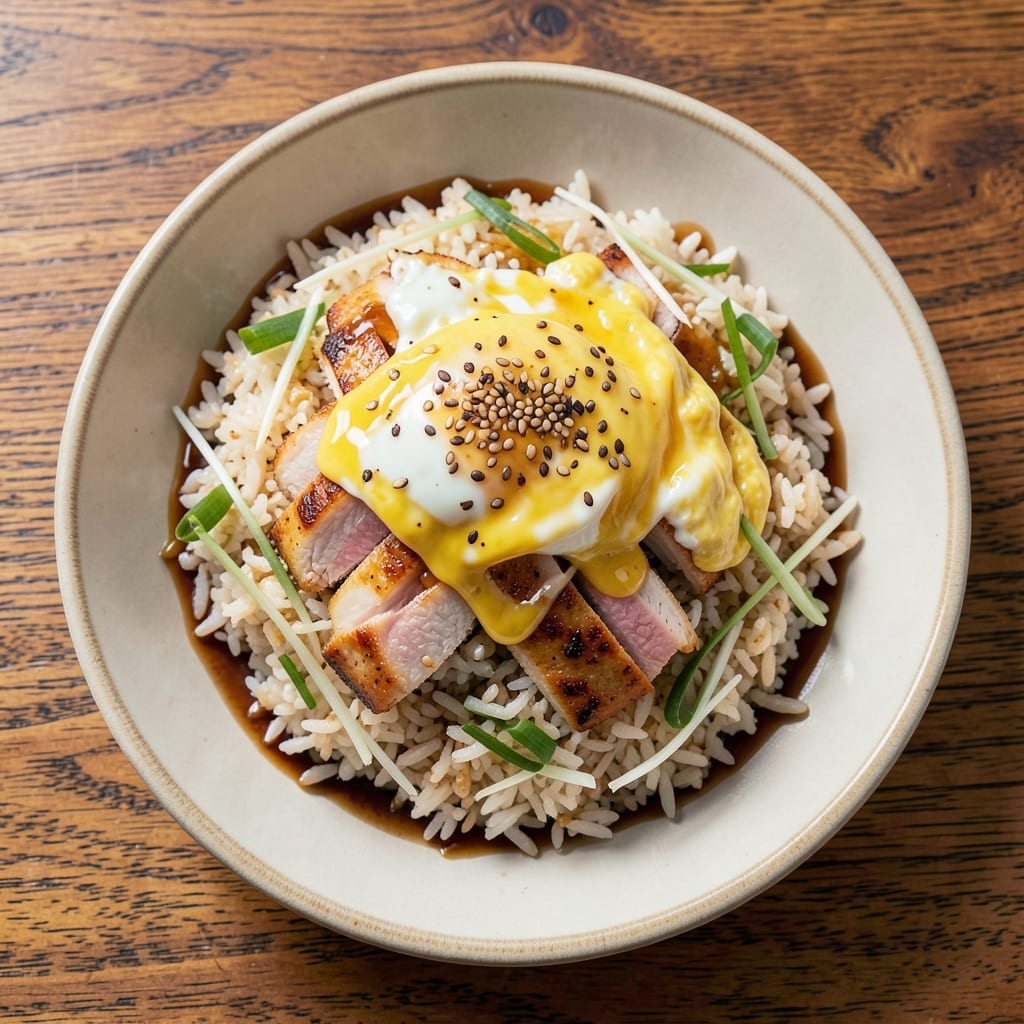
This Arirang fried rice recipe delivers the perfect balance of crispy, golden grains and rich, savory eggy goodness that makes every bite irresistible. The secret lies in properly cooling and reheating day-old rice for that signature texture, then stir-frying it with a fragrant blend of garlic, ginger, and sesame oil. I've perfected this Korean-style classic over years of testing, ensuring the rice stays crispy at the edges while remaining tender inside—no mushy bits here.
The magic happens when you layer in the protein—whether it's juicy chicken, tender shrimp, or crispy bacon—and fold in a perfectly cooked egg that melts into each bite. Traditional seasonings like soy sauce, sesame oil, and a touch of sugar create that unmistakable umami depth, while fresh green onions add a bright finish. This isn't just fried rice; it's a restaurant-quality dish you can master at home with simple techniques and quality ingredients.
What sets this recipe apart is the crispy texture achieved through proper rice preparation and high-heat stir-frying, paired with the velvety richness of the egg. The aroma alone—garlicky, toasty, with hints of sesame—will have everyone at the table asking for seconds. It's the kind of dish that transforms a simple meal into something special, whether you're feeding a family or hosting friends.
Customize it with your favorite proteins or vegetables, but keep the core technique intact: crispy rice, rich egg, and balanced seasoning. Here's how to make it perfectly every time.
Ingredients for arirang fried rice
Cold rice, fresh eggs, and aromatic seasonings—this is your Korean-style fried rice essentials list.
| Ingredient | Amount | Notes |
|---|---|---|
| Day-Old Cooked White Rice 🍚 | 4 cups | Cold and separated into grains |
| Large Eggs 🥚 | 4 whole | Freshly beaten for velvety texture |
| Boneless Chicken Breast 🍗 | 1 lb | Diced into 0.5-inch pieces |
| Green Onions 🧅 | ½ cup | Thinly sliced, white and green parts |
| Sesame Oil 🫒 | 1 tbsp | Toasted sesame oil for aroma |
| Vegetable Oil 🫒 | 2 tbsp | High smoke point for frying |
| Garlic Cloves 🧄 | 4 cloves | Minced finely for strong flavor |
| Fresh Ginger 🌿 | 1 tbsp | Grated finely for zesty kick |
| Soy Sauce 🥄 | ½ cup | Korean or Japanese preferred |
| White Sugar 🍚 | 1 tbsp | Balances savory flavors |
| Salt 🧂 | ½ tsp | Kosher or sea salt |
| Black Pepper 🌶️ | ¼ tsp | Freshly ground for heat |
| Toasted Sesame Seeds 🌾 | 1 tbsp | For garnish and crunch |
The rice is non-negotiable—it must be day-old and cold for that signature crispy texture. Cook a batch the night before and spread it on a tray to cool completely. For the chicken, buy boneless breast and cut it into even 0.5-inch pieces yourself—pre-cut often includes fat or uneven bits. Korean markets carry the best sesame oil and soy sauce for authentic flavor, but Trader Joe's has solid options too. Fresh ginger and garlic are worth the extra minute to mince finely—they make all the difference in that garlicky, toasty aroma.
No sesame oil? Neutral vegetable oil plus 0.5 tsp toasted sesame seeds works in a pinch, but you'll miss that nutty depth. Short on chicken? Swap for shrimp or diced bacon—just adjust cooking time (shrimp cooks in 2 minutes, bacon in 5). The eggs should be fresh and cold for that silky texture when folded in. If your soy sauce isn't Korean-style, add 0.25 tsp fish sauce for umami. And skip the pre-sliced green onions—they wilt fast; slice them fresh right before serving.
Rice reheats beautifully—just spread it on a tray after cooking to keep it dry. Store leftovers in an airtight container for up to 3 days in the fridge, or freeze for 2 months. The sesame seeds and green onions are best added fresh when reheating. For extra crispiness, spread the rice on a baking sheet at 350°F for 5 minutes before stir-frying. This dish tastes even better the next day as flavors meld—plan ahead!
Why You'll Love This Recipe
- No Leftovers Wasted: I swear by this trick—day-old rice is the secret weapon. No soggy mess, just perfect texture every time. My kids even ask for it when I forget to make extra.
- Sesame Oil Magic: That first hit of sesame oil in the pan? Instant flavor upgrade. It’s not just a drizzle—it’s the thing that makes this fried rice taste like a restaurant dish, not a weeknight scramble.
- Budget Crowd-Pleaser: Chicken breast stretches far, and rice fills everyone up. I feed four for under $10, and no one complains about the leftovers (because they’re that good).
- One-Pan Weeknight Win: Minimal chopping, one pan, 20 minutes max. Toss in pre-cooked chicken, scramble those eggs in the same pan—cleanup is just a wipe-down. My "I don’t wanna cook" nights just got a hero.
Step-by-step instructions for Korean-style crispy fried rice
Here's the method for achieving that signature Arirang texture—crispy edges, tender chicken, and perfectly set eggs every time.
Prepare the Chicken and Aromatics
Cut the 1 lb boneless chicken breast into ½-inch pieces—I like to slice against the grain for maximum tenderness. In a medium bowl, toss the chicken with ½ teaspoon of the salt, ¼ teaspoon of the black pepper, and 1 tablespoon of the soy sauce. Let it marinate while you prep the rest of the ingredients.
Finely mince the 4 cloves garlic and grate the 1 tablespoon fresh ginger using a microplane. Thinly slice the ½ cup green onions, separating the white and green parts. Keep the whites for cooking and reserve the greens for garnish at the end. Here's where the flavor foundation happens—don't skip the fresh ginger, as it adds that signature zesty kick.
Cook the Chicken Thoroughly
Heat 1 tablespoon of the vegetable oil in a large skillet or wok over medium-high heat. Add the chicken pieces in a single layer and cook undisturbed for 3-4 minutes until golden brown on the bottom. This initial sear locks in juices. Stir occasionally, breaking up any large pieces, and cook until the chicken is fully cooked through—about 5-6 minutes total. Remove and set aside on a plate.
In the same pan, add the remaining 1 tablespoon vegetable oil and increase heat to high. Add the minced garlic and ginger, cooking for 30 seconds until fragrant—you'll smell that fresh, zesty aroma. Immediately add the white parts of the green onions and cook for another 30 seconds until softened. This quick cooking preserves their bright flavor without letting them burn.
Scramble the Eggs Perfectly
Push the aromatics to one side of the pan, creating space in the center. Pour in the 4 whole beaten eggs and let them sit for 5-10 seconds until they begin to set slightly at the edges. Using a spatula, gently push the eggs toward the center of the pan while tilting it to let the uncooked egg flow to the edges. This creates that signature Korean-style egg—soft in the center with slightly set edges.
Once the eggs are about 70% set but still slightly runny in the center, remove them from the pan and set aside with the chicken. The eggs should be creamy rather than fully scrambled. Here's the thing—don't overcook them, or you'll lose that velvety texture that makes Arirang fried rice special.
Fry the Rice to Crispy Perfection
Add the 4 cups day-old cooked white rice to the pan in a single layer, spreading it out evenly. Drizzle the 1 tablespoon sesame oil over the rice and use a spatula to gently break up any large clumps. Cook undisturbed for 2-3 minutes until the bottom begins to develop golden brown spots—this is where that crispy texture comes from.
Stir the rice in one direction, pressing down gently with the spatula to create those crispy edges. Add the cooked chicken and eggs back to the pan along with the remaining ½ cup soy sauce, 1 tablespoon white sugar, and the remaining ¼ teaspoon black pepper. Mix everything together, letting the rice absorb the flavors for 1-2 minutes. The rice should be hot throughout with those signature crispy bits at the edges.
Finish and Serve Immediately
Taste and adjust seasoning if needed—you might want to add a splash more soy sauce or a pinch of sugar to balance the flavors. Transfer the fried rice to a serving platter and garnish with the reserved green onion greens and 1 tablespoon toasted sesame seeds. The sesame seeds add that final textural contrast and nutty aroma that completes the dish.
Serve immediately while still hot. Each bite should deliver that perfect combination of crispy rice edges, tender chicken, creamy eggs, and all those layered flavors. The dish tastes even better the next day when the flavors have had time to meld together—just reheat gently in a skillet with a little oil to maintain that crispy texture.
Pro Tips For Making Arirang Fried Rice
- CRACK THE EGGS FIRST: Scramble those eggs in a separate pan until just set—soft curds, not rubbery. Then toss them into the rice after the chicken’s cooked. I learned this the hard way: raw egg in hot oil makes a sad, greasy mess. The eggs should melt into the rice like silk, not fight for texture.
- CUT CHICKEN SMALLER THAN YOU THINK: Dice that breast into ½-inch cubes, not 1-inch chunks. Thin slices cook faster and soak up sauce better. My first batch had uneven doneness—some chicken was overcooked, some under. Smaller pieces guarantee every bite hits that perfect tender-crisp spot.
- USE COLD RICE (YES, REALLY): Spread your day-old rice on a tray and pop it in the freezer for 10 minutes before stirring. Cold rice absorbs the sesame oil and sauce without turning mushy. I was skeptical until I tried it—now it’s non-negotiable for that signature arirang texture.
- STIR FAST, STOP EARLY: Once the rice is hot, work fast for 30 seconds—then stop. Over-stirring turns fried rice into glue. Let the residual heat finish cooking it while you toss in the green onions and sesame oil. I used to burn out my arms and end up with a sad, sticky pile.
Regional styles of arirang fried rice
Korean Classic Style
This version stays true to traditional Arirang fried rice by using day-old cold rice spread thinly on a tray to dry out before stir-frying. The key is high heat in a wok or cast-iron skillet—I use a 14-inch Lodge for even heat distribution. For authentic flavor, use Korean soy sauce (like Dongwon) and add 1 teaspoon gochujang for subtle heat. The eggs should be undercooked (70% set) for that signature creamy texture. Garnish with toasted sesame seeds and green onions for freshness. 🌶️
Japanese-Inspired Twist
For a lighter take, swap the sesame oil for mirin (2 tablespoons) and add 1 teaspoon grated daikon radish for brightness. Use Japanese-style soy sauce (like Kikkoman) and fold in soft-boiled eggs instead of scrambled. Garnish with shredded nori strips and furikake seasoning for umami depth. This version keeps the crispy rice but leans into umami-forward flavors. 🍶
Spicy Korean BBQ Fusion
Add ½ cup bulgogi-marinated beef (pre-cooked) and 1 tablespoon gochujang to the rice for heat. Top with quick-pickled radishes (slice ½ cup daikon thin, soak in 1 tbsp rice vinegar + ½ tsp sugar for 10 minutes) and crushed peanuts for crunch. Use chili crisp instead of sesame oil for extra spice. This version is perfect for those who love bold, spicy-sweet profiles. 🔥
Vegetarian Adaptation
Replace chicken with ½ cup shiitake mushrooms (sautéed until tender) and ½ cup corn kernels for sweetness. Add 1 cup bean sprouts (blanched for 2 minutes) and 1 tablespoon vegan soy sauce (like San-J). Use silken tofu instead of eggs—press it lightly with a fork before adding. Garnish with sesame seeds and cilantro for freshness. This keeps the crispy texture while being fully plant-based. 🌱
Seafood Arirang
Swap chicken for ½ lb shrimp (peeled and deveined) and ½ cup scallops (seared for 1 minute per side). Add 1 tablespoon sake when cooking the rice for brightness. Top with thinly sliced scallions and toasted sesame seeds. The seafood adds a luxurious touch while keeping the dish light. Serve with steamed bok choy on the side. 🦐
Nutrition facts
Frequently asked questions
Why does the rice need to be day-old and cold for this recipe?
Cold, day-old rice is essential for that signature crispy texture! Freshly cooked rice releases too much moisture when stir-fried, resulting in soggy bits. The starches dry out overnight, creating those perfect golden-brown edges when cooked. Spread the rice on a tray after cooking to cool evenly—this prevents clumping and ensures each grain gets crispy.
Can I use freshly cooked rice instead of day-old rice?
Not ideal, but you can try! Spread freshly cooked rice on a baking sheet and refrigerate for at least 2 hours to dry it out. For even better results, freeze the rice for 30 minutes to remove excess moisture before cooking. Just don't expect the same level of crispiness as day-old rice. The texture difference is noticeable but manageable.
How do I get the eggs to be creamy like in Korean fried rice?
Use cold eggs straight from the fridge and cook them on medium-high heat for just 5-10 seconds undisturbed before stirring. The secret is to keep them slightly runny in the center—about 70% set—so they melt into the rice. Overcooking turns them rubbery. Also, beat the eggs thoroughly to remove air bubbles for that silky texture.
What's the best protein substitute if I don't have chicken?
Shrimp cooks in just 2 minutes and adds a delicate sweetness, while diced bacon or sausage works well for a smoky twist. For vegetarian options, try shiitake mushrooms or tofu (pressed to remove moisture). Just adjust cooking times—seafood needs quick high-heat searing, while tofu benefits from a 5-minute pre-cook to firm it up.
Can I make this recipe in a regular skillet instead of a wok?
While a wok distributes heat perfectly, a 12-inch cast-iron skillet works beautifully. Use medium-high heat and make sure your pan is hot before adding oil. The key is to cook in batches if needed—don't overcrowd the pan, or the rice will steam instead of crisp up. A well-seasoned cast iron actually enhances the dish's caramelized flavors.