
Tips
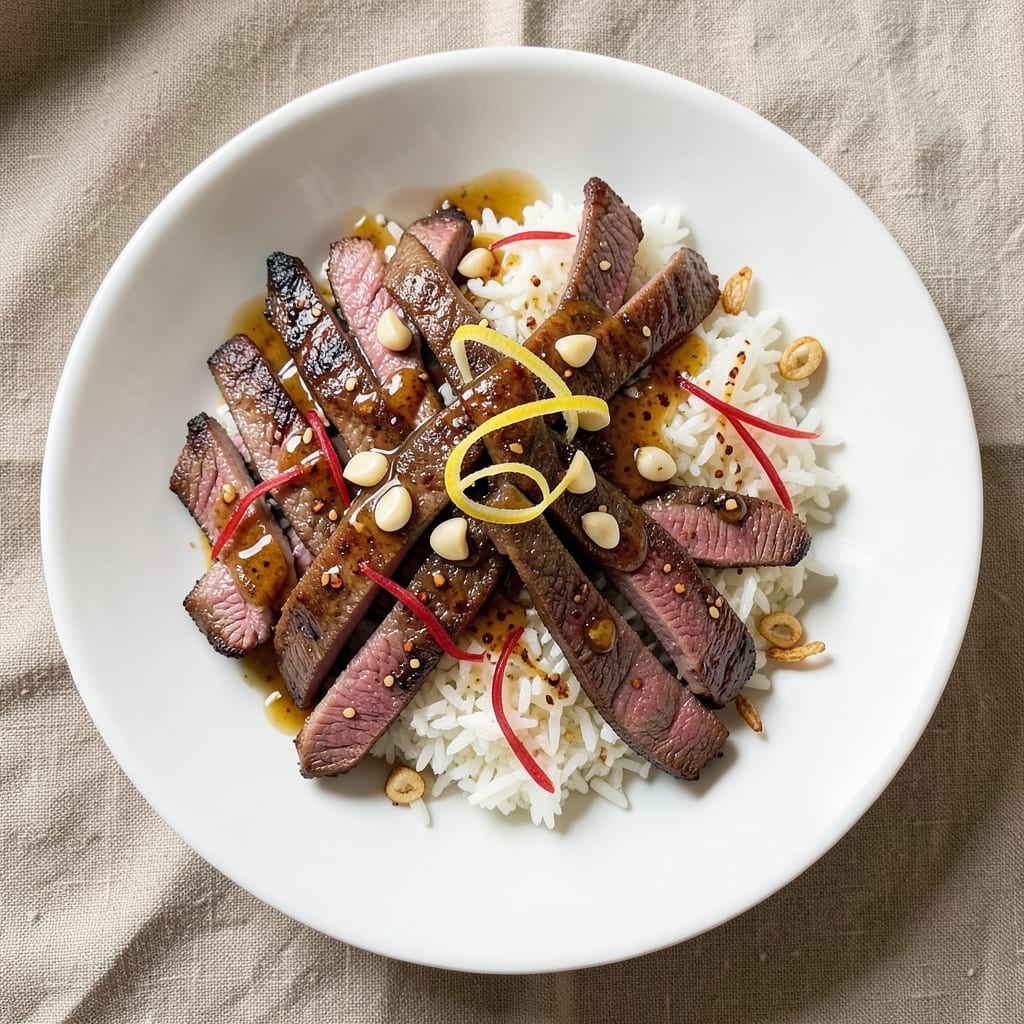
This Asian beef tips and rice recipe delivers crispy, wok-fried bites that pair perfectly with fragrant jasmine rice—a dish that balances bold flavors and simplicity. The secret lies in marinating thinly sliced beef tips in a blend of soy sauce, garlic, and ginger, then searing them quickly over high heat to achieve that signature caramelized crust. I’ve refined this technique over years of testing, ensuring the beef stays tender inside while developing a rich, savory crust that holds up to every bite.
What sets this recipe apart is the harmony of textures and flavors: crispy beef tips, chewy jasmine rice, and a light soy-ginger sauce that ties everything together. The marinade infuses the beef with deep umami notes, while the wok-frying method ensures a smoky aroma that fills your kitchen. Unlike heavy stir-fry sauces, this version keeps the dish light yet satisfying, making it ideal for both weeknight dinners and special occasions.
The result is a restaurant-quality meal that’s surprisingly easy to recreate at home. With just 15 minutes of active prep and 10 minutes of cooking, you’ll have a dish that’s as impressive as it is delicious. The beef tips turn golden and caramelized, while the rice absorbs the subtle flavors of the marinade, creating a cohesive bite with every spoonful.
Serve this dish with steamed jasmine rice and a sprinkle of toasted sesame seeds for added texture. For extra freshness, garnish with sliced green onions or a drizzle of chili oil to balance the richness. This recipe is designed to be adaptable—swap in bell peppers or snap peas for added crunch, or adjust the sauce to your preferred level of spice.
Ingredients for asian beef tips and rice
Thinly sliced beef and aromatic jasmine rice create a restaurant-style dish with crispy edges and fragrant flavors.
| Ingredient | Amount | Notes |
|---|---|---|
| Flank Steak 🥩 | 1 lb | Thinly sliced against grain |
| Jasmine Rice 🍚 | 1 cup | Uncooked, long-grain |
| Low-Sodium Soy Sauce 🍶 | ½ cup | Kikkoman preferred |
| Garlic Cloves 🧄 | 6 cloves | Minced finely |
| Fresh Ginger 🌿 | 2 tbsp | Grated, peeled |
| Sesame Oil 🫒 | 1 tbsp | Toasted, for aroma |
| Neutral Oil 🫒 | 2 tbsp | Vegetable or canola |
| Brown Sugar 🍯 | 1 tbsp | Light or dark |
| Cornstarch 🌾 | 1 tbsp | For crispy coating |
| Green Onions 🧅 | 3 whole | Sliced, for garnish |
| Sesame Seeds 🌰 | 1 tbsp | Toasted, for garnish |
| Salt 🧂 | 1 tsp | Kosher or sea salt |
| Black Pepper 🌶️ | ½ tsp | Freshly ground |
| Water 💧 | 1 ½ cups | For rice cooking |
| Chili Oil 🌶️ | 1 tbsp | Optional, for heat |
The flank steak is non-negotiable here—its lean texture stays tender when sliced thinly against the grain. Ask your butcher to slice it if you're not confident doing it yourself, or freeze it for 30 minutes first to make slicing easier. For soy sauce, Kikkoman is my go-to—it's widely available and delivers consistent flavor. Fresh ginger is ideal, but if you're using powdered, reduce to 1 teaspoon since it's less potent. The garlic should be minced finely—no visible chunks. I always grab a head of garlic at Whole Foods because their bulbs are consistently fresh and plump.
No sesame oil? Toasted peanut oil works in a pinch, though it'll have a different flavor profile. The cornstarch is crucial for that signature crispy crust—don't skip it. For the rice, jasmine rice is essential—it's stickier than basmati, which helps it absorb the marinade flavors better. If you're short on time, microwaveable jasmine rice is a lifesaver, though it won't be quite as fragrant. The brown sugar adds depth to the marinade, but white sugar works too if that's what you have. For extra umami, add 1 teaspoon of fish sauce to the marinade, though it's optional.
Marinated beef keeps well for 24 hours in the fridge—make extra for leftovers. The cooked rice reheats beautifully, but add a splash of water when microwaving to prevent drying. Store leftovers in airtight containers for 3-4 days. For best texture, refrigerate the beef tips separately from the rice. When reheating, sear them again in a hot pan for 30 seconds to restore that crispy crust. Garnish with toasted sesame seeds and green onions right before serving—they add freshness and visual appeal that disappears when stored.
Why You'll Love This Recipe
- One-Pan Magic: I swear by this for nights when I can’t be bothered with multiple dishes. Slice the flank steak thin, toss it in the same pan with garlic and ginger while the rice simmers nearby—no extra pots, no extra stress. That soy sauce caramelizes into a glossy sauce that coats everything, and suddenly, dinner feels like a win.
- Umami Bomb: The moment the beef hits the pan with garlic and fresh ginger? My kitchen smells like a tiny Asian bistro. Low-sodium soy sauce keeps it savory without overpowering, while the jasmine rice soaks up the flavor like a sponge. It’s the kind of dish where the first bite makes you go, “Why don’t I make this more often?”
- Lunchbox Hero: Between us, this is my go-to for meal prep. Cook a big batch of rice, slice the steak into bite-sized pieces, and reheat portions all week—whether it’s for a quick work lunch or packing for the kids’ school lunches. The beef stays tender, the rice doesn’t turn to mush, and honestly? It’s the only thing that keeps me from ordering takeout by Wednesday.
- Budget-Friendly Feast: Flank steak stretches farther than you’d think when sliced thin, and jasmine rice fills everyone up without breaking the bank. I’ll be real: this recipe saved my grocery budget last month. Plus, the leftovers taste just as good cold the next day—perfect for throwing into wraps or salads when you’re too tired to cook.
Step-by-step instructions for wok-fried beef tips
A perfect balance of crispy beef and fragrant jasmine rice awaits with these straightforward instructions.
Prepare the Beef for Maximum Crispiness
Slice the 1 lb flank steak thinly against the grain into ¼-inch thick strips. This ensures tender bites that cook quickly and evenly. Place the sliced beef in a bowl and add the 1 tbsp cornstarch, 1 tbsp brown sugar, 1 tsp salt, and ½ tsp black pepper. Toss gently but thoroughly to coat each piece evenly. The cornstarch creates a crispy exterior while the sugar adds subtle caramelization.
Let the marinated beef rest for 15 minutes at room temperature. This allows the cornstarch to adhere properly and prevents the beef from releasing too much moisture when it hits the hot wok. I always use a wire whisk for this step—it distributes the coating more evenly than my hands.
Cook the Jasmine Rice to Perfection
Rinse the 1 cup jasmine rice under cold water until the water runs clear. This removes excess starch that would make the rice gummy. In a small pot, combine the rinsed rice with 1.5 cups water and bring to a boil over high heat. Once boiling, reduce to low heat, cover tightly, and simmer for 15 minutes without lifting the lid.
After 15 minutes, turn off the heat and let the rice steam undisturbed for another 10 minutes. The residual heat finishes cooking the rice perfectly. Fluff with a fork before serving—this separates the grains and prevents them from sticking together. The rice should be tender with a slight bite, not mushy.
Build the Flavorful Sauce Base
Heat 2 tbsp neutral oil in a wok or large skillet over medium-high heat until shimmering. Add the 6 cloves minced garlic and 2 tbsp grated ginger, cooking for 30 seconds until fragrant but not browned. Immediately add the ½ cup low-sodium soy sauce and stir constantly for 1 minute to deglaze the pan.
Reduce the heat to medium-low and add 1 tbsp toasted sesame oil. This step adds depth of flavor and that authentic Asian aroma. Let the sauce simmer gently for 2 minutes until slightly thickened. The sauce should coat the back of a spoon but still be pourable. This is your flavor foundation—don't rush it.
Wok-Fry the Beef to Crispy Perfection
Increase heat to high and add the marinated beef in a single layer. Let it sear undisturbed for 1 minute until the edges turn golden brown. This initial sear creates that coveted crispy texture. Stir gently and continue cooking for another 2-3 minutes until the beef is cooked through and no longer pink in the center.
The beef should be tender when pierced with a fork but still hold its shape. Remove from heat and transfer to a plate. If you notice any excess sauce in the wok, reduce it by simmering for 30 seconds to achieve the perfect consistency. The beef will continue cooking slightly from residual heat.
Assemble and Garnish for Presentation
Return the cooked beef to the wok and pour the sauce over it, tossing gently to coat. Divide the jasmine rice among serving plates and top each portion with the beef. Drizzle with 1 tbsp chili oil if using, then sprinkle with 1 tbsp toasted sesame seeds and 3 sliced green onions. The chili oil adds heat while the sesame seeds contribute nutty crunch.
Serve immediately while the beef is still crispy and the rice is warm. Each bite should deliver tender beef with a crisp exterior, aromatic sauce, and fragrant jasmine rice. The combination of textures and flavors makes this dish truly satisfying. Don't forget to taste as you go—adjust seasoning if needed with a splash more soy sauce or a pinch of salt.
Pro Tips For Making Asian Beef Tips And Rice
- Slice Against the Grain: The flank steak’s stubborn fibers will fight you if you don’t cut it properly. Angle the knife diagonally (about 45 degrees) and slice thin—no thicker than a quarter-inch—so every bite melts instead of chews. I learned this the hard way after serving up tough, stringy strips that looked pretty but tasted like shoe leather.
- Crisp First, Sauce Later: High heat is your friend here—sear the beef tips until they’re deep golden (about 2-3 minutes per side) before touching them with soy sauce. If you add sauce too early, you’ll steam the meat instead of building that crisp crust. My grandmother swore by this, and she was right: the contrast of crispy edges and tender centers makes all the difference.
- Ginger-Garlic Paste, Not Minced: Skip the pre-minced jarred ginger and garlic—it’s waterlogged and dull. Grate the ginger finely (no need to peel) and mince the garlic super thin (almost paste-like), then let it sit in the pan for 30 seconds until fragrant. This releases the oils and flavors way better than tossing in whole cloves or chunks. (Yes, even if you’re impatient like me.)
- Rice Ready First: Start the jasmine rice before you even think about searing the beef—it takes longer than you’d guess, and nothing kills the vibe like dry, undercooked rice while your beef sits waiting. Use a 1:1.25 rice-to-water ratio and let it steam uncovered for the last 5 minutes to fluff it up. Trust me, your future self will thank you when the rice is done just as the beef hits the table.
Wine and beer pairings for this asian beef tips and rice
Light Asian Beers
For this dish, I recommend crisp, light Asian beers that won’t overpower the delicate flavors of the beef and rice. A Japanese Sapporo or Asahi Super Dry provides a clean, slightly sweet profile that complements the soy and sesame notes without competing. The subtle carbonation also helps cut through the richness of the beef. Serve these chilled to enhance their refreshing qualities—around 40°F is ideal. 🍺
Rice Wine Pairings
If you prefer wine, opt for a dry Chinese Shaoxing wine (also called huangjiu) or a Japanese sake like Dassai Junmai. These wines have nutty, slightly sweet undertones that harmonize beautifully with the caramelized beef and ginger in the sauce. Pour at 50°F to preserve their delicate aromas. A splash of Shaoxing wine in the cooking process also adds depth, but if you’re saving it for pairing, keep it separate.
Light-Bodied Whites
For those who enjoy white wine, a dry Riesling from Germany or a Pinot Grigio from Italy works wonders. The acidity in these wines cleanses your palate between bites of the rich beef, while their citrus notes echo the ginger in the marinade. I like Dr. Loosen Blue Slate Riesling—it’s crisp and just tart enough to balance the dish’s savory elements. Serve slightly chilled at 45°F for optimal flavor.
Spicy Pairing Options
If you’re adding chili oil or spicy garnishes, consider a Szechuan-style beer like Snow City Beer’s Szechuan Spicy Beer or a Thai Singha. These beers have a subtle heat that mirrors the dish’s spice level without overwhelming it. For wine lovers, a dry Gewürztraminer with its lychee and floral notes can stand up to the heat while adding complexity. 🌶️
Non-Alcoholic Choices
Don’t overlook non-alcoholic options! A Japanese barley tea like Calpis or a ginger beer from BrewDog adds refreshing contrast. For something more traditional, try a jasmine tea with a hint of honey—its floral notes complement the rice and beef beautifully. Serve the tea hot or iced, depending on your preference.
Nutrition facts
Frequently asked questions
Can I use a different cut of beef instead of flank steak?
Yes, but choose cuts with similar texture and fat content. Sirloin or ribeye work well when sliced thinly against the grain. Avoid fatty cuts like ribeye—too much fat will make the beef greasy rather than crispy. For leaner options, top round works but may need a slightly longer marinade (30 minutes) to prevent dryness.
How do I prevent the beef from becoming chewy?
Slicing against the grain is critical—this shortens the muscle fibers for tender bites. Also, don't overcook! The beef should reach 145°F internally (medium-rare) and stay on high heat for only 2-3 minutes total. If using a meat thermometer, pull it out just as it hits temperature. Resting for 2 minutes after cooking also helps redistribute juices.
Can I make this recipe with frozen beef?
but thaw it properly first. Place frozen beef tips in the fridge for 12-24 hours before cooking. For a quicker method, submerge the sealed package in cold water for 1 hour, changing the water every 20 minutes. Never thaw at room temperature—it promotes bacterial growth. The cornstarch coating will still work, but pat the beef dry thoroughly before marinating to ensure maximum crispiness.
What can I do if the sauce is too salty?
If the sauce tastes too salty, balance it by adding 1 teaspoon of sugar or ½ teaspoon of cornstarch mixed with 1 tablespoon water to thicken it slightly. For a more dramatic fix, stir in 1 teaspoon of rice vinegar or ½ teaspoon of baking soda (the latter neutralizes saltiness instantly but use sparingly). Taste as you go—small adjustments make all the difference!
Can I make this dish ahead of time?
Yes! Cook the beef tips and rice separately, then refrigerate in airtight containers for up to 3 days. Reheat the beef in a hot pan for 30 seconds to restore crispiness, and microwave the rice with 1 tablespoon water to prevent drying. For best texture, store components separately—reheating the beef with rice can make it soggy. Garnish fresh after reheating for maximum flavor.