
Main Courses
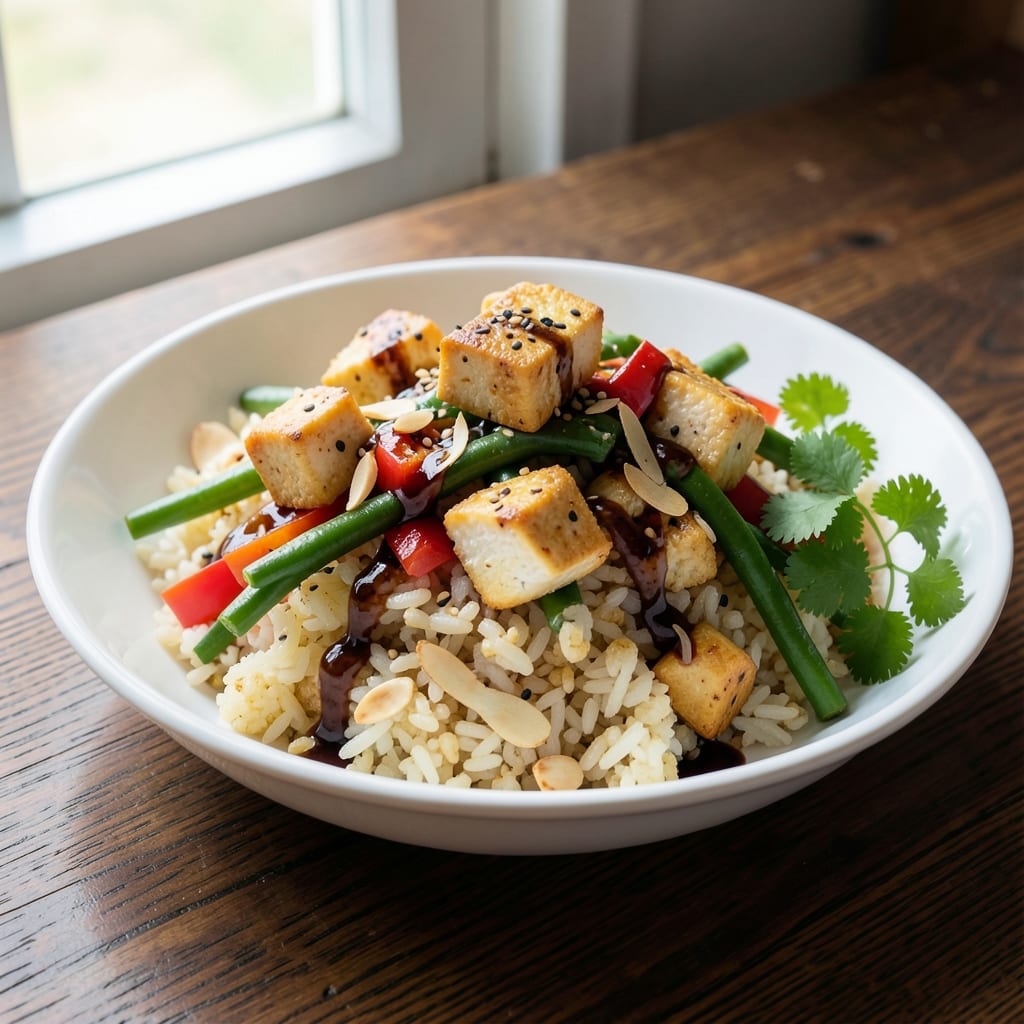
This Asian cauliflower fried rice recipe delivers all the bold flavors of takeout—crispy edges, silky cauliflower bites, and that signature wok-fried aroma—without a single grain of rice. The secret lies in high-heat stir-frying and a perfect balance of soy, garlic, and sesame, transforming simple ingredients into a restaurant-quality dish that's both low-carb and plant-based. I developed this after craving takeout but wanting something lighter that still packed serious flavor.
The magic happens in the stir-fry technique: quick-cooking cauliflower rice gets tossed with aromatics until crispy at the edges, while the sauce caramelizes just enough to coat every bite. We're talking umami-rich soy-ginger sauce with a hint of sweetness from a touch of honey (or maple syrup for vegan), all tied together with toasted sesame oil. The result? A dish that's crispy, savory, and satisfying—perfect for meal prep or a quick weeknight dinner.
What makes this recipe stand out is how it captures takeout-level texture without the heaviness. The cauliflower rice achieves that perfect crispy-tender balance when stir-fried properly, while the sauce delivers layers of flavor in every bite. Serve it with a sprinkle of green onions and sesame seeds for freshness, or add a fried egg on top for extra richness. This is the kind of dish that disappears faster than you can say "takeout night."
Best of all, it's incredibly versatile—swap in your favorite veggies, adjust the heat level, or make it completely vegan with simple substitutions. The technique works just as well for a crowd as it does for a solo serving. Let's get cooking!
Ingredients for asian cauliflower fried rice
Pantry staples meet wok-fried magic—crispy cauliflower rice with bold umami flavors that taste like takeout.
| Ingredient | Amount | Notes |
|---|---|---|
| Fresh Cauliflower Rice 🥬 | 4 cups | Freshly grated or pre-riced (no frozen) |
| Extra-Firm Tofu 🍱 | 1 lb | Pressed and cubed for texture |
| Low-Sodium Soy Sauce 🍶 | ⅓ cup | Kikkoman or San-J brand preferred |
| Sesame Oil 🫒 | 1 ½ tbsp | Toasted for authentic aroma |
| Fresh Ginger 🌿 | 1 ½ tbsp | Finely grated, not powdered |
| Garlic Cloves 🧄 | 6 cloves | Minced, not pre-minced jarred |
| Green Onions 🧅 | ¼ cup | Sliced, white and green parts |
| Toasted Sesame Seeds 🌾 | 1 ½ tbsp | For garnish and crunch |
| Maple Syrup 🍯 | 1 tbsp | Vegan substitute for honey |
| Vegetable Oil 🫒 | ½ cup | High smoke point for stir-frying |
| Red Pepper Flakes 🌶️ | ½ tsp | Adjust for heat preference |
| Black Pepper 🌶️ | ½ tsp | Freshly cracked for depth |
| Sea Salt 🧂 | 1 tsp | Diamond Crystal preferred |
| Lime Juice 🍋 | 1 tbsp | Freshly squeezed for brightness |
The cauliflower rice is the star, so freshly grated or pre-riced makes all the difference—no frozen lumps here. For tofu, extra-firm and pressed (wrap in a towel, place a heavy pan on top for 15 minutes) gives that satisfying chew. Soy sauce matters: Kikkoman or San-J have that perfect balance of salt and umami. If you're short on time, Trader Joe's sells pre-riced cauliflower that works perfectly. The ginger and garlic? Freshly grated and minced—powdered or jarred just won't cut it for that authentic wok aroma.
No sesame oil? Toasted peanut oil works in a pinch, but you'll miss the nutty depth. Short on lime juice? Substitute lemon juice, but the acidity won't be quite the same. The maple syrup is non-negotiable for that takeout-level sweetness—no artificial sweeteners, please. For extra protein, toss in edamame or chopped mushrooms. The red pepper flakes can be omitted if you prefer mild, but trust me, a little heat balances the dish perfectly. And if you're feeling fancy, swap half the cauliflower rice for shredded cabbage—it adds crunch without overpowering.
This dish reheats beautifully—just toss with a splash of water and stir-fry again. Keeps for 4-5 days in the fridge, or freeze portions for 3 months. I always double the batch because it disappears faster than you can say "takeout night." Store the sauce separately if you want to extend freshness—just mix it back in when reheating. For meal prep, portion into containers with a sprinkle of sesame seeds on top—they stay crispy for days.
Why You'll Love This Recipe
- I swear by this trick: grab pre-riced cauliflower from the store, toss it straight into the pan with cold tofu cubes and ginger—no chopping, no pre-cooking. The tofu soaks up the sesame oil while the cauliflower gets that perfect wok-fried crunch in minutes. (Between us, I’ve burned rice before. This never fails.)
- One Bag, Done: I swear by this trick: grab pre-riced cauliflower from the store, toss it straight into the pan with cold tofu cubes and ginger—no chopping, no pre-cooking. The tofu soaks up the sesame oil while the cauliflower gets that perfect wok-fried crunch in minutes. (Between us, I’ve burned rice before. This never fails.)
- Umami Bomb: That first hit of soy sauce and ginger? Instant flavor. The tofu adds a satisfying chew, while the cauliflower soaks up the sesame oil like a sponge—nutty, toasty, and just salty enough. Honestly, it’s the kind of dish where you’ll pause mid-bite to appreciate how simple yet ridiculously good it tastes.
- Lunchbox Hero: Pack this cold or reheat it—it’s my go-to for lunches that don’t taste like leftovers. The texture holds up surprisingly well, and the ginger’s bright kick cuts through any day-old blandness. I’ll be real: my kids used to complain about “healthy” lunches. Now they ask for seconds.
Step-by-step instructions for Asian cauliflower fried rice
Here's how to transform simple ingredients into restaurant-quality fried rice with perfect texture and bold flavors.
Press and Cube the Extra-Firm Tofu
Start by pressing the 1 pound extra-firm tofu to remove excess moisture. Wrap it tightly in a clean kitchen towel or paper towels, then place a heavy object like a cast-iron skillet on top for 15-20 minutes. This step is crucial for achieving crispy tofu cubes later.
Once pressed, unwrap the tofu and cut it into ½-inch cubes using a sharp knife. I like to use a mandoline for even-sized pieces, but a chef's knife works perfectly if you take your time. Arrange the cubes on a paper towel-lined plate to catch any remaining moisture before cooking.
Sear the Tofu for Maximum Crispiness
Heat ½ cup vegetable oil in a large skillet over medium-high heat until shimmering but not smoking. Add the tofu cubes in a single layer, being careful not to overcrowd the pan. Cook undisturbed for 3-4 minutes until the bottoms develop a deep golden brown crust. Flip carefully and cook another 3-4 minutes until evenly browned.
Transfer the crispy tofu to a paper towel-lined plate to drain excess oil. The residual oil will keep the tofu crispy during the stir-fry, but we want to minimize excess grease in the final dish. Keep the tofu warm while you prepare the remaining ingredients.
Build the Flavor Base with Aromatics
In the same skillet (no need to wipe it clean), reduce heat to medium and add ½ cup vegetable oil if needed. Add 6 minced garlic cloves and 1.5 tablespoons finely grated fresh ginger, cooking for 30-45 seconds until fragrant and just starting to turn golden. This is where the magic happens—don't let the ginger burn.
Next, add 1 tablespoon maple syrup and 0.33 cup low-sodium soy sauce, stirring constantly for 1 minute until the mixture begins to bubble. The maple syrup adds a subtle sweetness that balances the savory soy sauce perfectly. This flavor base will infuse every bite of your fried rice.
Stir-Fry the Cauliflower Rice to Crispy Perfection
Increase heat to high and add the 4 cups fresh cauliflower rice, spreading it evenly in the pan. Stir-fry vigorously for 4-5 minutes until the edges begin to crisp and turn golden brown. The cauliflower should develop a satisfying crunch while maintaining its tender interior—this is the texture we're aiming for.
Here's the thing—don't walk away. Constant stirring prevents burning and ensures even cooking. You'll know it's ready when the rice releases easily from the pan and has developed a beautiful caramelized color. If it sticks, add 1-2 tablespoons water to help release it.
Combine and Finish with Fresh Herbs
Return the crispy tofu to the skillet and toss everything together for 1-2 minutes until well combined and heated through. The residual heat will finish cooking the cauliflower while distributing the flavorful sauce evenly.
Remove from heat and stir in 0.25 cup sliced green onions, 1.5 tablespoons toasted sesame seeds, 0.5 teaspoon red pepper flakes, 0.5 teaspoon black pepper, 1 teaspoon sea salt, and 1 tablespoon fresh lime juice. The lime juice brightens all the flavors while the sesame seeds add a delightful crunch. Taste and adjust seasoning if needed—this is your opportunity to perfect the balance of flavors.
Serve Immediately for Maximum Crispiness
Transfer the fried rice to serving plates right away. The texture will start to soften as it cools, so serving immediately ensures that crispy edge we worked so hard to achieve. Garnish with additional sesame seeds if desired, and serve with extra lime wedges on the side for those who want more brightness.
This dish is best enjoyed immediately while the cauliflower rice maintains its perfect texture contrast—crispy edges with tender centers, complemented by the silky tofu and vibrant aromatics. The combination of textures and flavors makes this a satisfying meal that rivals traditional fried rice while being completely plant-based.
Pro Tips For Making Asian Cauliflower Fried Rice
- STIR-FRY IN BATCHES: Fresh cauliflower rice turns to mush when crowded—work in 1-cup portions over medium-high heat, stirring constantly for 2-3 minutes per batch until just tender. I learned this the hard way after trying to cook it all at once and ending up with sad, limp rice.
- PRESS TOUCH-DRY TOFU: Skip the paper towels: after pressing extra-firm tofu, wrap it in a clean kitchen towel and set a heavy pan on top for 10 minutes. This removes more water than hand-squeezing ever will, so your tofu sears properly instead of steaming in its own juices.
- SALT THE CAULIFLOWER: Toss the raw cauliflower rice with ½ teaspoon salt right after grating—let it sit for 5 minutes before cooking. This draws out excess moisture so it crisps up instead of sticking together like wet glue.
- GINGER ISN’T JUST FLAVOR: Use a microplane to zest 1 teaspoon of fresh ginger into the oil before adding aromatics—this infuses the dish with bright, aromatic depth without needing extra slices. (Yes, even if you’re impatient like me, it makes a real difference.)
Serving suggestions for this dish
Garnish Like a Pro
Fresh green onions and toasted sesame seeds are non-negotiable for that restaurant-quality finish. I like to slice the green onions at an angle for extra visual appeal, then sprinkle them right before serving. For an extra crunch, toast your sesame seeds in a dry skillet over medium heat for 1-2 minutes until fragrant—this adds depth to every bite. 🌿
Sauce Variations
Want to switch up the flavor profile? Swap the soy-lime base for a peanut sauce by mixing 2 tbsp peanut butter, 1 tbsp soy sauce, and 1 tsp sriracha. For a spicy kick, stir in 1 tbsp chili garlic sauce or a dash of gochujang. The maple syrup can also be replaced with agave nectar for a neutral sweetness.
Protein Swaps
Need to change up the protein? Swap the tofu for crispy chickpeas (toss canned chickpeas with oil and bake until crunchy) or shrimp for a seafood twist. For extra heartiness, add ½ cup edamame or shredded rotisserie chicken. The key is to keep the protein crispy—this maintains that satisfying texture contrast.
Side Dish Pairings
Serve with steamed bok choy or quick-pickled cucumbers to balance the richness. A simple miso soup or egg drop soup makes for a complete meal. For a refreshing contrast, add a side of cold soba noodles with a sesame dressing. The crispness of the fried rice pairs beautifully with cool, creamy textures.
Meal Prep Tips
Store components separately for best texture: keep the cauliflower rice and tofu in one container, and the sauce in another. When reheating, stir-fry for 2-3 minutes with 1 tbsp water to restore crispiness. For extra flavor, add a splash of sesame oil when reheating. Portion into glass containers with tight lids to maintain freshness for 4-5 days.
Presentation Ideas
For a visually stunning dish, serve in a wide, shallow bowl to showcase the colors and textures. Add a drizzle of chili oil or sriracha mayo for extra flair. Garnish with cilantro leaves or crushed peanuts for added crunch and visual interest. The contrast of colors makes this dish as beautiful as it is delicious. ✨
Nutrition facts
Frequently asked questions
Can I use frozen cauliflower rice instead of fresh?
Fresh cauliflower rice is ideal for that perfect crispy texture, but you can use frozen if needed. Just thaw it completely first and pat it very dry with a paper towel to remove excess moisture. The texture won't be quite as crispy, but it will still be delicious. For best results, spread the thawed rice on a baking sheet and let it air-dry for 5 minutes before stir-frying.
How do I make this recipe spicier?
For extra heat, add 1-2 teaspoons of sriracha or chili garlic sauce to the sauce base. You can also increase the red pepper flakes to 1 teaspoon or stir in ½ teaspoon of cayenne pepper. For a smoky kick, add ½ teaspoon of smoked paprika. Always taste as you go—you can adjust the heat level to your preference.
What's the best way to store leftovers?
Store leftovers in an airtight container in the fridge for up to 4-5 days. To maintain crispiness, reheat in a skillet over medium-high heat with 1 tablespoon water for 2-3 minutes, stirring constantly. For longer storage, freeze portions for up to 3 months. Thaw overnight in the fridge before reheating.
Can I make this dish gluten-free?
Yes! Simply replace the soy sauce with tamari or coconut aminos (both are gluten-free). These alternatives provide the same umami flavor without the gluten. Check that your other ingredients like sesame oil and sesame seeds are certified gluten-free if you have sensitivities. The rest of the recipe remains the same.
Why did my cauliflower rice turn mushy?
Mushy cauliflower rice usually happens from overcrowding the pan or not cooking it at high enough heat.