
Main Courses
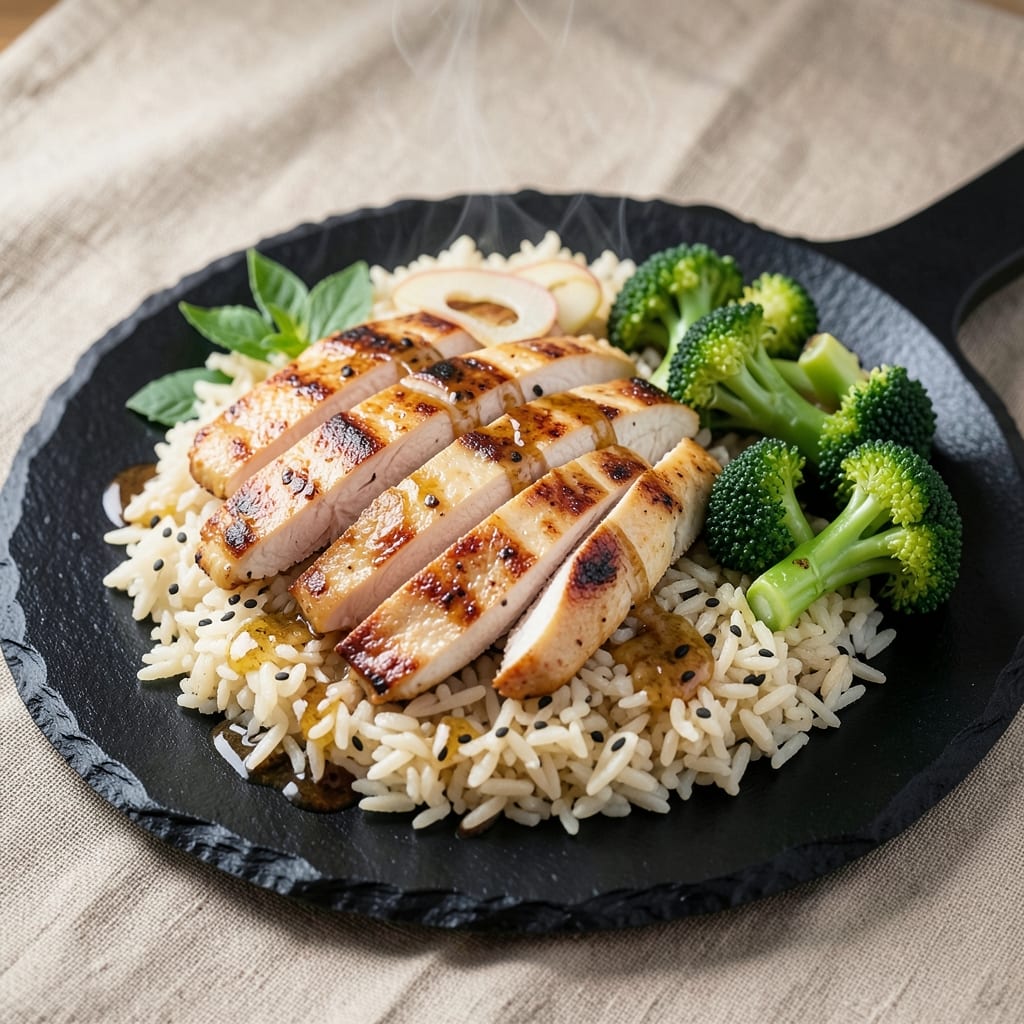
This Asian chicken broccoli rice recipe delivers the perfect harmony of textures and flavors in every bite—crisp-tender chicken, vibrant broccoli, and fragrant rice all wok-tossed to perfection. 🔥 The secret lies in high-heat stir-frying, which creates that signature wok hei aroma while keeping ingredients crisp. I've refined this recipe over years of testing, balancing sweet, salty, and umami notes for a dish that's both restaurant-worthy and easy to replicate at home.
The process starts with marinated chicken that develops deep savory flavors, followed by quick-cooked broccoli that stays bright and crunchy. We'll use a simple soy-garlic-ginger base that builds layers of complexity without overpowering the natural taste of the ingredients. The rice—whether jasmine or basmati—absorbs the aromatic sauce beautifully, creating a cohesive one-bowl meal that's satisfying and nutritious.
What you'll end up with is a vibrant, flavorful dish where each component plays its part: tender chicken pieces with crisp edges, bright green broccoli florets, and fragrant rice all coated in a glossy, savory sauce. The high-heat cooking method ensures maximum flavor extraction while maintaining perfect textures, making this recipe ideal for weeknight dinners or meal prep.
This version scales effortlessly for families or gatherings, and the technique translates well to other proteins like shrimp or tofu. Let's create a restaurant-quality Asian chicken broccoli rice dish that's simple enough for any home cook to master.
Ingredients for asian chicken broccoli rice
Fourteen ingredients transform into a restaurant-quality Asian chicken broccoli rice dish.
| Ingredient | Amount | Notes |
|---|---|---|
| Boneless Skinless Chicken Breast 🍗 | 1 ½ lb | Cut into 1-inch bite-sized pieces |
| Fresh Broccoli Florets 🥦 | 6 cups | Cut into bite-sized florets |
| Jasmine Rice 🍚 | 1 ½ cups | Uncooked, long-grain preferred |
| Low-Sodium Soy Sauce 🥢 | ½ cup | Kikkoman preferred for balance |
| Sesame Oil 🫒 | 1 tbsp | Toasted sesame oil for aroma |
| Fresh Ginger Root 🌿 | 2 tbsp | Finely grated, aromatic |
| Garlic Cloves 🧄 | 6 cloves | Minced, for depth of flavor |
| Honey 🍯 | 2 tbsp | For subtle sweetness balance |
| Vegetable Oil 🫒 | 3 tbsp | High smoke point for wok-hei |
| Green Onions 🧅 | ¼ cup | Sliced, for fresh garnish |
| Toasted Sesame Seeds 🌾 | 1 tbsp | For crunchy texture contrast |
| Diamond Crystal Kosher Salt 🧂 | 1 tsp | For seasoning balance |
| Ground Black Pepper 🌶️ | ½ tsp | Freshly ground for heat |
| Rice Vinegar 🍶 | 1 tbsp | For brightness and acidity |
The chicken breast is critical here—look for uniform pieces at the butcher counter or pre-cut packages for convenience. Costco or Whole Foods carry excellent quality, or use the grocery store's pre-cut section for speed. Broccoli should be bright green and firm, with tight florets that snap when broken. The jasmine rice is non-negotiable for this recipe—its floral aroma pairs perfectly with the savory sauce. For the soy sauce, Kikkoman low-sodium is my go-to, but any high-quality brand works. Fresh ginger and garlic are essential for that authentic wok-hei aroma, so don't substitute with powders here.
No sesame oil? Toasted peanut oil works in a pinch, though the flavor profile shifts slightly. The honey can be swapped for maple syrup or agave if you prefer a vegan option. For the rice vinegar, rice wine vinegar is the direct substitute. If you're using pre-cut broccoli, look for fresh, not frozen—it should hold its crunch better. The green onions can be subbed with scallions or chives if needed. For extra umami depth, add 1 tsp fish sauce (ensure it's gluten-free if needed) to the sauce mixture, but omit if following strict vegetarian preferences.
Prep the chicken and broccoli first—they cook fastest. Store any unused chicken in an airtight container for 3-4 days in the fridge, or freeze for 3 months. The sauce ingredients keep well at room temperature except for the rice vinegar, which should stay refrigerated. For meal prep, cook the rice and chicken separately, then combine with the sauce just before serving to maintain texture. The dish reheats beautifully—just add a splash of water to the rice and stir over medium heat for 2-3 minutes until everything is warmed through.
Why You'll Love This Recipe
- One-Pan Magic: I swear by this trick—just toss everything on a sheet pan, pop it in the oven, and walk away. The chicken stays juicy while the broccoli gets that perfect char, and the rice absorbs all the sesame oil goodness without a single pot to scrub.
- Umami Bomb: That low-sodium soy sauce? It’s the secret weapon here. A splash of it on the chicken while it marinates for even 10 minutes turns bland breast meat into something dangerously flavorful—salty, savory, and just a little addictive.
- Lunchbox Hero: Between us, this is my go-to for meal prep. Cook a big batch of rice, portion the chicken and broccoli into containers, and you’ve got a balanced, protein-packed lunch that’ll keep you full until dinner. (Yes, even on a Tuesday.)
- Budget Win: Chicken breast and broccoli are cheap staples, and jasmine rice lasts forever. A single batch feeds four for under $10, and leftovers reheat like a dream—no soggy rice here, just crispy edges and tender chicken every time.
Step-by-step instructions for Asian chicken broccoli rice
Master this wok-tossed dish with perfectly balanced textures and bold Asian flavors.
🍳 Step 1: Cook the Jasmine Rice to Fluffy Perfection
Rinse the 1.5 cups jasmine rice under cold water until the water runs clear, then drain in a fine-mesh strainer. Transfer to a pot with 2 cups water and ½ teaspoon diamond crystal kosher salt. Bring to a boil, then reduce heat to low, cover, and simmer for 15 minutes without lifting the lid. Turn off heat and let it steam for 10 minutes—this resting period develops the signature jasmine aroma.
Fluff the rice gently with a fork and keep it covered until ready to serve. The rice should be light and separate with no sticky clumps. If you notice any moisture remaining, uncover and let it sit for 2-3 minutes to evaporate—this prevents a soggy final dish. Real talk: undercooked rice ruins the whole plate, so resist the urge to peek during cooking.
🔥 Step 2: Sear the Chicken in High Heat for Maximum Wok-Hei
Heat 2 tablespoons vegetable oil in a wok or large skillet over high heat until shimmering. Add the 1.5 lb boneless skinless chicken breast cut into 1-inch pieces in a single layer. Let them sear undisturbed for 2-3 minutes until golden brown on one side—this creates that coveted wok-hei flavor. Flip and cook another 2-3 minutes until the chicken reaches 165°F internally.
Remove the chicken and set aside. If the oil starts smoking excessively, reduce heat slightly—you want flavor, not burnt aromatics. The chicken should be caramelized with crisp edges, not pale and raw. Here's the thing—overcrowding the pan steams instead of sears, so work in batches if needed. Transfer the cooked chicken to a plate and tent loosely with foil to keep warm.
🍳 Step 3: Stir-Fry Broccoli with Aromatic Ginger and Garlic
In the same wok, add 1 tablespoon vegetable oil and swirl to coat. Add the 6 cups broccoli florets and stir-fry for 3-4 minutes until bright green and just tender-crisp. Add the 2 tablespoons finely grated fresh ginger root and 6 cloves minced garlic cloves, stirring constantly for 30 seconds until fragrant—this is where the magic happens.
Push the broccoli to one side of the wok and add the seared chicken back in. Pour in the 0.5 cup low-sodium soy sauce, 2 tablespoons honey, and 1 tablespoon rice vinegar. Toss everything together for 1-2 minutes until the chicken is coated in the glossy glaze. The sauce should coat the back of a spoon but still allow you to see the chicken pieces clearly.
🥘 Step 4: Finish with Sesame Oil and Garnishes
Remove the wok from heat and drizzle in the 1 tablespoon sesame oil, tossing gently to distribute. The aroma should intensify immediately—this is your signal that the dish is complete. Divide the 1.5 cups cooked jasmine rice among four plates, then spoon the chicken and broccoli mixture over the top.
Garnish each serving with 1 tablespoon toasted sesame seeds and 1 tablespoon sliced green onions. The seeds add crunchy contrast to the tender chicken and crisp broccoli, while the green onions provide fresh brightness. Serve immediately while the wok-hei flavor is at its peak—this dish doesn't wait. Each bite should deliver perfect balance: crisp broccoli, tender chicken, and that addictive soy-honey glaze.
Pro Tips For Making Asian Chicken Broccoli Rice
- CUT CHICKEN IN HALF: Skinless breasts cook faster and more evenly when sliced into 1-inch thick cutlets—no more dry, rubbery centers. I used to fight with whole breasts, and they’d always turn out overcooked by the time the edges browned. Split them, and you’ll get juicy, tender chicken every time.
- BLANCH BROCCOLI FIRST: Toss florets in boiling water for 30 seconds before stir-frying—this stops the bitterness and keeps them bright green. I learned this after serving broccoli that looked sad and tasted like cardboard. Works even if you’re not a pro.
- USE SESAME OIL LAST: Add the sesame oil only in the final 30 seconds of cooking—it burns fast and turns bitter if you’re not careful. A splash at the end gives that nutty aroma without sacrificing flavor. (Yes, even if you’re impatient like me.)
- SALT THE RICE WATER: Add a pinch of salt to your jasmine rice cooking water—it makes the grains fluffier and prevents that bland, starchy taste. I skipped this for years, and the rice always felt underwhelming. Trust me, it’s worth the 10 seconds.
Storing and reheating this dish
Refrigerator Storage
Store your cooked Asian chicken broccoli rice in an airtight container with a tight-fitting lid for up to 4 days in the refrigerator. Let it cool completely before storing to prevent condensation, which can make the rice soggy. I always divide leftovers into single-serving portions—this makes reheating easier and keeps flavors fresh. Place parchment paper between layers if stacking containers to prevent sticking. 🥗
Freezer Prep Tips
For longer storage, freeze the dish in single-serving portions in freezer-safe containers or heavy-duty freezer bags. Lay flat to save space and label with the date—this keeps for 3 months without texture loss. Let the rice cool completely before freezing to avoid ice crystals. I recommend freezing the chicken and broccoli mixture separately from the rice, then combining them when reheating for best results. 🧊
Stovetop Reheating
My preferred method is stovetop reheating—it preserves the crisp-tender texture best. Add 2 tablespoons water or chicken broth to the container, cover, and heat over medium-low heat for 3-4 minutes. Stir occasionally until everything reaches 165°F internally. For extra flavor, add a splash of low-sodium soy sauce or a pinch of sesame oil while reheating. This method prevents drying out the rice or making the chicken rubbery. ✨
Microwave Safety
For quick reheating, use the microwave on 50% power in 1-minute intervals, stirring between each interval. Cover with a damp paper towel to retain moisture—this prevents the rice from becoming dry. Add 1 tablespoon water if the dish looks too dry after reheating. I find this works best for single servings rather than large portions. The texture won't be as crisp as stovetop, but it's still delicious and convenient. 🔥
Reviving Texture
If your reheated rice loses its fluffiness, place it in a dry skillet over low heat for 2-3 minutes, stirring constantly with a fork. This restores the light texture. For extra crispiness, broil the chicken and broccoli portion for 1-2 minutes under the broiler after reheating. A sprinkle of toasted sesame seeds or fresh green onions after reheating brings back that restaurant-quality presentation. 💫
Meal Prep Strategy
For best results, prepare components separately and combine them fresh. Cook the rice and chicken ahead, then store them in separate airtight containers. When ready to eat, reheat the chicken and broccoli mixture (as above), then mix with the rice and add fresh garnishes. This keeps the broccoli crisp and the chicken juicy. I also like to prep sauce ingredients separately—just mix them fresh before combining with the hot chicken. This approach saves time while maintaining texture. 💡
Nutrition facts
Frequently asked questions
Can I use chicken thighs instead of breasts?
Chicken thighs add richer flavor and stay juicier during high-heat cooking. Use 1.5 lbs bone-in thighs, cut into 1-inch pieces, and adjust cooking time to 4-5 minutes per side until they reach 175°F internally. The skin will crisp beautifully—just remove it before serving if preferred.
How do I keep the broccoli bright green and crisp?
High heat is key—stir-fry broccoli over high heat for just 3-4 minutes until bright green with slight resistance. Add it to the wok when the chicken is already searing, not before. Overcooking turns broccoli mushy. For extra crunch, shock cooked florets in ice water for 30 seconds before adding to the dish.
What can I substitute if I don't have jasmine rice?
Basmati rice works perfectly—use the same 1.5 cups uncooked ratio. For extra fragrance, add 1 teaspoon toasted sesame oil to the cooking water. Brown rice takes longer (30 minutes) but adds nutty depth. Avoid sticky rice varieties like sushi rice—they'll make the dish too dense.
Can I make this dish in a slow cooker?
Not ideal for texture, but possible! Cook rice separately, then combine with chicken and broccoli in the slow cooker on low for 2 hours. Add 2 tablespoons extra soy sauce and 1 tablespoon cornstarch to thicken. The broccoli will soften more—best for a comforting, less crisp version. Garnish with fresh herbs to brighten flavors.
Why does my sauce look too thin?
Sauce thinning happens when ingredients release too much moisture. Reduce heat to medium and simmer uncovered for 2-3 minutes to thicken. For instant fix, mix 1 teaspoon cornstarch with 1 tablespoon water, stir into the sauce, and cook for 30 seconds until glossy. Never add raw cornstarch directly—it clumps!