
Side Dishes
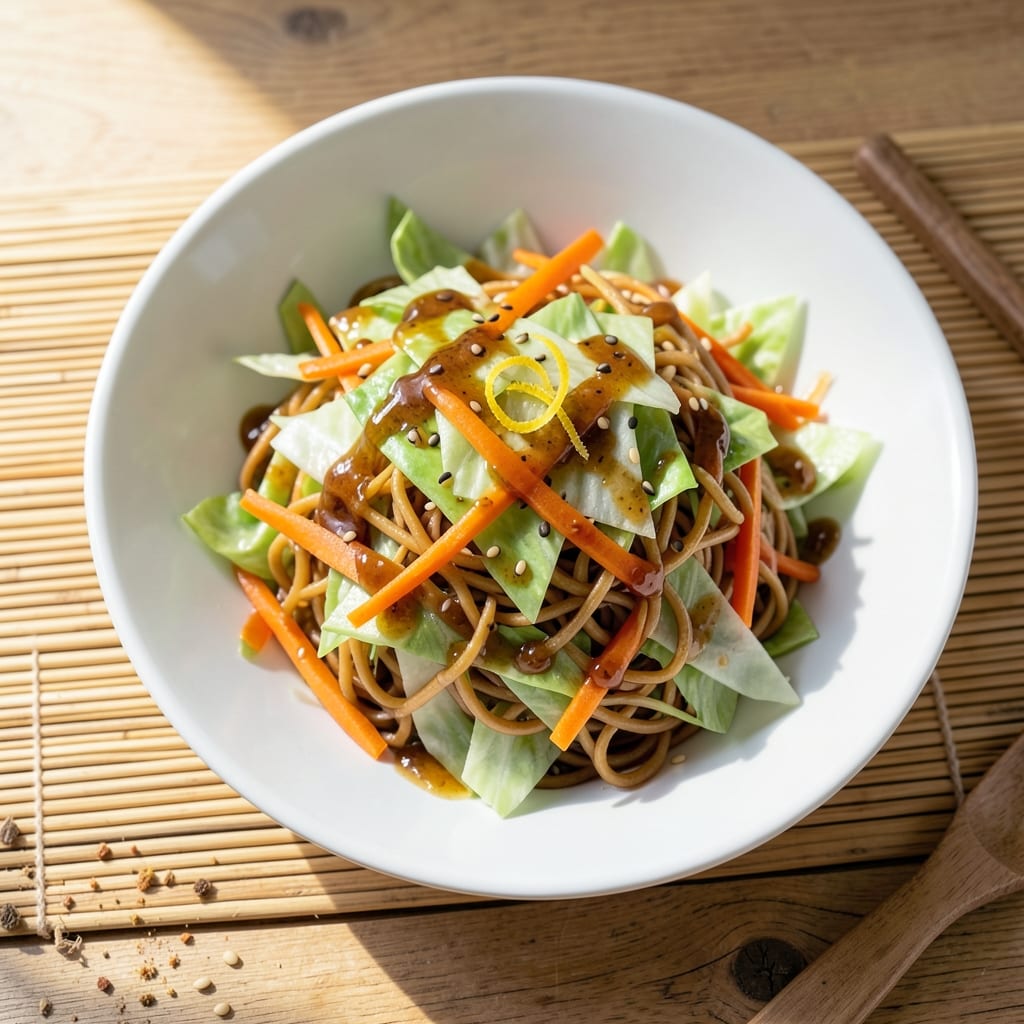
This Asian coleslaw recipe with ramen noodles and rice vinegar transforms a classic side into something bold and unexpected. The combination of crisp cabbage, chewy ramen noodles, and tangy rice vinegar creates a dish that's packed with umami flavor and satisfying texture without relying on heavy cream. I developed this recipe after craving something fresh yet deeply flavorful, and it quickly became a staple in my meal rotations.
The beauty of this dish lies in its balance—crunchy cabbage and carrots provide the freshness, while the ramen noodles add a satisfying chew and a subtle savory depth. A simple dressing of rice vinegar, sesame oil, and a touch of honey ties everything together, creating a harmonious blend of sweet, tangy, and umami notes. It’s a dish that’s easy to prepare but feels special enough for any occasion.
What you’ll end up with is a vibrant, flavorful coleslaw that’s light yet hearty, perfect for serving alongside grilled meats, roasted vegetables, or even as a standalone dish. The noodles absorb the dressing beautifully, ensuring every bite is infused with flavor, while the cabbage stays crisp for that satisfying crunch. This recipe is designed to be adaptable—add sesame seeds, chili flakes, or fresh herbs to customize it to your taste.
The best part? It comes together in just 15 minutes with minimal effort, making it ideal for weeknight dinners or meal prep. Whether you're looking to elevate a simple meal or impress guests with a unique side dish, this Asian-inspired coleslaw delivers on both flavor and texture. Let’s get started!
Ingredients for asian coleslaw recipe with ramen noodles and rice vinegar
Crisp cabbage, chewy noodles, and tangy dressing come together for this vibrant, umami-packed side.
| Ingredient | Amount | Notes |
|---|---|---|
| Green Cabbage 🥬 | 4 cups | Shredded, outer leaves removed |
| Carrots 🥕 | 2 medium | Shredded or julienned |
| Ramen Noodles 🍜 | 4 oz | Uncooked, seasoning packet removed |
| Rice Vinegar 🍶 | ⅓ cup | Unseasoned, mild flavor |
| Sesame Oil 🫒 | 1 ½ tbsp | Toasted, for aroma |
| Honey 🍯 | 1 tbsp | Light, mild variety |
| Sesame Seeds 🌾 | 1 tbsp | Toasted, for garnish |
| Garlic Cloves 🧄 | 2 cloves | Minced, for depth |
| Ginger Root 🌿 | 1 tsp | Freshly grated, for zing |
| Red Chili Flakes 🌶️ | ½ tsp | Adjust for heat preference |
| Salt 🧂 | ½ tsp | Kosher or sea salt |
| Black Pepper 🌶️ | ¼ tsp | Freshly ground preferred |
| Fresh Cilantro 🌿 | ¼ cup | Chopped, optional garnish |
The cabbage is the star here—look for firm heads with crisp leaves at the grocery store. Trader Joe's usually has the best selection, but any store with a produce section will do. If you can't find green cabbage, Napa cabbage works too—just slice it thinner. The carrots? Orange or purple varieties add visual interest, but regular works fine. I always buy organic if I can afford it—less dirt to wash off those shredded pieces. For the ramen noodles, grab the plain, unseasoned kind—the flavor packets can be too strong and overpower the delicate balance of this dish.
No rice vinegar? Apple cider vinegar or white vinegar works in a pinch, though the flavor will be slightly sharper. Running low on sesame oil? Toasted peanut oil gives a similar nutty depth. Skip the honey? Maple syrup or agave nectar are great swaps—just use the same amount. The garlic and ginger are non-negotiable for that authentic umami kick, but if you're sensitive to heat, reduce the chili flakes to a pinch or omit entirely. Fresh cilantro is optional but adds a bright finish—dried won't work here, trust me.
This keeps beautifully for 3-4 days in the fridge, though the noodles get softer over time. For best texture, store the dressing separately and toss just before serving. The sesame seeds and cilantro are best added fresh when ready to eat. If you're prepping ahead, cook the noodles al dente (1 minute less than package says), rinse in cold water, and store separately. The dressing can be made a day ahead—just stir before using. Double the batch if you're feeding a crowd; it disappears fast.
Why You'll Love This Recipe
- No-Chop Shortcuts: I swear by the pre-shredded cabbage and carrots from the store—saves me 15 minutes of knife work while keeping that perfect crunch. The ramen noodles? Just boil, rinse, and toss—no fancy techniques needed.
- Umami Magic: That rice vinegar and sesame oil combo? It’s where the real flavor happens. The noodles soak up the tangy-savory dressing like a dream, while the cabbage stays crisp—no soggy mess here.
- Lunchbox Hero: Between us, this is my go-to for packed lunches or potlucks. It holds up for days in the fridge, tastes fresh every time, and even my picky-eating coworker asks for seconds. (Yes, even on a Tuesday.)
- Pantry Staple Power: Honestly, you’re probably already making this. Cabbage, carrots, and ramen? All budget-friendly, all shelf-stable. Double the batch—it’s the perfect side for takeout nights or lazy dinners when you’re staring at an empty fridge.
Step-by-step instructions for Asian coleslaw with ramen noodles
Here's how to create a vibrant, umami-rich coleslaw that's crisp, tangy, and packed with unexpected depth.
Prepare the Vegetables for Maximum Crunch
Start by removing any wilted outer leaves from the 4 cups green cabbage and quarter it lengthwise. Then, slice it thinly across the core—about ¼-inch thick slices—using a sharp knife. You want even pieces that'll stay crisp without becoming soggy. Transfer the cabbage to a large mixing bowl as you work.
Next, peel and shred the 2 medium carrots using a box grater or mandoline. For extra crunch, I like to cut them into thin julienne strips rather than fine shreds. Add them to the cabbage immediately—they'll keep the cabbage from wilting while you finish prepping the other ingredients.
Cook the Ramen Noodles Al Dente
Boil 4 oz ramen noodles in salted water for 2 minutes less than the package instructions—typically 2 minutes for most brands. This keeps them firm and prevents the coleslaw from becoming mushy. Drain immediately and rinse under cold water to stop the cooking process. The noodles should be bright and slightly chewy, not limp.
While still wet, cut the noodles into 1-inch pieces using kitchen shears or a sharp knife. Toss them back into the mixing bowl with the cabbage and carrots. Here's the thing—cooking the noodles separately ensures they don't soften the raw vegetables, and cutting them after cooking prevents them from overcooking in the dressing.
Create the Flavor Base with Aromatics
In a small bowl, combine the 2 cloves minced garlic, 1 tsp freshly grated ginger root, 0.5 tsp red chili flakes, 0.5 tsp salt, and 0.25 tsp black pepper. Let this mixture sit for 5 minutes—this allows the garlic and ginger to release their oils and intensify their flavors. The chili flakes will add subtle heat that balances the sweetness perfectly.
In a separate small bowl, whisk together the 0.33 cup rice vinegar, 1.5 tbsp sesame oil, and 1 tbsp honey until fully combined. The sesame oil should be toasted—this adds nutty depth that complements the umami from the ramen. Taste the dressing before adding it to the vegetables to ensure the balance of sweet, tangy, and slightly spicy flavors.
Combine Everything for Perfect Texture
Pour the dressing over the vegetable and noodle mixture in the large bowl. Add the garlic-ginger-spice blend and toss everything together using your hands—this ensures even distribution and helps break up any stubborn cabbage clumps. Work the mixture for about 1 minute until the vegetables are evenly coated and the flavors meld together.
Let the coleslaw sit at room temperature for 10 minutes before serving. This resting time allows the flavors to develop fully and the dressing to penetrate the vegetables completely. The cabbage should remain crisp, the carrots vibrant, and the noodles maintain their slight chew—this is where the magic happens.
Garnish and Serve Immediately
Just before serving, sprinkle the coleslaw with 1 tbsp toasted sesame seeds and, if using, the 0.25 cup chopped fresh cilantro. The sesame seeds add a delightful crunch and visual contrast, while the cilantro brings a fresh, bright finish that cuts through the richness. Toss gently to distribute the garnishes evenly.
Serve immediately for the best texture and flavor. This coleslaw holds up well for about 4 hours in the refrigerator, but the noodles will soften slightly over time. Pair it with grilled meats, fried rice, or enjoy it as a refreshing side dish on its own. The combination of crisp vegetables, chewy noodles, and tangy dressing makes this a standout dish that's anything but ordinary.
Pro Tips For Making Asian Coleslaw Recipe With Ramen Noodles And Rice Vinegar
- SHRED SMALLER THAN YOU THINK: I learned this the hard way—big, uneven shreds of cabbage stay crunchy but look messy. Aim for matchstick-thin strips (about 1/8-inch wide) so the noodles and dressing cling evenly. Use a mandoline if you’re impatient, but a sharp knife works too—just take your time.
- COOK NOODLES AL DENTE THEN CHILL: Overcooked ramen noodles turn mushy in the slaw. Boil them 1 minute less than package instructions, then shock in ice water to stop cooking. Spread them on a tray to dry completely—this prevents a soggy salad later. (Yes, it’s annoying, but trust me.)
- DRESS NOODLES SEPARATELY FIRST: Toss the ramen with half the dressing (vinegar, sesame oil, sugar) while still warm—it absorbs flavor better. Let it sit 5 minutes before mixing with the cabbage and carrots. This keeps the noodles from turning limp and the slaw from getting watery.
- USE GRATED CARROTS, NOT SLICED: Thinly sliced carrots bleed color and soften too fast. Instead, grate them on the fine side of a box grater—this keeps them bright, adds texture, and blends better with the cabbage. No peeling needed if you’re using organic carrots.
Health benefits of asian coleslaw recipe with ramen noodles and rice vinegar
Crunchy Cabbage Benefits
Green cabbage is a nutritional powerhouse loaded with vitamin K (100% daily value per cup) and vitamin C (85% daily value) to boost immunity and collagen production. The fiber content supports digestion while keeping you full longer—perfect for balancing heartier meals like ramen noodles. I always choose organic cabbage when possible to avoid pesticide residues, especially since we're eating it raw. 🥬
Protein Boost from Ramen
The 4 oz ramen noodles in this recipe add a surprising 5-6 grams of protein per serving, though they're not a complete protein on their own. For a complete amino acid profile, pair this coleslaw with a grilled chicken breast or tofu. The noodles also provide iron and B vitamins (thanks to their wheat content), making this a more substantial side than traditional creamy coleslaws. 🍜
Digestive-Friendly Fiber
This recipe delivers 6-8 grams of fiber per serving from the cabbage and carrots alone—about 25% of your daily needs. The insoluble fiber in cabbage promotes regular digestion, while the soluble fiber in carrots helps regulate blood sugar. I've found that eating this coleslaw before meals helps me feel satisfied faster, reducing overall calorie intake. The texture contrast with the noodles makes it more enjoyable than plain veggies. 💪
Umami Without the Cream
Unlike traditional creamy coleslaws, this version uses rice vinegar and sesame oil to create umami depth without added fat or dairy. The garlic, ginger, and chili flakes provide antioxidant benefits while enhancing flavor naturally. Studies show that fermented umami flavors (like those in rice vinegar) can even reduce cravings for salty snacks. Plus, this version clocks in at around 120 calories per serving—half the calories of mayo-based coleslaws. 🌶️
Antioxidant-Rich Garnishes
The sesame seeds and cilantro add more than just flavor—they're packed with antioxidants like sesamin (in sesame) and luteolin (in cilantro). Sesame seeds also provide calcium (15% daily value per tbsp) and magnesium for muscle function. I always toast my sesame seeds lightly before adding them—the heat enhances their nutty flavor while preserving their nutritional benefits. 🌾
Blood Sugar Balance
The low glycemic index of this dish makes it ideal for blood sugar management. The fiber-rich vegetables slow digestion, preventing blood sugar spikes, while the honey provides quick energy in controlled amounts. For a lower-carb option, reduce the noodles to 2 oz per serving and increase the cabbage to 5 cups. I've found this version works well for my prediabetic clients who still want flavorful sides. 💡
Nutrition facts
Frequently asked questions
Can I use regular coleslaw mix instead of fresh cabbage and carrots?
You can absolutely use pre-shredded coleslaw mix, but the texture won't be as crisp. For best results, squeeze out excess moisture from the mix first—it's usually packed with liquid. If using, reduce the rice vinegar to 2 tbsp to avoid a watery dish. For extra crunch, add 1 tbsp toasted sesame seeds right away to absorb any excess moisture.
What if I don't have sesame oil? Can I substitute it?
Yes! Use 1 tbsp neutral oil (like avocado or vegetable) plus ½ tsp toasted sesame seeds mixed into the dressing for flavor. For a nutty alternative, try 1 tbsp peanut oil or even ½ tsp ground sesame paste> if you have it. The key is maintaining that nutty depth—just don't skip the toasted seeds in the final garnish.
How do I make this spicier? Or milder?
For extra heat, add ½-1 tsp more chili flakes> or a pinch of gochujang> (Korean chili paste) to the dressing. For milder flavor, reduce the chili flakes to ¼ tsp> or omit them entirely. For a different kind of heat, try adding 1 tsp sriracha> or ½ tsp cayenne pepper> to the dressing. Always taste before serving!
Can I make this without ramen noodles?
For a vegetable-only version, add 1 cup cooked quinoa> or ½ cup chopped cucumber> to maintain texture. Another great swap is ½ cup shredded napa cabbage> or 1 cup cooked edamame> for protein. The key is keeping the dish's crunchy texture—just adjust the dressing amount slightly if using more vegetables.
How long can I store this in the fridge?
This coleslaw keeps well for 3-4 days> in an airtight container. For best texture, store the dressing separately and toss just before eating. The noodles will soften over time, but the cabbage stays crisp. If prepping ahead, cook noodles 1 minute less> than package instructions and rinse thoroughly to maintain firmness.