
Main Courses
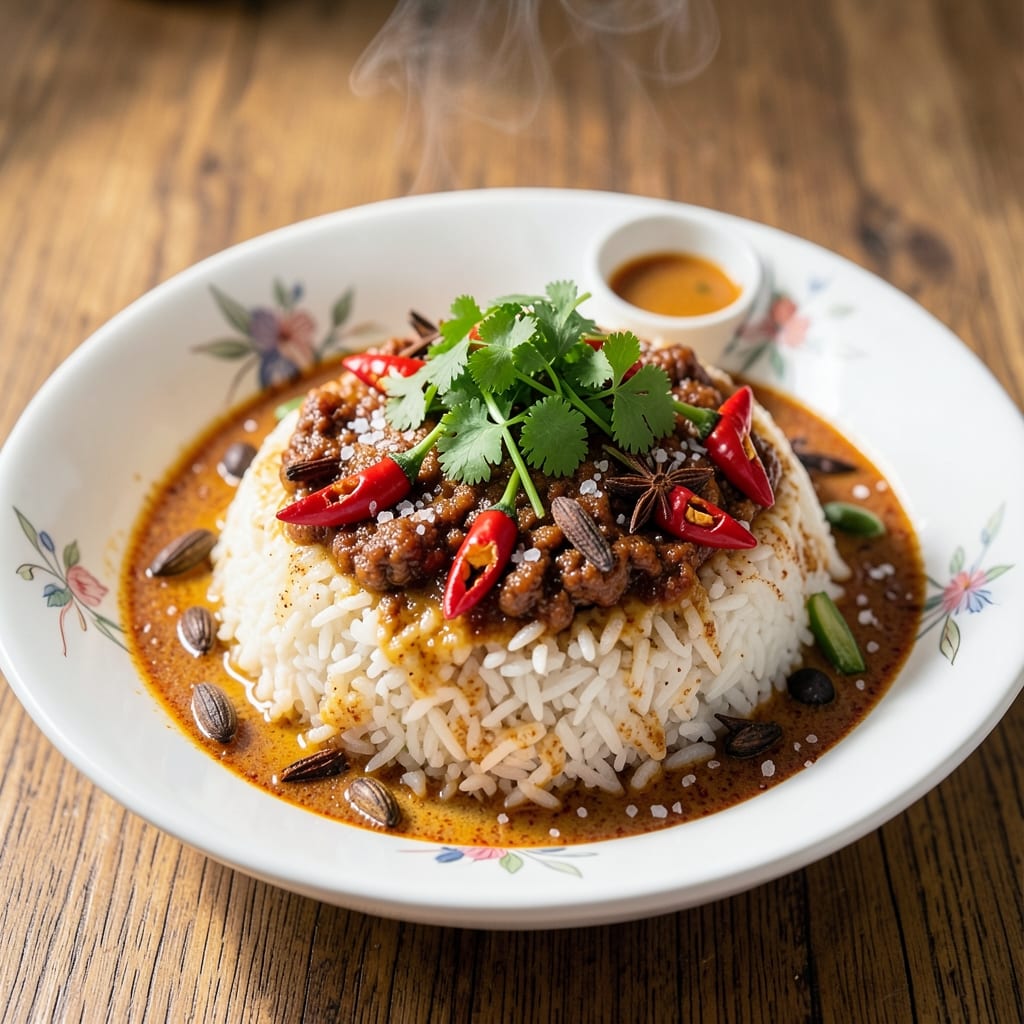
This Asian red rice recipe transforms simple jasmine rice into a fragrant, smoky masterpiece with just a few key ingredients and a one-pot technique. The combination of coconut milk, chili heat, and toasted spices creates a dish that’s both comforting and vibrant—perfect for weeknight dinners or special occasions. I’ve perfected this method over years of testing, ensuring every grain stays tender while absorbing bold, aromatic flavors.
The secret lies in toasting the spices first—cinnamon, cardamom, and star anise—to deepen their fragrance before simmering everything in coconut milk. This approach builds layers of flavor without overpowering the rice’s natural nuttiness. The dish balances sweet, spicy, and earthy notes, making it versatile enough for pairing with grilled meats, curries, or even on its own as a satisfying main.
What you’ll end up with is a pot of deeply colored, fragrant rice where each grain is infused with smoky coconut and a subtle kick of chili. The texture is perfectly tender, with a slight chew that’s ideal for soaking up rich sauces. This recipe stays true to Southeast Asian traditions while offering modern twists like smoked salt or pandan leaf for extra depth.
Whether you’re serving it at a family gathering or meal prepping for the week, this red rice delivers restaurant-quality results with minimal effort. The one-pot method means less cleanup, and the flavors only get better as they sit—making it a dish you’ll crave again and again.
Ingredients for asian red rice
Jasmine rice, coconut milk, and carefully toasted spices form the aromatic backbone of this vibrant Asian-inspired dish.
| Ingredient | Amount | Notes |
|---|---|---|
| Jasmine Rice 🍚 | 1 ½ cups | Uncooked, long-grain preferred |
| Full-Fat Coconut Milk 🥥 | 1 can (13.5 oz) | No substitutions—full-fat for creaminess |
| Red Curry Paste 🌶️ | 2 tbsp | Maesri or Thai Kitchen brand preferred |
| Fresh Chili Peppers 🌶️ | 2 whole | Thai or serrano, seeds removed |
| Fresh Cilantro 🌿 | ¼ cup | Stems removed, chopped |
| Ground Cinnamon 🌿 | ½ tsp | Toasted for deeper aroma |
| Cardamom Pods 🌿 | 4 whole | Lightly crushed, not powdered |
| Star Anise Pods 🌿 | 2 whole | Lightly toasted before adding |
| Smoked Salt 🧂 | ½ tsp | Maldon or similar flaky variety |
| Fresh Ginger 🧄 | 1 ½ tbsp | Finely grated, organic preferred |
| Garlic Cloves 🧄 | 4 cloves | Minced, not powdered |
| Lime Juice 🍋 | 1 tbsp | Freshly squeezed, seeds strained |
| Vegetable Oil 🫒 | 1 tbsp | High smoke point for toasting |
| Pandan Leaf 🌿 | 1 whole | Optional, tied in cheesecloth |
| Water 💧 | 1 ½ cups | Filtered preferred for clarity |
The quality of your rice and coconut milk makes all the difference. Thai Jasmine rice from Rice Select or your local Asian market delivers the best texture, while full-fat coconut milk from Thai Kitchen ensures richness—none of that watered-down stuff. For the spices, Penzeys Spices or bulk bins at Whole Foods are ideal for freshness. Toasting the cinnamon, cardamom, and star anise in oil for 30 seconds unlocks their full aroma, which is non-negotiable for that authentic smoky depth. Fresh ginger and garlic should be vibrant—no shriveled roots or powdery substitutes. The Thai chili peppers add heat without overpowering, but adjust to taste.
No red curry paste? Combine 1 tbsp each of curry powder, turmeric, and chili powder as a quick substitute. Short on cardamom? Double the cinnamon—it’s similar but less floral. The pandan leaf is optional but worth hunting down at Asian grocery stores for that signature vanilla-like aroma. Substitute with vanilla bean scrapings at half the amount if needed. For the coconut milk, light coconut milk works in a pinch, but the texture will be less luxurious. The smoked salt should be flaky—Maldon or Diamond Crystal are the gold standards. If you can’t find them, regular sea salt with a pinch of liquid smoke mimics the effect.
This rice keeps beautifully—3-4 days refrigerated or 3 months frozen. For storage, let it cool completely before transferring to airtight containers. The flavors intensify overnight, so make it a day ahead if possible. To reheat, add a splash of water and steam covered for 2-3 minutes. The pandan leaf can be removed after cooking—no need to strain. For meal prep, portion into individual containers with a sprinkle of cilantro and lime zest to maintain freshness. The dish pairs perfectly with grilled proteins or as a standalone bowl with a fried egg on top.
Why You'll Love This Recipe
- One-Pot Magic: I swear by this recipe when I’m too tired to wash pots. Just toss the rice, coconut milk, and curry paste in one pot, stir, and let it simmer—no measuring cups, no separate pans. The jasmine rice soaks up the creamy, spicy sauce like a dream.
- Flavor Bomb: That first bite? Rich, slightly sweet, with a slow burn from the chili peppers and a bright finish from fresh cilantro. The red curry paste adds depth without overpowering, and the full-fat coconut milk makes it ridiculously satisfying—like a hug in rice form.
- Weeknight Workhorse: This is my go-to for busy nights, potlucks, or when I need to feed a crowd without stress. Double the batch, store it in the fridge, and reheat portions for days—it tastes just as good cold in wraps or over salads the next day.
- Budget-Friendly Luxury: Fresh cilantro and chili peppers might sound fancy, but they stretch this dish far. A single can of coconut milk and a small jar of curry paste go a long way, and the rice is cheap enough to make leftovers feel intentional. Fancy dinner for half the cost? Yes, please.
Step-by-step instructions for Asian red rice with smoky coconut and chili heat
This one-pot method transforms simple jasmine rice into aromatic, spice-infused perfection.
Toast the Aromatics and Build the Flavor Base
Heat the vegetable oil in a heavy-bottomed pot over medium heat. Add the lightly crushed cardamom pods and star anise pods, toasting for 1 minute until fragrant. This step develops their essential oils before they infuse into the rice.
Add the minced garlic cloves and finely grated ginger, cooking for 30 seconds until the garlic turns golden and aromatic. Immediately stir in the red curry paste, spreading it evenly across the bottom of the pot to prevent burning. Cook for 1 minute until the paste darkens slightly and releases its complex flavors.
If using the pandan leaf, tie it in cheesecloth and add it now. The pandan will contribute a subtle floral aroma that complements the coconut and chili. Stir in the whole fresh chili peppers (seeds removed) and toast for 30 seconds—just enough to soften them without cooking through completely.
Bloom the Spices and Incorporate the Rice
Pour in the full-fat coconut milk, scraping up any browned bits from the bottom of the pot. Add the jasmine rice, spreading it evenly through the liquid. The rice should be fully submerged in the coconut mixture, which will prevent it from drying out during cooking.
Bring the mixture to a gentle simmer over medium heat, then reduce to low. The liquid should bubble softly without vigorously boiling. Sprinkle the toasted ground cinnamon and smoked salt over the top, stirring gently to distribute. This is where the spices begin to meld with the coconut and curry.
Simmer uncovered for 15 minutes, stirring occasionally. You'll notice the rice begins to absorb the liquid and the mixture thickens slightly. The aroma should deepen—smoky from the toasted spices, sweet from the coconut, with a hint of chili heat building.
Add Water and Complete the Cooking Process
After 15 minutes, stir in the 1.5 cups water and the lime juice. The lime juice brightens the flavors and prevents the rice from becoming too rich. Return the pot to a simmer, then cover tightly with a lid. Reduce heat to low and cook for 25 minutes without disturbing it.
This resting period allows the rice to steam in its own juices, developing a tender yet slightly chewy texture. The coconut milk will break down slightly, creating a creamy sauce that coats each grain. If you peek and see the rice is still firm after 25 minutes, cover and cook for another 5 minutes—the residual heat will finish the cooking process.
Rest and Garnish for Maximum Flavor
Remove the pot from heat and let it sit covered for 10 minutes. This resting period is crucial—it allows the rice to absorb any remaining liquid and develop its final texture. The flavors will also meld more completely during this time.
Uncover and fluff the rice gently with a fork, then stir in the chopped fresh cilantro. The cilantro adds a bright, herbal contrast to the rich coconut and spicy elements. Taste and adjust the seasoning if needed—add a pinch more smoked salt if the dish needs more depth, or a splash of lime juice for additional brightness.
Serve immediately while the rice is still warm, allowing each person to experience the perfect balance of smoky, spicy, and creamy flavors in every bite. The pandan leaf can be removed before serving if desired, though its aroma will still linger beautifully in the dish.
Pro Tips For Making Asian Red Rice
- Bloom the paste first: Stir your red curry paste into the coconut milk before adding it to the rice—this prevents clumping and lets the spices bloom properly. I used to toss it in dry, and the result was always a grainy, uneven mess. Two minutes of pre-mixing makes all the difference. ---
- Toast the rice lightly: Heat the dry jasmine rice in a dry pot for 30 seconds before adding liquid—this kickstarts starch breakdown and gives the grains better texture. Yes, it’s an extra step, but it stops that gummy, undercooked center you get when you skip it. ---
- Adjust heat after simmering: Once the coconut milk comes to a boil, drop the heat to low and let it bubble gently—high heat turns the rice mushy and splits the grains. I learned this after three batches of sad, gloppy rice. Trust the simmer. ---
- Save the cilantro for last: Stir in fresh cilantro only in the final minute—it wilts instantly in heat, leaving you with sad, limp stems instead of bright, aromatic garnish. If you’re impatient, chop it small and add it while the rice is still off the heat.
Regional styles of this dish
Thai-Inspired Red Rice
In Thailand, this dish is called khao tom—a fragrant, spicy rice that’s often served with curries or grilled meats. The Thai version typically uses red glutinous rice (though jasmine works beautifully) and relies on red curry paste for its signature heat. I like to add Thai bird’s eye chili for extra kick, but adjust to taste. The dish is traditionally finished with a squeeze of lime and fresh cilantro, just like in this recipe. 🌶️
Indonesian Pandan Red Rice
Indonesia’s nasi merah takes red rice to another level by incorporating pandan leaf, which gives it that signature vanilla-like aroma. The Indonesian version often uses black rice (for deeper color) and coconut milk, but jasmine rice works perfectly. I’ve included the pandan leaf as an optional ingredient because it elevates the dish with a floral, almost citrusy note. If you can’t find pandan, vanilla bean scrapings or a pinch of vanilla extract can mimic the effect. 🌿
Indian-Style Smoky Red Rice
In South India, red rice is often cooked with mustard seeds, curry leaves, and cumin for a distinct flavor profile. For an Indian twist, I recommend toasting 1 tsp mustard seeds and 2 curry leaves in the oil before adding the garlic and ginger. Swap the cardamom for 1 tsp ground coriander and add ½ tsp turmeric to the rice while cooking. The result is a smoky, earthy dish that pairs perfectly with tandoori chicken or dal. 🔥
Japanese-Style Red Rice
Japan’s red rice (often called beni-koji rice) leans more toward fermented rice with a slightly sweet, umami flavor. For a Japanese-inspired version, reduce the chili heat and add 1 tbsp soy sauce and 1 tsp mirin to the coconut milk. Toast 1 tsp sesame seeds with the spices for extra depth. Serve this version with grilled salmon or teriyaki-glazed tofu for a fusion twist. The texture stays tender, but the flavors become more savory than spicy. 🍣
Modern Fusion Twist
For a contemporary take, I love adding smoked paprika or liquid smoke to the coconut milk for a deeper, charred flavor. Another fun twist is to stir in ½ cup cooked black beans or diced bell peppers during the final 5 minutes of cooking. This version works beautifully as a vegan main dish or a hearty side. Garnish with avocado slices or pickled onions for extra texture and brightness. ✨
Nutrition facts
Frequently asked questions
Why does my red rice turn out mushy instead of fluffy?
Overcooking or using too much liquid is the most common cause. This recipe uses a precise ratio of 1.5 cups water to 1.5 cups rice—don't exceed that. Also, avoid peeking at the rice while it cooks, as lifting the lid releases steam and disrupts the cooking process. Let it steam undisturbed for the full 25 minutes after adding water. If it's still firm, cover for another 5 minutes max.
Can I make this red rice without coconut milk?
Yes, but the texture and flavor will change significantly. For a dairy-free alternative, use 1 cup full-fat Greek yogurt or 1 cup vegetable broth plus 1 tbsp butter. For a neutral substitute, try 1 cup chicken or vegetable stock—just reduce the water to 1 cup to maintain balance. The dish will be lighter but still aromatic with the spices.
How do I adjust the spice level for kids or sensitive eaters?
Remove the seeds and membranes from the chili peppers before adding them, which reduces heat by about 70%. For milder heat, use 1 tbsp red curry paste instead of 2 tbsp and add ½ tsp sugar to balance. If serving to kids, set aside a portion before adding the chili and serve it plain with extra lime juice and cilantro for brightness.
What's the best way to reheat leftover red rice?
Add 1-2 tablespoons water per cup of rice and cover tightly. Heat on low in a pot for 3-5 minutes until warmed through. Microwaving works too—cover with a damp paper towel and heat for 1-2 minutes at 50% power. Avoid high heat, which can dry out the rice. For extra flavor, stir in a splash of coconut milk or lime juice while reheating.
Can I use brown rice or basmati instead of jasmine?
Jasmine rice is ideal because its grains stay separate and absorb flavors beautifully. Brown rice will work but requires 30-40% more liquid and 10-15 extra minutes of cooking time. Basmati rice is too light and may turn mushy—stick with jasmine or short-grain varieties like sushi rice if you can't find jasmine. The texture will be firmer but still delicious with the coconut and spices.