
Side Dishes
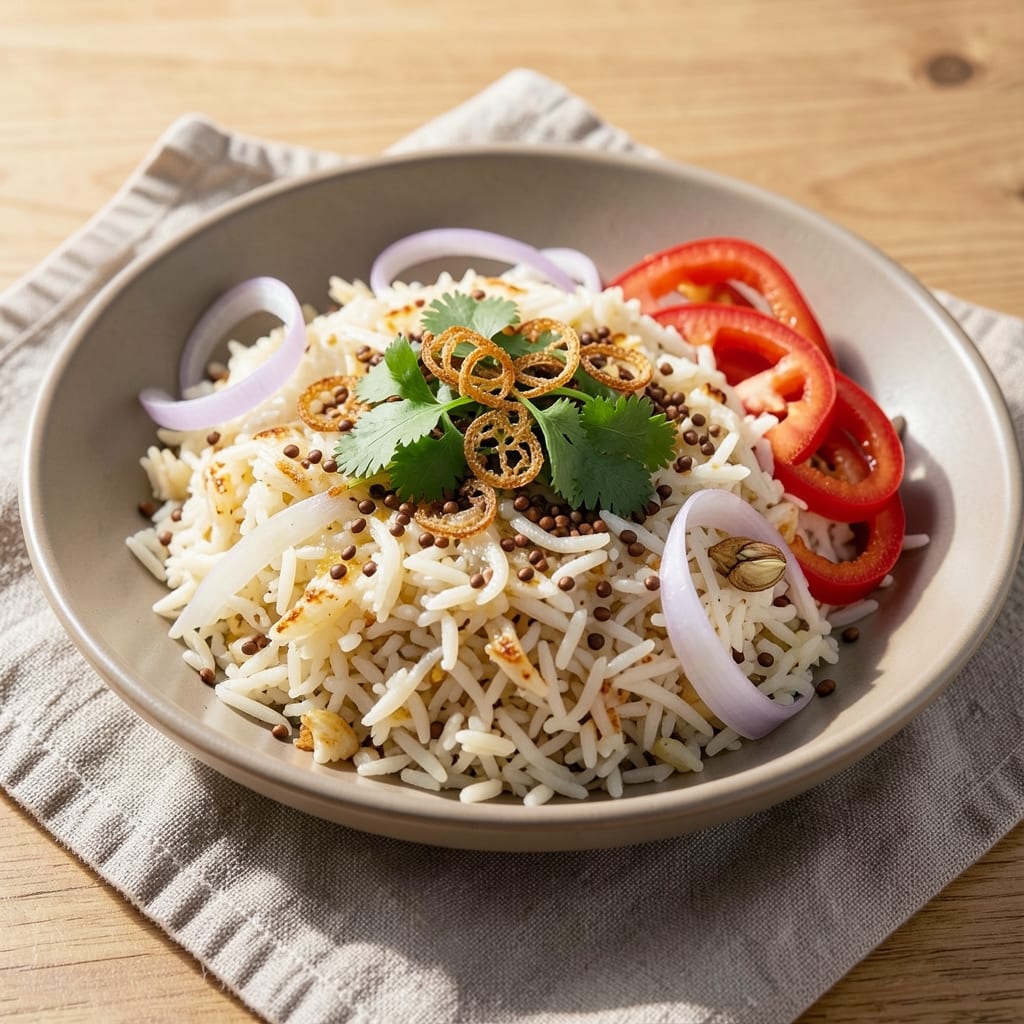
This Asian rice pilaf recipe transforms simple basmati rice into a fragrant, textured masterpiece with toasted spices and crunchy finishing touches. The secret lies in blooming whole spices in hot oil—cumin, coriander, and cardamom—before adding aromatics like ginger and garlic. This method develops deep, complex flavors that infuse every grain, creating a dish that's both comforting and sophisticated.
What sets this pilaf apart is its versatility—it works as a standalone side or pairs beautifully with grilled proteins and roasted vegetables. The rice-to-liquid ratio is precise (1:1.5), ensuring perfectly fluffy grains with minimal effort. For extra depth, I recommend finishing with toasted cashews or fried shallots, which add both texture and visual appeal.
The result is a dish that balances warmth from spices with brightness from fresh herbs like cilantro or Thai basil. Each bite delivers tender rice with pockets of aromatic oil, while the toasted nuts provide satisfying crunch. This pilaf adapts effortlessly to regional preferences—add coconut milk for a Thai-inspired version or kimchi for a Korean twist.
Ready in just 30 minutes, this recipe delivers restaurant-quality results without requiring advanced skills. The one-pot method keeps cleanup simple, making it perfect for weeknight dinners or meal prep. Here's how to make it perfectly every time.
Ingredients for asian rice pilaf
Transform simple basmati rice into aromatic, textured pilaf with toasted spices and crunchy finishing touches.
| Ingredient | Amount | Notes |
|---|---|---|
| Long-Grain Basmati Rice 🌾 | 1 ½ cups | Uncooked, rinsed thoroughly |
| Vegetable Oil 🫒 | ½ cup | High smoke point preferred |
| Ground Cumin Seeds 🌿 | 1 ½ tbsp | Freshly ground for aroma |
| Ground Coriander Seeds 🌿 | 1 ½ tbsp | Toasted for depth |
| Green Cardamom Pods 🌿 | 8 whole | Lightly crushed |
| Fresh Ginger 🧄 | 1 tbsp | Finely grated |
| Garlic Cloves 🧄 | 4 cloves | Minced for aromatic base |
| Low-Sodium Chicken Broth 💧 | 2 ¼ cups | Homemade preferred |
| Fresh Cilantro 🌿 | ¼ cup | Chopped, for garnish |
| Toasted Cashews 🥜 | ⅓ cup | Chopped for texture |
| Lemon Zest 🍋 | 1 tsp | Brightens final flavor |
| Sea Salt 🧂 | 1 ½ tsp | Diamond Crystal preferred |
| Black Pepper 🌶️ | ½ tsp | Freshly cracked |
| Thai Basil Leaves 🌿 | 0.17 cup | Optional, for Thai variation |
The spices are where this dish shines. Whole cumin and coriander seeds must be toasted in hot oil until fragrant—this step unlocks their full potential. Penzeys Spices or your local Indian market will have the best quality seeds. For cardamom, green pods are essential; they release their floral notes when lightly crushed. Fresh ginger and garlic should be vibrant—no yellowing or soft spots. The chicken broth can be homemade or a quality low-sodium brand like Pacific Foods, but avoid anything with added MSG.
No fresh cilantro? Dried cilantro at one-third the amount works, though it lacks brightness. Substituting Thai basil for regular cilantro gives a Thai-inspired twist. Running out of cashews? Toasted almonds or peanuts add similar crunch. For extra richness, add 2 tbsp coconut milk to the broth. The rice-to-liquid ratio is critical—1:1.5 ensures perfect texture. If using a different rice variety, adjust the liquid by 10% (more for jasmine, less for short-grain).
This pilaf reheats beautifully—simmer gently with a splash of water or broth. Store in an airtight container for 4-5 days in the fridge or freeze for up to 3 months. For meal prep, portion into individual containers with a sprinkle of toasted nuts on top. The cashews can be toasted ahead and stored in a sealed jar for up to 2 weeks. Fresh herbs like cilantro or Thai basil should be added just before serving to preserve their vibrant color and flavor.
Why You'll Love This Recipe
- Pantry-Friendly Magic: I swear by this recipe because it pulls flavor from my spice rack—no fancy ingredients needed. That toasty cumin and coriander blend? It’s the secret that turns plain rice into something ridiculously good without extra shopping trips.
- One-Pot Wonder: Honestly, I love a dish that cleans up in minutes. Toast the spices in oil, add rice and water, simmer—done. No strainers, no separate pans, just aromatic rice that sticks together perfectly. (Yes, even on a Tuesday night.)
- Spice Cabinet to Table: Between us, this pilaf is my go-to for lazy dinners or when I’m hosting. The cardamom adds a floral warmth that pairs with everything—grilled chicken, curries, or even just a simple yogurt drizzle. It’s the kind of side that makes the whole meal feel special.
- Leftovers That Don’t Suck: I make a big batch on Sundays because reheating this rice is chef’s kiss—no mushy texture, no dry corners. The spices keep it vibrant, and it’s budget-friendly enough that I can feed the family without breaking the bank. (My kids ask for it weekly.)
Step-by-step instructions for Asian rice pilaf
Master this aromatic technique for restaurant-quality spiced rice with perfect texture and crunch.
Toast the Spices and Aromatics
Heat the 0.5 cup vegetable oil in a heavy-bottomed pot over medium heat until shimmering but not smoking. Add the 8 whole green cardamom pods and toast for 30 seconds until fragrant—you'll smell their warm, floral notes. Immediately add the 1.5 tbsp ground cumin seeds and 1.5 tbsp ground coriander seeds, stirring constantly for 1 minute until they darken slightly and release their earthy aroma.
Reduce heat to medium-low and add the 1 tbsp fresh ginger and 4 cloves garlic cloves, stirring for 30 seconds until the garlic becomes translucent but doesn't brown. This slow toasting develops deep flavor without burning. Remove from heat and let the spices cool slightly for 1 minute—this prevents steam when you add the rice later.
Sauté the Rice and Prepare the Broth
Return the pot to medium heat and add the 1.5 cups long-grain basmati rice, stirring to coat each grain evenly with the spice oil. Cook for 2 minutes until the rice becomes translucent at the edges and releases its starch. This step creates the signature nutty flavor and prevents mushy texture.
Pour in the 2.25 cups low-sodium chicken broth, bringing to a gentle boil. Immediately reduce heat to low, cover the pot with a tight-fitting lid, and let it simmer undisturbed for 15 minutes. The rice should absorb the liquid completely without sticking to the bottom—this indicates perfect doneness. If you peek, steam will escape, so resist the temptation to check early.
Finish with Crunch and Freshness
Once the rice is tender and all liquid is absorbed, remove from heat and let it sit covered for 5 minutes. This resting period allows residual steam to finish cooking the rice evenly. Stir in the 0.33 cup toasted cashews and 1 tsp lemon zest, distributing them throughout the rice for texture and brightness.
Gently fold in the 0.25 cup fresh cilantro and 0.17 cup Thai basil leaves (if using), along with the 1.5 tsp sea salt and 0.5 tsp black pepper. The cashews add crunch while the herbs provide fresh contrast to the warm spices. For best results, serve immediately while the rice is still warm and the aromatics are at their peak.
Pro Tips For Making Asian Rice Pilaf
- Bloom the Spices First: Toast the whole spices—cumin, coriander, and cardamom—directly in the oil over medium heat for 30 seconds until they smell aromatic. I learned this the hard way: skipping this step leaves the rice tasting flat, like it’s missing its soul. The oil will turn golden and fragrant, which means the flavors are waking up. ---
- Rinse Rice Until Water Runs Clear: Swirl the basmati rice in cold water for 10 seconds, drain, repeat twice more. This removes excess starch, so the grains stay separate instead of clumping into a sad, gluey mass. (Yes, even if you’re impatient—trust the process.) ---
- Use Twice the Water Ratio: For every cup of basmati rice, use 2.5 cups of water, not 2. The extra liquid ensures the rice absorbs moisture evenly and doesn’t turn out dry or undercooked. I used to eyeball it and ended up with half-cooked grains—now I measure like a pro. ---
- Cover and Simmer on Low: Once the water boils and you add the rice, immediately reduce heat to the lowest setting, cover tightly, and let it steam undisturbed for 15 minutes. High heat after boiling turns the rice mushy; low heat keeps it fluffy and distinct. (Your future self will thank you.)
Perfect pairings for this recipe
Protein Pairings
This aromatic pilaf pairs beautifully with grilled chicken thighs—their juicy richness complements the rice's toasted spices. Marinate the chicken in 2 tbsp soy sauce, 1 tbsp honey, and 1 tsp grated ginger for 30 minutes before grilling. The caramelized edges contrast perfectly with the rice's nutty crunch. 🍗
For seafood lovers, garlic butter shrimp takes this dish to new heights. Sauté 1 lb shrimp in 3 tbsp butter, 3 minced garlic cloves, and 1 tsp chili flakes for 2-3 minutes per side. The shrimp's sweetness balances the pilaf's earthy spices, while the butter adds richness.
Vegetable Companions
Roasted eggplant and bell peppers bring vibrant color and texture to your plate. Toss 1 medium eggplant and 1 red bell pepper in 2 tbsp olive oil, 1 tsp smoked paprika, and ½ tsp salt, then roast at 400°F for 25 minutes. Their smoky depth pairs wonderfully with the pilaf's warm spices.
For a lighter option, try steamed bok choy with sesame. Blanch 2 heads bok choy for 2 minutes, then toss with 1 tsp toasted sesame oil and ½ tsp sesame seeds. The bok choy's crisp-tender texture and nutty sesame enhance the pilaf's aromatic profile.
Sauce Enhancements
A drizzle of spicy peanut sauce elevates this dish to restaurant-quality. Blend ½ cup smooth peanut butter, 2 tbsp soy sauce, 1 tbsp sriracha, 1 tbsp lime juice, and 1 tsp grated ginger until smooth. The creamy heat cuts through the rice's richness beautifully. 🌶️
For a tangy twist, serve with mango chutney. Mix ½ cup diced mango, 2 tbsp rice vinegar, 1 tbsp honey, and 1 tbsp chopped cilantro. The sweet-tart balance brightens every bite, especially with the pilaf's toasted spices.
Beverage Pairings
A jasmine green tea enhances the dish's floral notes while cleansing your palate between bites. Look for a high-quality loose-leaf tea like Harney & Sons—its delicate aroma complements the cardamom and coriander beautifully. ☕
For an alcoholic pairing, dry Riesling offers crisp acidity that cuts through the dish's richness. The wine's citrus notes mirror the lemon zest in the pilaf, creating a harmonious balance. If you prefer beer, a light Japanese lager like Asahi provides a clean, refreshing contrast.
Nutrition facts
Frequently asked questions
Can I use jasmine rice instead of basmati for this pilaf?
Yes, but you'll need to adjust the liquid slightly. Jasmine rice absorbs more moisture, so reduce the broth by ¼ cup (to 2 cups total) for the same 1.5 cups of rice. The texture will be slightly stickier, which works well for Thai-inspired variations. For extra aroma, add ½ tsp pandan extract to the broth.
How do I make this recipe vegetarian?
Swap the chicken broth for vegetable broth and add ½ cup chickpeas (rinsed) to the pot with the rice. For protein, stir in ½ cup crumbled tofu (pan-fried with 1 tsp soy sauce) or ½ cup sliced mushrooms during the final 5 minutes of cooking. The cashews already provide plenty of texture!
Why did my rice turn out mushy?
Mushy rice usually means one of two things: either you didn't toast the spices enough (they need to bloom in oil), or you peeked while cooking which releases steam and disrupts the cooking process. Always use a tight lid and wait the full 15 minutes before checking. For next time, try the 1:1.4 rice-to-liquid ratio instead.
Can I make this pilaf in an Instant Pot?
Sauté the spices and aromatics first, then add rice and broth. Seal the lid, set to high pressure for 4 minutes, then quick-release. Finish with the same crunchy toppings. The Instant Pot version cooks 20 minutes total—perfect for busy weeknights! For extra flavor, add ½ cup coconut milk to the broth for a Thai-inspired twist.
What's the best way to store leftovers?
Let the pilaf cool completely, then store in an airtight container in the fridge for 4-5 days. For reheating, sprinkle 1 tsp water over the rice and microwave on medium power for 2 minutes, stirring halfway. The cashews may lose some crunch, so toast fresh ones and sprinkle on top when serving. Freeze for up to 3 months—thaw overnight in the fridge.