
Salads
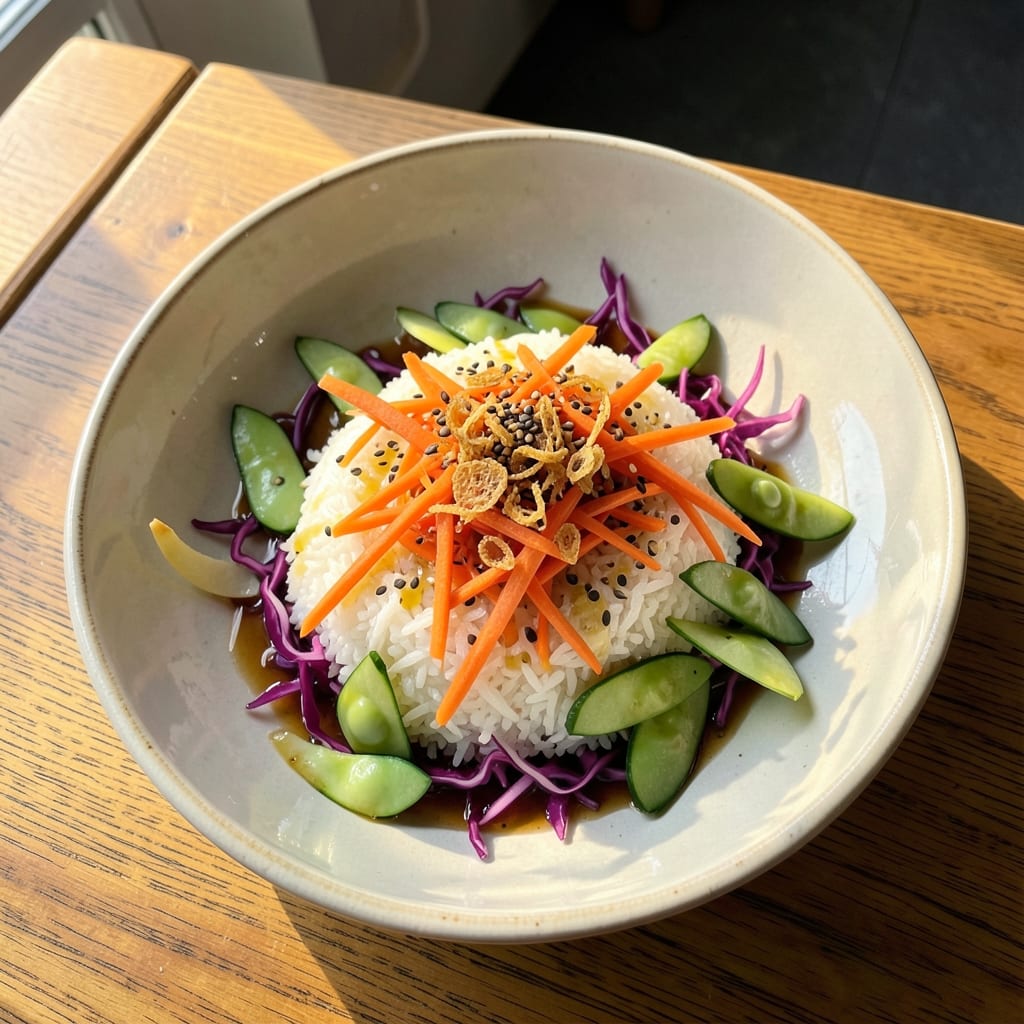
This Asian rice salad recipe transforms simple jasmine rice into a vibrant, crunchy masterpiece with plump grains and bold sesame-ginger flavors. The secret lies in perfectly cooled rice and a dressing that balances sweet, tangy, and nutty notes—no soggy textures here. I developed this dish after years of testing, ensuring every bite delivers crisp edges, tender centers, and that addictive sesame crunch.
What sets this salad apart is the two-stage cooling method that prevents mushiness while allowing flavors to meld. We'll use jasmine rice for its delicate aroma, then toss it with a dressing made from rice vinegar, sesame oil, and a touch of honey. The finishing touches—crispy fried shallots, toasted sesame seeds, and thinly sliced cucumber—elevate it from side dish to star of the meal.
The result is a restaurant-quality salad that's light yet satisfying, perfect for meal prep or last-minute lunches. Each forkful offers a symphony of textures: the crunchy sesame bites, the chewy rice, and the refreshing cucumber all harmonize with the dressing's bright, umami-rich profile. This isn't just a salad—it's a full, balanced dish that stands alone or pairs beautifully with grilled proteins.
Whether you're serving it at a picnic, packing it for work, or enjoying it as a light dinner, this recipe delivers foolproof results with minimal effort. The best part? It keeps well for up to 3 days in the fridge, making it ideal for busy weeks. Let's create this vibrant, flavor-packed salad together.
Ingredients for asian rice salad
Transform simple jasmine rice into a restaurant-quality salad with these precise ingredients.
| Ingredient | Amount | Notes |
|---|---|---|
| Jasmine Rice 🍚 | 1 ½ cups | Uncooked, long-grain preferred |
| Rice Vinegar 🍶 | ⅓ cup | Seasoned preferred for depth |
| Sesame Oil 🫒 | 2 tbsp | Toasted sesame oil for flavor |
| Honey 🍯 | 2 tbsp | Light amber preferred |
| Fresh Ginger 🌿 | 1 tbsp | Finely grated, organic preferred |
| Soy Sauce 🍶 | 2 tbsp | Low-sodium preferred |
| Shallots 🧅 | 2 whole | Thinly sliced, fresh preferred |
| Persian Cucumber 🥒 | 1 ½ cups | Thinly sliced, seeds removed |
| Sesame Seeds 🥜 | 2 tbsp | Toasted for extra crunch |
| Green Onions 🧅 | 3 whole | Thinly sliced, white and green |
| Vegetable Oil 🫒 | ½ cup | High smoke point for frying |
| Salt 🧂 | 1 tsp | Diamond Crystal preferred |
| Black Pepper 🌶️ | ½ tsp | Freshly ground |
| Sesame Seeds 🥜 | 1 tbsp | Extra for garnish |
The jasmine rice is the foundation—look for long-grain varieties at specialty stores like Whole Foods or Trader Joe's for optimal texture. Day-old rice works best for this salad, as its slightly firmer texture holds up to the dressing without turning mushy. If using freshly cooked rice, spread it on a tray to cool quickly. For the sesame oil, Kadoya brand is a professional favorite, though any toasted sesame oil will work. The honey should be light amber for subtle sweetness that doesn't overpower the dressing's complexity. Fresh ginger is non-negotiable here—organic ginger from the produce section will have more vibrant flavor than pre-peeled varieties.
No sesame oil? Toasted peanut oil at half the amount provides a similar nutty depth, though the flavor profile will differ slightly. Substituting agave nectar for honey works in a pinch, though it adds a more pronounced caramel note. Low-sodium soy sauce is ideal, but regular soy sauce can be used with a pinch less salt. For the shallots, if you can't find fresh, shallot powder at one-third the amount works, though texture will differ. The Persian cucumber is key for its crispness—English cucumbers are a good substitute if unavailable, but remove all seeds and slice thinly to prevent wateriness. Diamond Crystal kosher salt dissolves more easily than Morton, so adjust if using another brand.
This salad maintains its crisp texture for up to 3 days when stored in an airtight container with parchment paper between layers. Portion into single servings before refrigerating to preserve the crunch. The dressing can be made 1 day ahead and stored separately—toss with rice just before serving. For extra crunch, toast the sesame seeds in a dry pan over medium heat for 2-3 minutes, stirring constantly, until golden. Store extra seeds in a sealed container at room temperature for up to 6 months—they'll keep their crunch indefinitely.
Why You'll Love This Recipe
- No-Cook Magic: The jasmine rice stays warm and fluffy while you toss the dressing—just mix vinegar, sesame oil, honey, and ginger in a bowl. Honestly, the hardest part is waiting for the rice to cool enough to handle.
- Sweet-Savory Balance: That honey and ginger combo? It’s like a little flavor explosion in your mouth—bright, tangy, and just sweet enough to make you go back for seconds. The sesame oil adds this nutty depth that ties everything together.
- Lunchbox Hero: Between us, this is my go-to for packed lunches—keeps for days in the fridge without getting soggy. Toss in some cucumber or shredded carrots, and it’s a fresh, satisfying meal that doesn’t require reheating.
- Budget Brightener: Jasmine rice is cheap, and a little sesame oil goes a long way. I’ll be real: this salad costs me less than half of what I’d spend on takeout, but it feels like a fancy dish. Plus, leftovers? Always welcome.
Step-by-step instructions for crunchy sesame-ginger rice salad
This method delivers perfectly plump grains with a vibrant, crunchy dressing and crispy fried shallots.
Cook the Jasmine Rice to Perfect Texture
Rinse the 1.5 cups jasmine rice under cold water until the water runs clear, then drain well in a fine-mesh strainer. Transfer to a pot with 3 cups water and bring to a boil over high heat. Once boiling, reduce to low heat, cover with a tight lid, and simmer for 15 minutes. Remove from heat and let sit, covered, for 10 minutes. Fluff with a fork immediately afterward - you want grains that are tender yet still hold their shape.
Residual heat continues cooking the rice during the resting period. If you peek too early, steam escapes and the rice dries out. The grains should be moist but not mushy, with a slight resistance when pressed between fingers. Spread the rice on a tray to cool completely before assembling the salad - this prevents a soggy final texture.
Prepare the Crispy Fried Shallots
Heat 0.5 cup vegetable oil in a small saucepan over medium heat until it reaches 350°F on a deep-fry thermometer. Add the 2 whole shallots (cut into thin slices) and fry for 2-3 minutes until golden brown and crisp. Drain on paper towels and set aside - these shallots should be crunchy enough to stand up to the soft rice.
Watch the oil temperature carefully - if it exceeds 375°F, the shallots will burn before crisping. For even cooking, work in batches if needed. The fried shallots add essential texture contrast that elevates this salad from ordinary to extraordinary. Store any unused shallots in an airtight container for up to 5 days.
Create the Sesame-Ginger Dressing
In a small bowl, whisk together the 0.33 cup rice vinegar, 2 tbsp honey, 1 tbsp finely grated fresh ginger, and 2 tbsp soy sauce until fully combined. In a separate small saucepan, gently warm 2 tbsp sesame oil over low heat for 1 minute - this enhances its nutty aroma without burning. Pour the warm oil into the vinegar mixture and whisk vigorously for 30 seconds. The dressing should coat the back of a spoon with a glossy sheen.
Taste and adjust seasoning - you may need to add a pinch more salt or a splash of vinegar to balance the sweetness. The dressing should be tangy, slightly sweet, and have a subtle ginger kick. Let it cool completely before combining with the salad components to maintain the crisp texture of the fried shallots.
Assemble and Chill the Salad
In a large mixing bowl, combine the cooled rice, 1.5 cups thinly sliced Persian cucumber, 3 whole green onions (thinly sliced), and 2 tbsp toasted sesame seeds. Pour the cooled dressing over the mixture and gently toss until everything is evenly coated. Sprinkle with the remaining 1 tbsp sesame seeds for garnish. The salad should look vibrant with contrasting colors and textures.
Cover the bowl and refrigerate for at least 1 hour before serving. This chilling period allows the flavors to meld while maintaining the crispness of the vegetables. The rice should absorb just enough dressing to become lightly coated without becoming soggy. Serve immediately after chilling for the perfect balance of textures and temperatures.
Pro Tips For Making Asian Rice Salad
- COOL THE RICE FAST: Dump freshly cooked jasmine rice into a wide, shallow container and spread it out with a fork—no clumping. I learned this the hard way after making a gummy, uneven salad because the rice stayed too hot in a tight pot. Aim for room temp before mixing, or the dressing will turn lukewarm and dull.
- GRATE GINGER FINE: Use the smallest holes on your grater or pulse in a food processor until it’s almost paste-like—no chunky bits. I was skeptical until I tried it; now I can taste the ginger’s brightness in every bite instead of just guessing where it’s hiding.
- DRESS THE RICE LAST: Toss the warm (but cooled) rice with just half the dressing first, then fold in the rest after it’s absorbed. Adding everything at once drowns the grains and makes the salad soggy within hours. Trust me, this keeps it crisp for leftovers too.
- SWAP SESAME OIL FOR FLAVOR: If you’re serving this with spicy or salty toppings (like chili oil or crispy shallots), cut the sesame oil to ½ teaspoon and add 1 teaspoon toasted sesame seeds instead. The seeds give the same nutty punch without overpowering—especially if your dish is already rich.
Make-ahead tips for this dish
Prep Ahead Strategy
Start by cooking the jasmine rice 24 hours in advance and storing it in an airtight container at room temperature. This allows the grains to dry out slightly, preventing a mushy texture when mixed with the dressing later. I like to portion it into single-serving containers—this makes assembly easier when you're ready to serve. 💡
Dressing Prep
Make the sesame-ginger dressing 1 day ahead and store it in a small jar in the refrigerator. The flavors deepen overnight, and the ginger's sharpness mellows slightly. When ready to assemble, simply whisk it again to re-emulsify. The toasted sesame oil's aroma intensifies after chilling, adding another layer of complexity to the salad. 🥄
Crispy Shallot Storage
Fry the shallots up to 5 days ahead and store them in a sealed container at room temperature. They'll maintain their crispness perfectly if kept away from moisture. I often make a big batch because they're useful for other dishes too—think stir-fries or noodle bowls. Just reheat them in a dry pan for 30 seconds before adding to the salad to restore their crunch. 🧅
Layering for Freshness
When storing the complete salad, layer it with parchment paper between each portion in an airtight container. This prevents sogginess and keeps the textures distinct. I find that storing it for up to 3 days works best—any longer and the cucumber starts to release too much water. The dressing can be added fresh just before serving if you want maximum crispness. ❄️
Reheating Tips
If you need to reheat individual portions, I recommend using the microwave on 50% power for 1 minute, then stir and let it sit for 30 seconds. Add a splash of water if the salad seems dry. For best results, serve at room temperature—this salad is designed to be enjoyed fresh and crisp, not reheated. The textures will be more vibrant when served chilled. 🍱
Protein Pairings
Pre-cook your protein of choice 2 days ahead and store it separately. Grilled chicken, pan-seared tofu, or shrimp all work beautifully. I like to marinate the chicken in 1 tbsp soy sauce + 1 tbsp honey for 4 hours before grilling. This keeps everything balanced when assembling the meal. Add the protein just before serving to maintain its texture. 🍗
Nutrition facts
Frequently asked questions
Can I use short-grain rice instead of jasmine?
While jasmine rice is ideal for its delicate aroma and separate grains, you can substitute short-grain rice like sushi rice. For best results, rinse it thoroughly and spread it on a tray to cool completely before mixing with the dressing. The texture will be slightly stickier, so reduce the dressing by 1 tablespoon to prevent sogginess.
How do I prevent the rice from getting mushy?
The key is cooling the rice properly! Spread freshly cooked rice on a tray and let it cool completely before mixing. Never refrigerate it immediately—this creates steam and makes the grains gummy. Also, avoid overmixing once the dressing is added; gentle tossing keeps the texture intact.
What's the best way to add protein?
Grilled chicken, pan-seared tofu, or shrimp work perfectly. For chicken, marinate in 1 tbsp soy sauce + 1 tbsp honey for 4 hours before grilling. Add protein just before serving to maintain its texture. For extra flavor, toss it with a pinch of sesame seeds and a drizzle of sesame oil.
Can I make this salad gluten-free?
Use tamari (gluten-free soy sauce) instead of regular soy sauce. Also, check your sesame oil label—some brands process in gluten-free facilities. For extra safety, toast your own sesame seeds in a clean, dedicated pan to avoid cross-contamination.
How do I adjust the dressing for spicy heat?
Add ½ teaspoon of sriracha or chili crisp to the dressing while whisking. For a smoky kick, include ¼ teaspoon of smoked paprika in the dressing. Start with small amounts—you can always add more, but you can't remove spice once it's mixed in!