
Soups & Stews
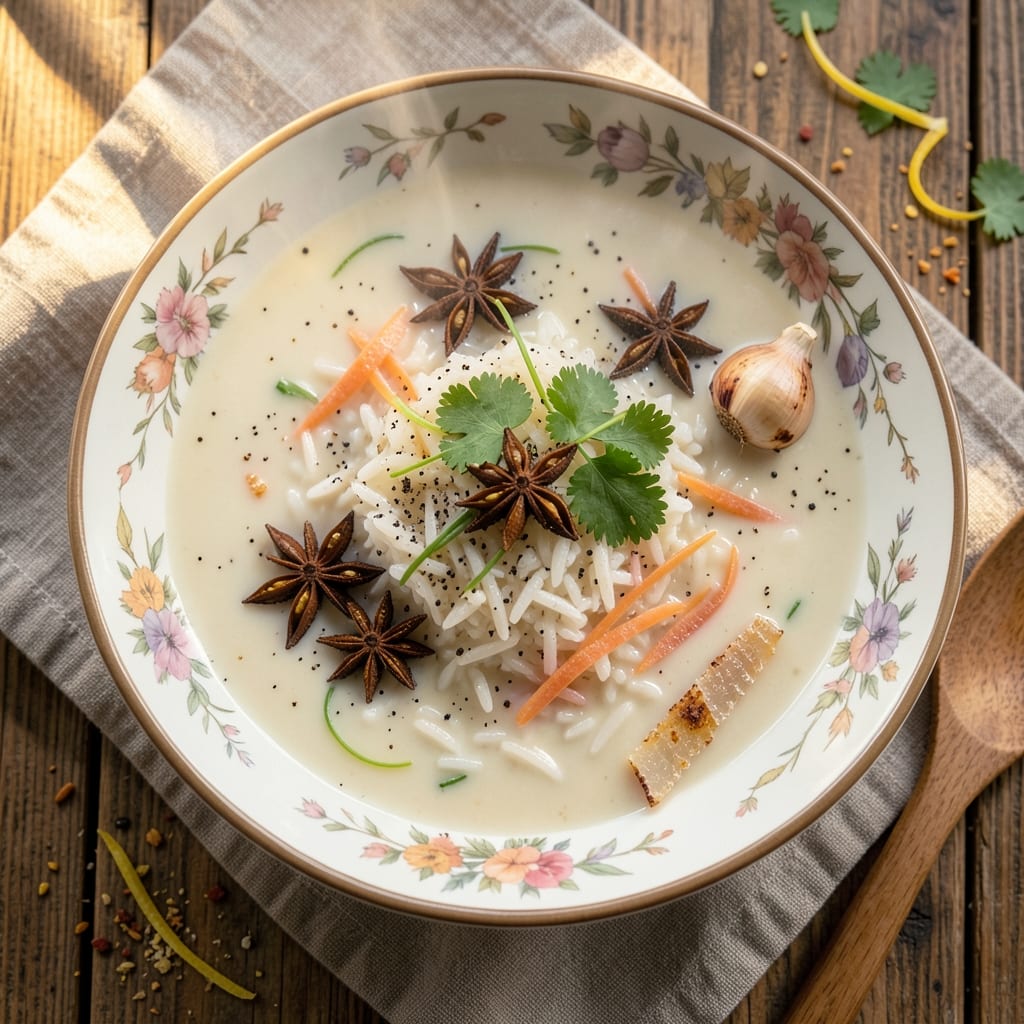
This Asian rice soup recipe transforms simple ingredients into a fragrant, comforting bowl that balances ginger's zing with star anise's warmth. The secret lies in long simmering—rice absorbs the broth's depth while aromatics infuse every spoonful, creating a texture that's creamy yet light. What starts as a humble pot of broth becomes a restaurant-quality dish that's perfect for chilly evenings or quick lunches.
The result is a soup where each element plays its part: tender rice, aromatic broth, and optional protein that melts into the flavors. Whether you're serving it as a light main or a soothing side, this recipe delivers perfect balance—savory without heaviness, fragrant without overpowering. The technique is straightforward, but the outcome feels special, making it ideal for both weeknight dinners and weekend gatherings.
Ingredients for asian rice soup
Fragrant aromatics meet simple rice for a bowl that feels like a restaurant hug.
| Ingredient | Amount | Notes |
|---|---|---|
| Jasmine Rice 🍚 | 1 cup | Uncooked, long-grain preferred |
| Fresh Ginger 🧄 | 2 tbsp | Grated, peeled, aromatic |
| Star Anise 🌟 | 2 whole | Whole pods, for infusion |
| Garlic Cloves 🧄 | 4 cloves | Minced, for depth of flavor |
| Chicken Broth 💧 | 4 cups | Low-sodium, homemade preferred |
| Coconut Milk 🥥 | 1 cup | Full-fat, for creaminess |
| Green Onions 🧅 | 3 whole | Sliced, for garnish |
| Sesame Oil 🫒 | 1 tbsp | Toasted, for aroma |
| Soy Sauce 🍶 | 1 tbsp | Light, for umami balance |
| Honey 🍯 | 1 tbsp | For subtle sweetness |
| Vegetable Oil 🫒 | 1 tbsp | For sautéing aromatics |
| Salt 🧂 | 1 tsp | Adjust to taste |
| Black Pepper 🌶️ | ½ tsp | Freshly ground |
| Shiitake Mushrooms 🍄 | 4 whole | Sliced, optional protein |
Ginger and star anise are the soul of this soup—fresh ginger from the produce section at Whole Foods or any grocery store works best, while star anise pods can be found in the spice aisle or Asian market. Look for plump, unbroken pods for maximum aroma. The jasmine rice should be long-grain and fragrant—any brand works, but Lotus Foods or Tilda are reliable choices. For broth, homemade is ideal, but a high-quality low-sodium store-bought version saves time. If you're using mushrooms, shiitake adds umami depth, but cremini or oyster mushrooms work too.
No star anise? Anise seeds or a pinch of fennel seeds will do in a pinch, though the flavor won't be identical. Swap the coconut milk for half-and-half or cream if you prefer a lighter texture, but the richness is key here. The honey can be replaced with maple syrup or agave for a vegan option. If you're short on time, pre-minced garlic from a jar works, though fresh is always better. For the soy sauce, tamari works for gluten-free, and a splash of rice vinegar can brighten the flavors if needed. The sesame oil should be toasted—check the label or lightly toast it yourself for deeper flavor.
This soup tastes even better the next day as flavors meld. Store leftovers in an airtight container in the fridge for up to 4 days, or freeze for 3 months. The rice will thicken when reheated, so add a splash of broth or water when warming. For meal prep, cook the broth and aromatics ahead, then finish with the rice and toppings fresh. Garnish with extra green onions and a drizzle of sesame oil right before serving—that's where the magic happens.
Why You'll Love This Recipe
- No Chopping Chaos: I swear by this recipe when I’m too tired to dice anything—just a quick mince of garlic and a rough chop of ginger. The star anise? Toss it whole in, then fish it out later. That’s it. No knife skills required.
- Umami Bomb: The combo of ginger’s sharp bite, star anise’s warm sweetness, and garlic simmering in the broth? It’s like a flavor explosion in a bowl. The jasmine rice soaks up every drop, turning this into a one-pot powerhouse.
- Leftovers That Shine: This soup actually tastes better the next day—yes, really. I make a big batch on Sundays, and by Wednesday, it’s still comforting, still packed with flavor. Just reheat and serve, no fuss.
- Budget Meal Magic: Jasmine rice and chicken broth stretch for miles, and star anise is one of those spices that makes everything feel special without costing a fortune. Honestly, it’s my go-to when I need a filling, satisfying meal that won’t break the bank.
Step-by-step instructions for fragrant Asian rice soup
This method delivers restaurant-quality flavor with aromatic layers of ginger, star anise, and umami-rich mushrooms.
Sauté Aromatics Until Fragrant
Heat the 1 tablespoon vegetable oil in a large pot over medium heat. Add the 4 cloves minced garlic and 2 tablespoons grated fresh ginger, stirring constantly for 1-2 minutes until the garlic turns golden and the ginger becomes fragrant. This step develops the foundation of your soup's flavor profile.
Next, add the 2 whole star anise and 4 sliced shiitake mushrooms. Cook for another 2-3 minutes until the mushrooms begin to soften and release their earthy aroma. The star anise will infuse the oil with its warm, licorice-like notes - don't skip this step as it's crucial for that authentic Asian flavor.
Build the Flavor Base
Pour in the 4 cups chicken broth and bring to a gentle simmer. Add the 1 cup jasmine rice, stirring once to distribute evenly. The rice should be submerged but not sticking together. Partially cover the pot and let it simmer for 15 minutes until the rice begins to soften.
After 15 minutes, stir in the 1 tablespoon soy sauce, 1 tablespoon honey, 1 teaspoon salt, and ½ teaspoon black pepper. Taste and adjust seasoning - you want a balance of savory, slightly sweet, and umami. The soup should be flavorful but not overpowering at this stage. This is where all the seasoning melds together.
Finish with Creamy Depth
Reduce heat to low and stir in the 1 cup coconut milk. The soup will take on a velvety texture immediately. Let it simmer gently for another 5-7 minutes, stirring occasionally, until the rice is fully tender and the soup has thickened slightly. You'll know it's ready when the rice grains are plump and the soup coats the back of a spoon.
In a small bowl, whisk together the 1 tablespoon sesame oil with 1 tablespoon water to emulsify. This creates a silky finish that carries all the aromatic flavors. Stir this mixture into the soup just before serving to distribute the sesame oil evenly without breaking the emulsion.
Garnish and Serve Perfectly
Remove the pot from heat and let the soup rest for 2-3 minutes. This allows the flavors to settle and the rice to absorb any remaining liquid. Discard the star anise pods - their purpose was flavor infusion, not consumption.
Ladle the soup into bowls and garnish each serving with 3 sliced green onions. The bright green color contrasts beautifully with the creamy soup and adds a fresh finish. Serve immediately while the aroma rises and the rice maintains its perfect texture. Each spoonful should deliver that perfect balance of fragrant ginger, umami mushrooms, and creamy coconut.
Pro Tips For Making Asian Rice Soup
- Toast the Star Anise: Drop the whole star anise into a dry pot first, set it over medium heat for 30 seconds until it sizzles and smells like a spice shop. This unlocks its aroma—no need to burn it, just let it wake up. (I used to skip this and wondered why my soup tasted flat.)
- Prep Ginger Like a Pro: Use a microplane or the largest holes of a box grater for ginger—no peeling needed. This gives you fine, even shreds that dissolve into the broth instead of sitting as chunks. (Yes, even if you’re impatient like me.)
- Simmer Rice Gently: Once the rice hits the broth, reduce heat to the lowest setting that keeps a barely visible simmer. Too much heat turns rice mushy; too little leaves it undercooked. Stir once at the start, then walk away—disturbing it ruins the texture.
- Save Time with Cold Broth: Start with cold chicken broth instead of hot—it cools the pot faster and prevents the rice from absorbing too quickly. Add the broth gradually as the rice soaks up liquid, keeping the soup creamy and consistent. (Your future self will thank you.)
Wine and beer pairings for asian rice soup
Light White Wine
This fragrant rice soup pairs beautifully with a crisp Sauvignon Blanc from New Zealand or a delicate Pinot Grigio from Italy. The wine's bright acidity cuts through the creamy coconut milk while complementing the ginger's zing. Look for a bottle with citrus notes—think grapefruit or lime—to enhance the soup's aromatic profile. I always reach for a Cloudy Bay Sauvignon Blanc when I make this dish. 🍷
Dry Riesling
A dry Riesling offers a perfect balance with its slight sweetness and mineral notes. The wine's natural acidity refreshes your palate between spoonfuls, while its subtle fruitiness harmonizes with the ginger and star anise. German Rieslings often have that perfect balance—try a Dr. Loosen Blue Slate for a premium experience. The slight honeyed notes in the wine mirror the soup's subtle sweetness from the honey.
Light Asian Beer
For beer lovers, a Japanese lager like Asahi Super Dry or Sapporo Premium Beer works wonderfully. The light, crisp profile lets the soup's flavors shine without overpowering them. The beer's subtle malt sweetness complements the coconut milk, while its clean finish cleanses your palate between bites. If you prefer something slightly hoppier, a Hazy IPA with citrus notes can also work, though it's best enjoyed on the side rather than mixed.
Herbal Tea Pairing
If you prefer non-alcoholic options, a jasmine green tea or hibiscus tea enhances the soup's aromatic experience. The floral notes of jasmine tea mirror the soup's fragrant ginger and star anise, while hibiscus tea adds a tart contrast. Brew a cup of Bigelow Jasmine Green Tea or Tazo Hibiscus to sip alongside your bowl—it's a refreshing and complementary pairing. 🍵
Spiced Rum Cocktail
For a festive touch, try a spiced rum cocktail like a Dark 'n' Stormy (rum, ginger beer, lime) or a Mulled Wine (red wine, spices, orange). The ginger beer's spicy kick echoes the soup's ginger, while the warmth of the spices complements the star anise. Mix 2 oz Gosling's Black Seal Rum with 4 oz ginger beer and a splash of lime for a refreshing sipper. This pairing feels especially cozy on chilly evenings.
Nutrition facts
Frequently asked questions
Can I use short-grain rice instead of jasmine rice?
While jasmine rice is ideal for its fragrant aroma, you can substitute short-grain rice like Calrose or sushi rice. However, the texture will be slightly stickier and less distinct. For best results, rinse the rice thoroughly before adding it to the broth to reduce stickiness. The cooking time may also need adjustment—check for tenderness after 12-15 minutes instead of 20 minutes.
How do I make this soup vegetarian?
Swap the chicken broth for vegetable broth and omit the mushrooms or use shiitake mushrooms as a meaty alternative. Add 1 cup firm tofu (cubed and pan-fried) or 1 cup edamame for protein. Boost umami with 1 tablespoon soy sauce and ½ teaspoon miso paste stirred in during the final simmer. The coconut milk and ginger will still shine as the base flavors.
Why did my rice turn mushy?
Overcooking or stirring too frequently breaks down the rice grains. For perfect texture, simmer gently after adding the rice and avoid stirring more than once every 5 minutes. If the rice is still firm after 20 minutes, add ¼ cup hot broth and simmer another 5 minutes. The coconut milk should be added only at the end to prevent over-softening.
Can I make this soup in an Instant Pot?
Yes! Sauté the aromatics as directed, then add broth, rice, and seasonings. Seal the lid and cook on High Pressure for 6 minutes, followed by a 10-minute natural release. Stir in coconut milk and sesame oil mixture off the heat. The Instant Pot version cooks 30% faster but requires close monitoring to avoid overcooking the rice.
What's the best way to store leftovers?
Let the soup cool completely, then store in an airtight container in the fridge for up to 4 days. Reheat gently on the stove with 1-2 tablespoons broth or water to restore creaminess. For freezing, portion into containers and freeze for up to 3 months. Thaw overnight in the fridge—never microwave directly from frozen to preserve texture.