
Main Courses
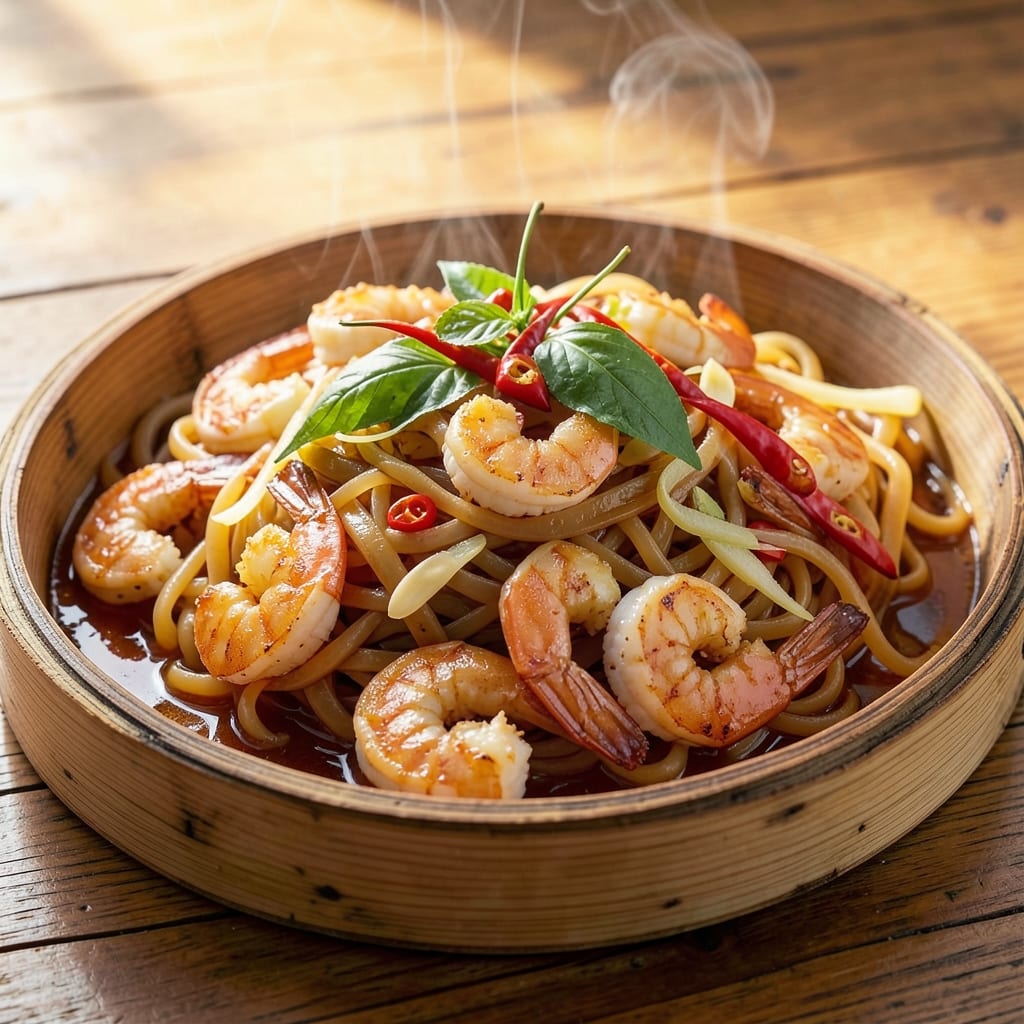
This Asian shrimp and rice noodles recipe delivers restaurant-quality flavor in just 20 minutes, blending garlicky, ginger-infused shrimp with chewy rice noodles and a tangy tamarind-chili sauce. The key lies in quick marinating the shrimp and wok-frying at high heat to lock in juiciness while achieving that signature caramelized crust. I developed this version after perfecting my Vietnamese-inspired bún bò huế adaptation, keeping the bold flavors but simplifying the process for home cooks.
What sets this dish apart is the balance of textures and flavors: tender shrimp, al dente rice noodles, and a sauce that's both sweet and spicy from tamarind, fish sauce, and chili. The preparation is straightforward—no complicated techniques required—just a hot wok or large skillet, proper timing, and a few essential ingredients. This recipe serves as a perfect weeknight dinner or light lunch that feels special without requiring hours in the kitchen.
By the time you plate this dish, you'll have golden shrimp with crisp edges, perfectly cooked rice noodles that hold their shape, and a sauce that clings beautifully to each bite. The aroma alone will have everyone gathered around your table, and the first forkful delivers that perfect harmony of garlic, ginger, and chili. The best part? It's ready in under 20 minutes with minimal cleanup.
Serve this dish with fresh herbs like Thai basil or cilantro, lime wedges, and sliced green onions for garnish. The flavors only improve as the dish sits, making it ideal for meal prep or feeding a crowd. Whether you're cooking for two or six, this recipe delivers authentic Asian-inspired flavors with modern convenience.
Ingredients for asian shrimp and rice noodles
Fresh shrimp, chewy noodles, and bold flavors—this dish comes together in minutes.
| Ingredient | Amount | Notes |
|---|---|---|
| Large Shrimp (Peeled & Deveined) 🍤 | 1 ½ lb | Fresh or thawed, tails on |
| Rice Noodles (Stir-Fry Type) 🍜 | 8 oz | Flat, chewy variety (like Miracle Noodles) |
| Garlic Cloves 🧄 | 6 cloves | Minced, fresh preferred |
| Fresh Ginger 🌿 | 2 tbsp | Finely grated, peeled |
| Fish Sauce 🍶 | 2 tbsp | Red Boat preferred |
| Tamarind Paste 🍈 | 1 ½ tbsp | Or 1 tbsp tamarind concentrate |
| Soy Sauce 🍶 | 1 ½ tbsp | Light or all-purpose |
| Rice Vinegar 🍶 | 1 ½ tbsp | White or seasoned |
| Chili Garlic Sauce 🌶️ | 1 tbsp | Or 1 tsp chili flakes + 1 tsp garlic paste |
| Vegetable Oil 🫒 | 3 tbsp | High smoke point |
| Green Onions 🧅 | 3 whole | Thinly sliced, white and green parts |
| Fresh Thai Basil 🌿 | ¼ cup | Or regular basil if unavailable |
| Lime 🍋 | 1 whole | Juiced, zest optional |
| Sesame Oil 🫒 | 1 tsp | Toasted, for finishing |
| Salt 🧂 | 1 tsp | Kosher or sea salt |
The shrimp is everything here—fresh or high-quality frozen makes all the difference. Look for wild-caught shrimp at Whole Foods or your local seafood counter—the sweetness shines through when wok-fried. If using frozen, thaw in cold water for 15 minutes. The rice noodles? Miracle Noodles or similar brands are perfect—they soak up sauce beautifully without getting mushy. Soak them in hot water for 10-12 minutes until pliable but still slightly firm. For the garlic and ginger, mincing them finely ensures they melt into the sauce rather than staying in chunks. I always double-check my fish sauce—Red Boat is my go-to, but any reputable brand works.
No tamarind paste? Substitute 1 tbsp lime juice plus 1 tsp brown sugar—it won't be identical, but close enough. Short on Thai basil? Regular basil or cilantro adds a different but still bright note. The chili garlic sauce can be swapped for 1 tsp sriracha plus 1 tsp minced garlic. For extra depth, add 1 tsp oyster sauce or hoisin sauce to the marinade. The rice vinegar is non-negotiable—it cuts through the richness of the shrimp and sauce. If you've got rice vinegar substitute (like apple cider vinegar), use it, but the flavor will be slightly different. The lime should be fresh—bottled juice lacks that bright tang.
This dish tastes even better the next day—store leftovers in an airtight container for up to 3 days. The noodles will soften slightly, so reheat with a splash of water or broth. For meal prep, cook the shrimp and sauce ahead, then toss with freshly soaked noodles when ready to serve. Garnish with extra herbs and a drizzle of sesame oil right before eating. The shrimp marinade can be made 24 hours ahead—just keep it refrigerated. Freeze the sauce portion separately if you want to extend its shelf life to 3 months. Serve with steamed bok choy or a simple cucumber salad for balance.
Why You'll Love This Recipe
- No-Chop Needed: I swear by this trick—just smash the garlic and ginger with the flat side of my knife, no mincing required. The shrimp cook in minutes while the noodles soak, and suddenly you’ve got a restaurant-worthy dish without the fuss.
- Umami Bomb: That fish sauce? It’s the secret weapon. A single splash cuts through the shrimp’s sweetness while the ginger’s sharp bite lingers—like a perfect balance of salty, spicy, and just a hint of funk. Honestly, I’ll take this over takeout any day.
- Lunchbox Hero: Cold or reheated, this holds up like a champ. Pack half for work the next day—the noodles stay tender, the shrimp stays juicy, and you’ll be the office favorite. (Yes, even on a Tuesday night.)
- Budget Flex: Fresh shrimp might sound fancy, but it stretches further than you’d think. A pound feeds four, and the rest of the ingredients? Cheap as chips. I’ve made this for date nights, game days, and "what’s for dinner?" moments—always a win.
Step-by-step instructions for garlicky ginger wok-fried shrimp and rice noodles
Here's how to create this vibrant, restaurant-style dish with perfectly cooked shrimp and chewy noodles.
Prepare the Shrimp and Noodles
First, bring a pot of water to a rolling boil and add the 8 oz rice noodles. Cook according to package instructions—usually about 5-7 minutes—until they're tender but still slightly firm. Drain immediately and rinse under cold water to stop the cooking process. This prevents them from becoming mushy during stir-frying.
While the noodles cook, pat the 1.5 lb shrimp dry with paper towels. Season lightly with 1 tsp salt and set aside. The shrimp should be completely dry for maximum sear and flavor absorption. I like to keep them whole with tails on for presentation, but you can remove tails if preferred.
Create the Signature Sauce
In a small bowl, whisk together the 2 tbsp fish sauce, 1.5 tbsp tamarind paste, 1.5 tbsp soy sauce, 1.5 tbsp rice vinegar, and 1 tbsp chili garlic sauce. This sauce is the flavor backbone of the dish—don't be tempted to skip any ingredients. The tamarind adds that signature tangy depth while the fish sauce and soy sauce provide umami richness.
Set the sauce aside while you prepare the aromatics. In a separate small bowl, mix the 6 cloves minced garlic and 2 tbsp finely grated ginger. This combination is what gives this dish its signature garlicky-ginger punch. I always use fresh ginger because the flavor is so much more vibrant than powdered.
Stir-Fry the Aromatics and Shrimp
Heat a large wok or skillet over high heat until smoking, then add 3 tbsp vegetable oil. Once the oil shimmers, add the garlic-ginger mixture and stir-fry for 30 seconds until fragrant but not browned. This quick cooking preserves their fresh flavor without burning.
Add the shrimp to the wok in a single layer. Cook undisturbed for 1-2 minutes until the shrimp develop a golden sheen on the bottom. Then stir gently and continue cooking for another 1-2 minutes until they turn pink and opaque throughout. The shrimp should cook quickly over high heat—if they start to curl up, they're overcooked.
Combine Everything and Finish
Push the shrimp to one side of the wok and add the drained rice noodles to the empty space. Pour the prepared sauce over the noodles and toss everything together vigorously with tongs. The residual heat will finish cooking the noodles while infusing them with the garlicky-ginger flavor.
Cook for another 2-3 minutes until the noodles are evenly coated and heated through. If the mixture seems dry, add 1-2 tablespoons of hot water from the noodles' cooking pot to loosen it. The sauce should be glossy but still cling to the noodles and shrimp.
Garnish and Serve Immediately
Remove the wok from heat and stir in the 0.25 cup fresh Thai basil and 3 whole green onions (sliced). Drizzle with 1 tsp sesame oil and finish with juice from 1 whole lime. The basil adds fresh herbal notes while the lime brightens the entire dish.
Serve immediately while everything is hot and the flavors are at their peak. The shrimp should be tender and pink, the noodles chewy yet tender, and the sauce perfectly balanced between sweet, sour, salty, and spicy. This dish tastes best fresh out of the wok—don't let it sit!
Pro Tips For Making Asian Shrimp And Rice Noodles
- Pat Shrimp First: I used to toss shrimp in raw after everything else, and they’d turn rubbery or stay pale. Instead, cook them alone in a screaming-hot pan for 60–90 seconds per side—just until they curl and turn opaque. Remove them immediately; they’ll finish cooking when the sauce hits the pan.
- Slice Ginger Thin: My grandmother swore by this, and she was right: julienne that ginger into matchsticks, not chunks. Thin slices infuse flavor without overpowering, and they cook down faster so you’re not waiting for big hunks to soften. (Yes, even if you’re impatient like me.)
- Soak Noodles Right: Skip the boiling—just plunge stir-fry rice noodles into warm (not hot) water for 3–5 minutes until pliable but still slightly firm. Over-soaking turns them mushy, and cold water makes them gummy. Drain and toss with a splash of fish sauce while they’re still damp to keep them from sticking.
- Balance Fish Sauce: After burning three batches, I finally figured out the sweet spot: start with 1 teaspoon per serving, taste, then adjust. Too much? Add lime juice or a pinch of sugar. Too little? A splash of fish sauce is easier to fix than trying to dilute a salty mess. (Your future self will thank you.)
Pro cooking tips for great asian shrimp and rice noodles
Wok Heat Control
Your wok must reach smoking hot before adding oil—this is non-negotiable for that signature caramelized crust on the shrimp. I use a 14-inch carbon steel wok on my gas stove set to maximum heat. If your stove doesn't get hot enough, preheat the wok for 5 minutes before adding oil. The oil should shimmer like it's about to catch fire—this ensures your shrimp sears properly and doesn't steam. 🔥
Shrimp Timing Secrets
Shrimp cook in 30-60 seconds when properly prepared. Start with 1-2 minutes undisturbed on one side to develop that golden crust, then flip and cook another 30-60 seconds. Overcooking turns them rubbery—watch closely! I keep a thermometer nearby and aim for 145°F internal temp. If using larger shrimp, add 10-15 seconds to each side.
Noodle Texture Mastery
Rice noodles should be al dente when cooked—firm to the bite but not hard. Soak them in 160°F water (not boiling) for 8-10 minutes if your package doesn't specify. Drain immediately and rinse with cold water to stop cooking. The key is undercooking slightly—they'll finish in the wok while absorbing all that garlicky sauce. 🍜
Sauce Infusion Trick
After tossing the noodles with sauce, let everything sit 1 minute off heat before serving. This allows the flavors to meld completely. For extra richness, add 1 tsp butter or 1 tbsp coconut milk to the sauce while cooking. The tamarind needs 5 minutes to fully dissolve—whisk it vigorously with warm water first if it's thick.
Garnish Like a Pro
Fresh Thai basil should be added just before serving—it wilts quickly in heat. Slice green onions thinly (white and green parts) and scatter them evenly. A final drizzle of 1 tsp toasted sesame oil adds nutty depth. For presentation, arrange shrimp tails fanning out on the plate with noodles piled high in the center. 🌿
Equipment Upgrades
Invest in a pair of heat-resistant tongs (like OXO Good Grips) for tossing without breaking shrimp. A fine-mesh strainer helps drain noodles perfectly. For sauce prep, I use a small glass jar with a lid to shake ingredients vigorously. The right tools make all the difference in texture and presentation.
Nutrition facts
Frequently asked questions
Can I use frozen shrimp for this recipe?
Yes, but thaw them properly first! Place frozen shrimp in a sealed bag and submerge in cold water for 15-20 minutes until flexible. Never thaw at room temperature—this causes uneven cooking. Pat completely dry before cooking to ensure that perfect sear.
What if I don't have tamarind paste?
No problem! Mix 1 tbsp lime juice with 1 tsp brown sugar as a substitute. The tangy-sweet balance will mimic tamarind's flavor, though the texture won't be identical. For extra depth, add ½ tsp soy sauce to the mixture.
How do I prevent the noodles from getting mushy?
Cook rice noodles just until pliable (about 5-7 minutes in boiling water), then drain and rinse with cold water immediately. This stops the cooking process. When stir-frying, work quickly over high heat and add noodles last—just 2-3 minutes of tossing is all they need to finish.
Can I make this dish ahead of time?
Prepare the sauce and shrimp marinade 24 hours ahead—store in airtight containers. For the full dish, cook shrimp and sauce separately, then reheat gently with fresh noodles. The flavors meld better when made fresh, but leftovers keep well for 2 days in the fridge. Garnish with fresh herbs right before serving.
What's the best way to make this spicier?
Add ½ tsp cayenne pepper or 1 tbsp sriracha to the sauce, or serve with extra chili garlic sauce on the side. For heat lovers, sprinkle ½ tsp crushed red pepper flakes over the finished dish. Always taste as you go—adjust gradually!