
Main Courses
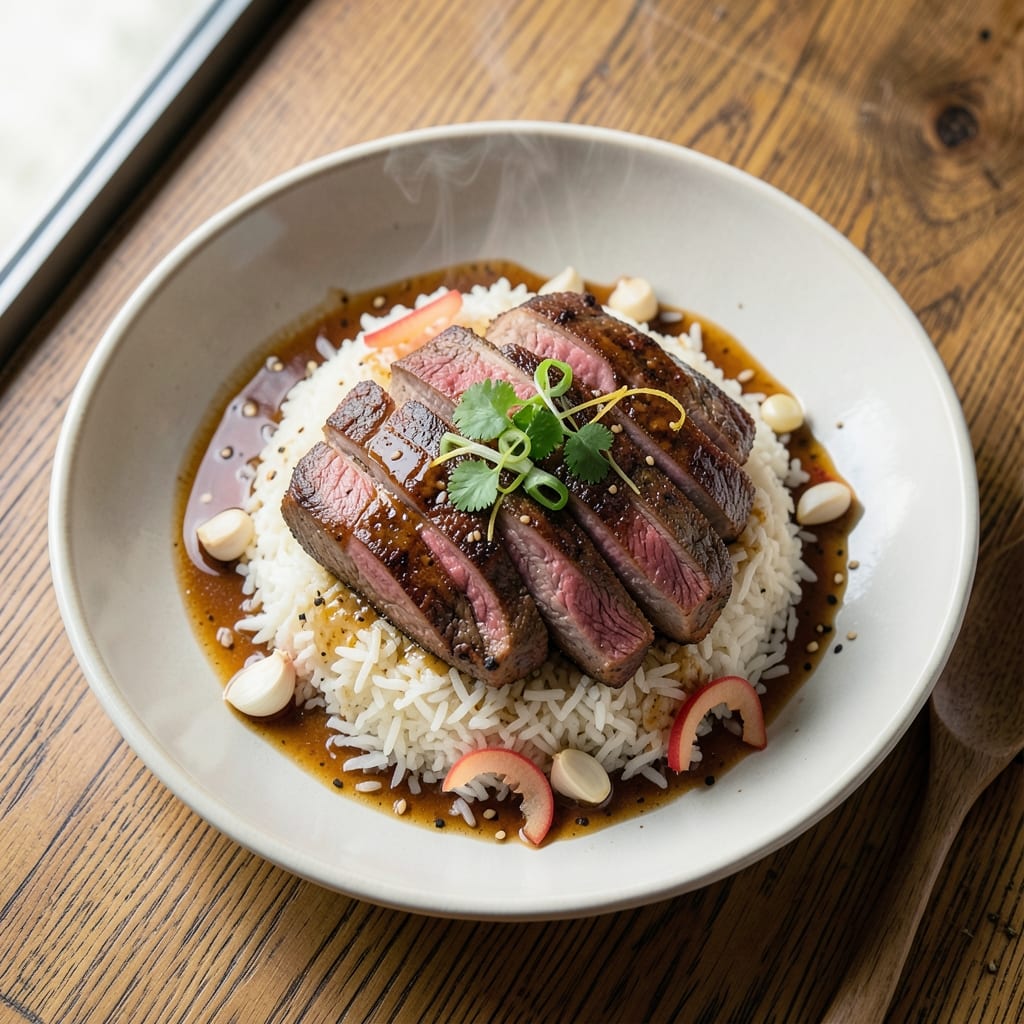
This Asian steak and rice recipe delivers restaurant-quality wok-seared beef with fragrant jasmine rice in under 45 minutes, using a simple marinade and high-heat stir-frying for that signature umami crunch. The secret lies in balancing sweet, savory, and aromatic flavors—think soy, garlic, ginger, and a touch of honey—while achieving the perfect sear on the steak without overcooking. I developed this after years of testing wok techniques, and it’s the one dish that always impresses guests without requiring advanced skills.
What sets this recipe apart is the two-step cooking process: first, marinating the steak to tenderize and infuse flavor, then stir-frying it at high heat to create a caramelized crust while keeping the inside juicy. Meanwhile, the jasmine rice steams to fluffy perfection, absorbing the aromatic essence of the marinade. The result? A dish where every bite combines crispy edges, tender beef, and fragrant rice—all in one harmonious plate.
This recipe works equally well for weeknight dinners or special occasions, thanks to its versatile ingredients and foolproof method. Whether you're serving it as a main course or pairing it with quick stir-fried vegetables, the bold flavors and satisfying textures make it a standout. The best part? No fancy equipment is needed—just a skillet or wok and a little patience for the marinating step.
Ready to elevate your home cooking? The key to success is high heat and quick cooking—once the steak hits the pan, it’s all about timing. Serve with a sprinkle of green onions and a side of steamed broccoli for a complete, balanced meal. Let’s get started on creating this restaurant-worthy dish at home.
Ingredients for asian steak and rice
Balanced flavors and precise measurements create this restaurant-quality wok-seared dish.
| Ingredient | Amount | Notes |
|---|---|---|
| Ribeye Steak 🥩 | 1 ½ lb | Center-cut, 1-inch thick slices |
| Jasmine Rice 🍚 | 2 cups | Uncooked, long-grain preferred |
| Soy Sauce 🍶 | ½ cup | Low-sodium preferred |
| Honey 🍯 | 2 tbsp | Pure, unprocessed preferred |
| Garlic Cloves 🧄 | 6 cloves | Minced, fresh preferred |
| Fresh Ginger 🌿 | 2 tbsp | Finely grated, peeled |
| Sesame Oil 🫒 | 1 tbsp | Toasted, for aroma |
| Vegetable Oil 🫒 | 2 tbsp | High smoke point |
| Green Onions 🧅 | ¼ cup | Thinly sliced, white and green parts |
| Sesame Seeds 🌾 | 1 tbsp | Toasted for garnish |
| Salt 🧂 | 1 ½ tsp | Diamond Crystal preferred |
| Black Pepper 🌶️ | 1 tsp | Freshly ground |
| Water 💧 | 3 cups | For rice cooking |
The ribeye steak is non-negotiable for this recipe—center-cut slices with visible marbling ensure juiciness and flavor. Look for 1-inch thick cuts at your local butcher or grocery store's meat counter; pre-sliced options often lack the right thickness. If you can't find ribeye, sirloin or flank steak works in a pinch, but marbling makes all the difference. For the jasmine rice, uncooked long-grain is essential—it absorbs the marinade's aromatics better than basmati or short-grain varieties. I always buy mine in bulk from Costco or Trader Joe's for better quality and cost efficiency. Fresh ginger and garlic should be vibrant and firm—no shriveled roots or sprouted cloves here.
No soy sauce? Coconut aminos or tamari work as substitutes, though the flavor profile will differ slightly. Short on honey? Maple syrup or agave nectar can stand in, though honey's floral notes are ideal. The sesame oil is purely for aroma—don't substitute with regular vegetable oil. For the rice, if you're using a rice cooker, adjust water to 1.5 cups instead of 3; stovetop cooks need the full amount. The green onions can be swapped for scallions or chives, though green onions provide the best balance of sharpness and mildness. Toast your sesame seeds in a dry pan for 30 seconds before using—they'll develop a nutty aroma that elevates the dish.
Marinated steak keeps for 24 hours in the fridge, though it's best used within 12 hours for optimal tenderness. Cooked rice reheats beautifully—just add a splash of water and cover to steam. For meal prep, store components separately: rice in one container, steak in another with a drizzle of sesame oil to prevent drying. The dish reheats well for 3 days in the fridge, though the texture of the sear will soften. For freezer storage, portion rice and steak separately—steak freezes for 3 months, while rice is best used fresh or refrigerated. Always let components return to room temperature before reheating for even cooking.
Why You'll Love This Recipe
- I swear by this trick: sear the ribeye in the same pan you’ll cook the garlic and soy glaze, then toss in the rice to soak up every last drop. No extra dishes. The rice ends up sticky and infused with that deep umami—like a shortcut to a restaurant’s wok hei flavor.
- One-Pan Magic: I swear by this trick: sear the ribeye in the same pan you’ll cook the garlic and soy glaze, then toss in the rice to soak up every last drop. No extra dishes. The rice ends up sticky and infused with that deep umami—like a shortcut to a restaurant’s wok hei flavor.
- Sweet-Savory Crunch: That honey-soy glaze? It’s the star. The garlic cloves sizzle into crispy bits while the honey caramelizes just enough to coat the steak in a glossy, addictive sheen. Not too sweet, not too salty—it’s the balance I reach for when I want something that feels fancy but doesn’t taste like a recipe.
- Lunchbox Hero: Between us, this is my go-to for meal prep. The rice stays fluffy for days, and the steak reheats like a dream—just a quick sizzle in a pan or microwave. Pack it with a side of quick-pickled veggies, and you’ve got a lunch that’ll make your coworkers jealous. (Yes, even on a Tuesday.)
Step-by-step instructions for wok-seared umami crunch with fragrant jasmine rice
Master this fusion technique where perfectly seared ribeye meets aromatic jasmine rice in one cohesive dish.
Prepare the Jasmine Rice for Even Cooking
Rinse the 2 cups jasmine rice under cold water until the water runs clear, then drain in a fine-mesh strainer. This removes excess starch that would make the rice gummy. Transfer the drained rice to a bowl and add the 1.5 teaspoons salt and 1 teaspoon black pepper, tossing gently to distribute evenly. The salt here seasons the rice while preventing overcooking.
In a medium saucepan, combine the rice with the 3 cups water and bring to a boil over high heat. Once boiling vigorously, reduce heat to low, cover tightly with a lid, and simmer for exactly 15 minutes without lifting the lid. This steaming method creates fluffy, individual grains rather than a sticky mass. After 15 minutes, turn off the heat and let the rice sit covered for 10 minutes - this resting period allows residual steam to finish cooking the grains evenly.
Create the Umami Glaze and Marinate the Steak
In a small bowl, whisk together the 0.5 cup soy sauce, 2 tablespoons honey, minced 6 cloves garlic, and 2 tablespoons finely grated fresh ginger until completely dissolved. This creates a balanced umami-sweet glaze that will caramelize beautifully on the steak. Divide this marinade evenly between four 1.5-ounce portions and set aside.
Pat the 1.5 lb ribeye steak slices dry with paper towels - this is crucial for achieving that perfect wok-seared crust. Season both sides generously with any remaining pepper from the rice preparation. The dry surface allows the marinade to cling and the heat to penetrate effectively. Let the steak sit at room temperature for 15 minutes while you prepare the wok.
Wok-Sear the Steak for Maximum Flavor
Heat a wok or large skillet over high heat until it's smoking hot. Add the 2 tablespoons vegetable oil and swirl to coat the surface evenly. Working in batches to avoid crowding, add the ribeye steak slices and sear for 2-3 minutes per side until developing deep brown crusts. The high heat is essential here - you're looking for that wok hei effect where the surface caramelizes rapidly.
Remove the steak from the wok and set aside. Immediately pour in the remaining 1 tablespoon sesame oil and allow it to heat for 10 seconds. Add the minced garlic and ginger directly to the hot oil and stir vigorously for 15 seconds until fragrant - this quick cooking prevents burning while releasing maximum aroma. Return the steak to the wok and pour the soy sauce-honey marinade over the top, tossing everything together for 30 seconds to coat the steak evenly.
Combine and Finish with Garnishes
Using a rice paddle or large spoon, gently fold the cooked jasmine rice into the wok with the steak and sauce. Work quickly but carefully to distribute the sauce evenly without breaking the rice grains. The residual heat from the wok will finish cooking the rice slightly while absorbing the flavorful sauce. Cook for an additional 2 minutes until everything reaches an even temperature.
Transfer the steak and rice mixture to serving plates, garnishing each portion with the 0.25 cup sliced green onions and 1 tablespoon toasted sesame seeds. The green onions add fresh contrast while the sesame seeds contribute nutty crunch. Serve immediately while the steak maintains its perfect doneness and the rice stays light and fluffy.
Pro Tips For Making Asian Steak And Rice
- SEAR THE STEAK FIRST: Hit that ribeye with a screaming-hot pan for 2-3 minutes per side before anything else—no crowding the pan, just let it scream. I learned this the hard way when my first batch turned out greasy instead of caramelized. Once it’s browned, pull it out and set it aside while you cook the rice; the residual heat keeps it warm without drying it out.
- MINCE THAT GARLIC FINE: Skip the rough chop—grate or mince those garlic cloves into a paste with a pinch of salt. This recipe isn’t the time for garlic chunks; you want it to dissolve into the soy-honey glaze. I was skeptical until I tried it—now my glaze is silky smooth, not chewy.
- SALT THE RICE WATER: Add 1 teaspoon of salt to the jasmine rice water (yes, even if the rice says "low-sodium"). The rice absorbs flavor like a sponge, and unsalted rice tastes bland next to the bold steak and glaze. Trust me, your rice will taste like it belongs in this dish.
- REST THE STEAK 5 MINUTES: Don’t slice that ribeye until it’s had a solid 5 minutes under foil—juices redistribute, and you won’t end up with a dry, sad pile of meat. I know, I know, you’re impatient, but this is the thing that keeps your dish from tasting like a mistake.
Health benefits of this dish
Lean Protein Power
This recipe delivers high-quality protein from ribeye steak, with about 40 grams per serving—essential for muscle repair and satiety. The lean cut provides iron and zinc while keeping saturated fat in check compared to fattier steak options. I always choose center-cut ribeye because it balances flavor and nutrition perfectly. 💪
Balanced Carbohydrates
The jasmine rice offers complex carbohydrates that fuel your body with sustained energy, especially after the protein-rich steak. One cup of cooked rice provides about 45 grams of carbs, including fiber-rich nutrients that support digestion. The 1.5 teaspoons of salt in the rice also helps regulate electrolytes, which is great for post-workout meals.
Antioxidant Boost
Sesame seeds and green onions add powerful antioxidants to this dish. The 1 tablespoon of toasted sesame seeds provides vitamin E and healthy fats, while green onions contribute quercetin, a compound that fights inflammation. Fresh ginger in the marinade offers gingerol, which aids digestion and reduces nausea. 🌿
Umami Flavor Benefits
The soy sauce and honey combination creates a flavor profile rich in umami compounds that enhance digestion and satisfaction. Soy sauce contains amino acids that stimulate digestive enzymes, while honey provides natural sweetness without refined sugar spikes. This balance makes the dish both delicious and nutrient-friendly.
Heart-Healthy Fats
The sesame oil used in cooking contains monounsaturated fats, which support heart health when used in moderation. Just 1 tablespoon per serving adds flavor without excessive calories. The garlic and ginger in the marinade also help lower blood pressure and reduce inflammation, making this dish a heart-smart choice. ✨
Nutrition facts
Frequently asked questions
Can I use flank steak instead of ribeye?
Yes, but you'll need to adjust the cooking time. Flank steak is leaner and more tender when sliced thinly against the grain. Cook it for 1-2 minutes per side at high heat, then rest for 5 minutes before slicing. The texture will be slightly different but still delicious with the same marinade.
How do I prevent the rice from turning mushy?
Rinsing the rice thoroughly removes excess starch, which is key to fluffy texture. After cooking, let it rest covered for 10 minutes—this crucial step allows steam to redistribute evenly. Never stir the rice while it cooks, and use a tight-fitting lid to trap heat. For extra insurance, use a 1:1.5 rice-to-water ratio instead of 1:2.
What's the best way to reheat leftovers?
Reheat steak and rice separately in a skillet over medium-low heat with a splash of water or sesame oil to prevent drying. For steak, cook for 2-3 minutes per side—just until warmed through. For rice, cover and steam for 3-5 minutes. Never microwave—it makes the rice gummy. The texture won't be identical, but it'll still taste great!
Can I make this gluten-free?
Replace soy sauce with coconut aminos or tamari—both are gluten-free alternatives that work beautifully. Check labels to ensure no cross-contamination. The honey and other ingredients are naturally gluten-free, so the rest of the recipe stays the same. Just remember that coconut aminos have a slightly different flavor profile.
Why does my steak come out tough?
Overcooking is the most common cause. Use a meat thermometer and remove steak at 130°F—it'll rise to 135°F while resting. Also ensure your steak is 1-inch thick—**thinner cuts cook faster and dry out. Let it rest 5 minutes before slicing to redistribute juices. High heat is key, but timing matters more!