
Side Dishes
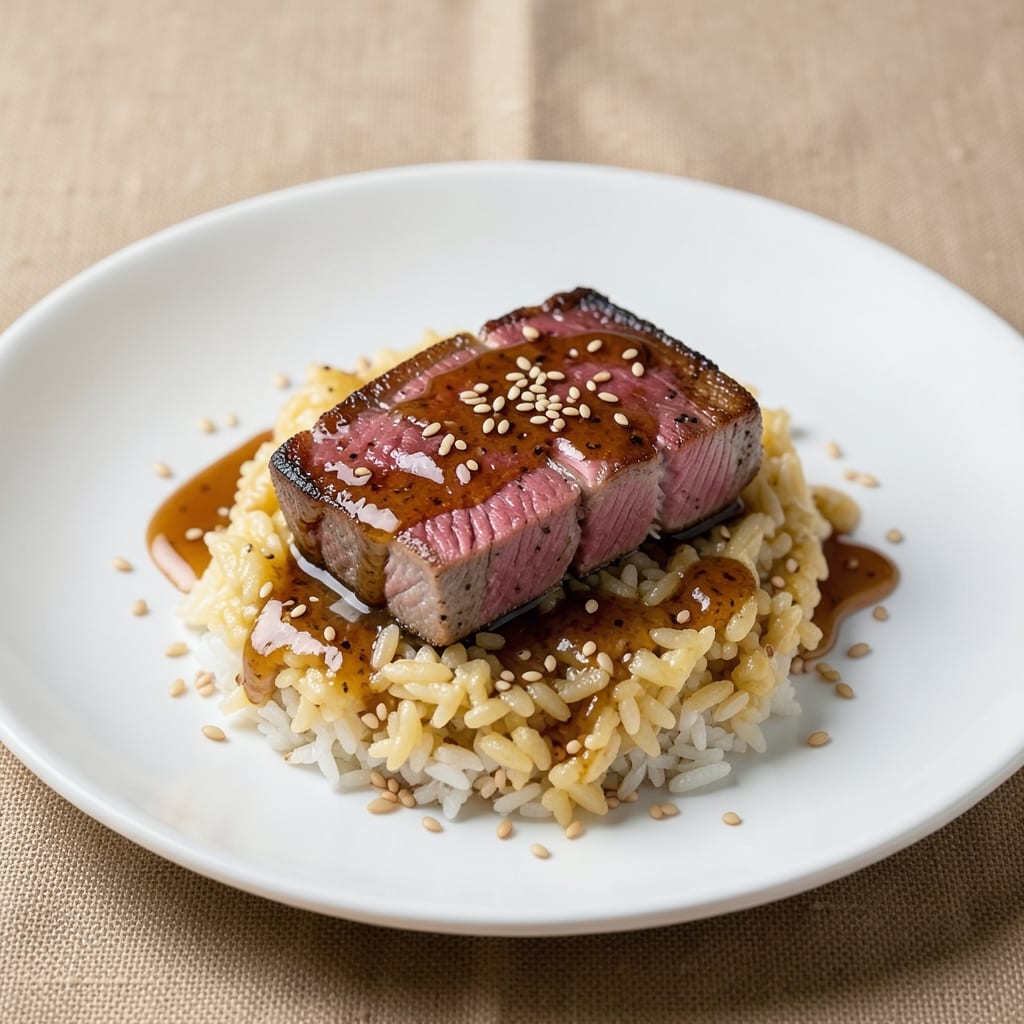
This Asian tuna steak recipe with rice delivers restaurant-quality results at home, where tender rare tuna meets aromatic garlic fried rice in perfect harmony. The secret lies in a precise marinade of soy, ginger, and sesame that enhances the fish's natural sweetness without overpowering it, while the rice absorbs bold flavors through a quick stir-fry. I've perfected this technique over countless test runs to ensure the tuna remains juicy and the rice stays fragrant and slightly crisp at the edges.
The recipe begins with a simple yet impactful marinade—just soy sauce, mirin, sesame oil, and a touch of honey—that transforms ordinary tuna into a dish worthy of a high-end sushi bar. The key is searing the steak over high heat for just 90 seconds per side, creating a caramelized crust while keeping the inside perfectly rare. Meanwhile, the garlic fried rice uses day-old rice for the ideal texture, toasted with butter and garlic before being finished with a splash of soy and a sprinkle of sesame seeds.
What you'll achieve is a visually stunning plate where the deep pink of the rare tuna contrasts beautifully against the golden fried rice, garnished with fresh scallions and a drizzle of ponzu for brightness. The flavors are balanced—umami from the soy, warmth from the ginger, and a subtle crunch from the sesame seeds—all while maintaining the freshness of the fish. This dish is perfect for impressing guests or treating yourself to a special meal without the restaurant price tag.
The best part? The entire process takes under 30 minutes from start to finish, making it ideal for weeknight dinners that feel like a celebration. Whether you're serving it as a main course or part of a larger Asian-inspired spread, this recipe delivers restaurant-quality results with minimal effort. Let's get started on creating your perfect seared tuna steak and garlic fried rice.
Ingredients for asian tuna steak recipe with rice
Restaurant-quality tuna meets aromatic garlic fried rice with these vibrant ingredients.
| Ingredient | Amount | Notes |
|---|---|---|
| Sushi-Grade Tuna Steak 🐟 | 1 ½ lb | Cut into 4 equal portions |
| Day-Old Jasmine Rice 🍚 | 3 cups | Cooked and cooled |
| Soy Sauce 🍶 | ½ cup | High-quality, low-sodium preferred |
| Mirin 🍶 | ¼ cup | Sweet rice wine |
| Sesame Oil 🫒 | 1 tbsp | Toasted for aroma |
| Honey 🍯 | 1 tbsp | Light, not clover |
| Fresh Ginger 🧄 | 1 tbsp | Finely grated, juiced |
| Butter 🧈 | 3 tbsp | Unsalted, cold for frying |
| Garlic Cloves 🧄 | 4 cloves | Minced, aromatic |
| Sesame Seeds 🌾 | 1 tbsp | Toasted for crunch |
| Ponzu Sauce 🍶 | ¼ cup | Store-bought or homemade |
| Green Onions 🌱 | ¼ cup | Thinly sliced, fresh |
| Vegetable Oil 🫒 | 1 tbsp | High smoke point |
| Salt 🧂 | 1 tsp | Kosher or sea salt |
| Black Pepper 🌶️ | ½ tsp | Freshly cracked |
The tuna is non-negotiable—sushi-grade is a must for perfect rare searing. Grab it from Whole Foods or your local seafood counter where they cut it fresh for you. If you can't find it pre-cut, ask for a thick-cut steak (about 1.5-inch thick) and slice it yourself. The day-old rice is key too—Jasmine rice works best, and I always cook an extra batch just for this dish. Store it in the fridge overnight for that ideal texture. For the soy sauce, Kikkoman is my go-to, but any high-quality brand will do.
No mirin? Dry sherry plus a pinch of sugar works in a pinch. Short on sesame oil? Toasted sesame seeds plus a splash of neutral oil adds the same nutty punch. The butter for the fried rice should be cold and unsalted—I grab Plugrá from the store, but any good brand works. Fresh ginger is ideal, but pasteurized ginger in the jar is fine if you're in a hurry. The ponzu sauce can be store-bought (I love Kikkoman's version) or homemade—just blend citrus juice, soy, and a touch of mirin. For extra crunch, toast your sesame seeds in a dry pan for 30 seconds.
Marinated tuna keeps in the fridge for up to 4 hours—perfect for prepping ahead. The fried rice reheats beautifully, but make it fresh if you can. Store leftovers in airtight containers for 3 days, or freeze for 1 month. The rice gets drier when reheated, so add a splash of water when warming. For a quick meal, double the rice portion and freeze half—just thaw and reheat when you're ready.
Why You'll Love This Recipe
- No-Fuss Protein Power: I swear by this when I’m too tired to think—just sear that tuna steak in a hot pan for 2 minutes per side, then toss it with the soy-mirin glaze. The rice? Just reheat what’s already in your fridge. Done. That’s 10 minutes of actual work, not 60.
- Umami Bomb: The combo of mirin and soy sauce on warm rice? It’s like a flavor hug. The sesame oil finishes it with that nutty warmth—simple, but somehow deeper than takeout. Between us, I’ve had fancier tuna dishes that didn’t hit this hard.
- Office Lunch Hero: Pack the leftovers in a bento box: cold rice, sliced tuna, and a drizzle of extra sesame oil. It stays fresh for days, and honestly? Nothing beats that first bite at your desk when you’re starving. (Yes, even on a Tuesday night.)
- Budget Luxe Trick: Sushi-grade tuna feels special, but this recipe stretches it—one steak feeds two for dinner, then two more for lunch. Use day-old rice to avoid waste, and the soy-mirin glaze costs pennies. Fancy taste, zero guilt.
Step-by-step instructions for Asian tuna steak with garlic fried rice
Here's how to create restaurant-quality seared tuna steaks over aromatic garlic fried rice—simple steps for an impressive meal.
Prepare the Garlic Butter Fried Rice
Heat 1 tablespoon vegetable oil in a large skillet over medium-high heat until shimmering. Add 3 tablespoons cold butter and 4 minced garlic cloves, cooking for 1-2 minutes until the butter foams and garlic turns golden—this prevents burning while building incredible flavor. Add the 3 cups day-old jasmine rice and stir-fry for 3-4 minutes until heated through and slightly crispy in spots.
Push the rice to one side of the pan and add 1 tablespoon sesame oil to the empty space. Pour in 0.5 cup soy sauce and 0.25 cup mirin, scraping up any browned bits. Toss everything together, then stir in 1 tablespoon honey and 1 tablespoon grated fresh ginger. Cook for another 2 minutes until the rice is evenly coated and fragrant. Remove from heat and cover to keep warm.
Create the Ponzu-Glazed Sesame Seeds
In a small bowl, whisk together 0.25 cup ponzu sauce and 1 tablespoon honey until smooth. In a separate small pan, toast 1 tablespoon sesame seeds over low heat for 1-2 minutes until golden and fragrant—don't walk away, they burn quickly. Immediately transfer to a plate and set aside.
This glaze will add bright acidity and sweetness that cuts through the richness of the tuna, while the toasted sesame seeds provide that essential crunch. Keep both mixtures at room temperature until ready to use.
Perfectly Sear the Tuna Steaks
Pat the 1.5 lb sushi-grade tuna steak (cut into 4 equal portions) very dry with paper towels—this is crucial for achieving that perfect sear. Season both sides generously with 1 teaspoon salt and 0.5 teaspoon black pepper, pressing the seasoning into the meat.
Heat a clean skillet over high heat until smoking, then add 1 tablespoon vegetable oil. Working with one piece at a time, place the tuna in the pan and sear for 45-60 seconds per side until the exterior develops a beautiful crust and the center remains cool to the touch (for rare doneness). Transfer to a plate and repeat with remaining pieces.
Assemble and Garnish
Divide the garlic fried rice evenly among four plates. Place each seared tuna steak over the rice and immediately drizzle with the ponzu-honey glaze. Sprinkle generously with the toasted sesame seeds and 0.25 cup sliced green onions for freshness and color.
Serve immediately while the tuna is still at its perfect rare temperature. The contrast of warm, aromatic rice with cool, buttery tuna creates an unforgettable dining experience. Each bite should deliver that perfect combination of smoky sear, tender center, and bright, savory-sweet glaze.
Pro Tips For Making Asian Tuna Steak Recipe With Rice
- PAT THE TUNA DRY: Sushi-grade tuna is slippery when wet—wipe it down with paper towels before searing. I learned this the hard way when my first batch slid off the pan like a greased pig. A dry surface means better contact with the heat and a cleaner sear. ---
- SEAR HOT, FINISH LOW: Start the tuna steak on high heat for 30 seconds per side to get that caramelized crust, then drop the heat to medium and cook another 20 seconds. My first attempts ended up overcooked because I kept the heat too high—now I treat it like a delicate egg. ---
- USE DAY-OLD RICE: Cold, day-old jasmine rice absorbs the soy-mirin glaze like a sponge, while fresh rice turns to mush. If you’re short on time, spread freshly cooked rice on a tray and refrigerate for 30 minutes—it makes all the difference. ---
- REDUCE THE SAUCE FIRST: Simmer the soy sauce, mirin, and sesame oil together for 2-3 minutes before tossing with the rice. This concentrates the flavors and cuts through the richness of the tuna. I used to just dump everything in raw, and the dish always tasted flat.
Essential equipment for great asian tuna steak recipe with rice
High-Heat Skillet
The most critical tool for this recipe is a heavy-bottomed stainless steel skillet—I swear by my All-Clad D5—because it distributes heat evenly and reaches high temperatures quickly for that perfect sear. A cast iron skillet like Lodge also works wonderfully, especially if you've preheated it thoroughly. Avoid nonstick pans for searing tuna—they can't handle the heat needed for that restaurant-quality crust. 🔥
Precision Thermometer
While you won't be checking internal temperature (since we're keeping it rare), a meat thermometer like the ThermoWorks Smoke gives me confidence in my timing. For tuna, the perfect doneness is when the center feels cool to the touch—about 115-120°F internally. This tool helps you avoid overcooking, especially if you're new to searing fish. It's not mandatory, but it's a game-changer for consistency.
Sharp Knife Set
You'll need a sharp chef's knife (I use my Wüsthof Ikon) for slicing the tuna and green onions, plus a slicing knife (like a Victorinox 8-inch) for clean cuts. Dull knives crush the tuna fibers, leading to tough texture. Keep your knives honed regularly—I use a Sharpie honing rod between uses. A cutting board with a non-slip mat (like Oxo Good Grips) prevents accidents when handling wet fish.
Garlic Press
A garlic press (I prefer the OXO Good Grips) makes mincing 4 garlic cloves effortless and consistent. Freshly minced garlic releases more flavor than pre-minced, and it cooks faster in the butter, preventing burning. For the ginger, a microplane gives you fine, juicy shreds that infuse flavor beautifully into the rice. These small tools make a big difference in texture and taste.
Tongs for Handling
Use heat-resistant silicone tongs (like OXO Good Grips) to flip the tuna steaks—metal tongs can leave marks. They also help you transfer the rice and tuna without breaking them. Keep a paper towel nearby to blot any excess moisture from the tuna before searing. This step is non-negotiable for that perfect crust.
Small Mixing Bowls
Two small mixing bowls (I use Pyrex glass) are essential: one for the ponzu-honey glaze and another for toasting the sesame seeds. The glass bowls let you see the colors clearly, and they're easy to clean. A whisk (like OXO Good Grips) ensures the ponzu glaze is smooth. For the sesame seeds, a small nonstick pan prevents burning—watch them like a hawk! 💡
Nutrition facts
Frequently asked questions
Can I use frozen tuna for this recipe?
Never use frozen tuna for searing—it releases too much moisture and won't develop that perfect crust. Always use sushi-grade fresh tuna cut from the counter. If you can't find it fresh, opt for vacuum-sealed fresh tuna from the seafood section, not frozen blocks. The texture and flavor difference is night-and-day!
What's the best rice for this dish?
Day-old jasmine rice is ideal—it's sticky enough to hold together but not mushy. For variety, try short-grain sushi rice or even coconut rice (cooked with coconut milk and curry leaves). Avoid long-grain basmati or white rice—they're too dry. Pro tip: Cook extra rice the night before and refrigerate it!
How do I know when the tuna is perfectly cooked?
The tuna should have a deep pink center that's cool to the touch (like a chilled steak). For medium-rare, it should be slightly warm at the core. Use a timer for 45-60 seconds per side—overcooking turns it tough and gray. The exterior should be beautifully caramelized but still tender when pressed.
Can I make this dish ahead of time?
Prepare the marinade and fried rice up to 4 hours ahead, but sear the tuna fresh—it loses its perfect texture when reheated. Keep the rice at room temperature and the tuna marinade refrigerated. Toast the sesame seeds right before serving for maximum crunch. For a shortcut, cook the rice in advance and refrigerate overnight.
What if I don't have ponzu sauce?
Make a quick substitute by mixing 3 tablespoons soy sauce, 2 tablespoons rice vinegar, 1 tablespoon honey, and 1 teaspoon grated ginger. This mimics the bright, tangy flavor. For extra depth, add a splash of yuzu juice or lime juice if available. The honey balances the acidity just like ponzu!