
Salads
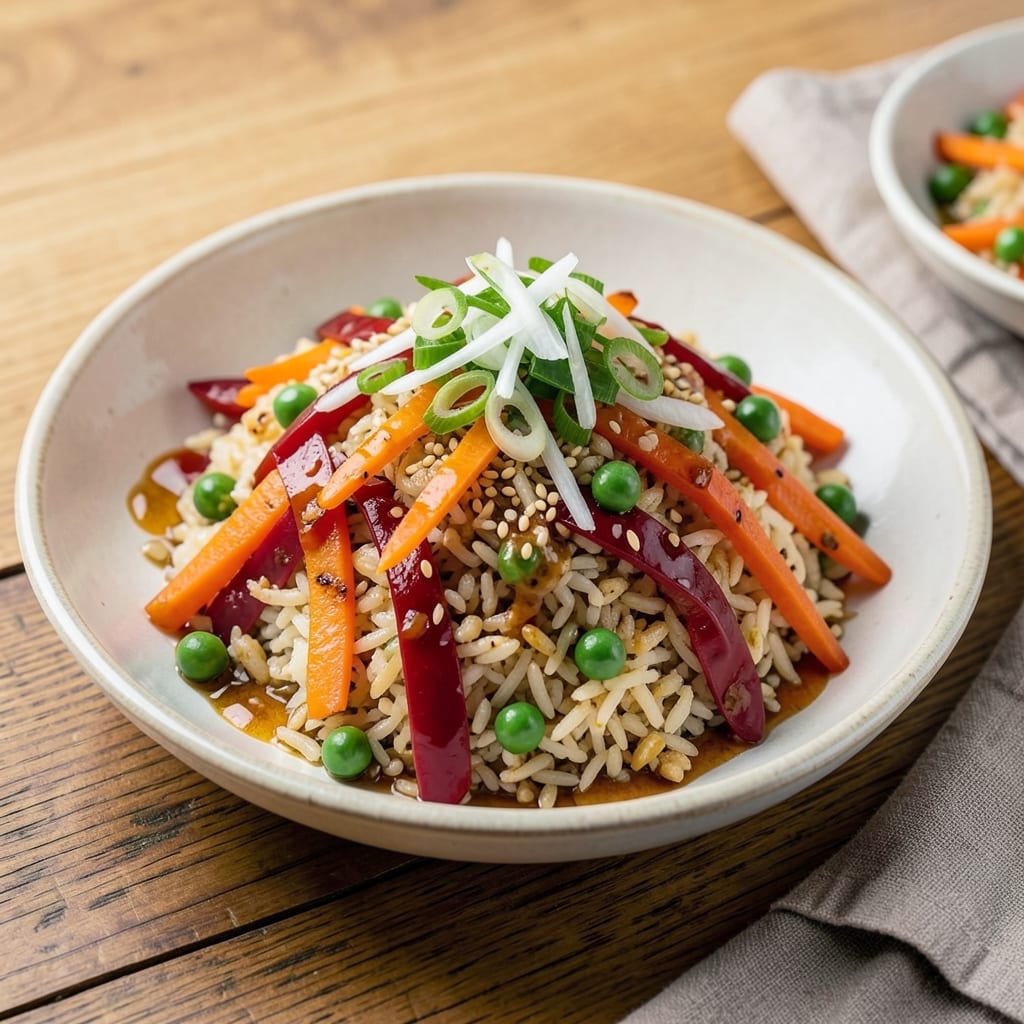
This Asian vegetable fried rice recipe delivers restaurant-quality results with perfectly plump grains and vibrant stir-fried vegetables in just 30 minutes. The secret lies in using day-old rice (never fresh!) and a wok or large skillet for that signature smoky aroma and even browning. I've perfected this technique after countless batches—each time more flavorful than the last.
What sets this recipe apart is the balance of textures and flavors: crisp-tender vegetables, aromatic garlic and ginger, and a sauce that's tangy yet savory without overpowering. We'll use simple ingredients like bell peppers, carrots, peas, and green onions, but the technique transforms them into something truly special. The key is high heat and constant tossing to prevent sticking.
By the end, you'll have a fragrant, colorful dish with grains that stay separate yet tender, vegetables that pop with crispness, and a sauce that clings perfectly. This is the kind of fried rice that makes you want to eat it straight from the wok—steaming hot, with every bite packed with flavor. It's versatile enough for weeknight dinners or meal prep lunches.
Whether you're using a traditional wok or a cast-iron skillet, this method ensures professional results at home. The recipe easily adapts to gluten-free needs by swapping soy sauce for tamari, and you can customize the vegetables based on what's freshest at your market. Let's get cooking!
Ingredients for asian vegetable fried rice
Perfectly plump grains and vibrant vegetables transform simple ingredients into restaurant-quality fried rice.
| Ingredient | Amount | Notes |
|---|---|---|
| Day-Old Cooked White Rice 🍚 | 4 cups | Cold and separated for texture |
| Red Bell Pepper 🍅 | 1 whole | Diced into 0.5-inch pieces |
| Carrots 🥕 | 2 medium | Julienned or thinly sliced |
| Green Onions 🧅 | 4 whole | Thinly sliced, white and green parts |
| Frozen Peas 🌿 | ½ cup | Thawed for even cooking |
| Garlic Cloves 🧄 | 4 cloves | Minced finely for aroma |
| Fresh Ginger 🌿 | 1 inch | Grated finely, peeled |
| Light Soy Sauce 🥄 | 3 tbsp | Or tamari for gluten-free |
| Sesame Oil 🫒 | 1 tbsp | Toasted for nutty aroma |
| Vegetable Oil 🫒 | 2 tbsp | High smoke point for wok |
| Salt 🧂 | ½ tsp | Diamond Crystal preferred |
| Black Pepper 🌶️ | ¼ tsp | Freshly ground for heat |
| Sesame Seeds 🌰 | 1 tbsp | Toasted for garnish |
The rice must be day-old—fresh rice turns mushy. Cook and refrigerate overnight for ideal texture. For extra flavor, use jasmine or basmati rice. Whole Foods or Trader Joe's carry the best quality. Vegetables should be fresh; carrots with bright orange color and red bell peppers without soft spots work best. Frozen peas are perfect—they thaw quickly and maintain texture. If using fresh peas, shell them just before cooking.
No light soy sauce? Dark soy sauce at half the amount works for color, but add a pinch of sugar to balance. Sesame oil substitutes include toasted peanut oil or avocado oil, though the flavor differs slightly. Fresh ginger? Ginger powder at one-third the amount is acceptable, but fresh is preferred. For extra protein, add tofu or edamame—simply cube and pan-fry separately before mixing. If you're gluten-free, tamari replaces soy sauce perfectly—just ensure it's certified gluten-free.
Store cooked fried rice in airtight containers for 4-5 days in the fridge. Reheat in a skillet with a splash of water to restore crispness. For meal prep, portion into containers with a thin layer of oil on top to prevent sticking. Freezes well for 3 months—thaw in the fridge overnight before reheating. Garnish with toasted sesame seeds right before serving for maximum aroma.
Why You'll Love This Recipe
- I swear by this trick: toss in pre-cut frozen peas and pre-sliced bell peppers straight from the bag. The only chopping? Roughly mincing green onions—maybe 30 seconds max. That’s it. The rice soaks up all the stir-fry sauce while I’m still deciding what to drink.
- Here’s what sold me: the carrot’s natural sweetness caramelizing just enough to balance the umami from soy sauce, while the bell pepper adds this bright, almost smoky crunch. Honestly, the first bite makes me pause mid-chew—it’s that good without trying too hard.
Step-by-step instructions for Asian vegetable fried rice
Master the wok hei technique with these precise steps for restaurant-quality fried rice.
Prepare All Ingredients for Mise en Place
Begin by separating the 4 cups of day-old cooked white rice using your fingers or a fork. This prevents clumping and ensures individual grains. Spread the rice on a tray and let it sit uncovered for 5 minutes to dry slightly—this is crucial for achieving that distinct fried rice texture.
While the rice dries, prepare the vegetables: dice the 1 whole red bell pepper into ½-inch pieces, julienne the 2 medium carrots, and thinly slice the 4 whole green onions (separate white and green parts). Finely mince the 4 cloves garlic and grate the 1-inch fresh ginger. Thaw the ½ cup frozen peas by placing them in a colander under warm running water for 30 seconds. Keep all prepped ingredients within easy reach for efficient cooking.
Toast the Sesame Seeds and Aromatics
Heat a wok or large skillet over medium-high heat until hot. Add the 1 tablespoon sesame seeds and toast for 30 seconds until fragrant and golden. Immediately transfer them to a small bowl and set aside for garnish. This quick toasting enhances their nutty aroma without burning them.
In the same wok, add the 2 tablespoons vegetable oil and swirl to coat. Add the minced garlic and grated ginger, cooking for 20-30 seconds until the garlic turns golden and the ginger becomes fragrant. This step develops the aromatic foundation of your dish—don't let the garlic burn, as it becomes bitter.
Stir-Fry Vegetables Until Tender-Crisp
Add the julienned carrots and red bell pepper to the wok, stirring constantly for 2-3 minutes until they soften but retain a slight crunch. The vegetables should be cooked to just past al dente—this preserves their texture while ensuring they're fully cooked through. Add the thawed peas and cook for another 30 seconds, stirring continuously.
Push the vegetables to one side of the wok and add the white parts of the green onions, cooking for 20 seconds until they turn bright green. This quick cooking preserves their freshness while adding a subtle sweetness to the dish. The vegetables should be vibrant and cooked to your preferred texture—this is where you control the final mouthfeel.
Combine Rice and Seasonings
Add the separated rice to the wok in a single motion, breaking up any remaining clumps with your spatula. Stir-fry for 1-2 minutes, allowing the rice to absorb the vegetable flavors and oil. This is where the magic happens—the rice should begin to develop a slight sheen from the oil.
Pour in the 3 tablespoons light soy sauce and the 0.5 teaspoon salt, stirring vigorously to coat every grain of rice. Add the 0.25 teaspoon black pepper and the green parts of the green onions, tossing everything together for 30-45 seconds until the rice is evenly seasoned and begins to sizzle. The rice should look glossy and the aromas should fill your kitchen—this indicates proper seasoning.
Finish with Sesame Oil and Garnish
Remove the wok from heat and immediately drizzle in the 1 tablespoon sesame oil while stirring continuously. This adds a final aromatic layer and prevents the rice from becoming dry. The oil should coat the rice evenly, giving it a subtle nutty flavor and glossy finish.
Transfer the fried rice to serving plates and garnish with the toasted sesame seeds. Serve immediately while the rice is hot and the vegetables retain their vibrant texture. Each bite should deliver perfectly plump rice grains, tender-crisp vegetables, and a balance of savory, umami, and aromatic flavors—this is the hallmark of well-executed fried rice.
Pro Tips For Making Asian Vegetable Fried Rice
- PREP PEAS FIRST: Toss frozen peas in a dry pan for 30 seconds before adding to the rice—this thaws them faster and prevents them from turning into mush. I learned this the hard way after serving a batch where the peas were still icy and watery. ---
- CUT BELL PEPPER SMALL: Dice the red bell pepper into ¼-inch pieces—any larger, and it’ll burn before the rice is done. My grandmother swore by this, and she was right: even cooking matters more than you’d think. ---
- REST RICE 10 MINUTES: Spread the day-old rice on a tray and let it sit uncovered for 10 minutes before frying—this dries the surface just enough to get that perfect texture. Skipping this step means soggy rice, no matter how hot your pan. ---
- SAVE TIME WITH CARROT SHAVINGS: Use a mandoline to slice carrots paper-thin instead of dicing them—this cuts prep time in half and gives you those pretty, restaurant-style shreds. Yes, even if you’re impatient like me, this actually changes the outcome.
Wine and beer pairings for these flavors
Light Beer Pairings
A crisp, Japanese lager like Asahi Super Dry or Sapporo complements this dish beautifully. The clean, slightly sweet profile balances the savory soy and umami notes without overpowering the delicate vegetables. I always keep a six-pack on hand for quick weeknight meals—it’s the perfect palate cleanser between bites. 🍺
For a more local option, try a wheat beer like Blue Moon or Hoegaarden. The citrusy notes from the coriander and orange peel in these beers cut through the richness of the sesame oil, creating a refreshing contrast. Serve chilled to enhance the crispness of both the beer and the vegetables.
Rice Wine Options
Traditional Japanese sake (especially a dry junmai or ginjo) elevates the dish to new heights. The subtle sweetness and clean finish mirror the flavors in the fried rice, while the acidity brightens the vegetables. I recommend serving it slightly warmed—around 100°F—to enhance its aromatic qualities. 🍶
For a non-alcoholic alternative, sparkling rice wine (like Kirin Sparkling) adds effervescence that cleanses the palate between bites. The bubbles also make the meal feel more celebratory, perfect for casual gatherings or family dinners.
White Wine Alternatives
A dry Riesling from Germany or a Sauvignon Blanc from New Zealand brings acidity that cuts through the richness of the fried rice. The grapefruit notes in these wines complement the bell peppers and peas, while their crisp finish keeps the palate refreshed. I love pairing this with a Frey Vineyards Riesling—it’s my go-to for Asian-inspired dishes. 🍷
Avoid heavy or oaky whites like Chardonnay—they can overwhelm the delicate flavors. Instead, opt for something light and zesty, like a Pinot Grigio from Italy, which offers a neutral backdrop that lets the dish shine.
Cocktail Pairings
A lychee martini (vodka, lychee liqueur, and a splash of lime) adds a fruity contrast that pairs surprisingly well with the savory fried rice. The floral notes of the lychee complement the sesame and soy, while the lime brightens the dish. Shake it well and serve over ice for a refreshing sip. 🍹
For a non-alcoholic twist, try a ginger-lime spritzer—mix ½ cup ginger beer, ¼ cup lime juice, and ½ cup sparkling water. The ginger echoes the fresh ginger in the fried rice, while the lime adds a tangy kick that cleanses the palate.
Nutrition facts
Frequently asked questions
Why does the recipe specify day-old rice instead of fresh?
Freshly cooked rice contains too much moisture, which turns fried rice mushy. Day-old rice has dried out slightly, allowing it to absorb flavors better and develop that signature crisp-tender texture. Spread leftover rice uncovered for 5 minutes before cooking to remove any remaining surface moisture.
Can I make this recipe without a wok?
A large cast-iron skillet or nonstick pan works perfectly. Just use medium-high heat and make sure your pan is wide enough to allow for constant tossing. The key is maintaining high heat and stirring frequently to prevent sticking.
What vegetables can I substitute if I don't have bell peppers or carrots?
Use whatever vegetables you have on hand! Try broccoli florets, snap peas, corn kernels, or even mushrooms for umami depth. Just adjust cooking times—harder veggies like broccoli need 3-4 minutes while softer ones like zucchini only need 1-2 minutes.
How do I prevent the rice from sticking to the pan?
First, ensure your rice is completely separated and slightly dry. Use enough oil (about 2 tablespoons) to coat the pan well, and keep the heat at medium-high. Constant tossing with a spatula is crucial—don't let the rice sit in one spot for more than 10 seconds.
Can I make this recipe gluten-free?
Yes! Simply replace the light soy sauce with tamari (gluten-free soy sauce). Also check that your sesame oil is certified gluten-free, as some brands process in facilities with wheat. The rest of the recipe remains exactly the same.