
Main Courses
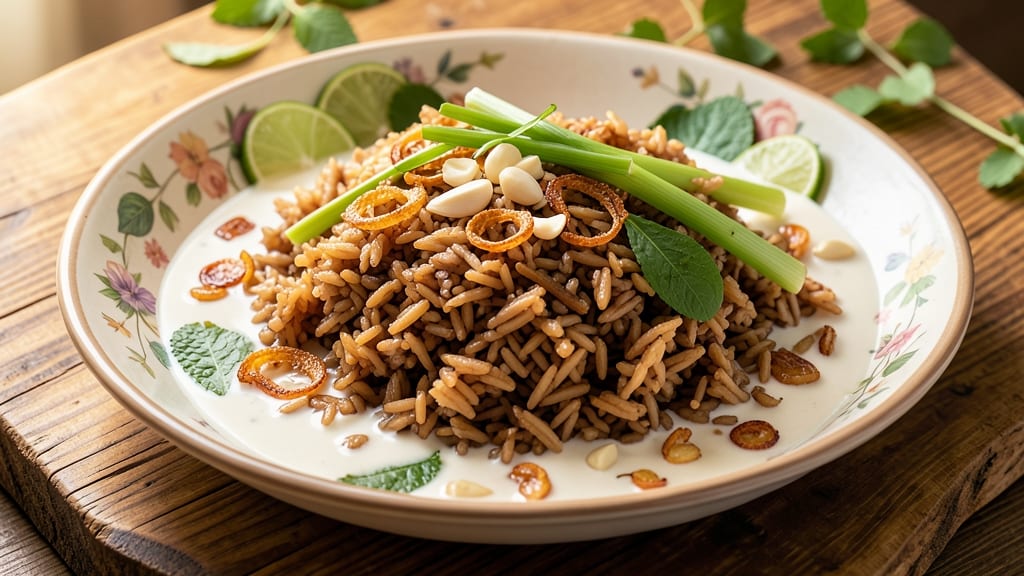
This brown jasmine rice recipe with coconut milk transforms a simple grain into a fragrant, creamy base perfect for Thai-inspired bowls. The coconut milk infuses the rice with subtle sweetness and richness, while the nutty brown rice adds satisfying texture.
What makes this recipe special is how it balances traditional techniques with modern flavor—no special equipment needed, just patience and a few key ingredients.
The result is perfectly tender rice with a delicate coconut aroma that pairs beautifully with curries, grilled meats, or fresh vegetables. Cooking time is straightforward, and the method ensures each grain stays separate yet absorbs that luxurious coconut flavor.
Whether you're building a hearty dinner bowl or a light dessert, this rice delivers both elegance and comfort in every bite.
Ingredients for brown jasmine rice recipe coconut milk
Twelve ingredients transform simple brown jasmine rice into a fragrant, creamy Thai-inspired base.
| Ingredient | Amount | Notes |
|---|---|---|
| Brown Jasmine Rice 🍚 | 1 ½ cups | Uncooked, long-grain variety preferred |
| Full-Fat Coconut Milk 🥥 | 13 ½ oz | Canned, refrigerated after opening |
| Water 💧 | 3 cups | Room temperature preferred |
| Fresh Lemongrass 🌿 | 2 pieces | Lower stems only, bruised for flavor |
| Kaffir Lime Leaves 🍃 | 2 whole | Fresh, washed and patted dry |
| Garlic Cloves 🧄 | 3 cloves | Peeled, minced for aromatic base |
| Fresh Turmeric 🌿 | ½ tsp | Freshly grated, vibrant color |
| Sea Salt 🧂 | 1 tsp | Diamond Crystal preferred |
| White Peppercorns 🌶️ | ¼ tsp | Freshly cracked for subtle heat |
| Light Brown Sugar 🍯 | 1 tbsp | For delicate sweetness balance |
| Fresh Cilantro 🌿 | ¼ cup | Chopped, for garnish and aroma |
| Lime Wedges 🍋 | 2 whole | For serving, freshly squeezed |
The quality of your coconut milk makes all the difference here. Thai Kitchen brand is my go-to for that authentic richness, but any full-fat canned variety works—just avoid the light version. Fresh lemongrass and Kaffir lime leaves are the aromatic stars; Asian markets carry them fresh year-round, while grocery stores often stock frozen alternatives. For the lemongrass, use the lower 4-5 inches of the stalk—the tougher upper parts won't infuse properly. If you can't find Kaffir lime leaves, substitute 1 tbsp lime zest plus 1 tsp lime juice, though the flavor won't be identical. The brown jasmine rice should be unwashed—this preserves its natural oils that create that signature nutty aroma during cooking.
No lemongrass? Substitute 2 tbsp lime zest plus 1 tbsp lime juice—it won't be the same, but it adds brightness. Kaffir lime leaves unavailable? Use 1 tsp lime zest plus 1/2 tsp lime juice as a makeshift substitute. For the turmeric, fresh is ideal but ground turmeric at half the amount works in a pinch. The coconut milk can be swapped for light coconut milk plus 1 tbsp heavy cream if you're watching calories, though the texture will be slightly lighter. Brown sugar can be replaced with white sugar or coconut sugar—just taste as you go. The cilantro is purely for garnish, but if you're sensitive to its flavor, use mint instead—it pairs beautifully with Thai-inspired dishes.
This rice keeps beautifully in the fridge for 4-5 days when stored in an airtight container with a tight lid. For longer storage, freeze portions in single-serving containers for up to 3 months
Why You'll Love This Recipe
- One-Pot Magic: I swear by this method—just toss the rice, coconut milk, and water in a pot, then let the lemongrass and kaffir lime leaves steep while it simmers. No measuring cups, no straining, no mess. The rice even cooks itself perfectly, no stirring required.
- Creamy Citrus Hug: That first bite? Full-fat coconut milk makes it rich and velvety, while the lemongrass and lime leaves add a bright, herbal zing that cuts through the richness. It’s like a spa day for your taste buds—warm, fragrant, and just a little bit fancy.
- Meal Prep MVP: Between us, this is my lunchbox lifesaver. The rice keeps for days in the fridge, and the flavors only get better as it sits. Pack it with grilled chicken, tofu, or even just a fried egg—it’s the ultimate blank canvas for leftovers.
- Budget Luxury: Honestly, I treat myself to this when I want something that feels special without the grocery bill. Brown jasmine rice is cheaper than white, coconut milk stretches it further, and those herbs add restaurant-level aroma for pennies. My wallet and I both approve.
Step-by-step instructions for fragrant coconut milk jasmine rice
This method transforms ordinary jasmine rice into a luxurious, fragrant base perfect for Thai-inspired bowls.
Prepare the Aromatic Base
In a medium saucepan, combine the 13.5 oz full-fat coconut milk, 3 cups water, 2 pieces fresh lemongrass (bruised), 2 whole kaffir lime leaves, 3 cloves garlic cloves (minced), 0.5 tsp fresh turmeric, 1 tsp sea salt, and 0.25 tsp white peppercorns. Bring to a gentle boil over medium-high heat while stirring occasionally to distribute the spices evenly.
The mixture should simmer for 5 minutes until the lemongrass and garlic release their aromatic oils and the liquid begins to develop a golden hue. This infusion creates the fragrant foundation for your rice. I like to taste the liquid at this stage—it should be subtly sweet from the turmeric and peppery from the white peppercorns, with hints of citrus from the kaffir lime.
Toast the Rice for Nuttiness
While the coconut milk mixture simmers, add the 1.5 cups brown jasmine rice to the same saucepan and stir gently to coat the grains in the aromatic liquid. Reduce heat to medium-low and let the rice toast for 2-3 minutes, stirring frequently to prevent burning. You'll notice the rice begins to release its starches and develop a subtle nutty aroma.
This toasting step is crucial—it enhances the rice's natural flavors and prevents a mushy texture. Watch closely as the rice begins to turn slightly translucent at the edges. Once you detect a toasted aroma (similar to freshly ground nuts), it's time to proceed to the next step.
Simmer the Rice to Perfect Texture
Add the 1 tbsp light brown sugar to the saucepan and stir to combine. Increase heat to medium and bring the mixture to a gentle boil. Once boiling, reduce heat to low and cover the saucepan with a tight-fitting lid. Let the rice simmer undisturbed for 30 minutes.
During this time, the rice will absorb the coconut milk and water while developing its signature fragrant aroma. I recommend checking the rice at the 20-minute mark—it should be tender but still have a slight bite. If it's not quite ready, continue cooking for another 5-10 minutes. The rice is perfectly cooked when the grains are tender but still hold their shape with a slight resistance when pressed between fingers.
Rest and Garnish for Presentation
Once the rice is perfectly tender, remove the saucepan from heat and let it rest, covered, for 10 minutes. This resting period allows the rice to absorb any remaining liquid and develop its final texture. After resting, gently fluff the rice with a fork to separate the grains and release any steam.
Transfer the rice to a serving bowl and garnish with the 0.25 cup fresh cilantro (chopped) and serve with the 2 whole lime wedges on the side. The finished rice should have a creamy, almost custard-like texture with a delicate balance of sweetness from the brown sugar and subtle warmth from the turmeric. The aroma should be intoxicating—citrusy, floral, and rich with coconut notes.
Pro Tips For Making Brown Jasmine Rice Recipe Coconut Milk
- TOAST THE RICE FIRST: Brown jasmine rice needs a quick dry toast before adding liquids—just 2-3 minutes in a hot pot until it smells nutty. I learned this the hard way: skipping it makes the rice gummy and dull, no matter how much coconut milk you add.
- CRUSH THE LEMONGRASS: Smash the lemongrass stalks with the flat side of your knife before adding them to the pot—this releases the oils and aroma. Yes, it looks messy, but your rice will taste like it came from a Thai street vendor, not a basic recipe.
- DON’T SKIP THE SIMMER: After adding coconut milk, let the whole thing simmer uncovered for 5 minutes before covering. This burns off the raw coconut flavor and lets the rice absorb evenly—rushing it leads to a watery, uneven mess.
- USE TWO BAGS OF LIME LEAVES: Kaffir lime leaves are delicate—tuck two whole leaves under the rice as it cooks, not just on top. This guarantees their fragrance infuses the entire dish, not just the top layer. (And yes, you can reuse them in other dishes after.)
Regional styles of brown jasmine rice recipe coconut milk
Thai-Inspired Classic
This version stays true to Thai street food traditions, where coconut milk rice is often served with curries or grilled meats. The key is balancing the 13.5 oz full-fat coconut milk with 3 cups water—this ratio creates a creamy yet light texture.
I always add 2 pieces bruised lemongrass and 2 whole kaffir lime leaves straight from the market for that authentic aroma. The 0.5 tsp fresh turmeric gives it that signature golden hue, while 1 tbsp brown sugar adds just enough sweetness to complement spicy dishes.
Serve with lime wedges for a tangy finish that cuts through rich flavors.
Malaysian Coconut Rice
In Malaysia, this dish often includes grated coconut mixed into the rice for extra texture. Start by toasting 1.5 cups brown jasmine rice in a dry pan for 2 minutes before adding the coconut milk mixture. Stir in 2 tbsp desiccated coconut during the final 5 minutes of cooking.
The result is a fragrant rice with little coconut flecks that add crunch. Garnish with toasted coconut flakes and a sprinkle of salt—this version pairs perfectly with satay or rendang. 🥥
Vietnamese Lemongrass Rice
Vietnamese-style coconut rice focuses more on lemongrass and fish sauce for depth. After simmering the coconut milk base, add 1 tbsp fish sauce and 1 tsp sugar to the rice during the final 10 minutes of cooking. The fish sauce adds umami that complements the coconut beautifully.
Top with thinly sliced scallions and crushed peanuts for texture. This version works wonderfully with pho or grilled shrimp skewers, offering a lighter but equally aromatic profile. 🌿
Filipino Rice Meal
Filipino coconut rice often includes pork or chicken broth for extra richness. Replace 1 cup of water with 1 cup pork broth in the cooking liquid. Add 1 tsp soy sauce and 1/2 tsp black pepper during the simmering phase.
This version is heartier and pairs perfectly with adobo or sinigang. Garnish with chopped green onions and a dash of calamansi juice for a bright, tangy finish that's pure Filipino comfort food. 🍛
Modern Fusion Twist
For a contemporary take, try adding 1/2 cup diced pineapple to the rice during the last 10 minutes of cooking. The pineapple's acidity balances the coconut's richness, creating a sweet-savory profile. Top with toasted coconut flakes, crushed macadamia nuts, and a drizzle of honey.
This fusion version works as a dessert or breakfast bowl—serve with yogurt or granola for a tropical-inspired meal. 🍍
Spicy Coconut Rice
For heat lovers, add 1 tsp sambal oelek or 1/2 tsp chili flakes to the coconut milk base before simmering. The chili infuses the rice with gentle warmth that pairs perfectly with grilled chicken or tofu.
Garnish with sliced Thai chilies and lime zest for extra brightness. This spicy version is a crowd-pleaser at dinner parties—just adjust the heat level to your preference. 🌶️
Nutrition facts
Frequently asked questions
Can I use white jasmine rice instead of brown?
While you can substitute white jasmine rice, the texture and flavor will differ significantly. Brown jasmine rice has a nutty, chewy texture that pairs beautifully with coconut milk's creaminess. If you must use white, reduce the cooking time to 20-25 minutes and use 2.5 cups water instead of 3 cups to prevent mushiness. The coconut flavor will still shine, but you'll lose that satisfying heartiness.
What if I don't have Kaffir lime leaves?
No problem! Combine 1 tbsp lime zest plus 1/2 tsp lime juice as a substitute. For extra depth, add 1/4 tsp ground coriander to mimic the floral notes. While not identical, this combo still delivers that bright citrus aroma essential to the dish. The key is balancing the acidity—don't skip the lime juice entirely.
Can I make this recipe in an Instant Pot?
Sauté the garlic, lemongrass, and lime leaves in 1 tbsp oil for 1 minute, then add all ingredients except sugar. Seal the lid and cook on high pressure for 12 minutes, followed by a 10-minute natural release. Stir in sugar after releasing pressure. The texture will be slightly firmer, so fluff with a fork and add 1-2 tbsp water if too dry. Quick and delicious!
Why does my rice turn out mushy?
Mushy rice usually happens from overcooking or too much liquid. Always use 3 cups water (not broth) and 13.5 oz coconut milk—this ratio is precise. If your rice still feels underdone at 30 minutes, reduce heat to lowest setting and cook 5 more minutes. For brown rice, never skip the 10-minute rest—this is when it absorbs remaining moisture. Pro tip: Use a heavy-bottomed pot to prevent scorching.
How can I make this dessert-style?
Transform it into a sweet treat by adding 1/4 cup coconut sugar (instead of brown sugar) and 1 tsp vanilla extract to the coconut milk base. Stir in 1/2 cup raisins or chopped dates during the last 10 minutes of cooking. Top with toasted coconut flakes, crushed pistachios, and a drizzle of honey. Serve warm with vanilla ice cream for a Thai-inspired dessert bowl.