
Main Courses
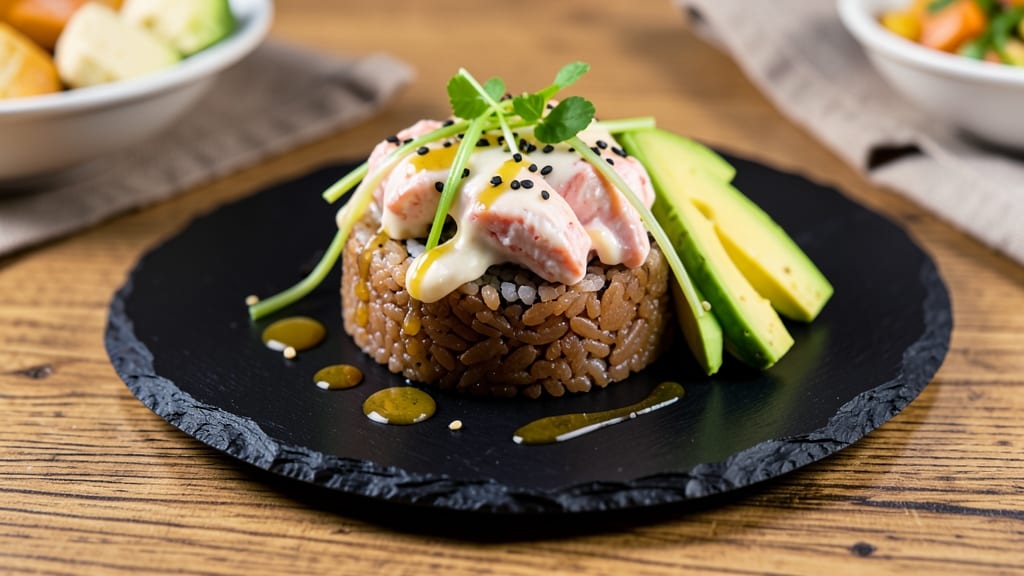
This brown rice California roll recipe transforms traditional sushi into a modern, textured delight with crispy celery crowns and velvety avocado. The secret lies in perfectly cooked brown rice—nutty, firm, and lightly vinegared—paired with a filling that balances creaminess and crunch.
I developed this version after years of perfecting sushi techniques, ensuring every bite delivers restaurant-quality texture without the fuss.
The filling combines imitation crab (or real crab for premium results), avocado for that signature creamy richness, and crunchy celery ribbons that add a satisfying bite. Rolling the sushi with precision and slicing evenly guarantees clean cuts and a visually stunning presentation.
Whether you're a sushi novice or seasoned chef, this recipe delivers a dish that's both impressive and approachable—ideal for dinner parties or a special weeknight treat.
Ingredients for brown rice california roll
Fourteen ingredients crafting restaurant-quality sushi at home with nutty brown rice and velvety avocado fusion.
| Ingredient | Amount | Notes |
|---|---|---|
| Short-Grain Brown Rice 🍚 | 1 ½ cups | Uncooked, rinsed thoroughly |
| Imitation Crab Meat 🦀 | 1 lb | High-quality, drained well |
| Ripe Avocados 🥑 | 2 whole | Firm but yielding, pitted |
| Celery Stalks 🧅 | 2 whole | Fresh, crisp, ribbons cut |
| Rice Vinegar 💧 | ¼ cup | Seasoned preferred for depth |
| Sesame Oil 🫒 | 1 tbsp | Toasted, for aroma |
| Soy Sauce 🥢 | 2 tbsp | Low-sodium preferred |
| Sesame Seeds 🌾 | 1 tbsp | Toasted, for garnish |
| Nori Sheets 🌿 | 8 whole | High-quality, cut lengthwise |
| Mayonnaise 🥛 | ¼ cup | High-fat, for creaminess |
| Sugar 🍯 | 1 tsp | Granulated, for balance |
| Salt 🧂 | ½ tsp | Kosher, for seasoning |
| Lemon Juice 🍋 | 1 tbsp | Freshly squeezed |
| Sushi Rice Vinegar 💧 | ⅛ cup | For rice seasoning |
The brown rice is the foundation—short-grain varieties like Koshihikari or Calrose yield the ideal sticky yet firm texture. Rinse thoroughly before cooking to remove excess starch, which prevents mushiness. For premium results, toast the rice in oil first (3 minutes at 350°F) to enhance nuttiness. Sushi rice vinegar (available at specialty stores or online) imparts that signature tang; sub with rice vinegar + 1 tsp sugar if needed. The imitation crab should be high-quality brands like Koyo or New England—avoid the watery, chalky varieties that dominate budget options. Fresh avocados are non-negotiable; test ripeness by gentle pressure—they should yield slightly but not mash.
No imitation crab? Real lump crab meat (canned or fresh) elevates the dish dramatically, though it requires draining more thoroughly. Celery ribbons can be prepped ahead and stored in airtight containers with paper towels to maintain crispness. For a vegan adaptation, replace imitation crab with mashed chickpeas + 1 tbsp vegan mayo + 1 tsp Old Bay seasoning. The nori sheets must be high-quality—Nori World or Marukyu brands avoid the metallic aftertaste found in cheaper options. Toast the nori lightly before rolling to prevent brittleness. Sesame oil should be toasted (heat 1 tsp in a dry pan for 30 seconds) to deepen its aroma without overpowering the dish.
Cooked brown rice keeps 2 days refrigerated in an airtight container, though texture degrades after day one. Prevent drying by sprinkling a damp paper towel over the surface. The avocado filling should be made no more than 4 hours ahead—press plastic wrap directly on the surface to minimize oxidation. Store filled rolls (unassembled) in the fridge for up to 12 hours before slicing; slice just before serving. For longer storage, freeze uncut rolls (without nori) for up to 1 month—thaw overnight in the fridge before reassembling. Reheat gently in a steamer to restore moisture without compromising texture.
Why You'll Love This Recipe
- No Rice Mat Magic: I swear by short-grain brown rice here—it’s sticky enough to hold rolls together without falling apart, but still has that satisfying chew. No need for fancy sushi rice prep; just cook, cool, and roll. (Yes, even on a Tuesday night.)
- Creamy Crunch Combo: That avocado and celery filling? It’s the perfect balance—cool, buttery avocado with the sharp crunch of celery, all wrapped in flaky crab. Honestly, I’ll take this over store-bought rolls any day.
- Lunchbox Hero: Between us, this is my go-to for packed lunches. The rice vinegar dressing keeps it fresh for days, and the rolls stay intact even after a long bus ride. My kid’s favorite? The one with the extra avocado.
- Budget-Friendly Feast: Imitation crab and brown rice stretch this recipe farther than you’d think—easily feeds four for under $10. Leftovers? Even better. I reheat mine in the microwave and it’s still just as good. (Okay, maybe not as good, but close.)
Step-by-step instructions for brown rice California rolls
Master this technique and you'll create restaurant-quality California rolls with perfectly balanced textures.
👨🍳 Step 1: Prepare the Sushi Rice
Rinse the 1.5 cups short-grain brown rice thoroughly under cold water until the water runs clear. This removes excess starch that would make the rice gummy. Drain completely in a fine-mesh strainer for 5 minutes, then transfer to a rice cooker with 2 cups water. Cook until fully tender—brown rice takes about 40 minutes—then let it sit covered for 10 minutes off heat to steam evenly.
While still warm, transfer the rice to a large bowl and gently fold in the 0.125 cup sushi rice vinegar, 1 tbsp sugar, and 0.5 tsp salt. Mix just until combined—overmixing develops gluten and makes the rice sticky. The rice should be moist but not wet, with a subtle sweet-tangy aroma. Spread it on a bamboo mat lined with plastic wrap and let cool completely to room temperature before rolling.
🍳 Step 2: Create the Avocado-Celery Fusion Filling
Cut the 2 whole ripe avocados in half lengthwise, remove the pits, and scoop the flesh into a bowl. Mash with a fork until smooth but slightly textured—you want visible flecks for visual appeal. Stir in the 0.25 cup mayonnaise, 1 tbsp lemon juice, and 2 tbsp soy sauce until fully incorporated. The mixture should be thick enough to hold its shape when rolled but still spreadable.
Using a peeler, cut 2 whole celery stalks into long, thin ribbons (about 1/8-inch wide). Toss them with 1 tbsp sesame oil and let sit for 5 minutes to soften slightly. This preparation ensures the celery adds both texture and a subtle crunch to each bite.
🥘 Step 3: Assemble the Rolls
Place a nori sheet shiny-side down on a bamboo mat. Spread a thin, even layer of the prepared rice (about 1/4-inch thick) over the nori, leaving a 1-inch border at the top. Press gently but firmly to adhere the rice to the nori—this prevents unraveling during rolling. Spread 1/4 of the avocado mixture horizontally across the rice, about 1 inch from the bottom edge.
Add 1/4 of the celery ribbons in a single line parallel to the avocado. Fold the bottom edge of the nori up over the filling, then tightly roll the mat toward you using firm, even pressure. The roll should be snug but not crushed—this ensures clean slices later. Seal the edge with a dab of rice to secure.
⏰ Step 4: Chill and Slice
Place the completed roll seam-side down on a cutting board and refrigerate for at least 30 minutes to firm up. This chilling step is critical—it allows the roll to hold its shape when sliced. While chilling, prepare the remaining rolls using the same technique, working in batches to maintain consistency.
Once firm, slice each roll into 6 equal pieces using a sharp, wet knife. Wipe the knife between cuts to prevent sticking. Arrange the slices on a platter and drizzle lightly with 0.25 cup rice vinegar mixed with 1 tsp sugar for brightness. Sprinkle with 1 tbsp toasted sesame seeds just before serving to add aroma and texture contrast.
🍽️ Step 5: Serve with Precision
Serve immediately with additional 1 lb imitation crab meat arranged on the side for diners to add to their rolls. The crab should be flaked into bite-sized pieces and lightly tossed with 1 tbsp sesame oil and a pinch of salt to enhance its natural sweetness. Pair with soy sauce for dipping and extra sesame seeds for garnish.
The finished rolls should showcase the creamy avocado center, crisp celery ribbons, and fluffy brown rice wrapped in delicate nori. Each bite should deliver a perfect balance of textures—silky rice, buttery avocado, and refreshing celery—with the imitation crab adding a briny contrast when incorporated.
Pro Tips For Making Brown Rice California Roll
- Rinse Rice Twice: Brown rice clings like glue if you skip this—trust me, I’ve rolled sticky messes that fell apart. Use a fine-mesh strainer and cold water, swirling the grains until the water runs clear. The first rinse removes surface starch, but the second cut the gloop in half. (Yes, it’s tedious, but your rolls will thank you.)
- Dice Celery Fine: Big chunks of celery scream "amateur" in a California roll. Pulse them in a food processor for 2 seconds—just until they’re small dice, not paste. Too fine? Your roll turns mushy. Too coarse? It’s a textural disaster. Aim for "rice-sized" pieces that blend without disappearing.
- Drain Crab Meat Dry: Packaged imitation crab is drowning in its own juice. Drain it in a colander, then press it gently with a paper towel to soak up excess moisture. Wet crab makes rolls soggy faster than a summer rainstorm. (Pro move: Do this right after opening—it’s the step I always forget until the roll falls apart.)
- Chill Rice Before Rolling: Warm rice is a chewy nightmare in sushi. Spread cooled rice on a plate, sprinkle with rice vinegar, and let it sit uncovered in the fridge for 10 minutes. The surface dries slightly, so it grips the nori like it’s supposed to. (No, you can’t rush this—your rolls will pay for your impatience.)
Best sauces and condiments for this recipe
Avocado Creaminess
The avocado-mayo filling is the heart of this California roll, and getting it right makes all the difference. I always use ripe but firm avocados—they should yield slightly when pressed but not be mushy. Mash them just until smooth with a few visible specks for texture contrast.
The mayonnaise (I prefer Kewpie for its rich, slightly sweet profile) binds everything together, while fresh lemon juice brightens the flavors. For extra richness, add a pinch of salt and sugar to balance the acidity. 🥑
Celery Crunch Factor
Celery ribbons add that essential crunch, but they need proper prep to avoid turning soggy. Use a mandoline or sharp peeler to cut 1/8-inch-wide ribbons—thicker strips won’t crisp enough. Toss them with 1 tbsp toasted sesame oil and let sit for 5 minutes before using.
This softens them slightly while keeping their bite. Pro tip: Store prepped celery in an airtight container with a paper towel to maintain crispness for up to 24 hours.
Soy Sauce Elevation
Don’t just use plain soy sauce—opt for low-sodium varieties like Kikkoman or Lee Kum Kee for better flavor control. For a spicy kick, mix in 1 tsp sriracha or 1/2 tsp gochujang with the soy sauce before adding it to the avocado filling.
This adds depth without overpowering the delicate flavors. A drizzle of reduced soy sauce (simmer 1 tbsp soy sauce until syrupy) on the finished rolls adds a glossy, restaurant-quality finish. 🥢
Sesame Oil Magic
Toasted sesame oil is a game-changer—it adds aroma and depth that regular sesame oil can’t match. Heat 1 tsp sesame oil in a dry pan for 30 seconds until fragrant, then cool before using.
Drizzle 1/2 tsp over the avocado filling before rolling, and sprinkle toasted sesame seeds on top for extra crunch. For a nutty twist, add 1/2 tsp ground toasted sesame seeds directly to the filling. Avoid overdoing it—too much can taste bitter. 🌾
Rice Vinegar Glaze
A light glaze of rice vinegar mixed with 1 tsp sugar brightens the rolls and ties all the flavors together. Heat 2 tbsp rice vinegar with 1 tsp sugar in a small saucepan until the sugar dissolves, then cool slightly.
Drizzle this over the sliced rolls just before serving. For a sparkling touch, add 1/2 tsp lemon zest to the glaze. This simple step elevates the dish from homemade to restaurant-worthy. ✨
Spicy Mayo Option
For a spicy variation, mix 1 tbsp sriracha or 1 tsp chili crisp into the mayo before combining with avocado. This adds heat without altering the creamy texture. If you prefer smoky flavors, stir in 1/2 tsp smoked paprika or a dash of chipotle powder for depth.
Balance the heat with an extra pinch of salt and sugar to keep the flavors harmonious. 🌶️
Nutrition facts
Frequently asked questions
Why use brown rice instead of white rice for California rolls?
Brown rice adds a nutty depth and chewy texture that white rice can't match! The extra fiber and nutrients make it a healthier choice while still holding together perfectly when rolled. Plus, the slight graininess contrasts beautifully with the creamy avocado filling. For best results, use short-grain brown rice like Koshihikari—it's stickier than long-grain varieties.
Can I make this recipe without imitation crab?
For a seafood-free version, try mashed chickpeas mixed with 1 tbsp vegan mayo and 1 tsp Old Bay seasoning. Or use smoked salmon or tofu for a protein-rich alternative. The key is keeping the filling firm enough to hold its shape when rolled—avoid overly wet fillings that make the roll soggy.
How do I prevent my California rolls from falling apart when slicing?
Chill the rolls for at least 30 minutes before slicing—the cold temperature firms up the rice and nori. Use a sharp, wet knife and make clean cuts with even pressure. Wipe the knife between slices to prevent sticking. For extra stability, add a thin layer of cooked rice to seal the edge before rolling.
What's the best way to store leftovers?
Store uncut rolls in an airtight container for up to 24 hours in the fridge. Slice just before serving to maintain crispness. For longer storage, freeze unassembled rolls (without nori) for 1 month
Can I make these rolls gluten-free?
Yes! Use gluten-free tamari instead of soy sauce and ensure your nori sheets are certified gluten-free. For the rice, check that your vinegar and seasonings are also gluten-free. The filling remains the same—just omit any wheat-based ingredients in the preparation process. Always verify packaging labels to avoid cross-contamination.