
Main Courses
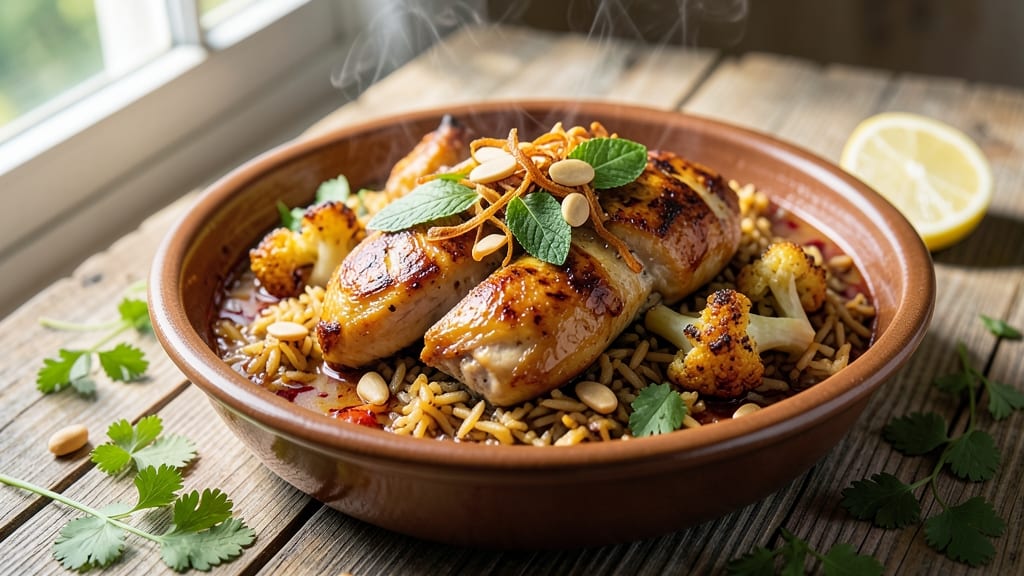
This brown rice chicken biryani recipe delivers restaurant-quality layers of fragrant saffron, tender chicken, and perfectly spiced rice—all in one aromatic pot. 💛 The secret lies in marinating the chicken overnight with yogurt and whole spices, while the rice absorbs rich basmati broth infused with cardamom and cloves.
Every bite reveals the harmony of textures and flavors that define authentic biryani, yet this version simplifies the process without sacrificing depth.
The magic happens through layered cooking: partially cooking the chicken and rice separately before combining them in a sealed pot. This ensures the rice stays fluffy while the chicken remains juicy, all infused with the warm, earthy notes of cumin, coriander, and a pinch of saffron.
Whether you're using a traditional pot, pressure cooker, or Instant Pot, the result is the same—fragrant, golden layers that make this dish feel like a celebration in every bite.
Ingredients for brown rice chicken biryani
Sixteen ingredients for a dish that feels like a celebration in every bite.
| Ingredient | Amount | Notes |
|---|---|---|
| Boneless Chicken Thighs 🍗 | 2 ½ lb | Skin-on preferred for flavor |
| Long-Grain Brown Rice 🍚 | 2 cups | Uncooked, rinsed thoroughly |
| Plain Yogurt 🥛 | 1 cup | Full-fat for richness |
| Saffron Threads 🌼 | ¼ tsp | High-quality, crushed |
| Ground Cumin 🌿 | 1 ½ tbsp | Freshly toasted preferred |
| Ground Coriander 🌿 | 1 ½ tbsp | Freshly ground for depth |
| Cardamom Pods 🌿 | 6 whole | Lightly crushed |
| Cloves 🌿 | 4 whole | Lightly crushed |
| Bay Leaves 🌿 | 2 whole | Fresh for best aroma |
| Fresh Cilantro 🌿 | ½ cup | Chopped, stems removed |
| Lemon Juice 🍋 | 2 tbsp | Freshly squeezed |
| Ghee or Vegetable Oil 🫒 | ½ cup | For frying |
| Salt 🧂 | 1 ½ tsp | Kosher or sea salt |
| Black Peppercorns 🌶️ | ½ tsp | Crushed lightly |
| Water 💧 | 4 cups | For rice cooking |
The chicken thighs are the heart of this biryani, so choose skin-on for maximum flavor—trust me, it's worth the extra effort. Indian grocery stores often carry the best quality, but any well-marbled thigh will work. For the spices, Whole Foods or Penzeys offer the freshest ground cumin and coriander, but don't stress if you're using pre-ground—just make sure they smell vibrant, not stale. Cardamom and cloves? Lightly crush them before adding to release their oils. And saffron? Buy it in small vials—it's pricey but worth every thread for that golden hue and floral aroma.
No saffron? Turmeric at one-third the amount gives color, though it lacks the floral note. Running low on ghee? Vegetable oil works just fine, though it won't add the same depth. Fresh cilantro missing? Dried cilantro at one-quarter the amount is a decent stand-in, though it won't be as bright. The yogurt should be plain and full-fat—Greek yogurt works too if you prefer a thicker texture. For the rice, if brown rice isn't available, jasmine or basmati rice will work, though the texture and flavor will differ slightly. And if you're short on time, parboiled rice can cut cooking time by half.
Marinate the chicken overnight—this is non-negotiable for tender, flavorful meat. Store the yogurt marinade in the fridge, and the spices can stay at room temperature in an airtight container for up to 2 weeks. The cooked biryani reheats beautifully—just cover it tightly and warm it on low heat with a splash of water. It actually tastes better the next day as the flavors meld. For leftovers, store in the fridge for 4-5 days or freeze for 3 months. Portion it into containers so you can grab and reheat individual servings—perfect for meal prep.
Why You'll Love This Recipe
- No-Fuss Layering: The chicken marinated in yogurt and cumin practically cooks itself while you soak the rice—just layer, steam, and let the saffron work its magic. Between us, I’ve burned more than one pot of basmati, but this? It’s hard to mess up.
- Golden, Nutty, Irresistible: That toasted cumin and saffron-infused rice? It’s the star. The chicken stays juicy with a tender bite, and the yogurt’s tang cuts through the richness—like a warm hug in a bowl.
- Weeknight to Weekend: Make it for Tuesday dinner, pack it for lunch, or serve it at Sunday brunch. The brown rice keeps it hearty but not heavy, and the leftovers? Even better the next day—if there are any.
- Budget-Friendly Feast: Brown rice stretches the meal, chicken thighs are wallet-friendly, and a pinch of saffron feels luxurious without breaking the bank. Honestly, I’ve fed six people for under $15 with this—no compromises.
Step-by-step instructions for brown rice chicken biryani
Layer by layer, this method delivers restaurant-quality biryani with fragrant saffron rice and tender chicken.
🍳 Step 1: Marinate and Cook the Chicken
In a large bowl, combine the 2.5 lb boneless chicken thighs with 1 cup plain yogurt, 1.5 tbsp ground cumin, 1.5 tbsp ground coriander, 1.5 tsp salt, 0.5 tsp crushed black peppercorns, 6 lightly crushed cardamom pods, 4 lightly crushed cloves, and 2 whole bay leaves. Mix gently to coat evenly. Cover and refrigerate for at least 4 hours (overnight is best) - this tenderizes the chicken and infuses deep flavor.
Heat 0.25 cup ghee or vegetable oil in a heavy skillet over medium-high heat. Remove chicken from marinade (reserve marinade) and cook for 5-6 minutes per side until golden brown and cooked through (165°F internal temperature). Remove chicken and set aside. In the same skillet, pour in the reserved marinade and cook for 3-4 minutes until slightly thickened. This creates a flavorful base for your biryani.
👨🍳 Step 2: Prepare the Saffron Rice Layer
Rinse the 2 cups long-grain brown rice thoroughly under cold water until the water runs clear. In a separate bowl, combine the rice with 4 cups water and 1.5 tsp salt. Let it soak for 30 minutes - this ensures even cooking and prevents mushy grains.
In a small bowl, soak the 0.25 tsp saffron threads in 2 tablespoons warm water for 10 minutes to release the color and aroma. Drain the soaked rice and transfer it to a heavy-bottomed pot. Add the saffron infusion and stir gently. Bring to a boil over medium-high heat, then reduce to low heat, cover, and simmer for 25 minutes until the rice is 80% cooked and liquid is absorbed. Remove from heat and let sit covered for 10 minutes. You'll see the rice will continue cooking from residual heat.
🥘 Step 3: Layer and Steam the Biryani
Preheat your oven to 375°F. In a large, heavy oven-safe dish (or a deep pot with tight lid), spread half of the partially cooked rice as the base layer. Arrange all the cooked chicken pieces evenly over the rice, then sprinkle half of the 0.5 cup chopped fresh cilantro and 2 tablespoons lemon juice over the chicken.
Add the remaining rice on top, gently pressing down to create a compact layer. Drizzle any remaining lemon juice over the top and sprinkle the remaining cilantro. Cover tightly with foil or a lid, then place in the preheated oven for 20 minutes. This steaming step ensures the rice finishes cooking while absorbing all the chicken flavors.
🔥 Step 4: Finish with Charred Perfection
Remove the biryani from the oven and let it rest for 10 minutes before serving. The residual heat will complete the cooking process. For extra flavor, you can place the dish under a broiler for 2-3 minutes until the top is lightly charred and golden - this adds a smoky depth to the dish.
Gently fluff the biryani with a fork before serving. Each bite should deliver tender chicken, fragrant saffron rice, and layers of warm spices. The dish tastes even better after resting for 15-20 minutes, as the flavors meld together perfectly. Serve with a side of raita or a simple cucumber salad to balance the richness.
Pro Tips For Making Brown Rice Chicken Biryani
- Marinate Chicken Overnight: I learned this the hard way—rushing the marinade leaves the chicken bland. Mix yogurt, ground cumin, and a pinch of salt with the chicken thighs, then let them sit in the fridge for at least 8 hours (or overnight). The yogurt tenderizes the meat and lets the spices sink in deep, so you’re not just seasoning the surface.
- Parboil Rice Separately: Brown rice needs extra attention—don’t skimp on the pre-cooking. Parboil the rice in salted water for 40 minutes (until 80% done), then drain and spread it on a tray to cool. This keeps the grains distinct and prevents a mushy texture when you layer it later. Trust me, your biryani will thank you.
- Sauté Cumin Dry First: After burning three batches, I finally figured out the non-negotiable: toast the ground cumin in oil over medium heat for 30 seconds until it fragrant and just starting to darken. This unlocks its flavor—skip it, and you’re left with a dull, generic taste. (Yes, even if you’re impatient like me.)
- Layer Rice and Chicken Wet: Sounds weird, but it works: dampen the cooked rice with a splash of water or yogurt before layering it with the chicken. This traps steam during dum cooking, so your biryani stays moist instead of drying out. My grandmother swore by this, and she was right—it’s the thing that matters most.
Essential equipment for perfect results
Heavy-Bottomed Pot
For authentic biryani, a heavy-bottomed, lidded pot is essential—think stainless steel or cast iron. I swear by my All-Clad 5.5-quart pot for even heat distribution and steam control. If you're using an oven for the steaming step, ensure your pot is oven-safe up to 400°F.
A deep pot with a tight-fitting lid helps trap steam, locking in flavors and keeping the rice fluffy. 🥘
Instant Pot or Pressure Cooker
Short on time? An Instant Pot or pressure cooker cuts cooking time dramatically. Use the "Sauté" function to brown the chicken, then switch to "Pressure Cook" for 8 minutes after layering.
My Instant Pot Duo 6-quart handles biryani beautifully—just release pressure naturally to avoid mushy rice. For extra richness, add ½ cup water during the pressure cook cycle to create steam. ⏱️
Tongs and Spatula
Invest in a long-handled tongs set (I use OXO Good Grips) for flipping chicken pieces without breaking them. A heat-resistant silicone spatula helps scrape up every bit of flavor from the pot.
For layering, a flexible spatula makes it easy to spread rice evenly without tearing the layers. Keep these tools nearby—they’re game-changers for clean, precise work. 🧑🍳
Saffron Infuser or Small Bowl
Saffron is delicate—never steep it directly in water without a barrier. Use a small metal infuser (like those for tea) or a fine-mesh strainer to hold the threads while soaking in warm water.
I also keep a mini bowl with a lid for prepping the saffron infusion ahead of time. This prevents over-soaking and wasted threads. A little goes a long way! 🌼
Aluminum Foil or Lid
For the steaming step, a tight seal is critical. Use heavy-duty aluminum foil to cover the pot if your lid doesn’t fit snugly. Crimp the edges tightly to trap steam—this is what transforms your biryani from good to restaurant-quality.
If using foil, poke a few small holes to release excess pressure if needed. Pro tip: Double-layer foil for extra insulation. ❄️
Nutrition facts
Frequently asked questions
Why does brown rice work better than white rice in biryani?
Brown rice adds a nutty depth and chewy texture that complements the tender chicken beautifully. Unlike white rice, it holds up better to the layered cooking process without turning mushy. The longer cooking time also allows it to absorb more of the saffron and spice-infused broth, creating that signature aromatic flavor. For best results, use long-grain brown rice—it stays separate and fluffy even after steaming.
Can I make this biryani without saffron?
Yes! While saffron adds that signature golden color and floral aroma, you can substitute with ½ teaspoon turmeric for color plus ½ teaspoon orange food coloring (for a more authentic hue). For flavor, add an extra pinch of cardamom. The dish will still taste amazing—just with a slightly different appearance. If you're using turmeric, reduce the saffron water to 1 tablespoon to avoid overpowering the dish.
How do I keep the biryani from getting soggy?
The key is proper layering and sealing. After arranging the chicken and rice, press down gently to compact the layers, then cover tightly with foil or a lid. For the oven method, use heavy-duty foil and crimp the edges to trap steam. If using a pot, ensure the lid fits snugly. Never open the lid during cooking—this releases steam and can make the rice mushy. For extra insurance, let the biryani rest for 10-15 minutes after cooking before serving.
What's the best way to reheat leftovers?
Reheat gently to preserve texture. Cover the biryani with a damp paper towel, then place it in a 350°F oven for 15-20 minutes or warm in a pot over low heat with 2-3 tablespoons water. Microwaving can make the rice dry—avoid it if possible. For best results, reheat only what you need to serve, as biryani tastes best fresh. Leftovers keep well in the fridge for 4-5 days or frozen for 3 months (portion into airtight containers before freezing).
Can I use chicken breasts instead of thighs?
Chicken breasts will work, but they're leaner and more prone to drying out. If using breasts, marinate them for at least 6 hours (overnight is best) and cook them at medium-low heat for 4-5 minutes per side until just done (165°F). For extra moisture, add 1 tablespoon yogurt or lemon juice to the marinade. Skinless, boneless breasts are fine, but thighs (especially skin-on) stay juicier during the layered cooking process.