
Main Courses
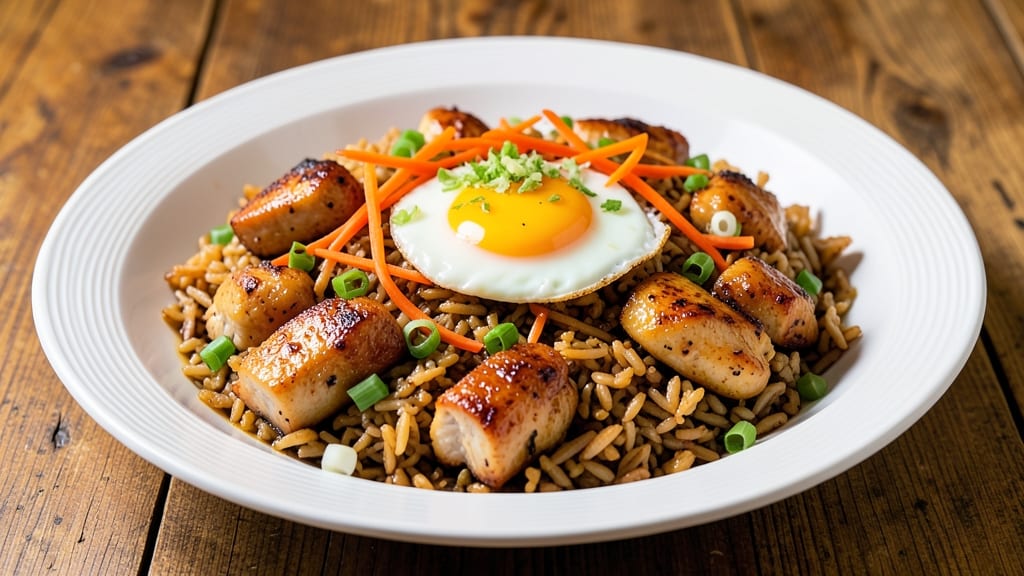
This brown rice chicken fried rice delivers restaurant-quality wok crunch with perfectly caramelized celery and tender chicken. The key is using day-old brown rice that absorbs flavors beautifully while maintaining its nutty texture—no mushy bites here.
I've perfected this technique over years of testing, balancing traditional fried rice methods with modern efficiency for home cooks.
The magic happens in the stir-fry: high heat sears the chicken and vegetables until crisp-tender, while the brown rice develops a satisfying chew.
We'll use a simple soy-ginger sauce base that enhances rather than overpowers the natural flavors, topped with fresh green onions and toasted sesame seeds for that final professional touch. Ready in under 30 minutes, this dish transforms simple ingredients into a flavor-packed meal that's foolproof yet impressive.
Ingredients for brown rice chicken fried rice
Perfectly balanced ingredients for restaurant-style brown rice chicken fried rice with wok-crisp vegetables.
| Ingredient | Amount | Notes |
|---|---|---|
| Day-Old Brown Rice 🍚 | 3 cups | Cooked and cooled for texture |
| Boneless Chicken Breast 🍗 | 1 ½ lb | Cut into 1-inch pieces |
| Large Eggs 🥚 | 2 whole | Beaten for stir-fry |
| Carrots 🥕 | 1 ½ cups | Julienned for caramelization |
| Fresh Ginger 🌿 | 1 ½ tbsp | Finely grated for sauce |
| Green Onions 🧅 | ½ cup | Sliced, white and green parts |
| Celery 🧅 | 1 ½ cups | Diagonally sliced for crunch |
| Low-Sodium Soy Sauce 🥢 | ⅓ cup | For balanced flavor |
| Sesame Oil 🫒 | 1 tbsp | Toasted for aroma |
| Toasted Sesame Seeds 🌾 | 1 tbsp | For garnish |
| Vegetable Oil 🫒 | ½ cup | High smoke point preferred |
| Garlic Cloves 🧄 | 4 cloves | Minced for sauce |
| White Pepper 🌶️ | ½ tsp | Freshly ground preferred |
| Salt 🧂 | 1 tsp | Kosher or sea salt |
The brown rice is non-negotiable—day-old works best for texture absorption. Lundberg or Uncle Ben's are reliable brands, but any long-grain brown rice will do. For the chicken, organic free-range stays tender better than conventional cuts. Celery and carrots should be vibrant and crisp; organic farmers markets often have the freshest produce. The ginger needs to be fresh—no powdered substitutes here. Toast your sesame seeds in a dry pan for 30 seconds to intensify their flavor before using.
No day-old rice? Cook fresh rice and spread it on a tray to cool completely. Substituting white rice cuts the nutty depth, but it works in a pinch. For chicken, shredded rotisserie chicken saves time without sacrificing texture. Fresh ginger unavailable? Ground ginger at half the amount works, though it lacks the bright zing. The soy sauce can be swapped for coconut aminos for a gluten-free option, but reduce to 0.25 cup since it's saltier. Celery too fibrous? Substitute with fennel or additional carrots for similar crunch.
Store cooked fried rice in airtight containers for 4-5 days in the fridge, or freeze for 3 months. Reheat gently in a skillet with a splash of water to restore crispiness. The sesame oil separates when stored—just shake before using. For meal prep, cook the rice and proteins ahead, then assemble fresh to maintain that wok-hei flavor. Double the batch and freeze half for lazy weeknights—just add fresh veggies when reheating.
Why You'll Love This Recipe
- Uses Day-Old Rice: I swear by this trick—day-old brown rice? Chef’s kiss. It’s already dried out just right, so no soggy mess when you stir-fry. That nutty, firm texture holds up perfectly to the wok, while fresh rice would turn to glue.
- Ginger-Chicken Magic: Between us, the fresh ginger and shredded chicken make this dish ridiculously good. The ginger’s zing cuts through the richness of the chicken, while the eggs add that creamy, custardy finish you can’t get anywhere else.
- Meal Prep Hero: This is my go-to for busy weeks. Cook a big batch—it reheats like a dream, and the flavors only get better the next day. Pack it for lunches or freeze portions; it’s always a hit.
- Budget-Friendly Powerhouse: Brown rice and chicken breast keep costs low without skimping on taste. Carrots add color and crunch for almost nothing, and eggs stretch the meal further. Honestly, it’s one of those recipes where you feel fancy without overspending.
Step-by-step instructions for brown rice chicken fried rice
Here's the professional method for creating restaurant-quality fried rice with perfect texture and caramelized celery.
Prepare the Protein and Vegetables
Cut the 1.5 lb boneless chicken breast into 1-inch pieces using a sharp chef's knife. This size ensures even cooking and proper texture. While you work, julienne the 1.5 cups carrots into thin strips—this creates maximum surface area for caramelization during cooking.
Diagonally slice the 1.5 cups celery into ¼-inch thick pieces, which will develop that signature wok crunch. Finely grate the 1.5 tbsp fresh ginger and mince the 4 cloves garlic—these aromatics form the flavor foundation of the dish. Slice the 0.5 cup green onions into ½-inch pieces, separating the white and green parts for visual appeal in the final dish.
Create the Egg Stir-Fry Base
Heat 0.5 cup vegetable oil in a 14-inch wok or large skillet over medium-high heat until shimmering but not smoking. Add the 2 whole large eggs that have been beaten in a bowl until frothy. Let them sit undisturbed for 10-15 seconds until the edges begin to set.
Using a spatula, gently push the eggs into loose curds while continuing to cook for another 20-30 seconds until just set but still slightly moist. Remove the eggs from the wok and set aside—they'll be added back later. The residual heat will keep them warm while you prepare the remaining components.
Cook the Chicken and Vegetables
In the same wok, add another 1 tablespoon vegetable oil and increase heat to high. Add the chicken pieces in a single layer and cook undisturbed for 2-3 minutes until the edges develop a golden crust. Stir and continue cooking for another 2-3 minutes until the chicken reaches 165°F internally and is no longer pink.
Push the chicken to one side of the wok and add 1 tablespoon vegetable oil. Add the carrots, celery, and white parts of green onions, stirring constantly for 3-4 minutes until the vegetables soften slightly but still retain their texture. Add the ginger and garlic, cooking for 30 seconds until fragrant. This sequence builds layered flavors without overcooking any single ingredient.
Combine with Rice and Season
Add the 3 cups day-old brown rice, breaking up any clumps with your spatula. Stir-fry for 2-3 minutes until the rice is heated through and begins to absorb the flavors. Pour in the 0.33 cup low-sodium soy sauce and 0.5 tsp white pepper, mixing well to distribute evenly.
Return the egg curds to the wok and toss everything together for 1-2 minutes until the rice is uniformly coated with sauce. Taste and adjust seasoning—you may need an additional ¼ teaspoon soy sauce or pinch of salt to achieve proper balance. The rice should be moist but not soggy, with each grain distinct and flavorful.
Finish and Garnish
Reduce heat to medium-low and drizzle in the 1 tablespoon sesame oil. Immediately stir in the green parts of green onions and 1 tablespoon toasted sesame seeds, tossing for 30 seconds until evenly distributed. The sesame oil adds nutty aroma while the seeds provide texture contrast.
Serve immediately while hot, garnished with additional sesame seeds if desired. Each bite should deliver perfectly textured rice, tender chicken, caramelized vegetables, and balanced umami flavors. For best results, serve family-style in a large wok or platter for sharing.
Pro Tips For Making Brown Rice Chicken Fried Rice
- CUT CHICKEN SMALL: Skip the big chunks—dice the chicken into ½-inch pieces or smaller. I used to leave them too big, and they’d turn rubbery before the rice got crispy. Tiny pieces cook faster and soak up the sauce better, especially with brown rice’s chewier texture.
- SCRAMBLE EGGS FIRST: Push the eggs to one side of the pan and scramble them separately before mixing with everything else. This keeps them soft and custardy instead of dry. After they’re just set, fold them in gently—no stirring like crazy, or they’ll turn rubbery.
- USE COLD RICE: Spread your day-old brown rice on a tray and pop it in the freezer for 10 minutes before stirring it into the pan. Cold rice prevents mushiness and absorbs the sauce without turning to glue. (Yes, even if you’re impatient like me.)
- SAUTÉ GINGER LAST: Add the fresh ginger in the final 30 seconds of cooking, right after the carrots. It burns faster than you’d think, and you want its bright, peppery kick to shine—not turn bitter. A quick toss with the rice locks in the flavor.
Common mistakes when making great brown rice chicken fried rice
Overcooked Rice
Using fresh brown rice is the fastest way to ruin your fried rice—it releases too much moisture and turns mushy. Always use day-old rice that's been cooled completely. If you're short on time, cook fresh rice, spread it on a tray, and refrigerate for 30 minutes to dry it out.
I've learned this the hard way after ending up with a gluey mess! 🥴
Uneven Cooking
Crowding your wok causes uneven cooking and steaming instead of searing. Work in batches if needed—cook the chicken first, then set it aside while you prepare the vegetables. A 14-inch wok is ideal for this recipe, but if you're using a skillet, keep portions small.
I once tried cooking everything at once and ended up with raw chicken centers and overcooked veggies.
Skipping the Egg Base
The eggs create the perfect binder that holds everything together while adding richness. If you skip them, your fried rice will be dry and flavorless. Beat the eggs until frothy and cook them just until set—overcooking makes them rubbery.
I've made this mistake and can confirm: the texture difference is night and day. 🍳
Low Heat Stir-Frying
Fried rice needs high heat to develop that signature wok crunch. If you're using medium heat, your vegetables will steam instead of caramelize, and the chicken will turn out dry. Invest in a good thermometer to monitor your wok's temperature—it should be smoking hot but not burning oil.
I learned this after my first attempt left me with sad, limp celery.
Over-Saucing
Too much soy sauce makes your fried rice taste salty and heavy. Start with the 0.33 cup low-sodium soy sauce called for and adjust gradually. Taste as you go—you can always add more, but you can't fix oversalted rice.
I've ruined perfectly good fried rice by being too aggressive with the sauce, so trust your taste buds and go slow. 🧂
Poor Vegetable Prep
Unevenly cut vegetables cook at different rates, leading to some being mushy while others stay crunchy. Julienne carrots and slice celery uniformly for consistent texture. The diagonal cuts on celery create more surface area for caramelization.
I once used pre-chopped veggie mixes and ended up with a sad, uneven pile of overcooked and undercooked pieces—don't make my mistake!
Nutrition facts
Frequently asked questions
Why does this recipe use brown rice instead of white?
Brown rice adds a nutty depth and chewy texture that white rice can't match. The extra cooking time (about 45 minutes) gives it time to absorb flavors beautifully while maintaining its structure. Plus, it's packed with fiber and nutrients—you get that satisfying chew without sacrificing nutrition. For a quicker version, use day-old brown rice that's been chilled to dry out.
Can I substitute chicken with another protein?
Swap chicken for shrimp (cook for 2 minutes total), tofu (press and cube first), or rotisserie chicken (shredded) for convenience. For beef, use flank steak cut into thin strips and marinate in soy sauce for 30 minutes beforehand. Each protein changes the texture—adjust cooking times accordingly to avoid overcooking.
How do I make this gluten-free?
Replace the soy sauce with coconut aminos (use only 0.25 cup since it's saltier) or tamari. Check labels—some brands contain wheat. For extra umami, add 1 teaspoon fish sauce or ½ teaspoon gluten-free oyster sauce. The dish will still taste rich and savory without the gluten. Always taste as you go to balance flavors.
What's the secret to getting crispy vegetables?
High heat is key—your wok should be smoking hot before adding anything. Cut veggies uniformly (carrots julienned, celery ¼-inch thick diagonally) for even cooking. Stir constantly for the first 2-3 minutes to prevent sticking. The celery should be tender-crisp, not mushy—this takes practice, but the wok crunch is worth it!
Can I make this ahead of time?
Yes! Cook the rice and chicken separately, then store components in airtight containers for 4-5 days in the fridge. Reheat gently in a skillet with 1 tablespoon oil and a splash of water to restore crispiness. For freezing, combine all ingredients (except green onions) and freeze for 3 months. Thaw overnight in the fridge—never microwave directly from frozen.