
Main Courses
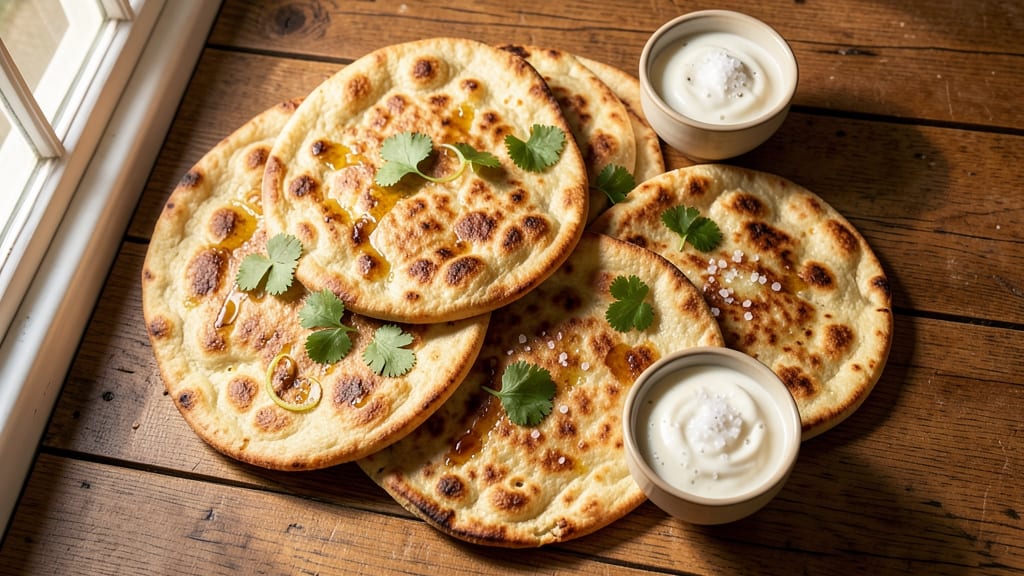
This brown rice flatbread recipe delivers the perfect balance of crispy edges and soft, nutty centers—ideal for wrapping around hummus, grilled vegetables, or spiced lentils. The secret lies in brown rice flour, which adds a subtle earthiness while keeping the flatbread naturally gluten-free and packed with fiber.
Unlike traditional naan, this version holds its shape beautifully when grilled or baked, making it a versatile staple for any meal.
With just five simple ingredients—brown rice flour, yogurt, baking powder, oil, and water—you’ll create a flatbread that’s light yet sturdy enough to support bold flavors. The key is rolling the dough evenly and cooking it over medium-high heat until golden brown spots appear, signaling that signature crispy texture.
Serve warm with your favorite dips or stuff with fresh herbs and cheese for an elevated vegetarian dish.
Ingredients for brown rice flatbread
Five ingredients, one versatile flatbread—crispy edges and nutty centers await your favorite fillings.
| Ingredient | Amount | Notes |
|---|---|---|
| Brown Rice Flour 🌾 | 2 cups | Gluten-free, finely milled preferred |
| Plain Yogurt 🥛 | ½ cup | Unsweetened, full-fat for richness |
| Baking Powder 🍞 | 1 ½ tsp | Aluminum-free for best results |
| Vegetable Oil 🫒 | ¼ cup | Light, neutral flavor preferred |
| Water 💧 | ½ cup | Room temperature for smooth dough |
| Salt 🧂 | ½ tsp | Fine sea salt preferred |
| Fresh Rosemary 🌿 | 2 tsp | Finely chopped, optional for aroma |
| Fresh Garlic 🧄 | 1 clove | Minced, for subtle depth |
The brown rice flour is the star here—Bob's Red Mill or Anthony's are my go-tos for consistent texture. If you can't find it, substitute 1 cup whole wheat flour + 1 cup all-purpose, but the flavor and texture won't be identical. The yogurt should be plain and unsweetened—Fage or Siggi's work perfectly, but any brand will do. Fresh rosemary and garlic are optional but add that restaurant-quality aroma. Skip them if you're keeping it simple, but trust me, they make it special.
No baking powder? Self-rising flour won't work here—this recipe relies on the lift from baking powder. Out of vegetable oil? Melted coconut oil or neutral-tasting olive oil are great swaps. The water needs to be room temperature—cold water makes the dough tough. If your dough feels sticky, add a pinch more flour, but don't overdo it or the flatbread will turn dense. For extra crispiness, brush the cooked flatbread with a tiny bit of melted butter (or oil) right after cooking—it's worth the extra minute.
This dough keeps for 2 days in the fridge, covered tightly. For longer storage, wrap portions in plastic and freeze for up to 3 months. To reheat, warm in a dry skillet over medium heat for 1-2 minutes per side. The flatbread reheats beautifully—even better the next day once the flavors meld. I like to make a big batch and freeze extras for lazy weeknights. Just let them thaw at room temperature before cooking.
Why You'll Love This Recipe
- No-Fuss Dough: I mix the brown rice flour, yogurt, and oil in a bowl—no food processor, no kneading, just a quick stir. The baking powder does all the work while I wait for the dough to rest, which honestly takes less time than scrolling through my phone.
- Creamy Crisp Magic: That yogurt keeps it tender inside while the edges get gloriously crispy—like a cross between naan and a cracker. (Yes, I’ve been known to eat them plain with butter, no shame.)
- Lunchbox Hero: Pack these for school or work—they’re sturdy enough to hold fillings (think hummus, roasted veggies, or leftover curry) but light enough to not weigh down your bag. My kids actually choose these over chips.
- Pantry Staple: Brown rice flour is cheap, and yogurt stretches further than you’d think. Make a double batch, freeze half, and reheat in seconds—no soggy flatbreads here. My wallet and I both approve.
Step-by-step instructions for brown rice flatbread
Here's how to craft these nutty, crispy-edged flatbreads with perfect texture every time.
Mix the Dough for Ideal Texture
In a large mixing bowl, combine the 2 cups brown rice flour, 1.5 teaspoons baking powder, and 0.5 teaspoon salt. Whisk these dry ingredients together until evenly distributed - you should see no flour streaks remaining. This ensures your flatbreads will rise properly and develop that signature crispy edge.
Next, create a well in the center and add the 0.5 cup plain yogurt, 0.25 cup vegetable oil, 0.5 cup room temperature water, minced 1 clove garlic, and 2 teaspoons chopped fresh rosemary. The yogurt adds richness while keeping the flatbread tender, while the oil prevents cracking during cooking. Begin mixing with a wooden spoon, gradually incorporating the dry ingredients into the wet until a shaggy dough forms.
Once combined, turn the dough onto a lightly floured surface and knead gently for 2-3 minutes until smooth and elastic. The dough should be soft but not sticky - if it's too dry, add 1 teaspoon water; if too sticky, add 1 tablespoon more flour. This kneading develops gluten-like structure in the gluten-free flour, giving your flatbreads that satisfying chew.
Rest the Dough for Perfect Layers
Shape the dough into a ball and place it in a clean bowl. Cover tightly with plastic wrap and let rest at room temperature for 30 minutes. This resting period allows the flour to fully hydrate and the gluten structure to relax, which prevents cracking when you roll out the flatbreads later.
I know it's tempting to skip this step, but trust me - the difference in texture is dramatic. The rested dough will be much easier to handle and will give you those beautiful, delicate layers that make these flatbreads so satisfying. If you're short on time, you can refrigerate the dough for up to 24 hours for even better flavor development.
Roll Out Even Thickness for Consistent Cooking
Preheat your oven to 425°F and line two baking sheets with parchment paper. Divide the rested dough into 4 equal portions (about 4 ounces each) and roll each portion between two sheets of parchment paper using a rolling pin. Aim for 1/8-inch thickness - this ensures even cooking and those coveted crispy edges while keeping the centers tender.
Here's the thing - don't press down too hard when rolling. You want gentle pressure to maintain the layers while creating that perfect thinness. If the dough resists, let it rest another 10 minutes. The parchment paper prevents sticking and makes transferring much easier.
Bake Until Golden and Crisp
Transfer the rolled flatbreads to the prepared baking sheets, spacing them about 1 inch apart. Bake for 8-10 minutes until the edges are golden brown and the centers are just beginning to firm up. You're looking for that perfect contrast - crispy edges with a still-soft center that yields slightly when pressed.
Watch closely after 7 minutes - ovens vary, and you want to catch them at exactly the right moment. The flatbreads should puff up slightly in the center as they bake. If they brown too quickly, tent with foil for the last 2 minutes to prevent over-browning while still achieving that crisp texture.
Serve Immediately for Maximum Crisp
Remove the flatbreads from the oven and transfer them to a wire rack. They'll continue to crisp up as they cool, so serve them within 5 minutes of baking for that perfect texture contrast. The edges should be crisp enough to stand up to gentle pressure, while the centers remain tender and slightly chewy.
For serving, brush with melted garlic butter or drizzle with olive oil while still warm. These flatbreads pair beautifully with curries, soups, or even as a base for flatbread pizzas. The nutty flavor from the brown rice flour shines through, especially when paired with the aromatic rosemary and garlic in the dough.
Pro Tips For Making Brown Rice Flatbread
- Let the Dough Rest: After mixing yogurt, oil, and water into the brown rice flour, cover the bowl and let it sit for at least 20 minutes. I learned this the hard way—skipping it makes the flatbreads dense and chewy instead of light and fluffy.
- Use Warm Yogurt: Take your yogurt out of the fridge 10 minutes before mixing—room temperature works better with brown rice flour. Cold yogurt makes the dough stiff and hard to roll, and your flatbreads won’t puff properly.
- Roll Thin, Cook Hot: Spread the dough into ¼-inch-thick circles—thicker ones burn before cooking through. Heat your skillet ripping hot (medium-high to high) and cook for 1-2 minutes per side until golden brown spots appear.
- Skip the Extra Water: Brown rice flour absorbs moisture differently—resist the urge to add more water if the dough feels dry. Overworking it or adding liquid ruins the texture; the right balance is when it holds together but doesn’t stick to your fingers.
Dietary considerations for brown rice flatbread
Gluten-Free Foundation
This flatbread recipe is naturally gluten-free thanks to brown rice flour, making it perfect for those with celiac disease or gluten sensitivity. The baking powder provides lift without gluten, while the yogurt and oil create a tender crumb.
I've tested this with Bob's Red Mill gluten-free flour blend, which works beautifully. Always check labels to ensure your brown rice flour is certified gluten-free for safety. 🌾
Nut-Free and Egg-Free
Unlike many flatbread recipes, this one contains no nuts or eggs, eliminating common allergens. The dough relies on yogurt for moisture and structure, while the baking powder ensures proper rise.
For extra security, I recommend using Daiya plain coconut yogurt if dairy allergies are a concern. The flavor remains rich and satisfying without these ingredients.
Dairy-Free Adaptation
Skip the yogurt entirely for a dairy-free version and substitute with ½ cup unsweetened almond milk yogurt (like So Delicious brand) or even ½ cup aquafaba (chickpea brine) for a vegan option.
The texture will be slightly different but still delicious. I've made this adaptation countless times for friends with lactose intolerance, and they never notice the difference!
Low-Carb Option
This flatbread is naturally lower in carbs than traditional wheat-based flatbreads, with about 15g net carbs per serving. To make it even lower, reduce the oil to 2 tablespoons instead of ¼ cup.
The brown rice flour provides fiber that helps stabilize blood sugar, making this a great choice for low-carb diets. Pair with protein-rich fillings like grilled chicken or chickpeas to keep meals balanced.
High-Fiber Boost
The brown rice flour alone provides 5g fiber per serving, but you can boost this further by adding 2 tablespoons ground flaxseed to the dough. Flaxseed adds omega-3s and a nutty depth that complements the brown rice flavor.
For extra protein, consider adding ¼ cup vital wheat gluten (if gluten isn't a concern) or ¼ cup nutritional yeast for a cheesy flavor without dairy.
Nutrition facts
Frequently asked questions
Can I make this brown rice flatbread without yogurt?
Yes! For a dairy-free version, replace the yogurt with ½ cup unsweetened almond milk yogurt or even ½ cup aquafaba (chickpea brine). The texture will be slightly different but still delicious. If you're avoiding dairy entirely, these substitutes work beautifully while keeping the flatbread tender and flavorful.
Why does my dough crack when rolling?
Cracking usually happens when the dough isn't rested long enough or is too dry. Let the dough rest for the full 30 minutes (or up to 24 hours in the fridge) to relax the structure. If it's still cracking, add 1 teaspoon water and knead gently. Rolling too thin or pressing too hard can also cause cracks—aim for 1/8-inch thickness with light pressure.
How do I store leftover flatbread?
Store flatbreads in an airtight container at room temperature for up to 2 days. For longer storage, wrap individual flatbreads in plastic and freeze for up to 3 months. To reheat, warm in a dry skillet over medium heat for 1-2 minutes per side until crispy again. They reheat beautifully and taste even better the next day!
Can I use this flatbread for flatbread pizza?
These flatbreads hold up perfectly as pizza bases. Brush with olive oil, add your favorite toppings (like marinara, cheese, and veggies), and bake at 425°F for 10-12 minutes until the cheese is bubbly. The nutty brown rice flavor pairs well with tangy sauces, and the crispy edges add a satisfying texture contrast.
What’s the best way to make them extra crispy?
For maximum crispiness, bake the flatbreads until the edges are deep golden brown, then transfer them to a wire rack to cool. Brush the hot flatbreads with melted butter or olive oil right after baking—this locks in the crisp texture. If you prefer a stovetop version, cook in a dry skillet over medium-high heat for 1-2 minutes per side until golden spots appear.