
Desserts
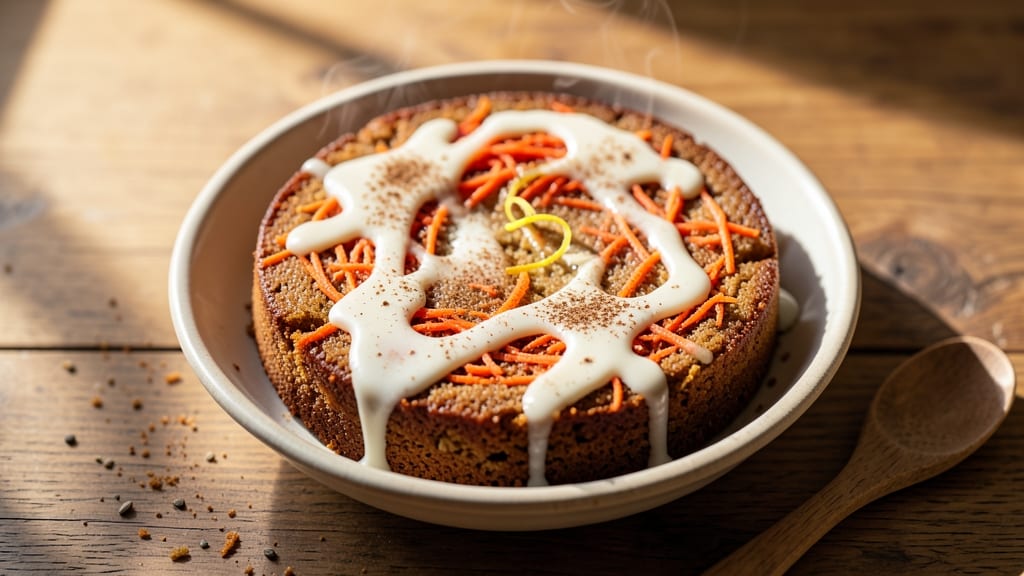
This brown rice flour carrot cake delivers all the classic flavors with a moist, dense crumb and natural sweetness—no refined flour or eggs required. The secret lies in flax eggs and coconut oil, which bind the batter while keeping every slice tender and rich.
I developed this recipe after years of perfecting vegan carrot cakes, ensuring the texture stays perfect even without traditional binding agents.
The result is a cake with spiced warmth, carrot sweetness, and a subtle nutty depth from the brown rice flour—naturally gluten-free and packed with fiber. Each bite stays moist for hours, thanks to the rice flour's unique properties and a simple syrup glaze that seals in freshness.
Perfect for health-conscious bakers who refuse to compromise on taste.
Ingredients for brown rice flour carrot cake
Naturally sweet ingredients and binding secrets for a cake that stays moist for days.
| Ingredient | Amount | Notes |
|---|---|---|
| Brown Rice Flour 🌾 | 2 cups | Gluten-free, finely milled |
| Organic Carrots 🥕 | 3 cups | Grated, skin on for color |
| Coconut Oil 🫒 | ¾ cup | Melted, full-fat preferred |
| Maple Syrup 🍯 | ¾ cup | Grade B for depth of flavor |
| Ground Flaxseed 🌿 | ½ cup | Freshly ground for binding |
| Almond Milk 🥛 | 1 cup | Unsweetened, room temperature |
| Ground Cinnamon 🌶️ | 2 tsp | Ceylon preferred for subtle flavor |
| Ground Ginger 🌿 | 1 ½ tsp | Freshly ground for warmth |
| Ground Nutmeg 🌶️ | ½ tsp | Freshly grated for intensity |
| Baking Soda 🧂 | 1 tsp | Aluminum-free preferred |
| Salt 🧂 | ½ tsp | Fine sea salt for balance |
| Walnuts 🌰 | ¾ cup | Chopped, toasted for crunch |
| Raisins 🍇 | ½ cup | Plumped in warm water |
| Simple Syrup Glaze 🍯 | ½ cup | Equal parts sugar and water |
Brown rice flour is the star here—Bob's Red Mill or Annie's are reliable brands for consistent texture. The carrots should be organic if possible, as conventional ones can sometimes have a bitter edge. Trader Joe's carries pre-grated carrots in a bag, which saves time, but fresh is always better. For the flaxseed, grind it yourself right before mixing—pre-ground loses its binding power quickly. The coconut oil needs to be melted but not hot; just warm it in the microwave for 30 seconds. Walnuts add texture, but pecans work too if you prefer a sweeter note.
No maple syrup? Agave nectar or date syrup will work in a pinch, though maple has that deeper caramel flavor. Swap the almond milk for oat milk or soy milk if you're sensitive to nuts. The baking soda is non-negotiable—it's what gives this cake its lift without eggs. For the glaze, you can use powdered sugar mixed with plant-based milk if you prefer a lighter finish. Raisins can be omitted entirely if you dislike them, but they add a nice chewy contrast. The spices are key—don't skip the nutmeg, even if it's just a pinch.
Store leftovers in an airtight container with a slice of bread to keep it moist for up to 5 days. For longer storage, wrap individual slices in parchment and freeze for 3 months. The cake reheats beautifully—just microwave for 20 seconds to revive the texture. If making ahead, bake the cake and glaze it the day before serving. The flavors actually improve overnight as the spices mellow and the moisture redistributes.
Why You'll Love This Recipe
- No-Fuss Mixing: I swear by this recipe because it’s basically a one-bowl deal. Brown rice flour and ground flaxseed bind everything together without fuss—no eggs, no complicated ratios. Just blend, pour, bake. Honestly, I’ve made it with my hands in the sink while chatting with someone.
- Sweet Earthy Magic: The combo of maple syrup and coconut oil gives it a caramelized depth, while the carrots add natural sweetness without overpowering. It’s not cloyingly sweet—more like a hug from a spice cake that somehow feels lighter than it tastes.
- Weeknight Workhorse: This cake keeps beautifully for days, so I bake a batch on Sunday and grab slices all week. It’s great for lunchboxes, office snacks, or when you forget to plan dinner. (Yes, even on a Tuesday night.) The flaxseed makes it sturdy enough to slice neatly—no crumbly mess.
- Budget Bright Spot: Brown rice flour and carrots stretch your dollar further than refined flour and sugar ever could. I’ve made this for birthday parties, potlucks, and just because—it’s always a hit, and the ingredients cost a fraction of what a boxed mix would. Plus, no one guesses it’s gluten-free.
Step-by-step instructions for brown rice flour carrot cake
This gluten-free carrot cake delivers perfect moisture and rich spice flavor every time.
Prepare the Wet and Dry Ingredients Separately
In a large mixing bowl, combine the 2 cups brown rice flour, 2 teaspoons ground cinnamon, 1.5 teaspoons ground ginger, 0.5 teaspoon ground nutmeg, 1 teaspoon baking soda, and 0.5 teaspoon salt. Whisk these dry ingredients together until fully blended and no flour pockets remain. This ensures even distribution of spices throughout the cake batter.
In a separate bowl, mix the 0.75 cup melted coconut oil with the 0.75 cup maple syrup until smooth and fully incorporated. Add the 1 cup almond milk and whisk until combined. The mixture should be homogeneous with no streaks of oil remaining. This step creates the base liquid that will bind with the dry ingredients.
Combine Ingredients and Fold in Moisture Elements
Gradually add the wet mixture to the dry ingredients while whisking continuously on low speed. Scrape down the sides of the bowl as needed to ensure all flour is incorporated. The batter will be thick but should still be pourable - this is normal for gluten-free baking.
Grate the 3 cups organic carrots using a box grater or food processor, removing any large strings of skin. Fold the grated carrots into the batter along with the 0.5 cup ground flaxseed, 0.75 cup chopped walnuts, and 0.5 cup raisins. Be gentle with the folding to maintain air pockets in the batter. The texture should resemble thick carrot cake batter with visible moisture elements throughout.
Bake in Prepared Pans for Even Cooking
Preheat your oven to 350°F and grease two 9-inch round cake pans with coconut oil or line them with parchment paper. Divide the batter evenly between the pans and smooth the tops with a spatula. The batter should fill the pans about ¾ full - don't overfill as gluten-free batters don't rise as much as traditional flour.
Bake for 35-40 minutes or until a toothpick inserted into the center comes out clean with only a few moist crumbs. The edges should be golden brown while the center maintains a slightly springy texture. Rotate the pans halfway through baking for even cooking. The cake is done when it reaches an internal temperature of 205°F - this ensures proper moisture without overbaking.
Glaze and Cool for Perfect Texture
While the cakes are still warm, prepare the 0.5 cup simple syrup glaze by heating equal parts sugar and water until dissolved. Pour the glaze evenly over both cakes and let it soak in for 5 minutes. This step creates that signature moist crumb by infusing the cake with additional liquid while it's still warm.
Allow the cakes to cool in the pans for 10 minutes, then transfer to a wire rack to cool completely. The cooling process is crucial for gluten-free cakes as it prevents them from becoming gummy. Once fully cooled, slice and serve. Each slice should have a moist, tender crumb with visible carrot pieces and a subtle crunch from the walnuts.
Pro Tips For Making Brown Rice Flour Carrot Cake
- Prep Carrots Small: Grate them into 1/4-inch pieces—any larger and they’ll stay undercooked or turn mushy in the center. I learned this the hard way when my cake had a weird texture because I skipped this step and just chopped them roughly.
- Mix Flour Last: Combine wet ingredients first, then fold in the brown rice flour—this prevents lumps and keeps the batter light. I used to add it all at once, and the result was dense. Stir gently until just combined.
- Don’t Overbake: Pull the cake out when the edges are set but the center still jiggles slightly—brown rice flour dries out fast. My first batch turned into a brick because I trusted the recipe’s time instead of testing doneness.
- Toast the Flour: Dry-toast the brown rice flour in a pan for 2-3 minutes before mixing—it deepens the nutty flavor and cuts the heaviness. Sounds odd, but it makes a real difference in texture and taste.
Regional styles of this recipe
Japanese Matcha Twist
For a vibrant, earthy variation, swap 1 tablespoon of the brown rice flour with 1 tablespoon of organic matcha powder (like Ippodo Tea ceremonial grade). Add 1 extra teaspoon of cinnamon to complement the matcha's bitterness.
This creates a stunning green cake with a subtle umami depth that pairs beautifully with white chocolate chips. 🌿
Southern Style Spiced
Boost the warmth with ½ teaspoon of smoked paprika and ¼ teaspoon of cayenne pepper for a Southern-inspired kick. Replace raisins with ½ cup dried cranberries and add ½ cup pecans for a crunchier texture.
Top with a cream cheese frosting made from cashew cream and lemon zest for a tangy contrast.
German Carrot Cake
Inspired by traditional German Mohnkuchen, fold in ½ cup poppy seeds and ¼ cup chopped almonds alongside the walnuts. Replace the simple syrup glaze with a powdered sugar and lemon juice glaze (mix 1 cup powdered sugar with 2 tablespoons lemon juice).
This version has a nutty, slightly bitter edge that balances the sweetness perfectly.
Mexican Cinnamon-Spiced
Add 1 teaspoon of ground coriander and ½ teaspoon of cumin to the spice mix for a Mexican-inspired twist. Swap raisins for ½ cup diced pineapple and top with a chili-lime glaze (mix ½ cup powdered sugar with 1 tablespoon lime juice and a pinch of cayenne).
Serve with a scoop of coconut ice cream for a tropical dessert.
Scandinavian Cardamom
Replace nutmeg with 1 teaspoon of ground cardamom for a Nordic-inspired flavor. Add ½ cup chopped hazelnuts (toasted and skinned) and a pinch of sea salt to enhance the natural sweetness.
Top with a lingonberry compote (simmer 1 cup lingonberries with 2 tablespoons maple syrup until thickened). This version feels cozy and aromatic, perfect for fall gatherings.
Middle Eastern Orange-Blossom
Infuse the almond milk with 1 teaspoon of orange blossom water (available at Middle Eastern markets or online) for a floral note. Add zest of 1 orange to the batter and replace walnuts with ½ cup chopped pistachios.
Top with a rosewater syrup glaze (mix ½ cup sugar with ½ cup water and ½ teaspoon rosewater). This variation is light, fragrant, and perfect for spring celebrations.
Nutrition facts
Frequently asked questions
Why does brown rice flour make this carrot cake different?
Brown rice flour creates a denser, moist crumb with a subtle nutty flavor that traditional flours can't match. Unlike wheat flour, it absorbs moisture differently, so we use flax eggs and coconut oil to bind the batter properly. The result is a cake that stays fresh for days without drying out.
Can I substitute brown rice flour with another gluten-free flour?
Yes, but texture will change. Try a 1:1 swap with white rice flour for a lighter crumb, or mix with almond flour (replace ½ cup brown rice flour with ½ cup almond flour) for extra richness. Both work, but brown rice flour's unique starch structure gives this cake its signature moisture.
How do I fix a cake that's too dry?
If your cake turns out dry, it likely didn't bake long enough. Brown rice flour cakes need to reach 205°F internally—check with a thermometer. For future batches, try adding 2 tablespoons extra almond milk to the batter. A quick fix for dry slices is to brush with warm maple syrup before serving.
Is this cake really vegan?
This recipe uses flax eggs (ground flaxseed + water), coconut oil, and almond milk instead of animal products. Even the glaze is plant-based. The spices and carrots are naturally vegan too, making this a fully cruelty-free dessert.
Can I make this in a bundt pan instead of round pans?
Yes, but reduce baking time to 30-35 minutes—bundt pans cook faster due to their shape. Grease thoroughly with coconut oil and dust with brown rice flour to prevent sticking. The cake will have beautiful ridges and stay just as moist. Just monitor closely after 25 minutes to avoid overbaking.