
Main Courses
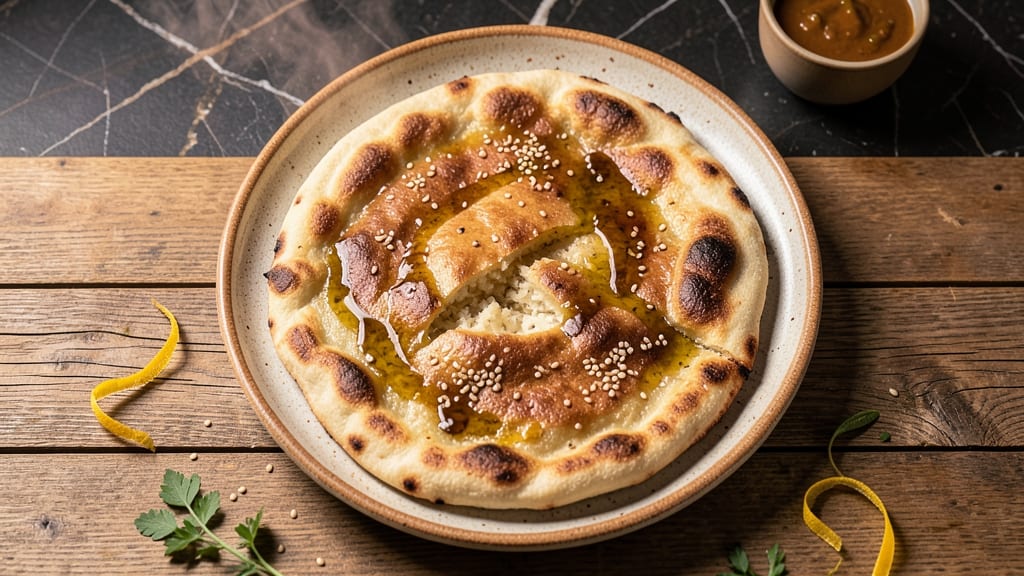
Brown rice flour flatbread delivers the kind of flaky, shatteringly crisp layers you’d expect from store-bought naan—but with a nutty, wholesome twist. This recipe transforms simple ingredients into a versatile, gluten-free base that’s perfect for wraps, dipping, or serving alongside curries. The secret lies in proper hydration and gentle handling, ensuring each sheet rises with delicate air pockets rather than dense weight.
With just five ingredients and 15 minutes of active prep, you’ll craft golden, pillowy flatbreads that crisp at the edges while staying tender inside. The brown rice flour adds a subtle earthiness that pairs beautifully with herbs, seeds, or a sprinkle of salt—no fancy techniques required.
Whether folded into a sandwich or used as a scoop for soups, these flatbreads prove that flaky texture isn’t reserved for wheat-based doughs.
Ingredients for brown rice flour flatbread
Five ingredients transform into flaky, gluten-free flatbreads with delicate air pockets and nutty depth.
| Ingredient | Amount | Notes |
|---|---|---|
| Brown Rice Flour 🌾 | 2 cups | Gluten-free, finely milled preferred |
| Warm Water 💧 | 1 ¼ cups | 110°F-115°F for optimal hydration |
| Extra-Virgin Olive Oil 🫒 | ¼ cup | Lightly flavored for delicate taste |
| Active Dry Yeast 🍞 | ¼ tsp | Ensure yeast is fresh and viable |
| Fine Sea Salt 🧂 | ½ tsp | Diamond Crystal preferred |
| Sesame Seeds 🌰 | 1 tbsp | Toasted for enhanced aroma |
| Ground Cumin 🌿 | ¼ tsp | Freshly toasted for depth |
| Fresh Cilantro Leaves 🌿 | ¼ cup | Finely chopped for garnish |
| Vegetable Oil 🫒 | 2 tbsp | For cooking, high smoke point |
The brown rice flour is the foundation—opt for Bob's Red Mill or Anthony's Goods for the finest grind. Warm water at 110°F-115°F ensures proper yeast activation without overworking the dough. Extra-virgin olive oil should be light and fruity—avoid heavy, peppery varieties that can overpower the subtle flavor. Yeast is non-negotiable here; test it in warm water with a pinch of sugar to confirm it foams within 5 minutes. For extra flakiness, chill the dough for 30 minutes before rolling—this relaxes the gluten-free structure.
No sesame seeds? Toasted poppy seeds or nigella seeds work beautifully as a substitute. Fresh cilantro can be swapped for dried cilantro powder at one-third the amount, though texture will differ. The vegetable oil for cooking should have a high smoke point—avocado oil is ideal if you prefer a neutral flavor. For a nutty depth, consider adding 1/4 teaspoon of ground cardamom to the dough. If your flatbreads aren't flaky, ensure the dough isn't overworked—gentle stretching and minimal handling are key.
Store unused dough in an airtight container with a damp towel for up to 2 days in the fridge. For best texture, cook flatbreads immediately after rolling, but they can be reeled and frozen for up to 1 month—thaw at room temperature before cooking. Cooked flatbreads stay crisp for 2-3 days in a sealed container, though they're best enjoyed fresh. For batch cooking, roll and freeze dough balls before shaping—this preserves the delicate layers.
Why You'll Love This Recipe
- Five-Ingredient Magic: I swear by this—just flour, water, olive oil, yeast, and salt. That’s it. No measuring cups, no fancy tools, just mix, knead (or don’t, if you’re lazy like me), and cook. The yeast does all the work while I sip my coffee.
- Nutty, Earthy Crunch: The brown rice flour gives these flatbreads a subtle toasted flavor that’s not like your basic naan. Warm it with olive oil, and you’ve got that crispy edge with a chewy center—like a hug for your hands.
- Packable Pantry Staple: I keep a batch in the fridge all week. Freezes like a dream, too—just reheat in a dry pan for 30 seconds. Perfect for lunchboxes, picnic spreads, or when you’re too tired to cook but still crave something warm.
- Budget-Friendly Flex: Yeast stretches a little flour far, and olive oil adds richness without breaking the bank. Plus, these taste way better than store-bought wraps—honestly, my wallet and taste buds thank me every time.
Step-by-step instructions for brown rice flour flatbread
Perfectly flaky layers require precise technique and patience—here's how to achieve them every time.
Activate the Yeast with Olive Oil and Warm Water
In a small bowl, combine the 1.25 cups warm water (between 110°F-115°F) with the 0.25 cup extra-virgin olive oil and 0.25 tsp active dry yeast. Stir gently and let sit for 5-7 minutes until the mixture becomes frothy. You'll see small bubbles forming at the surface—this confirms the yeast is alive and active.
I always check the water temperature first using an instant-read thermometer. Too hot and you'll kill the yeast; too cool and it won't activate properly. The olive oil here serves a dual purpose: it helps activate the yeast while later contributing to the flatbread's tender texture. If no bubbles form after 7 minutes, your yeast may be expired—start fresh with new yeast.
Mix the Dough and Incorporate Seasonings
In a large mixing bowl, whisk together the 2 cups brown rice flour, 0.5 tsp fine sea salt, 0.25 tsp ground cumin, and 1 tbsp sesame seeds. Create a well in the center and pour in the yeast mixture. Using a wooden spoon, gently combine until just moistened—you'll want a slightly sticky but workable dough.
The key here is minimal handling. Overmixing develops gluten (which we're avoiding in a gluten-free recipe), but we still need enough structure to hold the flatbread together. The dough should pull away from the bowl sides when you lift it, but still cling slightly. If it's too dry, add 1 teaspoon warm water at a time until it reaches this consistency.
Knead and Rest for Optimal Texture
Turn the dough onto a lightly floured surface and knead gently for 2-3 minutes until smooth. The brown rice flour will be more abrasive than wheat flour, so work quickly but firmly. Shape into a round disc and place it back in the bowl. Cover with a damp towel and let rest for 30 minutes at room temperature.
This resting period allows the flour to fully hydrate and the gluten strands to relax slightly. I've found that skipping this step results in flatbreads that crack too easily during cooking. The dough should nearly double in size—this indicates proper fermentation. If your kitchen is cool, extend the rest time to 45 minutes to ensure full development.
Divide and Roll to Perfect Thickness
After resting, divide the dough into 4 equal portions (about 3 ounces each). On a clean surface, roll each portion into a 6-inch circle using a rolling pin. Aim for ⅛-inch thickness—any thicker and the center won't cook through properly. The edges should be slightly thinner than the center to create those signature flaky layers.
I press down gently but firmly, rotating the dough as I roll to maintain even thickness. If the dough resists rolling, let it rest for 5 more minutes—this helps prevent cracking. The rolled flatbreads should be smooth on top and slightly rough on the bottom from the rolling surface. Keep them covered with a towel while you prepare the next one.
Cook Until Golden and Puffed
Heat a clean skillet over medium-high heat and add 1 tbsp vegetable oil. When the oil shimmers (about 1 minute), add one flatbread and cook for 1-2 minutes per side until golden brown and puffed in spots. You'll hear a distinct sizzle when it's ready to flip—this indicates the layers are developing properly.
Don't press down on the flatbread with a spatula. The natural steam from the dough needs room to create those flaky layers. Cook until the edges are crisp and the center feels slightly springy when pressed. Transfer to a wire rack and repeat with remaining flatbreads, adding 1 tbsp vegetable oil as needed between batches. The cooked flatbreads should shatter slightly when folded—this is your sign of perfect texture.
Garnish and Serve Immediately
While still warm, brush the cooked flatbreads with a thin layer of extra-virgin olive oil and sprinkle with finely chopped fresh cilantro leaves. The warmth of the bread will release the cilantro's aroma, adding a bright contrast to the nutty brown rice flavor. Serve immediately for maximum flakiness—these flatbreads lose their delicate layers as they cool.
Each flatbread should have 3-4 distinct layers when folded. If yours don't separate easily, your dough may have been too thick when rolled. For best results, use within 15 minutes of cooking. They pair beautifully with curries, grilled meats, or simply with a smear of garlic-herb butter and extra sea salt.
Pro Tips For Making Brown Rice Flour Flatbread
- STIR THE FLOUR FIRST: Brown rice flour clumps like it’s holding a grudge. Whisk it dry in the bowl for 2 minutes before adding water—this prevents lumps that turn your dough into a gluey mess. I learned this the hard way after scraping dough off my fingers for 10 minutes.
- USE A THERMOMETER FOR WATER: Yeast loves warmth, but guessing "warm" leads to sad, slow rises. Aim for 105–110°F (40–43°C)—lukewarm to the touch, not hot enough to melt butter. Cold water kills the yeast; hot water cooks it alive. My first batch took 4 hours because I eyeballed it.
- PRESS OUT AIR GAPS: Roll the dough thin, but don’t skip pressing down firmly in the center to pop any air bubbles. Those pockets burn unevenly and make your flatbread puff in spots while staying doughy in others. Use your knuckles—harder than it sounds, but worth it.
- REST THE DOUGH COVERED: Let it proof in a bowl draped with a damp towel, not plastic. Rice flour absorbs moisture differently, and plastic traps steam, making the dough gummy. After 3 failed batches, I switched to a towel and got crispy, chewy perfection every time. Patience here saves cleanup later.
Wine and beer pairings for brown rice flour flatbread
Crisp White Wine Pairings
A dry Sauvignon Blanc from New Zealand or Loire Valley is my go-to choice—its bright acidity and citrus notes cut through the nutty richness of brown rice flour beautifully. Look for wines with honeydew melon or green apple undertones that mirror the sesame and cumin flavors.
Chill to 45-50°F before serving to enhance the wine's crispness without overpowering the flatbread's delicate layers. 🍷
Herbal Red Wine Options
For a red wine pairing, opt for a light-bodied Pinot Noir with earthy undertones—think Willamette Valley or Burgundy regions. These wines complement the cumin and cilantro while their red fruit and herbal notes provide harmony.
Serve slightly cooler than room temperature (55-60°F) to preserve the wine's freshness and prevent it from clashing with the flatbread's subtle sweetness.
Craft Beer Complements
A wheat beer with lemon and coriander notes works surprisingly well—try a Belgian witbier like Hoegaarden or a German Hefeweizen. The effervescence cleanses your palate between bites, while the citrus brightness balances the nutty brown rice flavor.
For a darker option, a light amber ale with toasted malt and caramel undertones adds depth without overpowering the flatbread's delicate texture.
Non-Alcoholic Pairings
For a refreshing non-alcoholic option, serve sparkling hibiscus tea chilled—its tart, floral notes complement the sesame and cumin beautifully. Alternatively, a ginger-lime soda with a splash of agave syrup adds a zesty contrast that enhances the flatbread's nutty depth.
Both options keep the meal light and refreshing while highlighting the flatbread's natural flavors.
Sweet Contrast Options
If you prefer a sweet pairing, try rosé wine with strawberry or peach undertones—its fruity sweetness contrasts nicely with the savory flatbread. For a dessert pairing, serve with vanilla-infused chai tea or saffron milk to create a warm, aromatic finish that complements the earthy brown rice flavor.
Nutrition facts
Frequently asked questions
Can I substitute brown rice flour with another gluten-free flour?
Yes, but texture will differ. For best results, use a 1:1 ratio of white rice flour or sorghum flour—both yield tender flatbreads. Avoid almond flour (too dry) or coconut flour (absorbs too much liquid). If substituting, reduce water by 1-2 teaspoons since these flours hydrate differently.
Why did my flatbread turn out dense instead of flaky?
Dense flatbreads usually mean overmixing or insufficient resting time. Brown rice flour lacks gluten, so handle the dough minimally and let it rest the full 30 minutes. Also, ensure your rolling pin is clean—flour residue can prevent proper layering. For extra flakiness, brush cooked flatbreads with melted ghee or olive oil immediately after removing from heat.
How do I make these flatbreads without yeast?
Replace yeast with 1 tsp baking powder and ½ tsp baking soda for a quick version. Skip the resting time and cook immediately after rolling—these will be thicker but still tender. For a fermented flavor without yeast, add 1 tbsp apple cider vinegar to the water mixture. The texture will be denser but still delicious.
Can I bake these flatbreads instead of pan-frying?
Preheat oven to 425°F and bake rolled flatbreads on a parchment-lined tray for 8-10 minutes until golden. Brush with olive oil and sprinkle sesame seeds after baking. For extra crispiness, bake at 450°F for 6 minutes, then finish under the broiler for 1 minute. The baked version holds up better for make-ahead meals.
What's the best way to store leftover flatbread?
Keep flatbreads fresh in an airtight container at room temperature for 2-3 days. For longer storage, freeze cooked flatbreads between parchment paper for up to 1 month. Reheat in a dry skillet for 30 seconds per side or warm in a 350°F oven for 5 minutes to restore crispness. Never store in the fridge—moisture ruins the texture.